How I made the coop easier to clean after one messy summer
Photo credit: Indy Edge/ Shutterstock.com
After one hot, messy summer of caked droppings and ammonia drifting from the henhouse, the coop in this story went from weekend chore to near-daily headache. The owner did not rebuild from scratch, but instead treated the mess as a design problem and reworked floors, bedding, and layout to make cleaning faster and far less frequent. The result was a coop that stayed drier, smelled better, and could be reset in minutes instead of hours.
The changes followed a simple rule: anything that touched manure had to be either composted, scraped off in seconds, or hosed clean without soaking the structure.
Starting with a smarter floor
The original plywood floor absorbed moisture and held odor, which matches common complaints about bare wood in many backyard setups. Guidance on coop floor options notes that porous surfaces trap damp litter and make scraping difficult, especially after a humid stretch.
To fix that, the owner first sealed the plywood, then added a continuous, cut-to-fit sheet of vinyl. That choice mirrored advice that smooth, water resistant floors turn a shovel into a squeegee and keep urine and droppings from soaking into the subfloor.
In the high traffic section under the roosts, the family went further and installed rigid plastic slats. Products like the black polypropylene panels sold as poultry flooring are designed so droppings fall through the openings while birds stay dry on top.
Those slats sat over a shallow collection pit, turning a sticky patch of floor into a zone that could be scraped or shoveled in a few passes.
Separating roost mess from living space
Most of the summer mess had built up under the roosts, a pattern that matches broader advice that the bulk of manure collects where birds sleep. Several coop design guides recommend droppings boards or trays under perches so that manure can be removed without stripping the whole floor.
Following that logic, the owner added a framed shelf beneath the roost bars and topped it with a removable liner. One popular approach uses a smooth board or tray that can be scraped daily, as described in guides to cleaner coops that focus on intercepting droppings before they reach the bedding.
In this coop, the liner was a sheet of heavy plastic that slid out like a shallow drawer. A quick scrape into a compost bin removed most of the night waste in under five minutes, which meant the bedding below stayed dry for weeks at a time.
This separation of the roost area from the rest of the interior also made it easier to keep feed and water clear of manure, a basic biosecurity step that reduces the risk of birds tracking droppings into their food.
Switching to deep litter instead of constant stripping
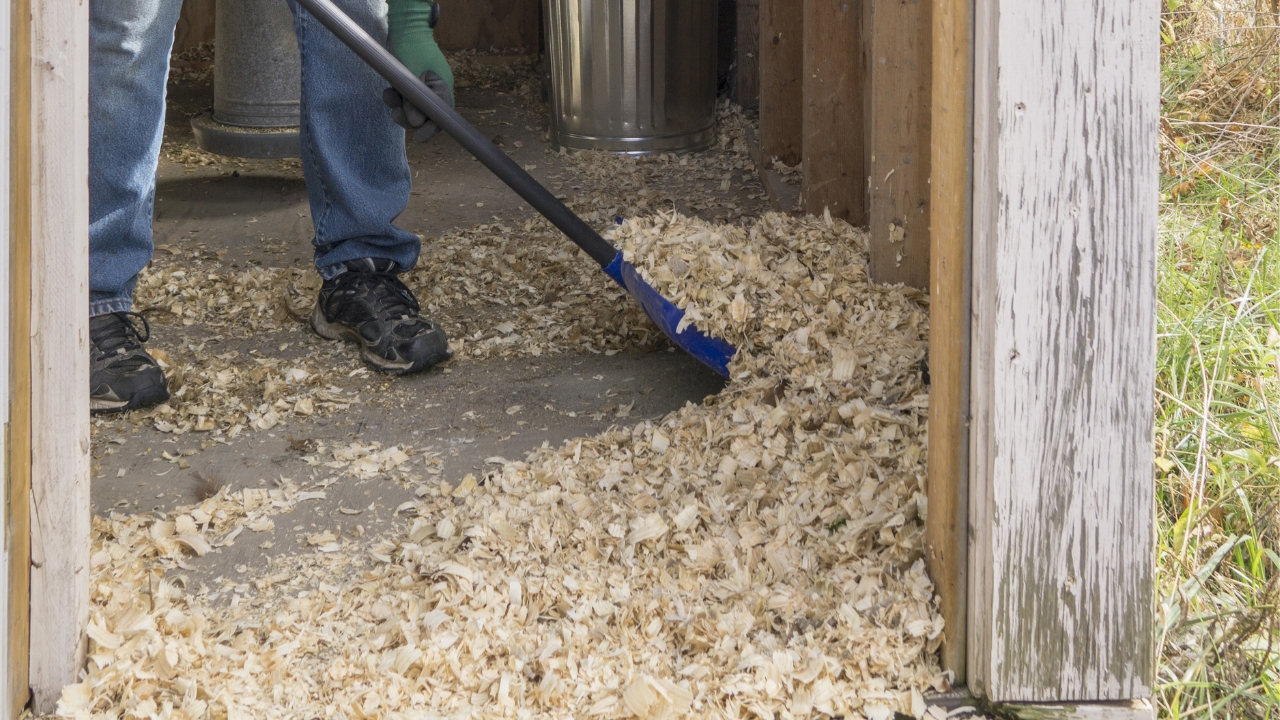
The summer routine had involved stripping all bedding every weekend, which created clouds of dust and a steady stream of trash bags. After the redesign, the family adopted a deep litter system in the main floor area, influenced by explanations of the deep litter method as a low maintenance way to turn bedding into compost.
Rather than removing everything, they began with a dry base of shavings and chopped straw, then added thin layers as droppings accumulated. Occasional stirring encouraged breakdown and kept the surface fluffy underfoot.
Other keepers who use deep litter describe going months without a full cleanout, as long as the material stays dry and odor free. One detailed guide on how to utilize the method suggests adding fresh carbon about once a week and stirring whenever there is any hint of ammonia.
In practice, this coop settled into a pattern of light stirring and topping up, with a full cleanout only at the change of seasons.
Borrowing tricks from other backyard keepers
The owner did not work in isolation. They watched how other small flocks handled the same problem and borrowed what clearly worked.
One widely shared post in a backyard group described a trailer converted to a coop with five roosts and a routine of cleaning every two to three weeks in fall and spring. The writer explained that they kept feed bags and layer pellets organized inside and relied on a system that they said they “just have to share,” which is captured in a discussion of coop cleaning routines.
Those community tips often align with more formal guidance. Layout advice that stresses accessibility and open walkways, for instance, matches recommendations to ensure the coop interior is easy to move through with a shovel or rake.
Some keepers also report success with tarps under bedding so entire sections can be dragged out at once, a tactic described in group posts that celebrate going six months without a full shaving change by simply stirring and adding more on top.
Using products and data more strategically
Once the basic layout was set, the family became more selective about what they bought. Instead of random supplies, they looked for mats, slats, and tools that matched the new workflow.
Shopping tools that aggregate millions of items into a structured product graph helped them compare flooring and scraper options by material, size, and customer reviews in a single view.
From weekend project to quick routine
Like Fix It Homestead’s content? Be sure to follow us.
Here’s more from us:
- I made Joanna Gaines’s Friendsgiving casserole and here is what I would keep
- Pump Shotguns That Jam the Moment You Actually Need Them
- The First 5 Things Guests Notice About Your Living Room at Christmas
- What Caliber Works Best for Groundhogs, Armadillos, and Other Digging Pests?
- Rifles worth keeping by the back door on any rural property
*This article was developed with AI-powered tools and has been carefully reviewed by our editors.