What finally helped when my raised beds kept drying out by noon
Photo credit: VH-studio/Shutterstock.com
Gardeners who build raised beds for better drainage often discover a frustrating tradeoff: by midday, the soil can be bone dry and young plants are already wilting. The problem is not just heat or missed watering, but a mix of shallow soil, fast-draining mixes and surfaces that start to repel water once they dry out. When those factors are addressed together, beds that once dried out by noon can hold steady moisture through the hottest part of the day.
The practical fixes that finally work tend to share a pattern: deepen the soil, slow evaporation at the surface and deliver water gradually right where roots can use it.
Why raised beds dry out so fast
Several growers compare elevated beds to oversized containers, noting that elevated beds with drainage will always dry faster because water cannot wick in from surrounding ground and instead must stay contained in the frame. In a large online group, one gardener bluntly linked the problem to this design and described how their own beds behaved like giant pots during heat waves in Jun in a thread titled How.
Soil composition often makes the problem worse. Many commercial mixes rely on peat, which absorbs water when moist but can become hydrophobic once it dries. Guidance on reviving hydrophobic beds describes surfaces where water beads and runs off instead of soaking in, leaving roots dry even after what looks like generous irrigation.
Experts who focus on raised structures also point out that more soil takes longer to dry, and deeper beds give roots a cooler, moister refuge below the top few inches. Advice on improving raised garden soil stresses that the deeper the bed, the more stable the moisture and the less often a gardener needs to water in hot weather.
Changing how water gets into the bed
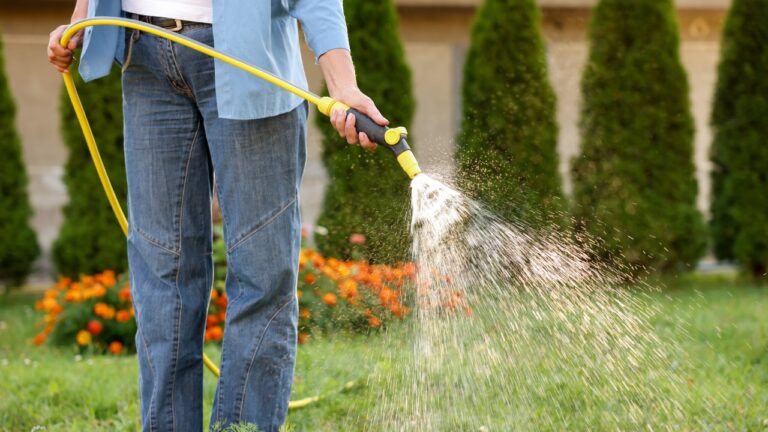
Once gardeners understand that frequent overhead watering mostly wets the top 2 inches, the next step is to change the delivery method. Several specialists now steer raised bed owners toward drip systems that soak the root zone slowly instead of splashing the foliage.
One widely used raised bed drip is designed to run low flow water along the bed so the soil absorbs it with minimal runoff. Product descriptions for a similar drip system emphasize consistent moisture and reduced disease pressure because leaves stay dry.
Guides on keeping raised beds hydrated in late summer recommend early morning watering between 5 and 9 AM, when cooler air reduces evaporation and gives water time to move deeper into the profile. For consistent deep moisture, they favor soaker hoses or drip lines that minimize evaporation and runoff and can be left on long enough to saturate the lower layers without flooding the surface.
Subsurface clay vessels are another tactic. Instructions on using Oya pots describe burying a porous reservoir near plant roots and letting water seep out slowly as the surrounding soil dries, which keeps the bed evenly moist without constant hand watering.
Rebuilding the soil so it actually holds water
Watering hardware only solves part of the problem if the mix itself sheds moisture. Specialists who deal with hydrophobic beds recommend a two-step fix: rehydrate deeply, then change the structure so it does not revert to a water-repelling crust.
They advise slowly soaking the bed in cycles so water can penetrate instead of running off, then working in compost and other organic matter that improve both absorption and storage. Guidance on regulating moisture highlights compost, aged manure and similar materials as key to holding water while still draining well.
Some gardeners also turn to wetting agents and moisture managers. One granular product, Hydretain, is described as a blend of hygroscopic humectants that convert soil moisture vapor into droplets roots can use, effectively stretching the time between waterings.
University guidance on raised beds also returns to basics: place beds where water access is easy, monitor moisture by feeling the soil a couple of inches down and water when that zone is dry instead of waiting for plants to flag. That simple habit reduces the swings between flooded and parched conditions that often lead to crusted, water-repellent surfaces.
Locking in moisture at the surface
Once the root zone holds water, the next challenge is keeping the sun from stripping it out by noon. Multiple sources converge on the same low-tech fix: mulch.
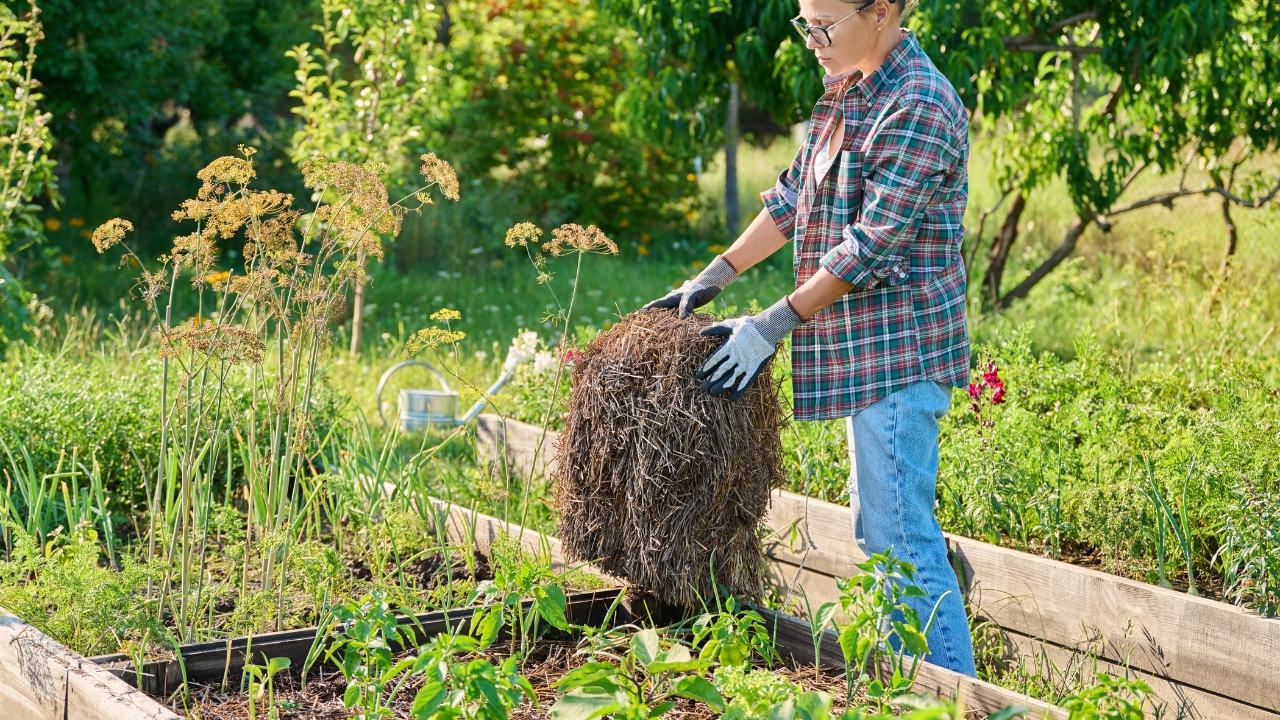
Analyses of heat management in vegetable beds describe mulch as a blanket that insulates soil, slows how quickly it heats and locks in moisture while adding organic matter as it breaks down. Another guide on whether to put mulch in raised beds notes that one of the primary benefits is moisture retention, which offsets the rapid drainage that comes with elevated frames and recommends materials such as straw and shredded leaves for that purpose.
Advice from gardeners dealing with hydrophobic soil warns that covering the surface with organic mulch also shields it from direct sun and pounding irrigation, both of which can worsen crusting. In the same vein, the hydrophobic bed guidance linked to Oya pots recommends straw mulching over the rehydrated soil to keep it from drying back into a water-shedding layer.
Like Fix It Homestead’s content? Be sure to follow us.
Here’s more from us:
- I made Joanna Gaines’s Friendsgiving casserole and here is what I would keep
- Pump Shotguns That Jam the Moment You Actually Need Them
- The First 5 Things Guests Notice About Your Living Room at Christmas
- What Caliber Works Best for Groundhogs, Armadillos, and Other Digging Pests?
- Rifles worth keeping by the back door on any rural property
*This article was developed with AI-powered tools and has been carefully reviewed by our editors.