I bought metal raised beds without checking the depth and ran into problems fast
Photo credit: Lulub/Shutterstock.com
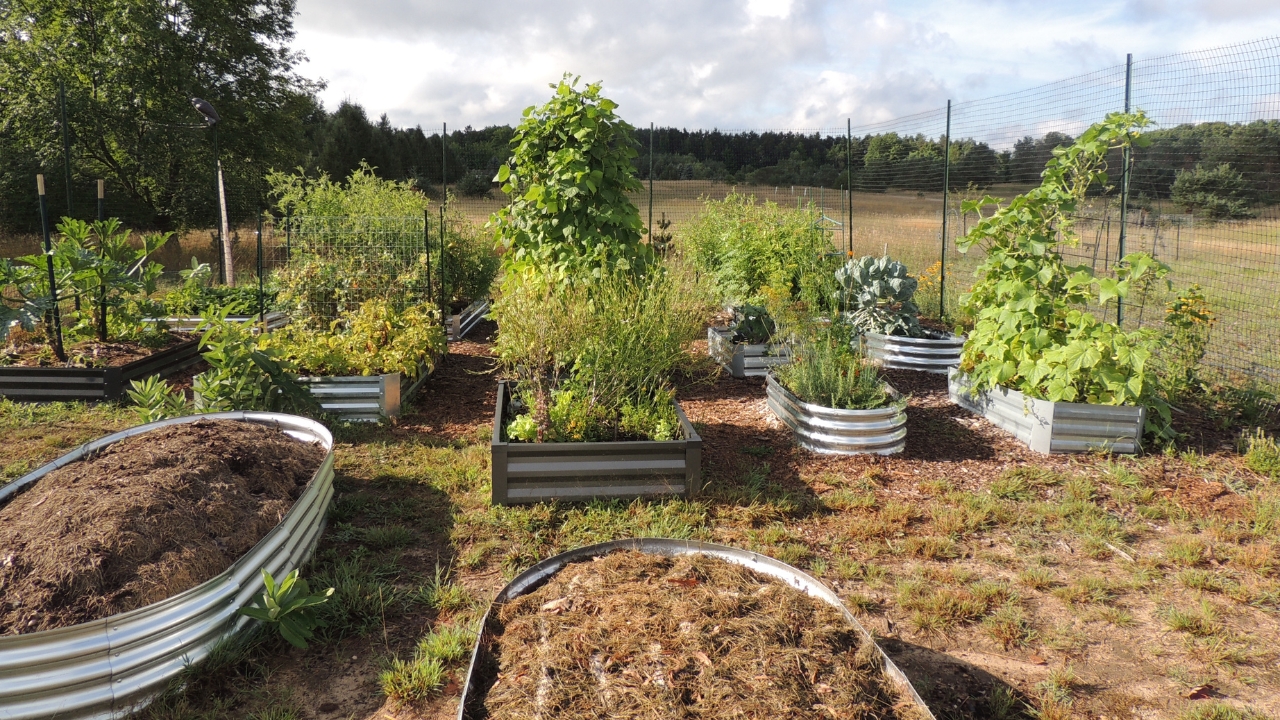
Metal raised beds promise tidy lines, long life and quick setup, which makes it easy to gloss over one unglamorous detail: how deep they actually are. Gardeners who rush the purchase often discover within a single season that a too‑shallow bed limits crops, dries out fast and magnifies drainage problems instead of solving them.
The experience of buying sleek galvanized beds without checking their depth shows how quickly an aesthetic upgrade can turn into a replanting project, a soil‑mix rethink and, in some cases, a complete reset of what can be grown in that space.
When “compact” metal beds are too shallow
Many popular metal kits are marketed for patios and tight yards, with dimensions that sound generous in length and width but keep depth to a minimum. A product like the 4‑by‑4 foot Panacea small‑space bed from Tractor Supply, for example, offers a neat square footprint but a relatively low profile that prioritizes compact looks over deep soil volume, as shown in the product listing.
Retail search pages that group similar galvanized beds highlight the same pattern, with multiple metal models emphasizing length and tidy corners while keeping the sidewalls low, which can be seen in aggregated shopping results.
That design works for herbs and lettuces, but gardeners who expect to grow tomatoes, peppers or root crops quickly run into constraints once roots hit the bottom panel or native soil that has not been improved.
Planters with liners bring different limits
Metal planters that include a built‑in liner create a second layer of restriction. A no‑tools Panacea metal planter with liner, for instance, is marketed as a plug‑and‑play option for decks and balconies, yet its liner effectively caps the usable depth for roots, as shown in the planter description.
Similar raised garden bed planters are promoted as keeping gardening space “neat and compact” with less than a two foot depth and nearly four feet of length, which is visible in another set of product details.
Those dimensions make sense for renters or anyone gardening over concrete, yet they demand careful crop selection and watering habits, since the soil column is shallow and surrounded by metal that can heat up in full sun.
What the science says about depth
Guidance from metal bed manufacturers points out that many vegetables can manage in 6 to 12 inches of soil if cost is a concern and if the ground below is loose and fertile. One advisory from Metal Garden Beds, Inc. notes that this range is “more than sufficient” for plants with relatively shallow root systems, provided roots can grow into the native soil beneath, which is explained in their discussion of optimal depth.
Other horticulture guidance goes further and recommends at least 18 to 20 inches of combined raised bed and underlying soil for best results with a mix of crops, noting that soil compresses after several waterings and that deeper profiles give roots more consistent access to air and moisture.
Research on water behavior backs up those recommendations. Analyses of raised bed depth and water retention report that shallow beds in the 6 to 12 inch range dry out quickly and require more frequent irrigation, while deeper beds in the 18 to 36 inch range hold moisture longer and still provide good drainage for shallow‑rooted plants.
Drainage, moisture and metal
Drainage problems are another surprise for gardeners who focus on footprint instead of depth. Guidance focused on metal beds stresses that while raised structures usually drain better than in‑ground plots, poor soil composition or blocked outlets can still lead to standing water and root stress, a risk highlighted in advice on improving drainage in metal systems.
Companion guidance on soil amendments notes that gardeners have several options to open up dense mixes in metal beds, including coarse materials that increase pore space and help plants with low water needs avoid soggy conditions, as outlined in tips for enhanced drainage.
Container research also shows that more soil takes longer to dry out, which means larger beds and deeper profiles naturally regulate moisture better than shallow trays, a point echoed in guidance on retaining moisture in garden beds.
What actually thrives in shallow metal beds
Once a gardener realizes the bed is shallow, the fastest fix is to adjust the planting plan. Community advice collected in gardening groups points out that most leafy greens have shallow roots and can perform well in limited depth, with commenters like Leigh Scheffler singling out salad crops, and others such as Shaughn Shively and Betty Guest recommending mint and beets as suitable options for minimal soil, as seen in a group discussion.
Container growers and raised bed users also report success improving moisture retention with materials like vermiculite and coir, and by watering more frequently when seedlings are getting established, a strategy described by Dennis Wagner in advice on watering and amendments.
Others focus on shade management, using covers to keep temperatures lower while still allowing most of the sunlight through, and emphasizing that no extra soil is always needed if the existing mix is improved, as one gardener explained in a forum thread.
How to avoid the same mistake
Like Fix It Homestead’s content? Be sure to follow us.
Here’s more from us:
- I made Joanna Gaines’s Friendsgiving casserole and here is what I would keep
- Pump Shotguns That Jam the Moment You Actually Need Them
- The First 5 Things Guests Notice About Your Living Room at Christmas
- What Caliber Works Best for Groundhogs, Armadillos, and Other Digging Pests?
- Rifles worth keeping by the back door on any rural property
*This article was developed with AI-powered tools and has been carefully reviewed by our editors.