Powell says Fed can wait, but war-driven inflation fears are rising
Photo credit: Photoibo/Shutterstock.com
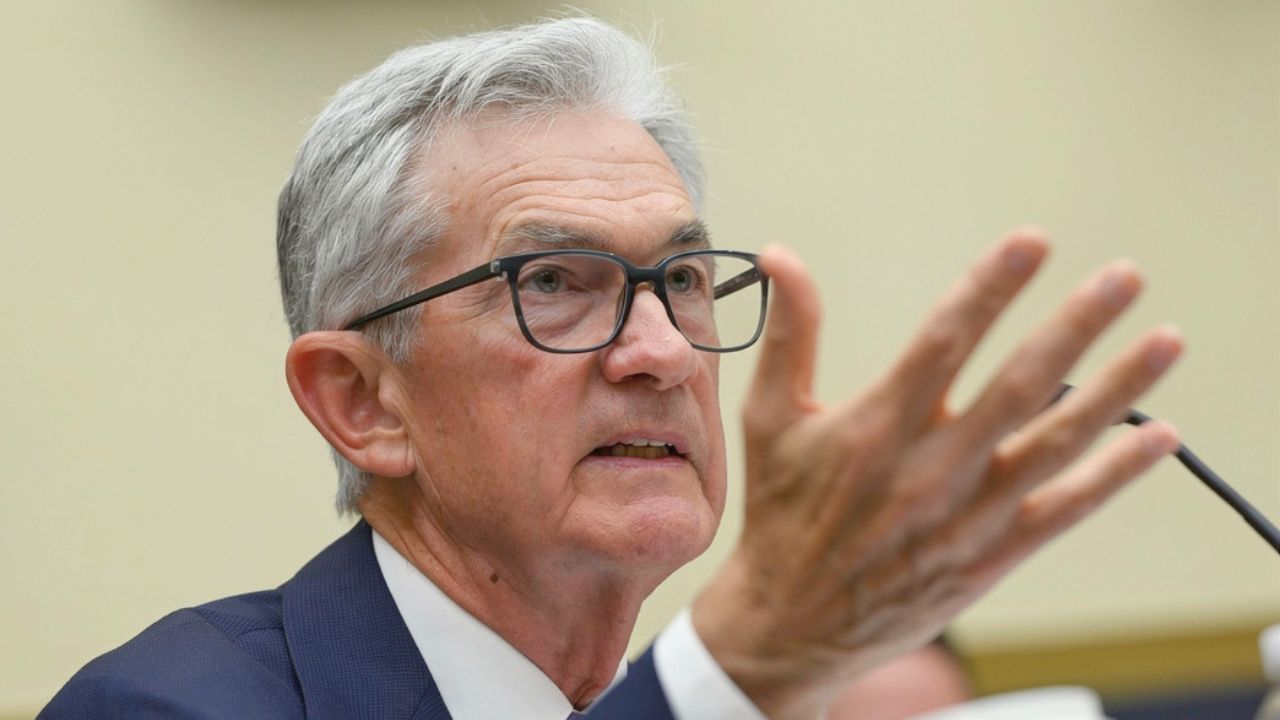
Federal Reserve Chair Jerome Powell signaled Monday that the central bank is not rushing into its next move, even as rising oil prices and global instability are starting to complicate the inflation outlook again. Speaking at a Harvard event, Powell said the Fed is in a position to “wait and see” how the ongoing war involving Iran affects both inflation and economic growth, a shift toward caution as policymakers weigh risks on multiple fronts. The comments come as energy markets remain volatile and investors look for any sign of how the Fed plans to respond if price pressures pick up again.
The challenge is that the situation is pulling the economy in two directions at once. Higher oil and gas prices tend to push inflation up, but geopolitical instability and rising costs can also slow growth. Powell acknowledged that tension, describing it as a balancing act between supporting the economy and preventing inflation from becoming more persistent. Reuters reported that the Fed’s benchmark interest rate is currently in the 3.50% to 3.75% range, and expectations for additional rate hikes have eased in recent weeks as uncertainty has grown.
Energy is the biggest wildcard right now. With crude prices climbing and supply routes under pressure, economists are watching closely to see how quickly higher fuel costs feed into everyday expenses. Gas prices, transportation costs and even food prices can all move in response to sustained increases in oil. That is part of what makes the Fed’s position more complicated than it was just a few months ago, when inflation appeared to be cooling more steadily.
Markets reacted cautiously to Powell’s remarks, with investors interpreting the “wait and see” approach as a signal that the Fed does not want to overcorrect too quickly. According to Reuters, policymakers are increasingly focused on avoiding a scenario where aggressive rate hikes collide with a slowing economy, especially if global conditions continue to deteriorate. That has led to a more measured tone from the central bank, even as external pressures build.
At the same time, the risk has not gone away. If energy prices remain elevated or climb further, inflation could regain momentum, forcing the Fed to act more aggressively later. That is the scenario many analysts are now watching, particularly if the conflict in the Middle East drags on or expands. The longer oil stays high, the harder it becomes for the Fed to maintain its current posture without adjusting policy.
For now, Powell’s message is one of patience, but not complacency. The Fed is watching the data, watching the markets and watching the broader global picture before making its next move. With so many variables still in play, the central bank appears to be choosing flexibility over certainty, even as the risk of a new inflation wave starts to creep back into the conversation.