“No Kings” protests hit thousands of U.S. cities as opposition to Trump grows
Photo credit: Christopher Penler/Shutterstock.com
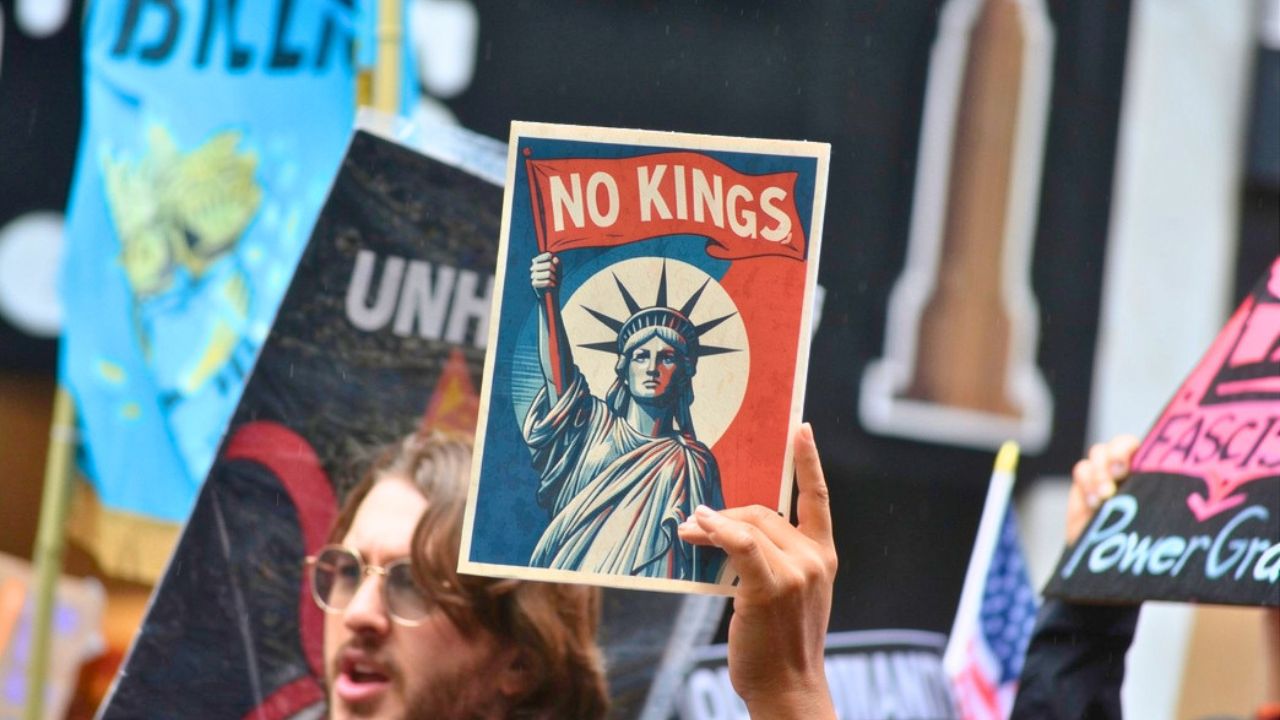
Demonstrators poured into streets across the United States over the weekend for the latest round of “No Kings” protests, with organizers staging more than 3,100 events in all 50 states to protest President Donald Trump’s policies on immigration, the war in Iran and what many participants described as increasingly authoritarian behavior from the White House. Reuters reported the March 28 demonstrations were the third wave of “No Kings” rallies and drew especially large crowds in cities including New York, Philadelphia, Dallas and Washington.
The scale of the protests was one of the biggest parts of the story. Reuters said the movement organized more than 3,200 events nationwide, while the Associated Press separately reported more than 3,100 rallies across all 50 states and several countries. The demonstrations were largely peaceful, though both outlets noted isolated clashes and arrests in a handful of cities.
In Los Angeles, police arrested dozens of people after a dispersal order near a federal detention center was ignored. The Associated Press reported that officers used tear gas after some protesters threw rocks and chunks of concrete, and that 74 people were arrested, including eight juveniles. AP said two officers were injured.
Elsewhere, the rallies drew notable public figures and highlighted how broad the coalition has become. Reuters reported that actor Robert De Niro, Minnesota Governor Tim Walz and Senator Bernie Sanders were among the prominent names who spoke at various events. The protests were organized by the group Indivisible, which framed the demonstrations as a rejection of presidential overreach and a warning against the country drifting toward a more king-like model of executive power.
The political backdrop matters here. Reuters reported that the protests were fueled not only by anger over immigration enforcement and the Iran conflict, but also by a drop in Trump’s approval rating to 36%. That gave the rallies a second purpose beyond public pressure in the moment: organizers were also treating them as a show of force ahead of the midterm elections.
For now, the clearest takeaway is how widespread the movement has become. What started as a resistance slogan turned into a nationwide weekend of coordinated protests stretching from major blue cities to smaller communities in conservative states. Even with some arrests and scattered confrontations, the overall picture was one of massive turnout, broad opposition and a protest movement that is clearly not fading quietly.