HOA Keeps Fining Homeowner Over a Hidden Vine Someone May Be Trespassing to Report
Photo credit: IDAS DASUKI/Shutterstock.com
The whole fight is over one vine.
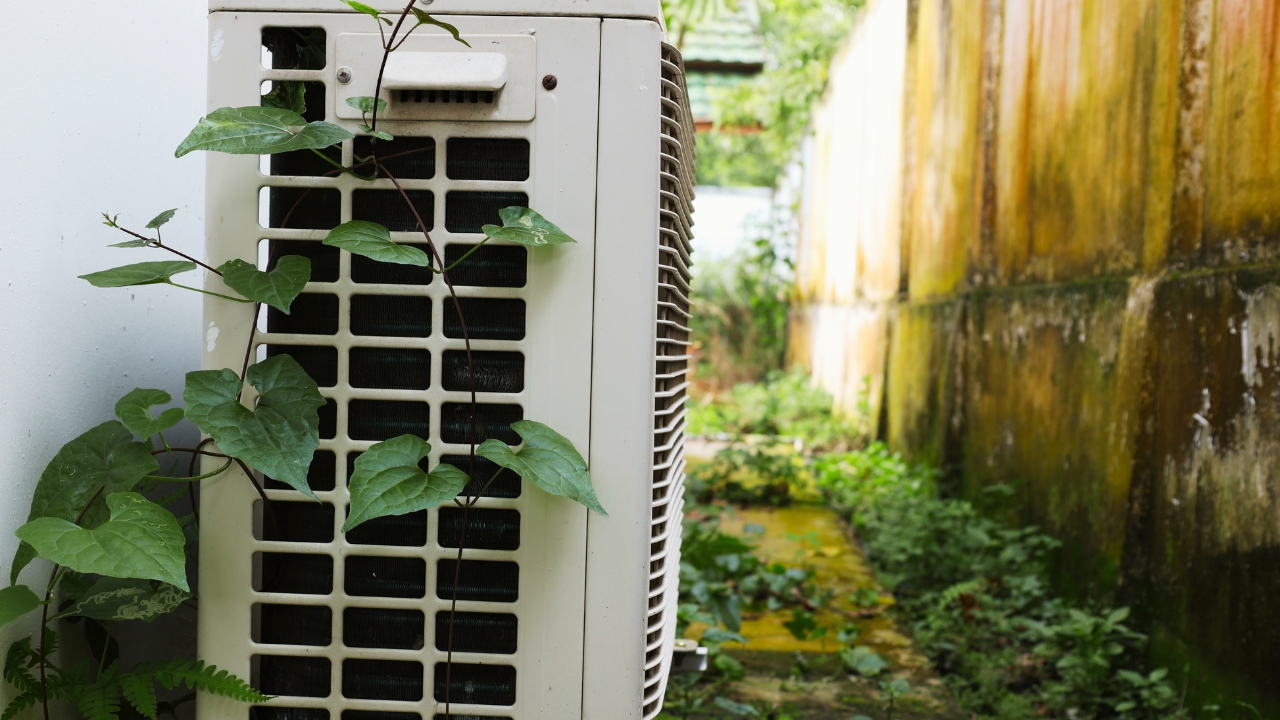
Not a front yard full of weeds. Not a broken-down car in the driveway. Not a pile of junk visible from the street. One vine growing between two air conditioner condensers, tucked into a tight side-yard space that the homeowner says cannot be seen unless someone steps onto private property.
In a Reddit post, the homeowner said their family had been reported to the HOA repeatedly over the past year because of an “overgrown” area in the yard.
According to the poster, that overgrown area is literally one vine plant.
They said it grows between two AC condensers, which block the view from the front and back of the house. On the side, the neighboring house sits close enough that it blocks the view from that direction too. The homeowner said there had been a time when the vine was plainly visible near the top of the condensers, but they had already cut it down and uprooted what they could.
They also said they were not ignoring it entirely. The vine was a problem for them too, because it could grow into the AC units and block airflow. So they had a reason to keep it under control besides avoiding HOA fines.
But the fines kept coming.
The homeowner said the HOA had continued to fine them occasionally, and each fine was around $250. The frustrating part was not only the amount. It was the question of how anyone was even seeing the vine.
At that point, the homeowner said the plant could not be seen from the street or alley. The only way to spot it, they believed, would be if someone walked between the homes and looked behind or around the condensers. That raised the possibility that a neighbor or HOA representative was stepping onto their family’s property, or possibly the next-door neighbor’s property, to look for violations.
That possibility changed the whole tone of the situation.
If the neighbor was reporting from their own property, the homeowner admitted there might not be much they could do. If the HOA rules allowed representatives to enter private property to inspect violations, that could also change things. But if someone was crossing onto property where they had no right to be, the homeowner wanted proof.
So they started talking about cameras.
The homeowner said they already had Wyze cameras and planned to set one up near the corner of the house, tucked behind the fascia board so it could catch whoever was coming around the side. They wanted to know whether someone was creeping into the tight side area just to report a hidden plant no one should be able to see from a public right-of-way.
They were clearly tired of feeling like someone was hunting for violations.
The homeowner also sounded frustrated because they believed the HOA fines were basically draining $250 at a time from their household over something that had already been addressed and could barely be seen. They joked that the property value dropped every time the HOA decided to fine them for a plant someone should not even be able to see.
Commenters asked why they did not simply remove the vine completely, and the homeowner said killing it aggressively could create another problem. If they poured boiling water or used other methods that left a dead patch of grass, they believed the HOA would just complain about that next.
That answer summed up how the homeowner saw the situation: even if they fixed one thing, the HOA or complaining neighbor would find another.
By the time the thread unfolded, the conflict was less about the vine itself and more about surveillance, boundaries, HOA authority, and whether a homeowner should have to worry about someone sneaking around their side yard looking for small violations.
A lot of commenters told the homeowner to get proof before doing anything else.
Some suggested security cameras, motion lights, and asking the HOA for photo evidence every single time they issued a fine. If the HOA provided pictures taken from a place where no one should have been standing, commenters said that could help the homeowner challenge the fines or raise a trespassing complaint.
Several people told the homeowner to check the bylaws and CC&Rs closely. Some HOAs give board members or agents the right to access certain parts of the property for inspections, while others do not. Commenters said the homeowner needed to know that before assuming the person was trespassing.
Others suggested “No Trespassing” signs, though a few people warned that HOA rules might ban yard signage and create a whole new violation. Some commenters said signs could still help remove any argument about implied permission, as long as they were allowed.
There were also plenty of petty suggestions, including motion-activated sprinklers, hidden signs, and intentionally making the reporting process annoying. But the more practical advice stayed focused on cameras, documentation, and disputing the fines.
Not everyone sided with the homeowner completely. A few commenters said the easiest answer was to kill the vine, add mulch or rocks around the condensers, and stop giving the HOA anything to report. Some argued that if the homeowner agreed to HOA rules when buying into the neighborhood, the vine issue was still their responsibility.
The homeowner pushed back on that point, saying the real issue was not whether the vine should be maintained. The issue was whether someone was stepping onto private property to search for a violation that was no longer visible from normal areas.
That’s where the fight stands: one vine, repeated $250 fines, and a homeowner setting up cameras to find out if someone has been sneaking around the side of the house to keep the complaints coming.