Homeowner Finds Termite Damage After Passing Inspection — Then Blown-In Insulation Exposes the Problem
Photo credit: Muh. Nasyeh/Shutterstock.com
A clean inspection can make a buyer feel like they dodged the big problems. No active termites. No obvious damage. No scary notes in the report. You move in, start settling down, and let yourself believe the house is in decent shape.
Then someone opens up the wrong spot, and suddenly the inspection does not feel quite as comforting.
That is what one homeowner described in a Reddit post on r/HomeImprovement after finding suspected termite damage more than a year after buying their house. The damage did not show up during the purchase process. It did not come from a swarm of bugs crawling across the floor or fresh mud tubes along the foundation. It showed up during an insulation project, when the crew brought down rotted pieces of wood that looked like they had been chewed up by termites. The original Reddit post is here: https://www.reddit.com/r/HomeImprovement/comments/nceexj/finding_termite_damage_after_we_passed_inspection/
According to the homeowner, they bought the house a little over a year earlier. At the time, both the general home inspector and the termite inspector told them they found no evidence of termites. That would have reassured most buyers, especially because termite problems can turn into expensive structural repairs if they are active, widespread, or ignored for too long.
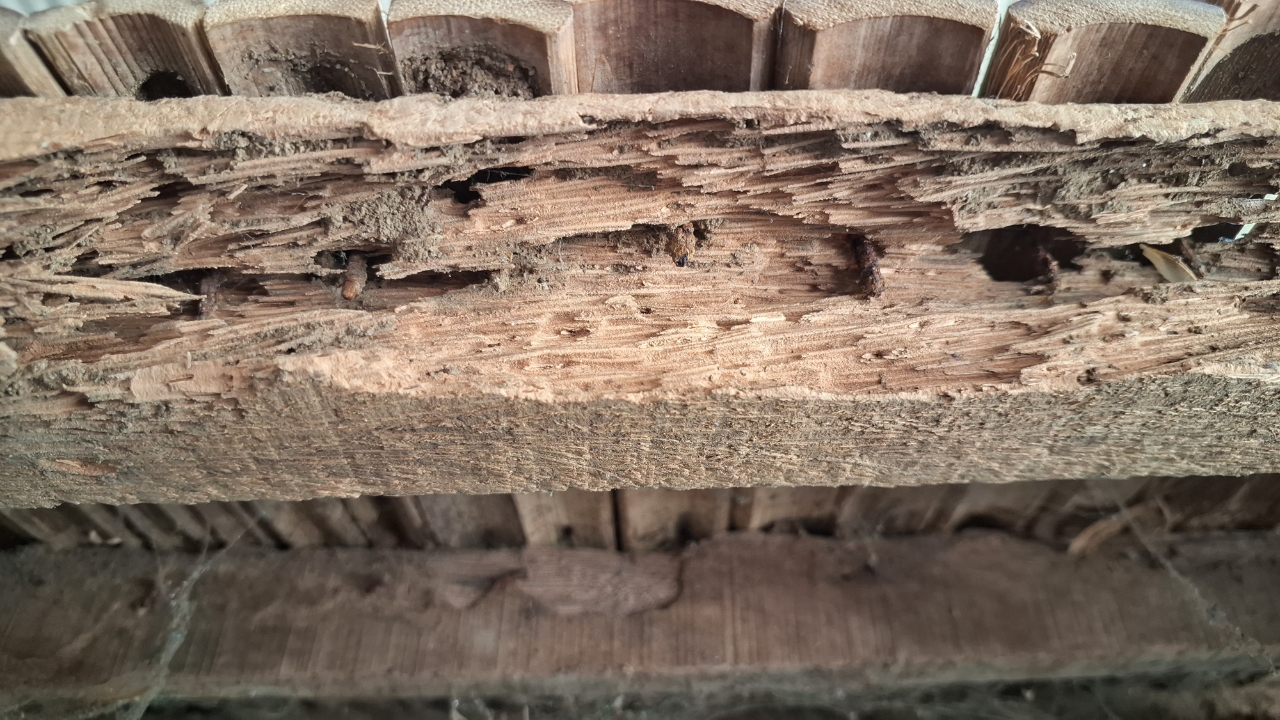
But during the insulation work, the crew found rotted 2x4s with what appeared to be termite damage. That is the kind of discovery that can stop a project cold. Insulation work is already messy enough, but seeing damaged wood come down from an area you thought was clear would make any homeowner wonder what else might be hidden.
The crew gave them a little bit of good news, at least at first. They reportedly said the damage did not appear to affect anything structural, and they did not think there was an active infestation. That matters because old termite damage and active termite activity are not the same problem. Old damage may still need repair, but active termites can mean the house needs treatment quickly before more wood is damaged.
Still, the homeowner was left with a lot of questions. What were the next steps? Should they call another termite company? Did they have any recourse with either inspector? Was this something the inspectors should have found, or was it hidden behind materials they were not expected to remove?
That last question became the center of the discussion. A lot of homeowners assume a termite inspection means the house has been fully cleared from top to bottom. In reality, most termite inspections are visual. Inspectors look for visible signs of activity or damage in areas they can access. They generally do not tear into walls, remove insulation, pull down ceilings, or uncover every piece of wood that might be hidden behind finished surfaces.
That is frustrating, but it is also why these situations get complicated after closing. The homeowner had no reason to think the inspectors missed anything obvious, but they also had damaged wood in hand. If the damage had been buried behind insulation, drywall, or other materials, it may not have been visible during the original inspections. If it was visible and significant at the time, that would feel very different.
The timing did not help either. The house had been purchased a little over a year before the discovery. That is a long enough gap for inspectors to argue that they reported what they saw at the time, not what might be uncovered later during a project. It also makes it harder for a homeowner to prove exactly what was visible during the inspection.
For a homeowner, though, that kind of technical distinction does not make the discovery feel any better. Termite damage has a way of making people imagine the worst. One rotted board can make you start wondering about every wall, sill plate, floor joist, and hidden corner. Even if the crew says it does not look structural, most people would still want a professional pest inspection and a clear plan.
The homeowner was not dealing with a confirmed disaster yet, but they were dealing with the kind of surprise that changes how you look at a house. A project that started as adding insulation suddenly raised questions about pests, wood damage, old inspection reports, and whether the house had been quietly hiding a problem the whole time.
Commenters mostly focused on the limits of inspections. Several users pointed out that termite inspections are usually based on visible evidence only. If drywall, insulation, flooring, or other materials were covering the damaged wood, the inspector likely would not have removed those materials to search behind them.
Others said the homeowner should call the termite inspector and explain what had been found, especially if the damaged area may have been accessible or visible during the original inspection. A few commenters said any possible recourse would depend on whether the damage could reasonably have been seen at the time and what the inspection agreement actually promised.
Some users told the homeowner not to panic if the damage was old and there was no active infestation. Their advice was to get a current termite inspection, confirm whether treatment was needed, and repair any damaged wood based on whether it affected structure or safety.
A few commenters also shared their own inspection regrets, including major problems missed after buying older homes. The general theme was blunt but useful: an inspection can lower your risk, but it does not guarantee there is nothing hiding behind walls, insulation, or finished surfaces.