Rural Property Owner Gets a Last-Minute Sewer Text — Then the Neighbor Wants to Dig Through Their Land on Monday
Photo credit: fizkes/Shutterstock.com
A neighbor asking to borrow a tool is one thing. A neighbor asking to dig a sewer line through your property with almost no notice is a whole different level of “wait, what exactly is happening here?”
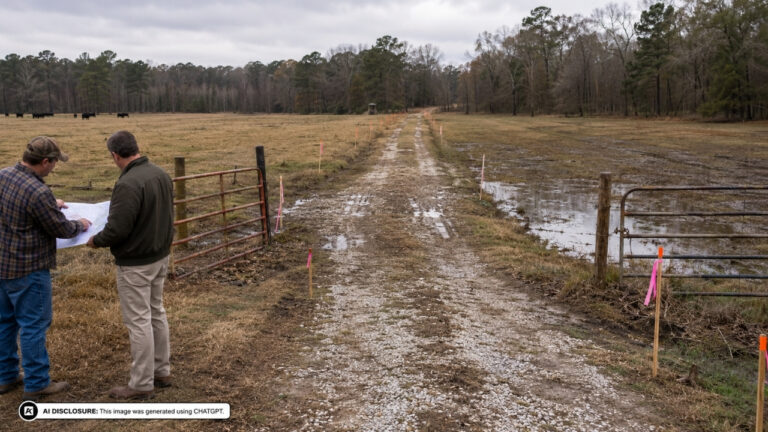
That is the situation one rural property owner described after getting a sudden text from a neighbor about connecting to a public utility district sewer line. The neighbor apparently needed access across the property, and the timing made the whole thing feel rushed. The property owner shared the situation in a Reddit post on r/legaladvice, asking whether an easement was needed before the neighbor could connect through their land. The original Reddit post is here: https://www.reddit.com/r/legaladvice/comments/1e2jfkk/easement_needed_for_neighbors_connection_to_pud/
According to the post, the property owner received a text on a Friday saying the neighbor’s contractor wanted to start digging on Monday. That alone would make most landowners uncomfortable. Digging a trench through someone’s property is not a quick favor. It can affect grass, soil, drainage, access, trees, fences, underground utilities, future building plans, and the property’s legal rights going forward.
The neighbor wanted to connect to the public sewer line, and the route apparently involved crossing the poster’s land. The owner was not necessarily trying to be difficult, but they had serious questions. If a sewer connection was going across their property, did the neighbor need a formal easement? Who would be responsible if something broke later? What if the line needed repair in 10 years? Could the neighbor or utility company come back and dig again? Would this affect resale or the owner’s ability to use that part of the land?
Those are not small questions. A buried sewer line is not like a temporary construction mat or a truck turning around in a driveway. Once that pipe is underground, the issue can stay with the property. If there is no written agreement, future owners may end up fighting over who has access, who pays for repairs, and whether the line was ever legally allowed there in the first place.
The last-minute timing made the property owner even more cautious. A Friday text for Monday excavation leaves almost no room to review documents, talk to the utility district, check the survey, call an attorney, mark existing utilities, or understand the contractor’s plan. It puts pressure on the landowner to say yes quickly so they do not feel like the bad neighbor holding up the job.
But this is exactly the kind of thing landowners should not rush. Once equipment shows up and the ground is open, the leverage changes. It becomes much harder to ask basic questions when the contractor is already standing there ready to dig and the neighbor is acting like permission was a formality.
The property owner needed to know whether this was already covered by an existing easement. Sometimes rural properties have utility easements that allow certain lines to cross part of the land. Sometimes a public utility district has rights along a road, ditch, or boundary. Other times, a neighbor may simply assume the shortest route is acceptable because it is convenient.
Those are very different situations. If an easement already exists and allows sewer connections, the landowner may have less say over the work. If there is no easement, the neighbor likely cannot just decide to install a sewer line across someone else’s land. Convenience does not create a property right by itself.
The landowner also had to think beyond the trench. What condition would the property be left in afterward? Would the contractor restore the soil, grass, driveway, fence, or landscaping? Would compaction or grading changes create drainage issues? Would heavy equipment damage anything? Would the line location be surveyed and recorded? Would the owner receive compensation for granting a permanent right across their land?
Those details matter because sewer lines can require future access. If the neighbor’s line clogs, collapses, leaks, or needs replacement, someone may need to dig again. Without a written agreement, that future repair can become the next fight.
There is also a title issue. A properly recorded easement puts future buyers on notice that a line crosses the property and explains the rights attached to it. An informal handshake agreement may keep the peace for a while, but it can create a mess later when the property sells, the neighbor moves, or a new owner discovers a sewer pipe that was never documented.
For a rural property owner, the lesson is pretty clear: do not let urgency replace paperwork. A neighbor’s contractor schedule is not a good reason to give permanent access rights without understanding what those rights are. Being friendly is fine. Being rushed into an underground utility agreement is not.
By the time the owner posted, they were trying to figure out the right move before Monday arrived. The safest answer was not a flat yes or an angry no. It was to pause the work until the easement, utility permissions, contractor plans, restoration terms, and legal responsibilities were clear.
Commenters urged the property owner not to allow digging until the paperwork was sorted out. Several said a sewer line crossing private property generally needs a proper easement or some other recorded legal right, especially if the neighbor expects permanent access.
A number of users told the owner to contact the public utility district directly instead of relying on the neighbor’s explanation. The utility district could confirm whether any existing easement covered the property, whether the connection was approved, and what route was actually required.
Others suggested calling a real estate attorney before Monday. Commenters said any agreement should be written, reviewed, and recorded, with clear terms about location, access, maintenance, future repairs, liability, restoration, and compensation if appropriate.
Several people also warned the landowner to have all underground utilities marked before anyone dug, even if the neighbor’s contractor said they had it handled. The practical advice was simple: no digging based on a weekend text. If the line belongs there, the neighbor should be able to prove it. If the line needs permission, the owner should not give it without written protection.