Neighbor’s Runoff Starts Flooding the Yard After a DIY Drainage Project — Then the Homeowner Realizes the Slope Was Changed
Photo credit: Fix It Homestead
A yard can handle only so much water before it starts telling on the problem.
At first, one homeowner may have thought the extra water was just bad weather. A heavy rain, soft ground, muddy grass, and puddles that took too long to dry can all seem like normal homeowner headaches.
But then the pattern became harder to ignore.
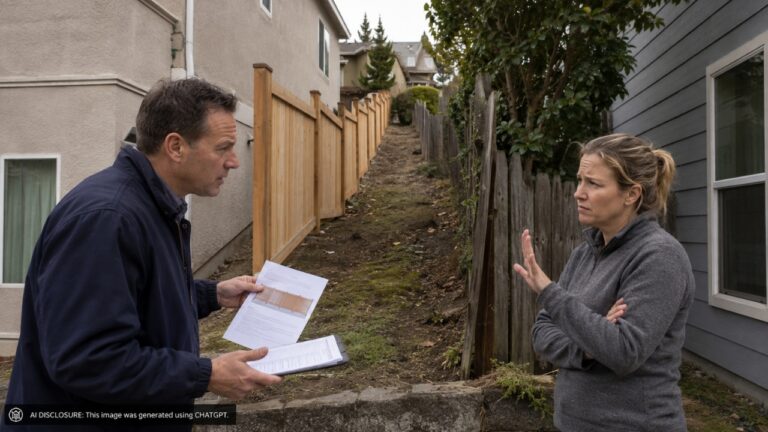
After the neighbor completed a DIY drainage project, water started moving differently. The homeowner’s yard began flooding in a way it had not before. And once they looked closer, the issue started to make more sense.
The neighbor had changed the slope.
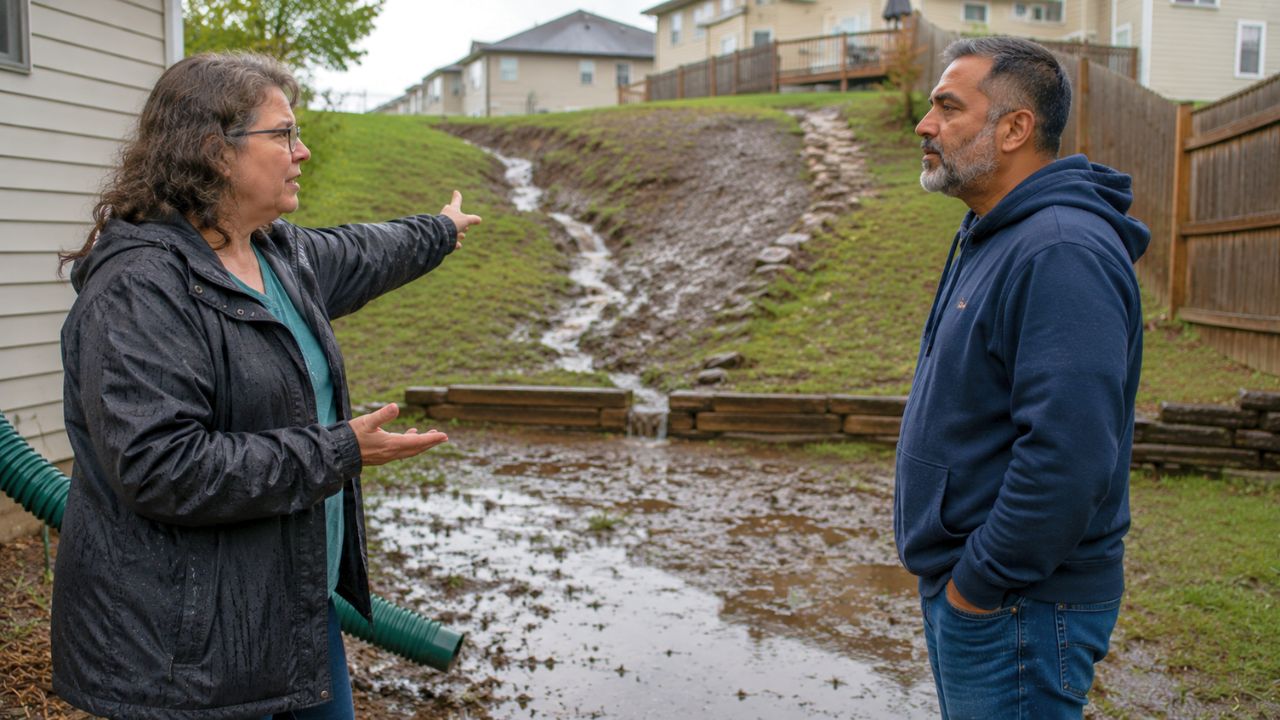
Now the runoff that used to stay elsewhere appeared to be headed straight into the homeowner’s yard.
The water problem did not feel natural anymore
Every yard has its low spots, and most homeowners eventually learn where rain likes to collect.
Maybe one corner stays soggy. Maybe the back fence line gets muddy. Maybe water sits near the driveway after a storm and disappears the next day.
But this situation felt different because the flooding appeared after the neighbor changed something.
That timing mattered.
If a yard has always drained a certain way and suddenly floods after next door does grading work, adds dirt, installs drains, builds a patio, or changes the landscape, it is reasonable for the homeowner to ask whether the project redirected water onto their property.
The problem was not simply that rain fell.
The problem was that someone else’s project may have concentrated the runoff and sent it across the line.
DIY drainage can create a new mess
Drainage work sounds simple until it is not.
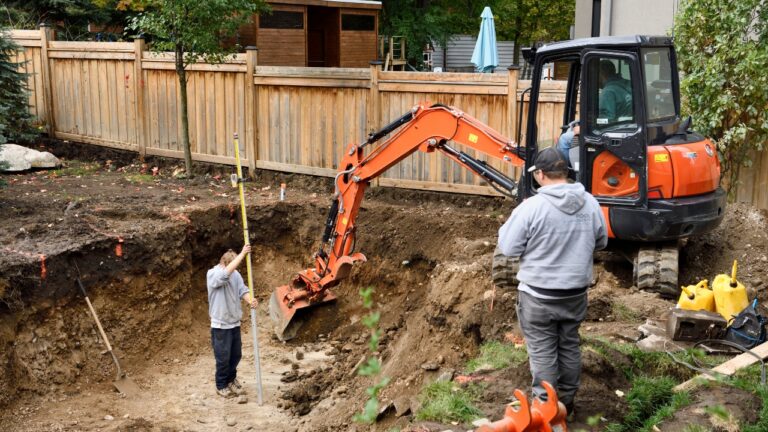
A neighbor may think they are fixing their own wet yard by digging a trench, adding a pipe, building up soil, installing a French drain, regrading a slope, or moving water away from their foundation.
But water does not disappear just because it leaves one property.
It has to go somewhere.
If the project is planned badly, the neighbor can solve their problem by creating a new one for the person next door.
That is what made the homeowner’s situation so frustrating. The neighbor may have been proud of the improvement. Their own yard may have looked better. Their foundation may have stayed drier.
But the homeowner was now dealing with the water that had been pushed away.
The changed slope made the dispute harder to brush off
A little extra rainwater naturally flowing downhill can be one thing.
A neighbor changing the grade so water drains toward another property can be another.
That difference matters because it can shift the conversation from “that is just how the land drains” to “your project altered the flow.”
For the homeowner, the slope was the key detail.
If the neighbor added soil, built up one section, lowered another, or created a path that directed runoff toward the property line, the flooding was not just bad luck. It may have been the result of an intentional change, even if the neighbor did not intend to cause damage.
And whether the neighbor meant to cause the problem or not, the homeowner was the one standing in the wet yard.
The damage could go beyond muddy grass
Flooding in the yard may start as an inconvenience, but it can become expensive quickly.
Standing water can kill grass, erode soil, wash out mulch, damage fencing, create mosquito problems, and ruin landscaping. If it reaches a shed, garage, crawlspace, basement, or foundation, the repair concerns get much bigger.
That is why homeowners tend to react strongly to drainage changes.
A soggy yard is annoying.
Water near the house is frightening.
The homeowner likely had to think about whether the new runoff could eventually affect the foundation, seep under the home, or make parts of the yard unusable during rainy seasons.
And if the neighbor refused to acknowledge the problem, every storm would feel like a new round of damage.
Commenters focused on proof during storms
When drainage disputes come up, people usually tell homeowners to gather proof while the water is actually moving.
Photos after the fact help, but videos during rainfall can be stronger. They can show where the water starts, how it flows, whether it is coming from a pipe or graded area, and how it enters the yard.
Dates, rainfall amounts, before-and-after photos, and any evidence of the neighbor’s project may also matter.
Commenters often recommend checking local drainage ordinances, stormwater rules, or code enforcement options. In some places, homeowners are not allowed to redirect concentrated runoff onto a neighboring property.
They also usually warn against retaliating with another DIY fix that sends the water somewhere else. That can turn one drainage problem into a chain reaction of neighbor disputes.
The homeowner needed a fix, not a fight
The best outcome would be simple: the neighbor redirects the runoff properly.
That might mean adding drainage on their own property, changing the slope, extending a pipe to an approved outlet, installing a swale, using a dry well, or hiring a drainage professional who understands where the water is allowed to go.
But getting there requires the neighbor to admit their project caused or contributed to the problem.
That can be the hardest part.
Nobody wants to spend money redoing work they just finished. Nobody wants to hear that their home improvement project damaged someone else’s yard. And once pride gets involved, drainage problems can become surprisingly personal.
The real issue was that one yard got fixed at another yard’s expense
What made the situation so aggravating was the tradeoff.
The neighbor may have made their property drier, cleaner, and easier to use. But if the water was simply redirected into the homeowner’s yard, then the project did not solve the drainage problem.
It moved it.
And the homeowner was left paying the price in mud, flooding, and worry every time it rained.
A changed slope may not sound dramatic from the street. But when it sends runoff across the property line, it can turn a quiet neighbor relationship into a standing-water standoff.
Because no homeowner wants to find out their yard became the drainage solution for someone else’s DIY project.
Like Fix It Homestead’s content? Be sure to follow us.