Homeowner Finds a Fence Was Built Around Part of Their Lot — Then the Neighbor Says They Have Been Using It for Years
Photo credit: Fix it homestead
A fence can make land feel settled.
It tells people where to mow, where to plant, where the dog can run, and where one yard ends and the next begins. Most homeowners look at an existing fence and assume it was placed there for a reason.
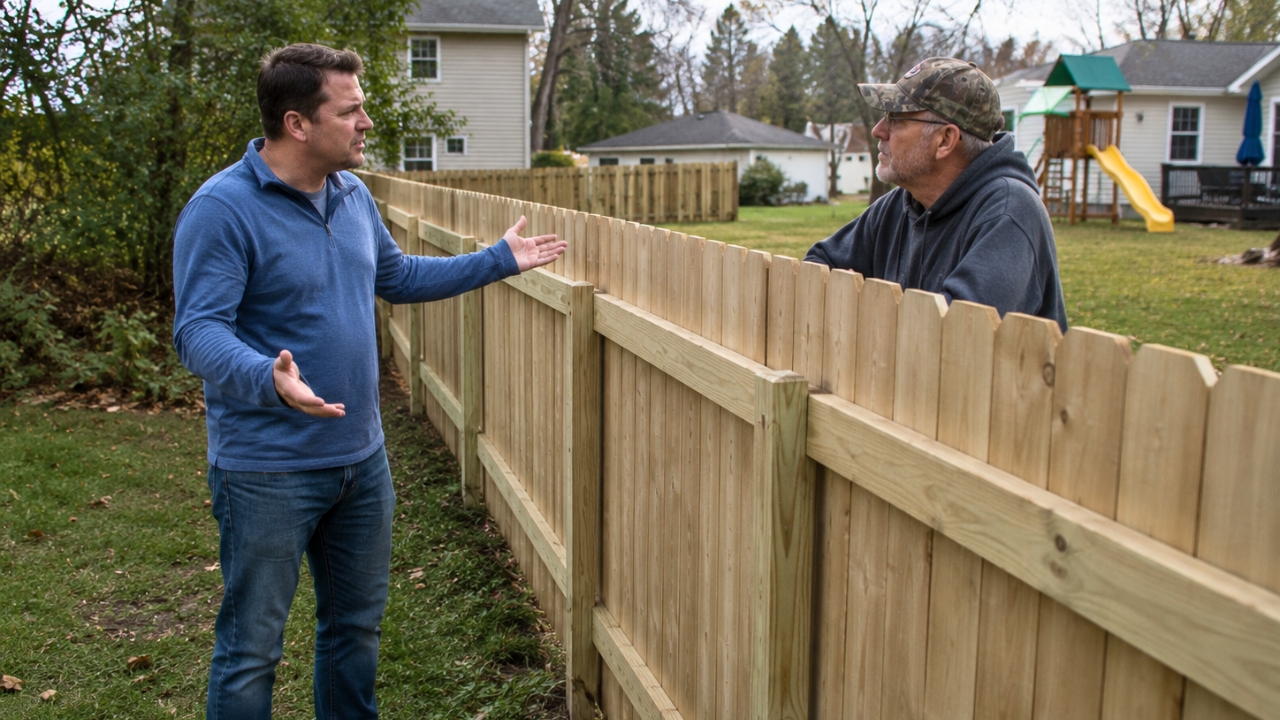
But one homeowner discovered that a fence had done more than mark a boundary.
It had been built around part of their lot.
That meant a section of land they owned appeared to be sitting on the neighbor’s side of the fence. And when the homeowner raised the issue, the neighbor’s response made the situation even more frustrating.
They had been using it for years.
The fence made the wrong line look official
That is the dangerous thing about fences.
Once they are built, people start treating them like the truth.
A neighbor mows up to it. A garden gets planted. A shed gets placed nearby. Kids play inside the fenced area. Dogs run there. Years pass, and the fence becomes part of everyone’s mental map of the property.
But a fence is not always the legal boundary.
Sometimes it was installed by someone who guessed. Sometimes it was built for convenience rather than accuracy. Sometimes a previous owner intentionally placed it inside their own line to avoid a dispute. Sometimes the installer followed an old tree row, ditch, or mowing pattern that had nothing to do with the deed.
For the homeowner, that meant the visible boundary may have been quietly wrong for years.
The neighbor’s use became part of the problem
The neighbor did not deny using the fenced-in area.
Instead, they reportedly pointed out that they had been using it for years, as if that settled the issue.
But to the homeowner, that argument did not make the problem disappear.
It made it worse.
The fact that the neighbor had been using the land for years was exactly why the homeowner needed to act. If they ignored it, the neighbor might continue treating that section as theirs. Future buyers might assume the fence was correct. The mistake could become harder to unwind.
A few feet of land may not sound dramatic until it is fenced into someone else’s yard and used as if the actual owner has no say.
The homeowner had to figure out how much land was involved
A fence mistake can range from annoying to serious depending on the size and location of the encroachment.
If it is only a small corner, the homeowner may still care because property lines matter. But if the fence encloses a long strip, a side yard, access path, garden area, or usable section of the lot, the issue can affect the property’s value and function.
The homeowner may not be able to build where they planned. They may lose space for a driveway, shed, garden, animals, fence replacement, or future addition. They may also have a harder time selling if the survey does not match the fence.
That is why the discovery could not be treated like a petty argument.
The fence had changed how the property was being used.
“We have used it for years” is not the same as “we own it”
The neighbor’s statement may have been meant to pressure the homeowner.
If someone has used a space for years, they may feel attached to it. They may believe they have earned a right to keep using it. They may even think the homeowner is being unfair by trying to reclaim land that has long been on their side of the fence.
But ownership is not decided by comfort.
The actual legal answer may depend on surveys, deeds, local law, and how the land was used. In some places, long-term use can create complicated claims if certain conditions are met. In other cases, the neighbor has no right at all.
Either way, the homeowner needed to stop relying on assumptions and get the facts in writing.
The survey became the most important document
Once the homeowner suspected the fence was wrong, the survey mattered more than anyone’s memory.
A current survey could show where the boundary actually sat, how far the fence crossed into the lot, and whether any structures or landscaping were also affected.
That gave the homeowner a stronger basis for the next conversation.
Instead of arguing over where the neighbor thought the line was, the homeowner could point to the recorded boundary and ask how the encroachment would be fixed.
That might mean moving the fence, creating a written agreement, selling a small strip of land, or getting legal help if the neighbor refused.
But doing nothing would likely be the riskiest option.
Commenters focused on acting before the mistake hardens
When homeowners discover a fence around part of their lot, people often warn them not to wait.
Even if they do not want a fight, they need to make it clear that they do not consent to the neighbor using that land as their own. That usually means documenting the survey, taking photos, and communicating in writing.
Commenters also tend to warn against casually saying the neighbor can keep using the land “for now” without understanding the consequences. What feels like kindness can become confusion later.
If the homeowner wants to allow temporary use, they may need an attorney to make sure it is documented as permission, not a permanent surrender of rights.
The real issue was losing land behind a fence
The most frustrating part was how quietly the problem had developed.
The homeowner did not wake up one day to find a neighbor pouring concrete or building a new shed. The fence was already there, making the wrong arrangement look normal.
But once the homeowner realized part of their lot was on the other side, the fence stopped looking harmless.
It looked like a physical claim.
And when the neighbor said they had been using the area for years, the homeowner had to decide whether to keep allowing that use or finally make the fence match the property line.
Because a fence can be wrong for a long time.
But once the owner knows it is wrong, ignoring it can make the next fight even harder.
Like Fix It Homestead’s content? Be sure to follow us.