New Rural Landowner Finds a Pipeline Company Claiming an Easement Through the Property That Was Never Disclosed at Closing — Then the Company Says the Work Is Going Forward Regardless
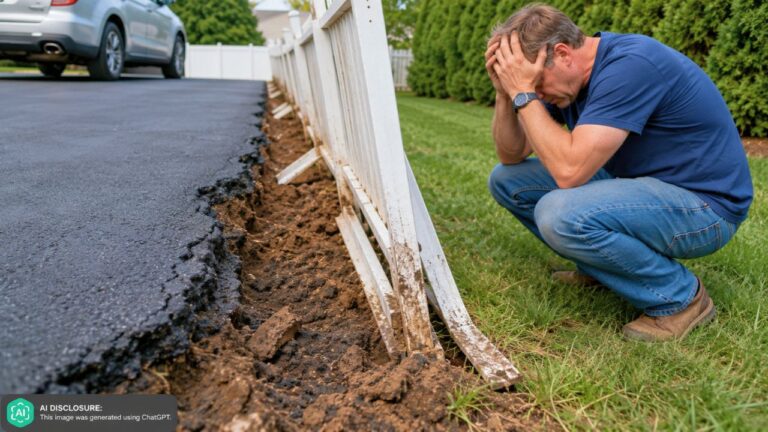
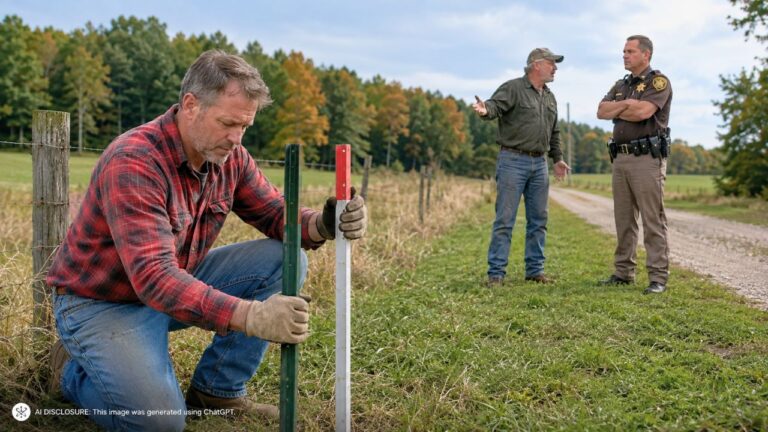
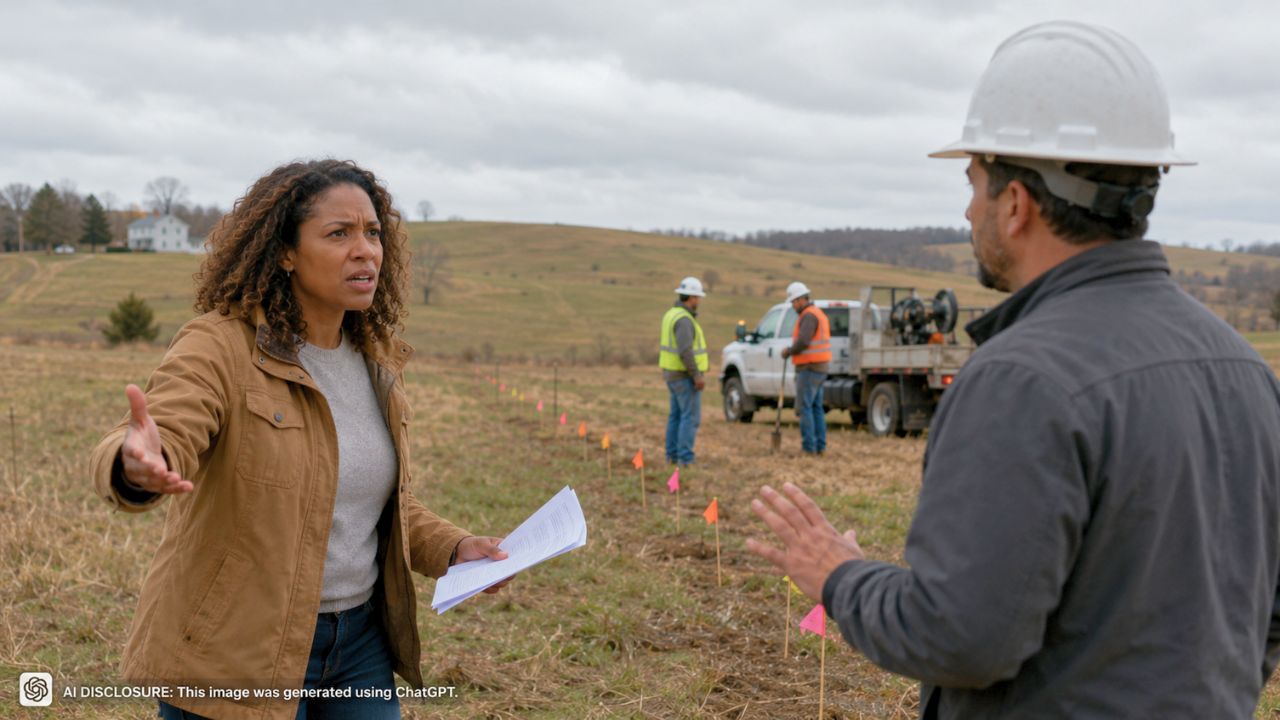
Photo credit: AI-generated image created using ChatGPT. Illustrative only.
The phone call didn’t sound like a big deal at first: a utility company wanted to talk about running natural gas to a neighboring house. But for one rural homeowner, that simple ask quickly turned into the kind of property headache that makes you stare out at your mowed field and wonder what else you don’t know about your own land.
In the original post, the landowner explained that the neighbor’s home is in a “weird setup”—technically landlocked, with a third party owning the strip of land between the house and the road. The neighbor doesn’t currently have natural gas service, and when the third party refused to allow access, the gas company called the poster instead.
A landlocked neighbor and a utility looking for the easiest path
This isn’t the classic subdivision drama with fences and HOA rules. It’s rural geometry: parcels that don’t line up neatly, long-used routes that were never formalized, and one stubborn “front” owner who holds all the cards when it comes to reaching the road.
According to the homeowner, the neighbor’s place has no legal access to the road. That detail matters, because utilities typically want to install service lines in the most direct route from the main line—often along frontage near a public road—then cross onto the served property. When the obvious route is blocked by an unwilling landowner, the company starts looking sideways.
That’s how the call ended up landing with the homeowner who does have accessible land. The gas company wasn’t asking about a minor tweak. They were asking for a new easement across private property so the neighbor can get gas.
The “we don’t use it” part of the yard is still your liability
The poster sounded open to the idea. The spot in question is part of their property “we don’t really use other than mowing it.” If you’ve ever owned acreage, you know that kind of area: the stretch you keep neat because it’s visible, but it’s not where your kids play or where your garden beds are.
That’s exactly why utility requests feel deceptively easy. The land looks empty, and it might even feel neighborly to say yes. But an easement is not the same thing as letting someone cut across once with a truck.
Even if the company does clean work, the right they’re requesting can outlast your ownership and follow the property through future sales. It can affect where you put fences, sheds, a future driveway, a drain line, or even where you plant trees you hope will be there in 20 years.
“Do they just dig it up and leave?” is the real question
At the heart of the homeowner’s post were practical questions, not courtroom talk. If they agree, what actually happens next? Can they ask for money? Does the company show up, trench a line, and disappear—leaving the landowner with ruts and reseeding?
Those are the right questions, because the process is where people get burned. It’s not always the pipe itself that causes trouble; it’s the access rights, the restoration promises, and the mismatch between what a homeowner imagines and what a utility’s contractor considers “good enough.”
In rural installs, “temporary” access for equipment can mean wide turns and heavy vehicles, especially if the ground is wet. Trenching can change drainage patterns. A “simple” path that seems like a straight shot can become a staging area for spoil piles and materials if the crew needs room to work.
And once an easement is recorded, the company typically retains the right to come back for maintenance. That can mean notice, but it can also mean you wake up one morning to flags, paint marks, and a door hanger.
Why it feels like it wasn’t disclosed—even when it’s “new”
The homeowner framed it as something they’d never dealt with before, which is common with first-time rural landowners. On open land, you can live for years without needing to think about easements unless you’re building, selling, or suddenly caught in the middle of someone else’s access problem.
This is also where the tension spikes in real life: you buy property thinking you understand your boundaries and rights, then someone calls asserting a right-of-way need, acting like it’s routine, and talking timelines as if your signature is a formality.
In this case, the post describes a “new easement” request tied to the neighbor’s lack of access and lack of gas service. That’s different from discovering an old, recorded easement you never saw at closing—but it can feel just as jarring. The homeowner is being pulled into a problem that existed before they were ever involved.
The uncomfortable part is that the neighbor’s issue isn’t minor. Without legal road access, everything becomes complicated: utilities, deliveries, emergency services, refinancing, and resale. A gas line may be just the first domino.
What readers tended to focus on: paperwork, restoration, and leverage
Even without a long comment thread included in the source material, the direction of reader thinking is easy to predict because these stories always land in the same place: “Get it in writing.” “Don’t do favors on a handshake.” “If you agree, you negotiate.”
The homeowner specifically asked if they can ask for money. That’s usually where experienced property owners lean in. Not necessarily to squeeze anyone, but because an easement is a real property right. If a utility wants a permanent right across your land, it’s normal to ask what you’re getting in exchange—especially if it reduces your future options or creates long-term inconvenience.
And “they dig it up, do what they do and leave” isn’t a plan. If you’re going to allow the work, people tend to push for details like how wide the easement is, whether it’s permanent, whether there are restrictions on building or planting, what restoration is promised (topsoil, seed, erosion control), and who pays if the ground settles later.
There’s also the neighbor dynamic. If you say yes, you may help them solve a huge problem. If you say no, you may become the next “front” landowner who “won’t allow an easement,” even though you didn’t create the landlocked setup in the first place.
The part that sticks: you can be helpful and still protect your land
The homeowner didn’t sound hostile. If anything, they sounded like most practical rural owners: if it’s not going to mess up the place and it helps someone, why not?
But rural properties have long memories. A line in the ground becomes a map note. A map note becomes a restriction. And once the corridor is established, you may be dealing with it every time you improve that side of the lot—whether you’re still “just mowing” or you decide five years from now that it’s the perfect spot for a workshop.
The call from the gas company forced a decision that feels bigger than the strip of grass it would cross. It’s about control of your own land, the ripple effects of a neighbor’s landlocked status, and what “small” utility work can turn into once the flags go in and the schedule is set. The hardest part is that being a good neighbor doesn’t require giving up your leverage—you can say yes, but only on terms that leave your property looking and functioning the way it did before the first shovel hits.