New Homeowner Finds the Neighbor’s Water Line Running Two Hundred Feet Through the Backyard With No Easement on File — Then the Neighbor Says Cutting It Off Would Be “Cruel”
Photo credit: AI-generated image created using ChatGPT. Illustrative only.
Buying a freshly subdivided piece of land is supposed to feel like a clean slate. New boundaries, new plans, and no old baggage. But one new owner found out fast that the past doesn’t always stay on the other side of the line—especially when a utility line is involved.
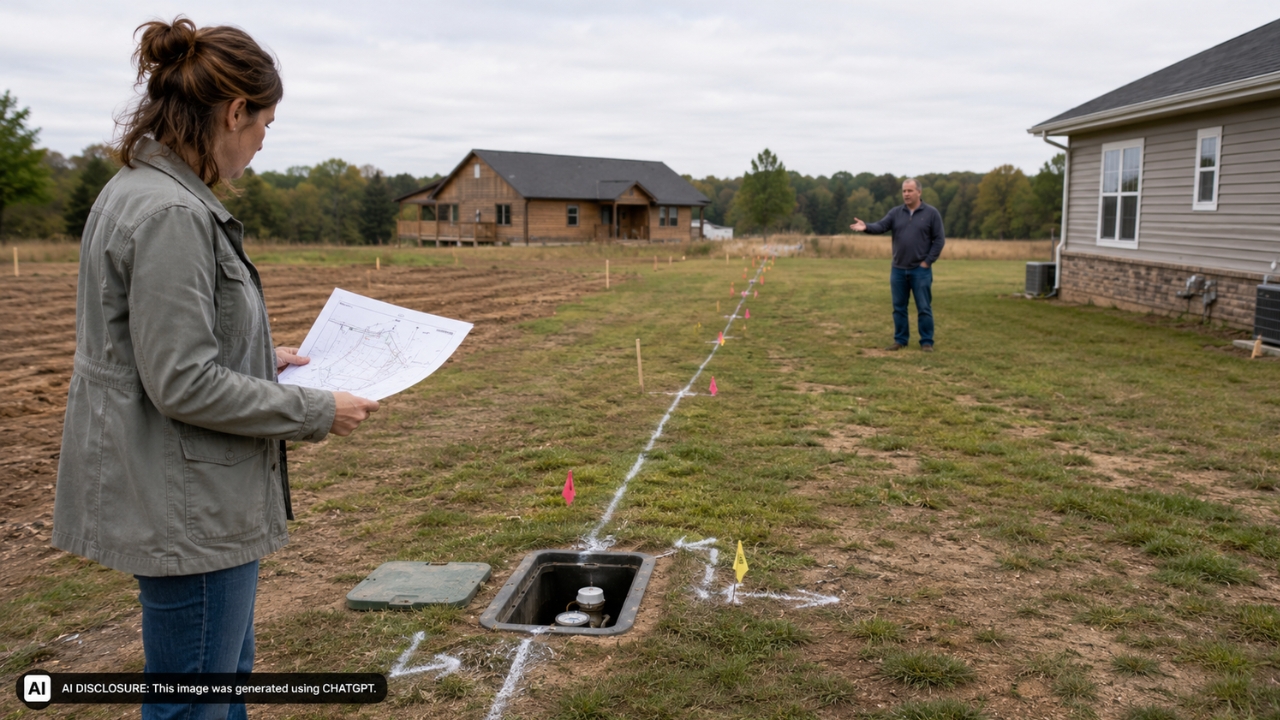
After closing, the homeowner realized the neighbor’s water line didn’t just graze the edge of the property. It ran through what is now the new owner’s backyard, and not just a little: the neighbor’s water meter and a significant stretch of the line were sitting on the new owner’s land. The details were shared in the original post, and it reads like the kind of surprise nobody budgets for.
A backyard that came with someone else’s plumbing
The land had been subdivided from the neighbor’s original parcel, which is where the trouble started. At some point—before the split—someone set up the neighbor’s water service in a way that made sense on one big lot. Once the line was drawn and the deed changed hands, that “convenient” layout turned into a headache.
Now the new owner is staring at a practical problem that’s also a personal one: the neighbor’s water infrastructure is physically in the way of building plans. Any excavation, grading, fence posts, driveway work, or foundation prep could clash with a buried line and a meter that doesn’t belong there anymore.
And it’s not just inconvenience. There’s liability fear baked into it. If the new owner damages that line while working, who pays? If the line fails under the new owner’s soil, who has the right to dig? Who is responsible for restoring the yard after a repair?
The neighbor expected a big favor—and a bigger check
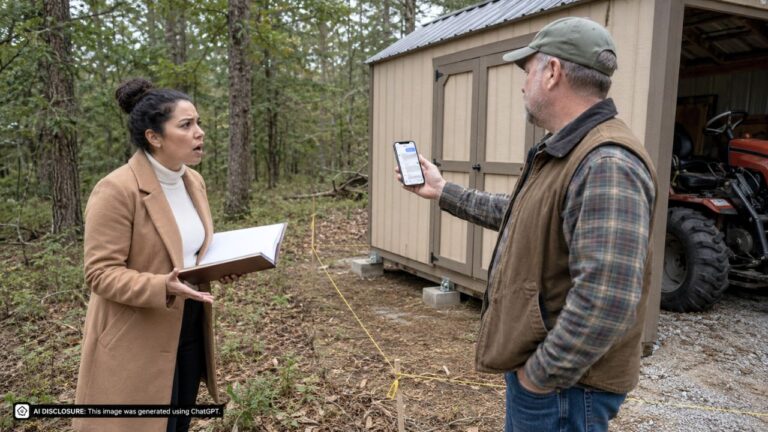
When the new owner talked to the neighbor, the neighbor seemed confident about how this was going to go. The neighbor believed the new owner would pay to install a new water line and meter on the neighbor’s property, essentially moving the setup off the newly purchased land.
That expectation wasn’t framed as a minor tweak. The neighbor’s home is about 60 feet from the road, and the new owner already suspected the relocation would not be cheap. Anyone who has paid for trenching, a new service line, and meter work knows that “not cheap” can turn into a full-on project—permits, coordination with the water provider, and restoring disturbed ground.
The awkward part is the neighbor’s logic: the new owner wants to “utilize the meter” currently on the new owner’s land. In other words, the neighbor seems to view this as an exchange—move the neighbor’s meter, free up the existing one. The new owner, meanwhile, is looking at it like a classic boundary problem they didn’t create.
Paperwork decides a lot, but shovels decide the rest
The new owner’s question was blunt: if there’s nothing in the real estate contract about this, can they disconnect the neighbor’s water and force the neighbor to pay for their own connection?
This is where homeownership gets real. On paper, you own the land. In the dirt, you may be living with decades of “we’ve always done it that way.” A water line running across a new parcel can sometimes be backed by an easement—something recorded that grants a right to keep that line there and access it for repairs.
But the new owner didn’t mention any easement being part of the sale, and the whole surprise suggests it wasn’t clearly flagged during the purchase process. That gap—between what the ground shows and what the paperwork says—is where neighborhood fights are born.
Even if someone feels morally justified, shutting off water is not like moving a planter. It’s a basic service, and cutting it can escalate fast into accusations of sabotage, retaliation, or harassment. The emotional side is obvious: one person’s “I need my property clear” becomes the other person’s “You’re trying to leave me without water.”
Why this kind of utility overlap gets expensive fast
A water meter isn’t just a random box in the grass. It’s typically tied to a utility’s rules and the service address, and relocating it can mean approvals and scheduled work. Moving a line can also require specific burial depths, materials, inspections, and coordination—especially if the meter itself belongs to the water provider.
Then there’s the problem of timing. The new owner bought the land to build. Building has a sequence: surveying, clearing, grading, trenching for power and water, and setting a foundation. A neighbor’s existing service line running through the build zone can stop the whole schedule, or force a redesign that costs real money.
And if the neighbor believes the new owner is footing the bill, they have no urgency. They can wait. The new owner, on the other hand, is staring at an obstacle that sits on their property every single day, tied to a service they don’t control.
That mismatch—one side comfortable, the other side blocked—is how small property disputes turn into long-term grudges.
Reactions leaned toward documentation before confrontation
The post itself was short, but the pattern in these disputes is predictable: people push for proof and process before anyone touches a valve. Homeowners who’ve lived through easement and utility surprises tend to emphasize the same priorities—verify what’s recorded, determine what the utility recognizes, and avoid creating a bigger mess by acting first.
The reason is simple. If there is a recorded right for that line to exist, the new owner may be obligated to allow access, even if it’s inconvenient. If there isn’t, the neighbor may be the one who has to pay to bring their service into compliance. Either way, moving fast with a cutoff can be the one decision that turns an annoying discovery into a full-blown neighborhood war.
It’s also one of those moments where people wish they had caught it earlier: during inspection, survey review, or the title process. Once you own it, you’re no longer just asking questions—you’re managing a live problem with someone next door who has expectations.
The tension: build plans versus a neighbor’s daily needs
The new owner isn’t asking for a luxury. They bought land to build on, and they need to be able to use it without someone else’s meter and water line sitting in the way. The neighbor isn’t asking for a luxury either. They want their home to keep running like it always has.
What makes it combustible is the neighbor’s assumption that the new owner will pay to make the neighbor whole. That’s a lot to demand from someone who just paid for property and is about to take on construction costs. And from the new owner’s perspective, paying to relocate a neighbor’s water system feels like buying the same land twice.
For now, the story sits in that uncomfortable in-between: a new deed, an old water line, and two households looking at the same buried pipe and seeing two completely different responsibilities. The ground may be quiet, but the next move—who calls the utility, who orders a survey, who blinks on the cost—will decide whether this stays a solvable headache or becomes the defining feud of the whole build.