New Homeowner Finds the Neighbor Has Never Held a Recorded Easement for Thirty Years of Crossing the Land — Then the Neighbor Insists the Access “Isn’t Going Anywhere”
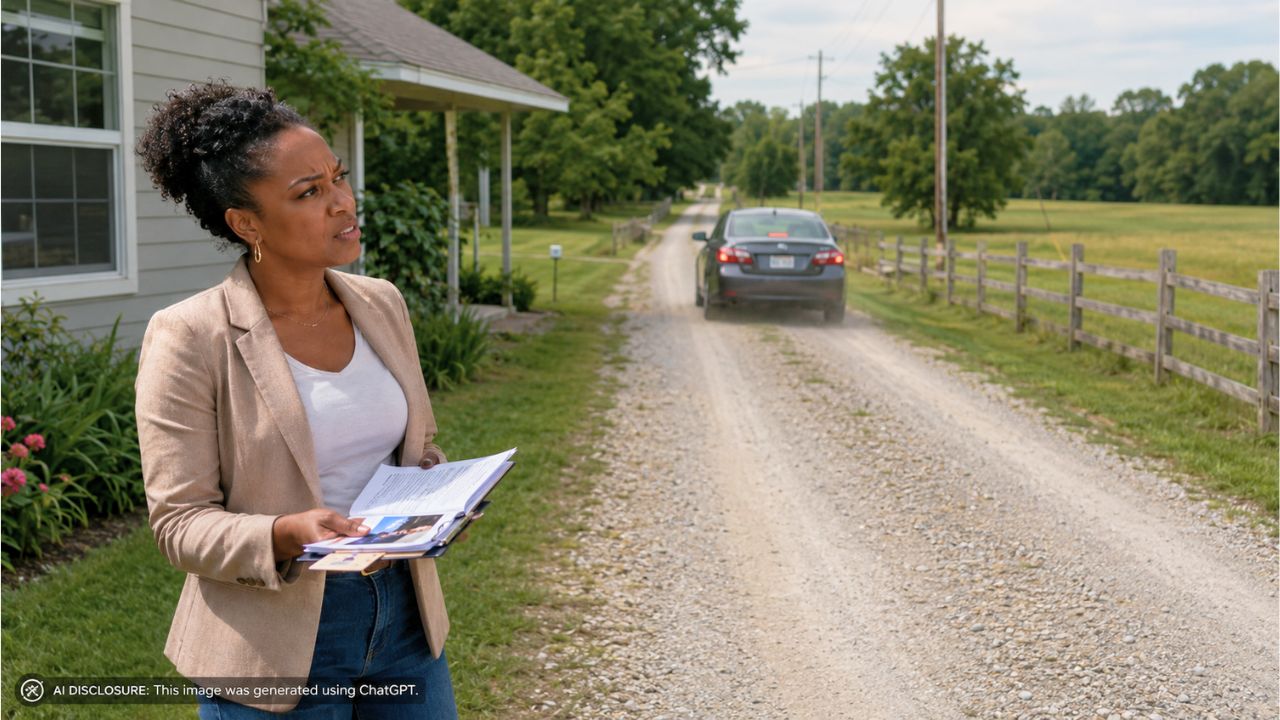
Photo credit: AI-generated image created using ChatGPT. Illustrative only.
When you buy a place with a long driveway, you assume the biggest headache will be gravel, potholes, and maybe snow removal. One Tennessee homeowner realized the bigger problem was the traffic—constant vehicles flying up and down a driveway that, on paper, didn’t belong to anyone but them and a vacant neighboring lot.
In the original post, the new homeowner describes a driveway that serves two properties: their own home and an adjacent parcel that’s been vacant the entire year they’ve lived there. Yet the people living on the far side of that vacant lot were treating the driveway like a public road, using it “all hours” to get behind the property behind the homeowner’s house.
The driveway didn’t just see traffic— it got punished
At first, the homeowner watched neighbors use the drive “a LOT,” and it wasn’t subtle. Big trucks were reportedly running it hard, and the driveway already “so desperately needed” maintenance.
What made it sting was the unspoken expectation: nobody asked permission, and nobody offered to help maintain it. So the homeowner did the thing a lot of people do when they feel boxed in—started parking in the driveway to force the issue and slow the traffic down.
A knock at the door turned into a handshake deal
After a few days of blocked access, the neighbor showed up and asked what was going on. The homeowner told him plainly: there was no easement with any of the surrounding properties, not even the vacant lot the drive also serves.
Still, the homeowner wasn’t trying to start a war. They offered a compromise: help pay for gravel and maintenance, agree to a curfew so the driveway wasn’t a racetrack at all hours, and they’d be willing to share.
The neighbor agreed. And then… nothing happened. A full year passed with “absolutely no effort on their part,” and the homeowner ended up buying gravel and paying to have it spread on their own dime.
Paperwork didn’t match the neighbor’s confidence
After the gravel went in and the traffic continued, the homeowner told them to stop using the driveway. Parking in the drive became the first line of defense again. Next came the idea that tends to escalate any property dispute fast: putting up a fence “to the end of our property around the driveway” to physically cut off access.
The neighbor’s response wasn’t apologetic. He claimed he had an easement with the vacant property next door. But the homeowner pointed back to their closing paperwork, which stated: “there is a shared driveway with a vacant property, there will need to be a sharing agreement if the property becomes inhabited.” In other words, the buyer’s documents acknowledged a shared driveway arrangement with the vacant parcel—not an open invitation for unrelated neighbors to use it whenever they want.
That gap between what the homeowner could find in writing and what the neighbor insisted was true is where these stories get tense. Because the neighbor wasn’t acting like someone asking for a favor. He was acting like the access “isn’t going anywhere,” regardless of what was recorded.
Then the homeowner noticed what the access was really for
One detail made the whole thing feel less like a simple “we’ve always driven there” habit and more like something the homeowner didn’t want attached to their property at all. The homeowner said the only reason the neighbors were going back there was because they were using the vacant property’s backyard as a junkyard for old cars and car parts.
That reframes everything. It’s not just pass-through access to reach someone’s home. It’s heavy vehicle traffic connected to storing vehicle debris on land that isn’t theirs—land that sits right next to the homeowner and shares the driveway.
And then came an even stranger discovery: the homeowner looked up the vacant property’s assessment and found the owner had been dead since 2014. That meant the “I have an easement with that property” claim was suddenly tangled up with a basic question: who even controls that parcel right now, and what rights were ever recorded?
Calls to local offices brought clarity—and raised the stakes
The homeowner started making calls instead of guessing. Planning and zoning couldn’t fully advise because the property wasn’t within city limits, but the person they spoke with still gave a blunt assessment: the neighbor was “100% trespassing.”
From satellite view, the official could also see the junkyard mess, which likely confirmed the homeowner wasn’t exaggerating about what the driveway access was being used for. The advice wasn’t to negotiate another handshake agreement. It was to take it to the sheriff’s office.
Instead of immediately escalating, the homeowner decided to slow down and get documentation first. They planned to wait until security cameras arrived so they could record what was happening continuously—for their own safety, and to show law enforcement if it came to that.
Meanwhile, another call—to the trustee’s office—revealed the property taxes had been paid the prior year but not yet for the current year. The owner was still listed as the deceased woman, and the office didn’t have details on who was paying. The homeowner even found a possible daughter on Facebook, but hesitated about contacting her to say someone else was trashing her mother’s land.
The reactions were practical: document first, don’t bluff
Even without a full comment section included, the homeowner’s own next steps matched what seasoned property-dispute veterans tend to push: stop relying on arguments in the yard and start collecting proof. Cameras. Written records. Calls logged. Photos of vehicle tracks, gravel damage, and the junkyard use.
Because once someone believes they have a long-standing right to cross, they may not stop just because they’re told “no.” They may escalate, dare you to enforce it, or try to create a new path. Which is exactly what happened next.
In a later update, the homeowner reported the neighbors had brought in an excavator and were digging a path from their property to the vacant property. Whether that was an attempt to avoid the driveway blockade, create a new access route, or simply double down on the junkyard use, it signaled one thing clearly: the neighbor wasn’t backing off quietly.
For the homeowner, the tension wasn’t only about ruts and gravel. It was about control of their own property, the risk of confrontations, and the fear that if they let it slide long enough, the “we’ve always done this” attitude would harden into something even harder to unwind.
And for now, the driveway remains more than a strip of gravel—it’s the front line in a rural boundary fight where paperwork, cameras, and a stubborn neighbor may decide what happens next.
Like Fix It Homestead’s content? Be sure to follow us.