Landscaping Ideas That Work Great for Clay Soil
Photo credit: Beekeepx/ Shutterstock.com
Clay soil gets a bad rap—and for good reason. It holds water, compacts easily, and turns into either rock or mush depending on the weather. But that doesn’t mean you’re stuck with a yard full of drainage issues and struggling plants.
Clay can actually support strong, healthy landscapes if you work with it instead of against it. These ideas help make the most of what clay soil offers, without fighting it every step of the way.
Build Raised Beds Where It Matters

In areas where drainage is a constant battle, raised beds are one of the easiest fixes. They let you control the soil mix, avoid waterlogged roots, and grow plants that wouldn’t normally survive in clay. Use untreated wood, stone, or brick to build up just a foot or so—it makes a big difference, especially for vegetables or herbs.
Choose Plants That Actually Like Clay
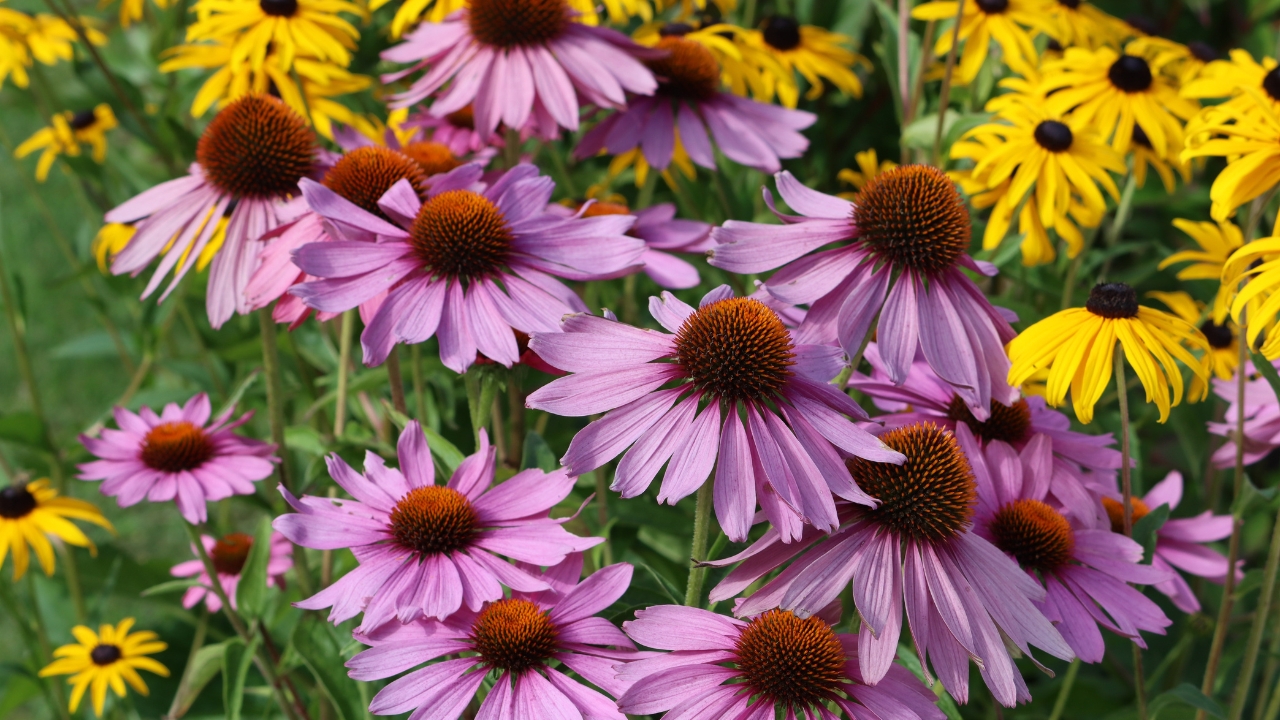
Plenty of plants can tolerate or even thrive in clay soil, especially if it holds moisture well. Try native grasses, black-eyed Susans, coneflowers, or daylilies. Shrubs like viburnum, spirea, and ninebark also do well. When you work with what the soil can support, your plants are healthier, and you don’t have to babysit them all season.
Create a Gravel Path or Dry Creek Bed
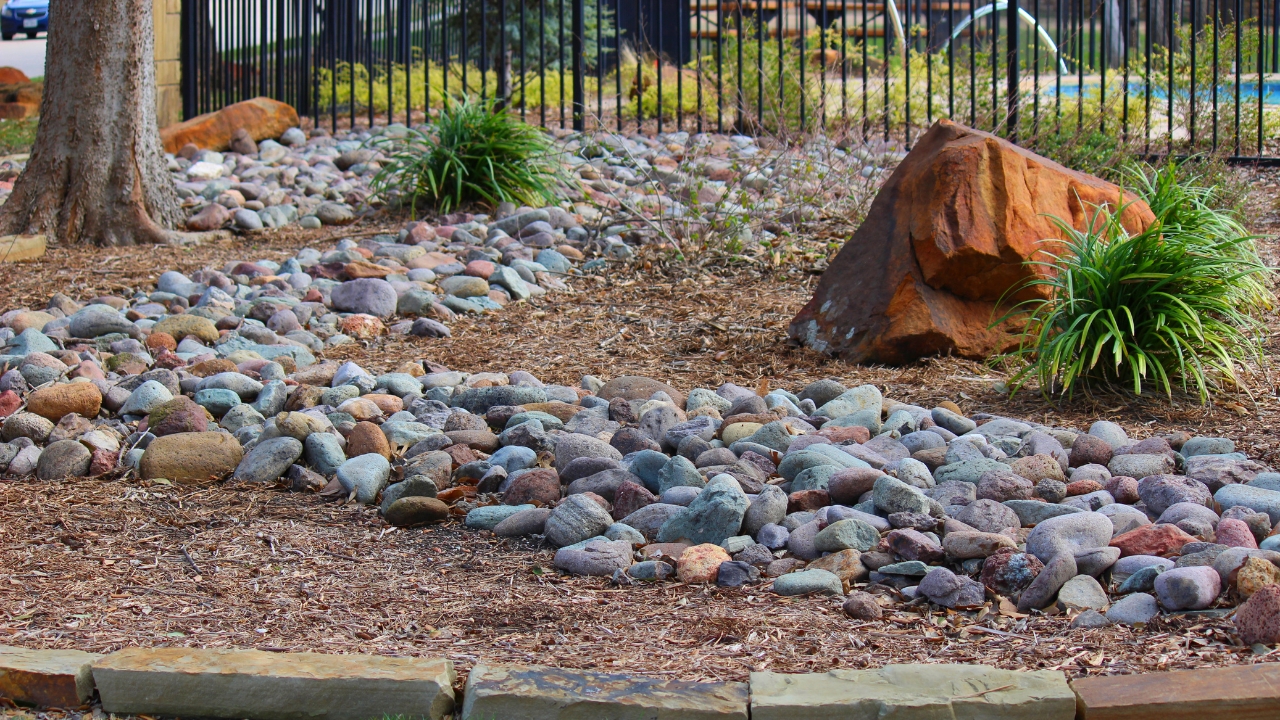
If you’ve got a low area where water tends to sit, consider turning it into a dry creek bed or gravel path instead of constantly trying to fix it. Laying down river rock or gravel lets water drain more efficiently, looks intentional, and cuts down on muddy patches. It also helps direct runoff away from places where you don’t want it pooling.
Mulch Heavily to Protect the Soil

Clay soil cracks when it’s dry and compacts when it’s wet—but a thick layer of mulch helps even it out. Mulch keeps moisture levels more stable, adds organic matter over time, and reduces erosion. It also improves the look of your beds and protects plant roots from wild temperature swings.
Terrace a Slope Instead of Leveling It

Trying to level out a clay-heavy slope can lead to drainage problems and even more compaction. Instead, use stone or timber to terrace the hill into manageable levels. It helps slow runoff, keeps soil in place, and gives you flatter planting areas without disturbing the natural layout too much.
Use Deep-Rooted Plants to Break Up Soil
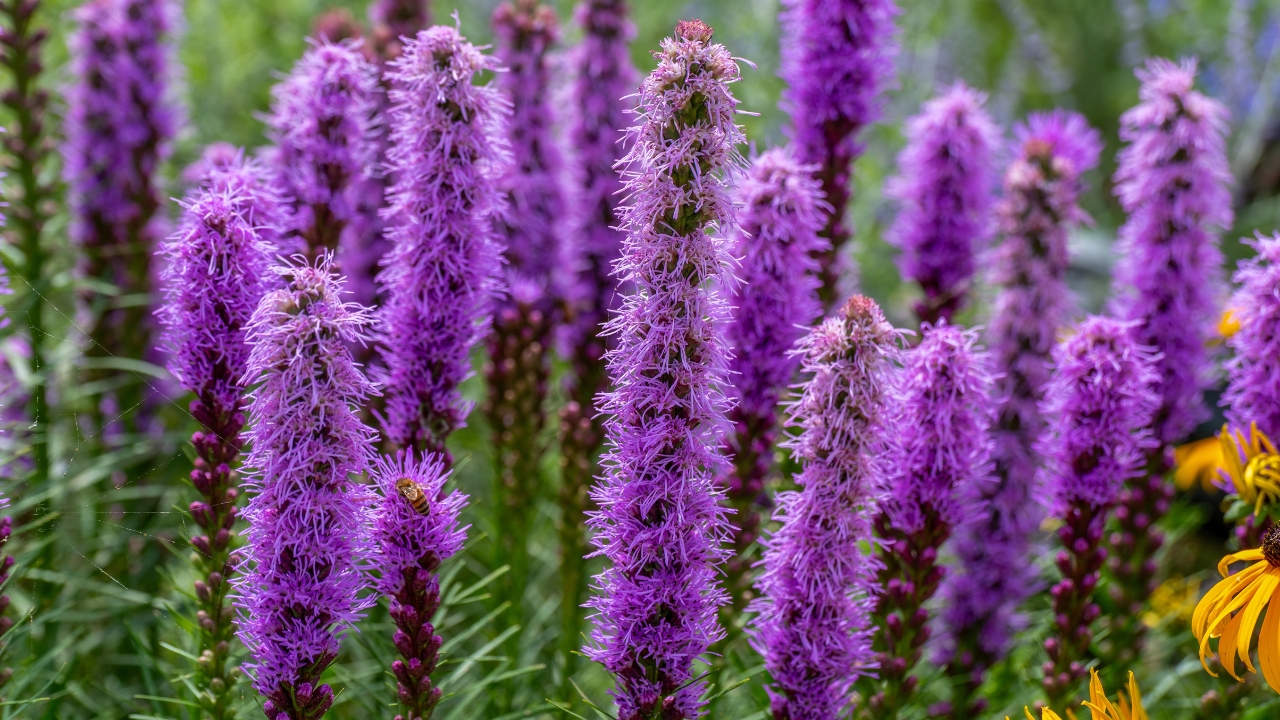
Some plants have deep or fibrous roots that help improve soil over time. Prairie-style plantings with switchgrass, asters, or liatris work especially well. These roots push through heavy clay, help with drainage, and slowly build structure in the soil without tilling. Plus, they’re low maintenance once they’re established.
Install a French Drain in Trouble Spots

For stubborn areas where water always collects, a French drain can be a permanent fix. It’s basically a gravel-filled trench with a pipe that redirects water away from problem zones. You can tuck it under a path, edge a bed, or run it along a fence line to manage runoff without creating more mess.
Add Compost Regularly—But Don’t Overdo It
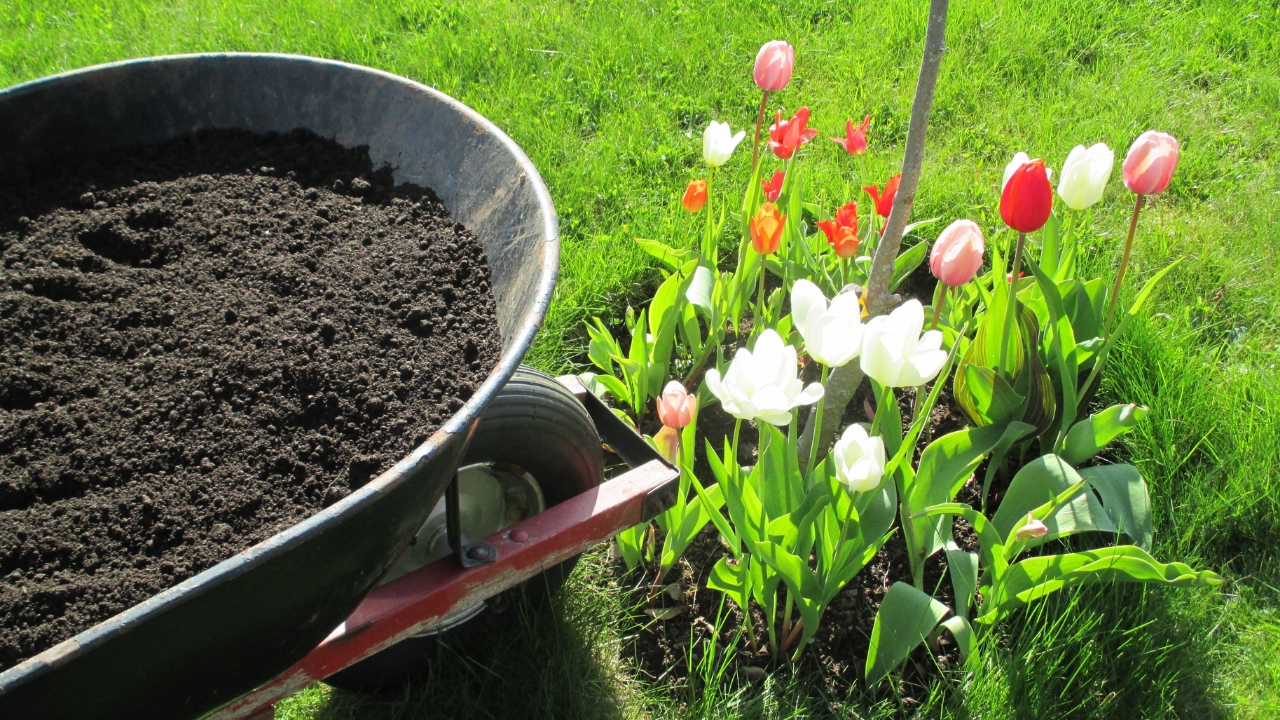
Clay soil benefits from organic matter, but you don’t have to till in tons of compost all at once. Adding a few inches to your beds each season and letting worms and weather pull it down naturally is more effective long term. Too much at once can backfire and create drainage issues if it gets compacted into the clay.
Stick With Groundcovers Instead of Bare Spots
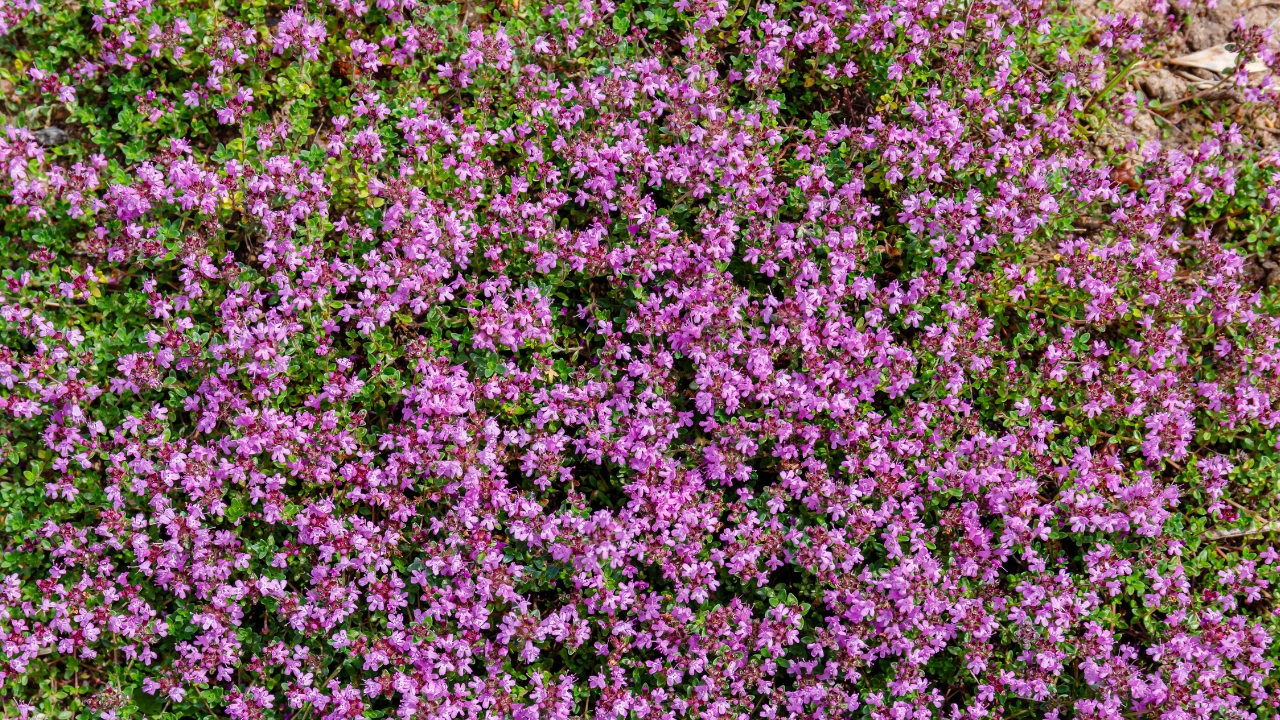
Bare soil in a clay-heavy yard turns to mud in spring and dust in summer. Groundcovers like creeping thyme, ajuga, or even low-growing sedum can handle tough conditions and help protect the soil underneath. They fill in gaps, reduce erosion, and cut down on weeds—without needing perfect drainage to thrive.