Landowner Finds a Forty-Foot Strip Beside the Rail Line in Dispute — Then the Court Warns That Use Beyond the Easement’s Scope Can Be Enjoined
Photo credit: AI-generated image created using ChatGPT. Illustrative only.
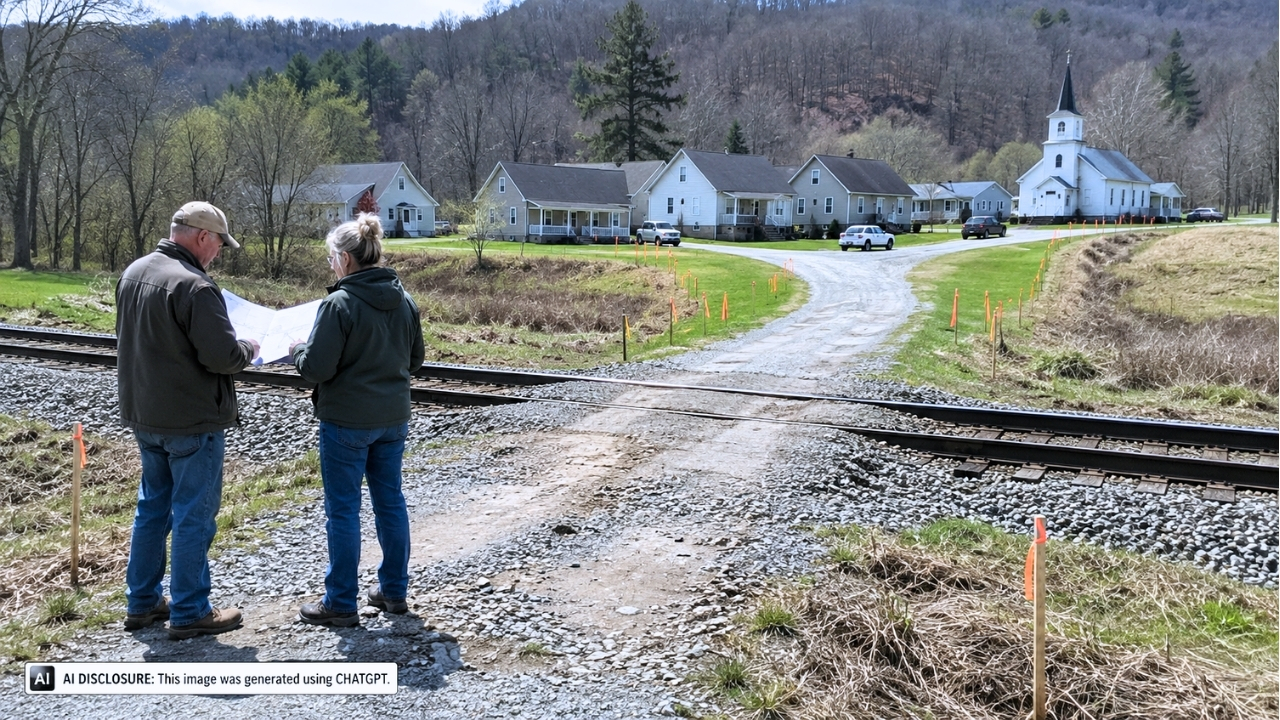
At first it was just an old crossing—one of those rural “everyone’s always used it” access points that doesn’t look like it could ever become a real problem. A strip of land beside an active rail line in Swain County had been treated like a practical way to get to the property on the other side. Then the traffic changed, the stakes changed, and the railroad went to court.
In the source post, the North Carolina Court of Appeals revived a lawsuit brought by Great Smoky Mountains Railroad against Mach 2 Investments and others over a disputed crossing that traces back to World War II-era condemnation records. The big warning for property owners is simple: even if you have an easement, using it beyond what it was meant for can get you enjoined.
A “farm entrance” from the 1940s came back to life
This story starts in the 1940s, when the Tennessee Valley Authority condemned a 150-foot-wide strip through the DeHart property so railroad tracks could be relocated for the construction of Fontana Dam and what became Fontana Lake. Buried in those condemnation documents was a smaller detail: a 35-foot-wide “farm entrance” across the railroad property, meant to preserve access to land that had been divided by the new corridor.
For decades, that kind of arrangement tends to fade into the background. One family uses it. Maybe a neighbor knows about it. The crossing sits there like a handshake from another era—informal in practice, but tied to real paperwork.
Over time, the railroad corridor moved through multiple owners. TVA conveyed it to Southern Railway, Southern later transferred its interest to the State of North Carolina, and eventually NCDOT conveyed the property to Great Smoky Mountains Railroad in 1996. The crossing stayed, and the lack of drama almost made it feel settled.
The moment it stopped being “just a rural crossing”
The quiet ended when Mach 2 Investments bought more than 100 acres of the old DeHart property and started subdividing. That’s usually when old access points get stress-tested—because what worked for a single farm often doesn’t work for multiple parcels, driveways, delivery trucks, and daily commuter traffic.
Mach 2 sold one parcel to Impact Church in 2021 and purported to give the church an easement over the railroad crossing. After that, the property was divided into nine lots and sold to multiple buyers. At least three houses were built.
From the railroad’s perspective, a lightly used farm crossing was becoming a subdivision entrance and church access road—across an active rail line. That’s not just “more cars.” It’s a fundamentally different use pattern: more trips, more drivers unfamiliar with the crossing, and more risk if the crossing was never designed or managed like a modern grade crossing.
The railroad sued, and the landowners swung at the chain of title
Great Smoky Mountains Railroad filed suit for trespass, quiet title, declaratory relief, and an injunction to prevent further use of the crossing. That’s the kind of escalation you see when one side believes the other is about to lock in a new normal: once homes are built and a church is operating, “temporary” access starts to feel permanent.
The landowners didn’t just argue about the crossing. They went after the railroad’s ownership of the corridor itself, claiming the 1996 transfer from NCDOT didn’t comply with North Carolina laws governing the sale of state-owned property. In plain terms: they argued there was a defect in the railroad’s deed, and if the railroad didn’t own it cleanly, it couldn’t block them.
The trial court dismissed the railroad’s complaint, buying enough of the landowners’ argument to end the case early. But that didn’t last.
The appeals court: you can’t invalidate the State’s deed for the State
The North Carolina Court of Appeals reversed the dismissal and sent the case back. A key point was standing—who is allowed to challenge what.
Even if there was a problem with how the State conveyed the property, the appeals court said the deed would not automatically be void. At most, it would be voidable by the State itself, through the Governor and Council of State. The private landowners couldn’t simply step into the State’s shoes and wipe out the railroad’s deed.
The court also flagged an issue that’s easy to miss in property fights: necessary parties. If the State still retains some interest in the rail corridor or the crossing, NCDOT may need to be brought in. And because the claimed crossing rights trace back to old TVA documents (and later transfers through Southern Railway), the trial court was told to consider whether TVA or other successors might need to participate.
So the railroad won the appeal—but the big crossing question still has to be decided.
The forty-foot problem: easement rights don’t always scale with development
The most practical part of this case is the part homeowners and small developers run into all the time: an access easement that worked fine at low intensity, until someone tries to use it like a modern road.
The appeals court did not decide whether a farm-crossing easement definitely exists, or exactly who benefits from it today. But it made clear what the trial court must examine next: whether the current use is an “unwarranted expansion and overburdening” of whatever easement might exist.
North Carolina easement law generally does not allow a valid easement holder to expand use in a way that creates a substantially greater burden on the property being crossed. That’s where subdivisions hit a wall. A crossing used to reach one rural farm may not automatically authorize access for a church, nine subdivided lots, multiple houses, visitors, deliveries, and the daily churn that comes with it.
And here, it’s not a shared driveway in the woods. It’s an active railroad line. Safety is baked into every argument. The court noted NCDOT may have authority over grade crossings, and federal rail-safety rules could come into play. It even pointed out that the parties might ultimately agree to construct a safer formal crossing that complies with current requirements—because sometimes the “fix” isn’t a court order, it’s rebuilding the access in a way everyone can live with.
What people latched onto: paperwork, proof, and “don’t assume” access
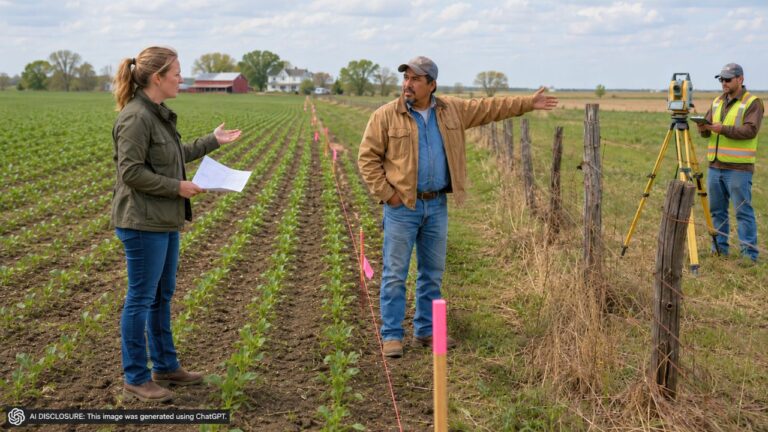
Property folks tend to react the same way when they hear “old farm entrance” plus “new subdivision”: where are the surveys, what do the original documents actually say, and who has been using the crossing—how, and for how long?
This case is a reminder that the scariest real estate problems aren’t always hidden mold or a bad roof. Sometimes it’s access. If your driveway depends on a crossing that was never built for modern traffic, your whole project can become hostage to an easement scope fight—especially when the other side can argue the use became more frequent, more intense, and more dangerous.
The appeals court didn’t hand either side a clean win on the underlying crossing rights. But it did send a loud message: you can’t defeat a property claim by attacking a state conveyance you don’t have standing to challenge, and you can’t assume a historic easement automatically expands to match a development plan.
Now the case goes back to sort out who owns what, who needs to be in the lawsuit, and whether turning a modest farm crossing into a subdivision-and-church access point pushed the easement past its limits. For the landowners who bought those lots and started building, the tension is obvious: access that feels “normal” today can still be ruled “too much” when the documents say it was meant for something smaller.
Like Fix It Homestead’s content? Be sure to follow us.