Buyer Splits 107 Acres of a 1,472-Acre Ranch Into Seventeen Lots With County Approval — Then Learns a 2004 Covenant Barred Resubdividing It
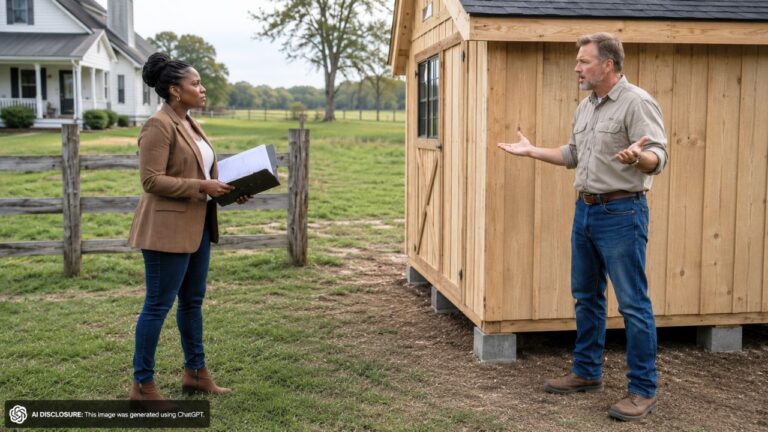
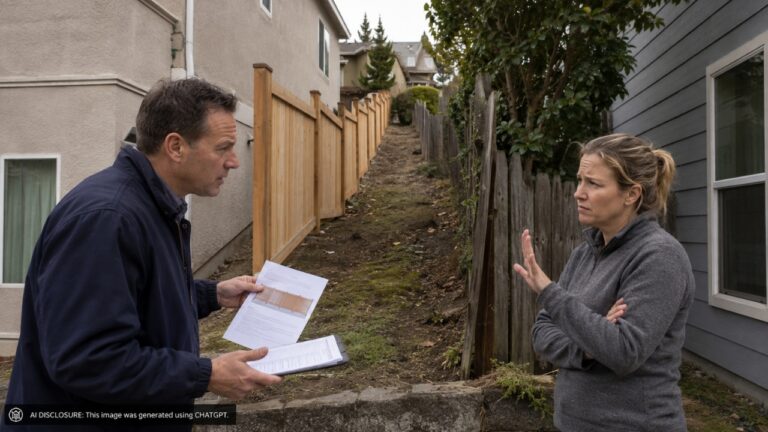
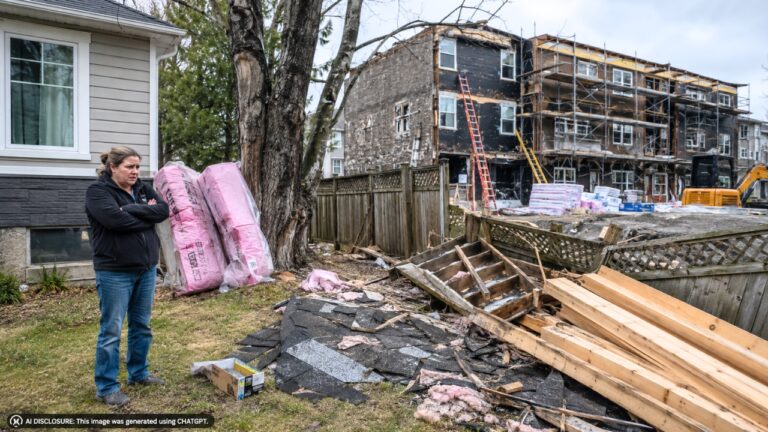
Photo credit: AI-generated image created using ChatGPT. Illustrative only
When you buy big rural acreage, you assume the hard part is fences, wells, and keeping a gate working—not a forgotten document from 2004. But a Burnet County, Texas land deal turned into exactly that: a buyer carved out a 107-acre slice of a much larger ranch, got the county to approve a 17-lot subdivision, sold the lots… and then got hit with the reality that old restrictions were still sitting in the chain of title.
The details come from the source post covering a Texas Court of Appeals decision involving Recreational Land Sales, LLC (RLS) and neighboring landowners James M. Allen, Charles Cedars, and Deborah Cedars. What followed wasn’t just a paperwork fight. It was a real-world neighbor nightmare: roads cut in, powerlines installed, dust in the air, and the fear of quiet land turning into a pocket neighborhood overnight.
A ranch purchase turned into a 17-lot plan
In May 2021, RLS bought a 1,472-acre tract later known as Cross Timber Ranch. Then it took 107 acres of that and subdivided it into 17 lots, each roughly five to eight acres. The county approved the subdivision plat in October 2021, and RLS sold all the lots to third-party buyers.
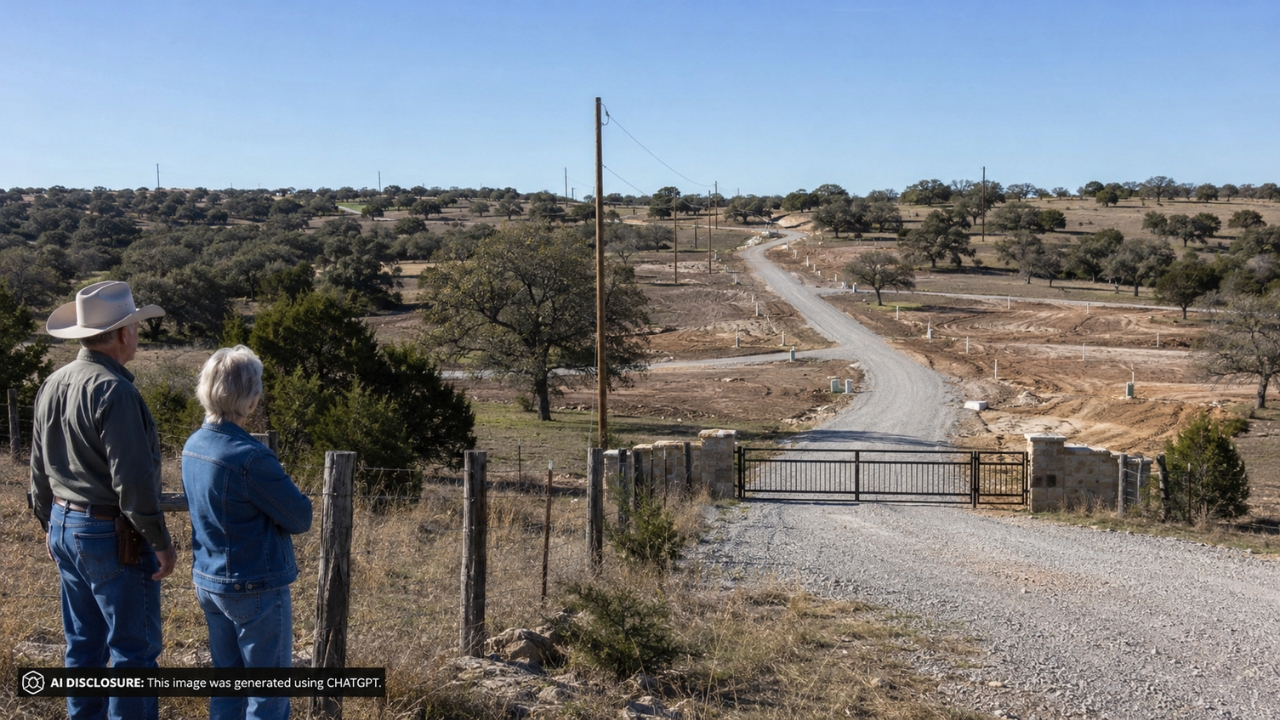
On the ground, the early signs looked like the usual rural development starter kit. RLS put in a gate at the entrance, installed powerlines, and built a road through the subdivision area. To nearby owners who bought into a “country” lifestyle, those changes can feel like the moment you realize your dark-sky nights and quiet mornings are now on a countdown.
The buried restriction: “No lot may be resubdivided”
The twist was that the deed said the 107 acres were subject to restrictive covenants from an exempt, unplatted subdivision called Blacksmith Ranch. Those covenants were executed in 2004 and included a specific rule: “No lot may be resubdivided without the written approval of the Declarant or the Architectural Control Committee” (ACC).
There was a practical problem baked into that rule. Because Blacksmith Ranch was unplatted, there was no recorded map, and the property was described by metes and bounds. RLS said it didn’t even know where Blacksmith Ranch was located until it hired a surveyor.
Then came the next headache: RLS manager Richard Grandy testified he discovered no ACC or HOA had ever been formed, and that Blacksmith Ranch had been operating without one since 2004. RLS tried to contact the four “Declarants” named in the covenants, found only one, learned two were deceased, and heard there had been “inactivity” in the subdivision when it came to enforcement.
So RLS moved forward—county approval in hand—only to end up in court anyway.
Next door, the retirement dream started to feel shaky
The neighbors weren’t random investors watching a spreadsheet. Charles and Deborah Cedars owned 30 acres and had built what Charles called their “forever home,” settling into retirement. Charles worked on projects—home, barn, chicken and rabbit pen, pond—while Deborah gardened.
James M. Allen owned 60 acres and had his own long-range plan: build a home there after his wife retired, with the house facing east for Texas sunrises. He testified he’d spent 20 years hunting, fishing, working the land, and tending Longhorn cattle.
To them, the value wasn’t just dollars. It was quiet, privacy, and a certain kind of rural rhythm. They claimed the subdivision work—roads, gates, clearing, wells, open houses—brought “increased and unreasonable offensive noise and light,” dust, congestion on a single-lane road, and more. They also alleged trespass by third parties and feared future buildout, including a possible cell tower mentioned in their pleadings as something they believed could be placed on a lot still owned by RLS.
The lawsuit focused on nuisance—and the jury handed out big numbers
Allen sued in January 2022. The Cedars joined later. Together, they brought claims including breach of restrictive covenants, intentional nuisance, and negligent nuisance, seeking damages tied to annoyance, loss of enjoyment, and discomfiture.
At trial, evidence showed the 17 lots were still undeveloped, but the gate, interior road, and powerlines were already in. The neighbors testified about dust and noise from construction activity and about stress from the idea of having 17 nearby owners where they expected far fewer.
At the same time, there were admissions that matter in rural nuisance cases. Allen acknowledged he didn’t know what future owners would do and that he could still do the same activities on his land. Charles said he wasn’t prevented from completing projects or hunting, and that Deborah “definitely could” still garden. Wildlife still moved through their property.
The breach-of-covenant claim didn’t make it to the finish line. After the neighbors rested, the trial court granted a directed verdict for RLS on that claim and dismissed it. But the nuisance claims went to the jury. The jury found no liability for intentional nuisance, but did find RLS liable for negligent nuisance, awarding each neighbor past damages and $175,000 each in future damages for annoyance, loss of enjoyment, and discomfiture.
Appeal: the court zeroed in on “concrete injury” and what counts as a nuisance
RLS appealed, arguing the evidence didn’t show a substantial interference that would be objectively unreasonable to a person of ordinary sensibilities. It also argued the neighbors lacked standing and ripeness because they hadn’t shown concrete injuries—especially with the lots still undeveloped.
The appellate court framed nuisance the way homeowners feel it: it can be physical stuff like dust or noise, but it still has to cross a minimum threshold. Texas law doesn’t promise a life free from “petty annoyances,” and the interference has to be substantial and unreasonable under an objective standard—not just based on a particular person being especially sensitive.
The appeals court ultimately reversed and rendered judgment, undoing the trial court’s result. In plain terms, that meant the neighbors’ win at the trial level didn’t hold up on appeal.
The practical “homestead” angle people argue about in group chats
This kind of dispute hits a nerve with rural owners because it’s the nightmare blend of paperwork and bulldozers. One side points at county approval and says, “We did it the official way.” The other side points at recorded restrictions and says, “Official doesn’t mean allowed.”
And then there’s the messy middle: an old covenant requiring approval from an ACC or “Declarant,” paired with testimony that no ACC or HOA ever existed and that multiple declarants couldn’t be found. That’s not just a legal puzzle—it’s a practical one. Who do you even ask for permission when the permission-granters are gone and the neighborhood governance was never built?
From a homeowner standpoint, it’s also a reminder that “undeveloped” doesn’t mean “no impact.” A gate, a road cut in, and powerlines can change traffic patterns, light, noise, and the feel of a place long before the first house pad gets scraped. But courts still look for a concrete, substantial interference—not just fear of what might be built later.
The land is still the land, but the vibe is different once a private road and a locked gate show up next door. For the neighbors here, the case shows how hard it can be to turn that feeling into a legally compensable nuisance—especially when the biggest worry is what comes next, not what’s already happened.
Like Fix It Homestead’s content? Be sure to follow us.