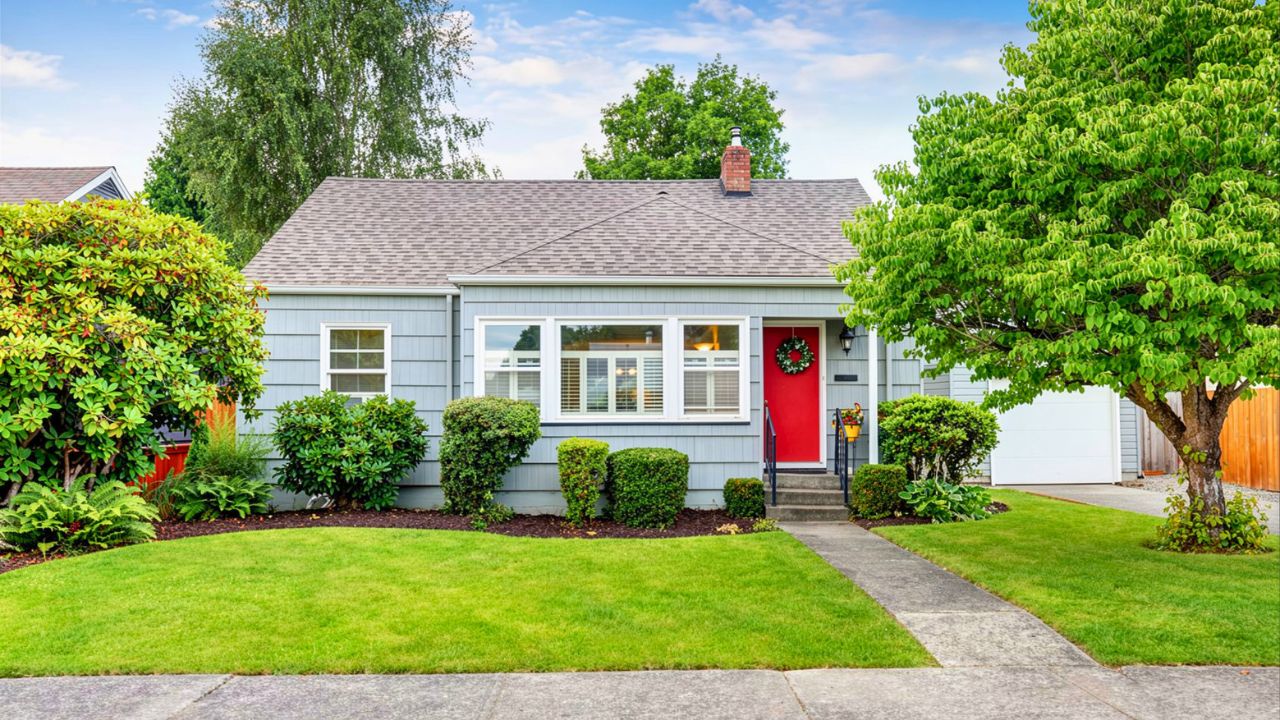
12 Trees Homeowners Regret Planting Near the House
Photo credit: Irina88w/istock.com
A new tree feels like the safest upgrade you can make. Then a few seasons go by, roots start lifting things you paid good money for, and branches get too close for comfort. The worst part is you don’t notice the trouble until it’s expensive, loud, or both.
1. Silver Maple Too Close To Foundation
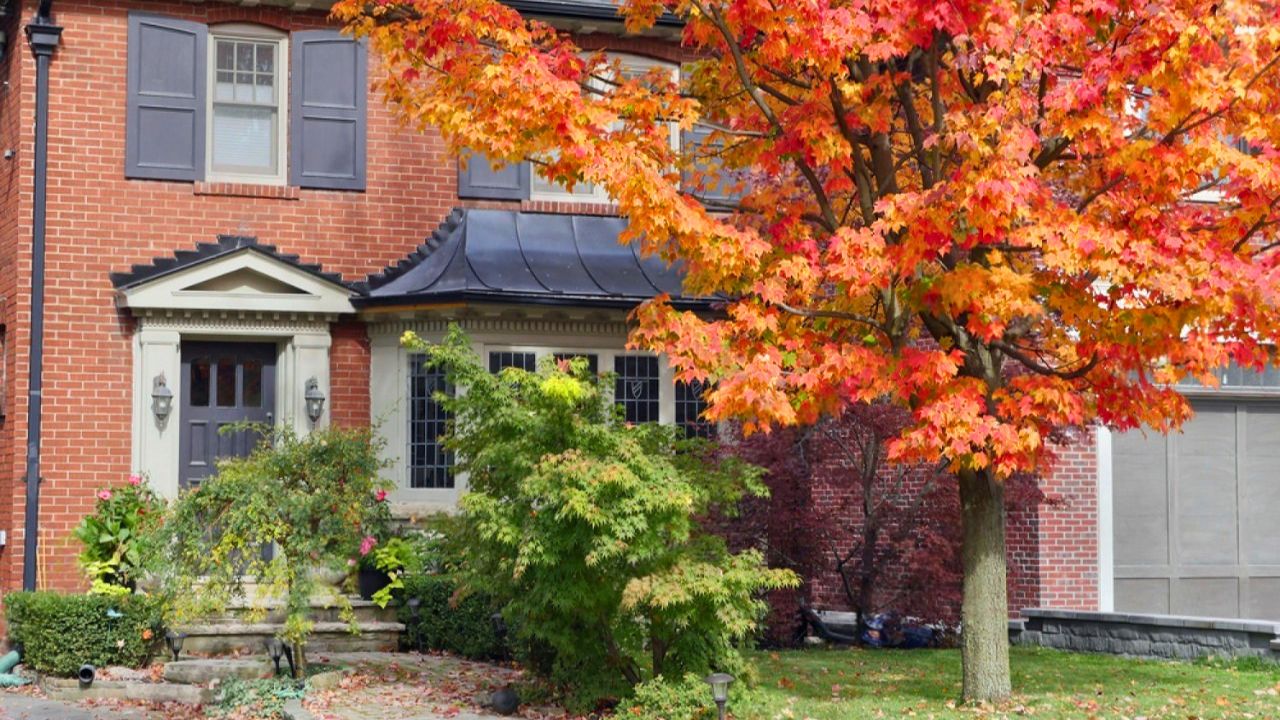
Silver maple grows fast, which is why it ends up in a lot of yard plans. Fast growth also means weak wood and a root system that looks for water and space anywhere it can get it. When it’s planted near a house, the first hints are usually sidewalk heave, a lifted patio edge, or a basement wall that starts weeping after heavy rain.
If you already have one close, stay ahead of it. Keep gutters and downspouts tight so you’re not feeding roots at the foundation, and don’t let a sprinkler soak that area daily. If the trunk is within a couple house lengths of the foundation, get an arborist to look at the structure and discuss staged removal, this is not a weekend chainsaw job.
2. Weeping Willow In A “Dry” Spot
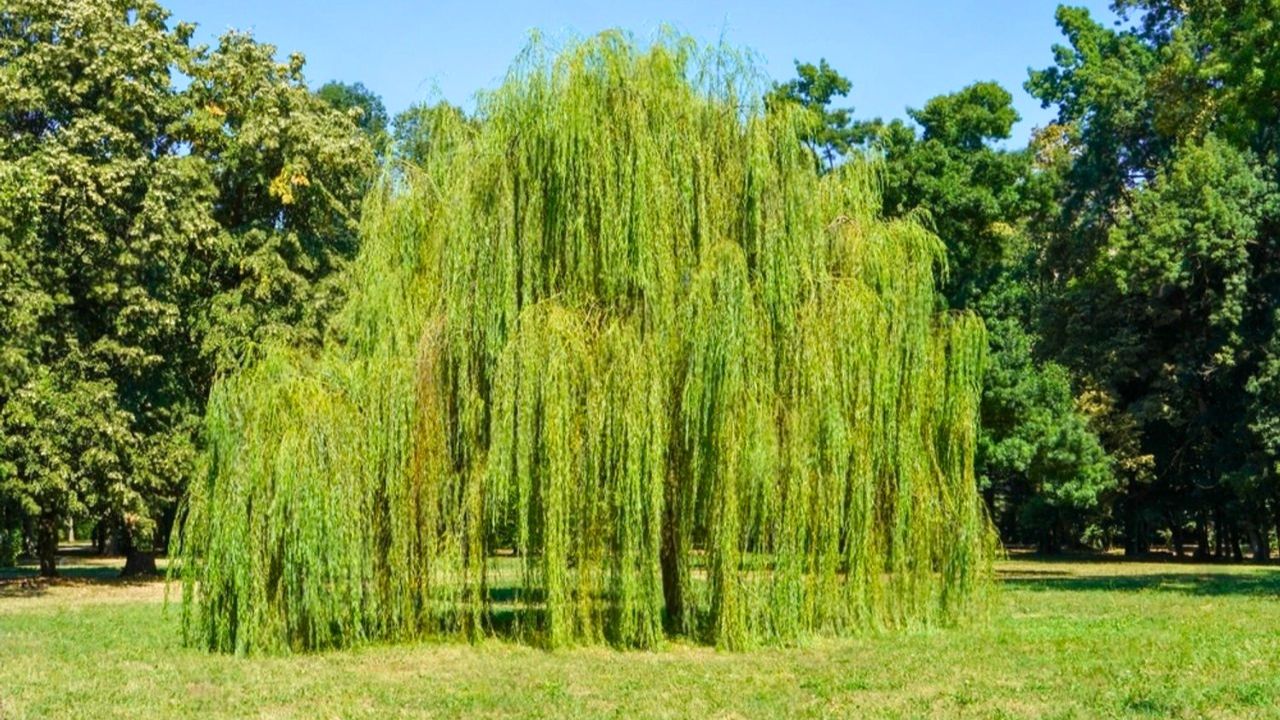
You plant it where the grass burns up and think you’ve found the fix. A willow will find water, even if that water is your sewer lateral, your septic field, or the cracked tile drain you forgot existed. The first sign is often slow drains in the house or a patch of yard that stays green when everything else is crispy.
This is one of those trees that can turn into a repeat bill. Root pruning and line cleaning buys time, not peace. If you’re on septic or have older clay sewer pipe, keep willows far from the system, and call a licensed plumber if you suspect roots in the line.
3. Lombardy Poplar As A Quick Screen
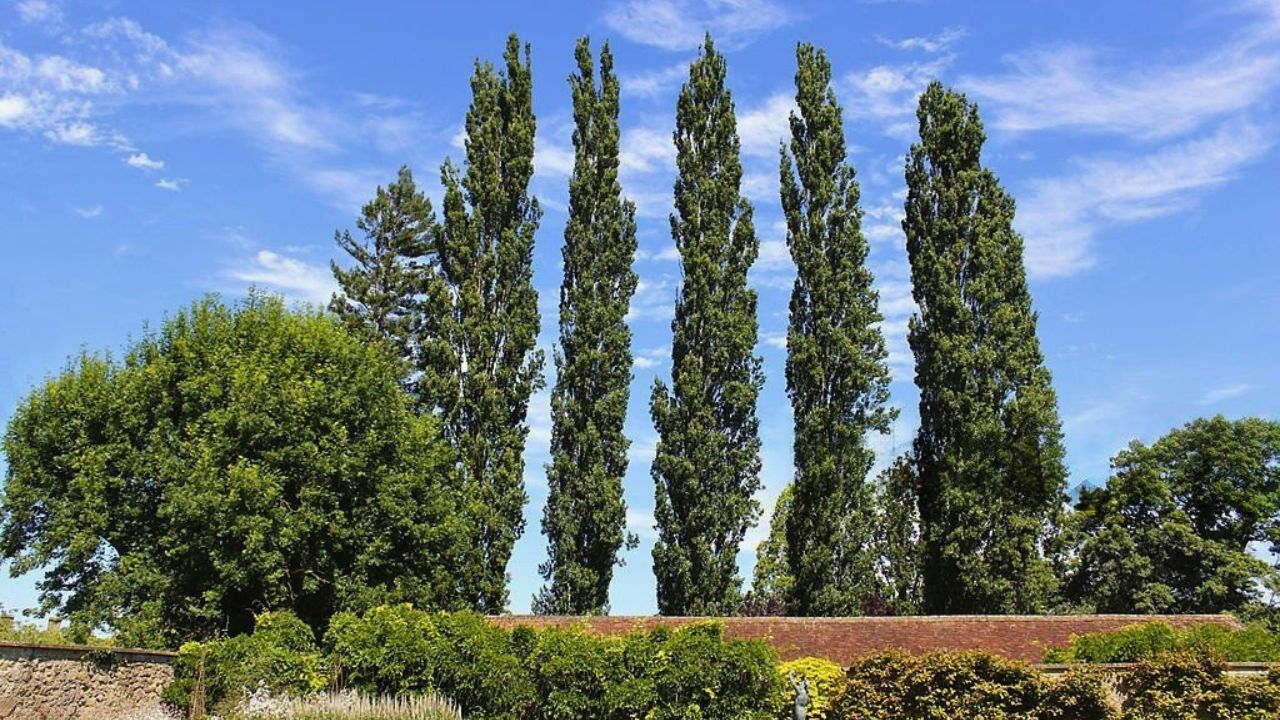
They look like the answer when you want privacy yesterday. Then you learn they’re short-lived, prone to canker and dieback, and they drop limbs when the wind hits just right. You’ll hear it at night, a crack, then a heavy thud on the roof or fence.
If you want a narrow screen, slow down and pick something that lasts. A mixed hedge with evergreens and smaller ornamentals costs more up front but doesn’t turn into a removal plan in ten years. If you already have poplars near the house, keep them pruned by a pro and don’t park anything you love under them.
4. Bradford Pear That Splits In Storms
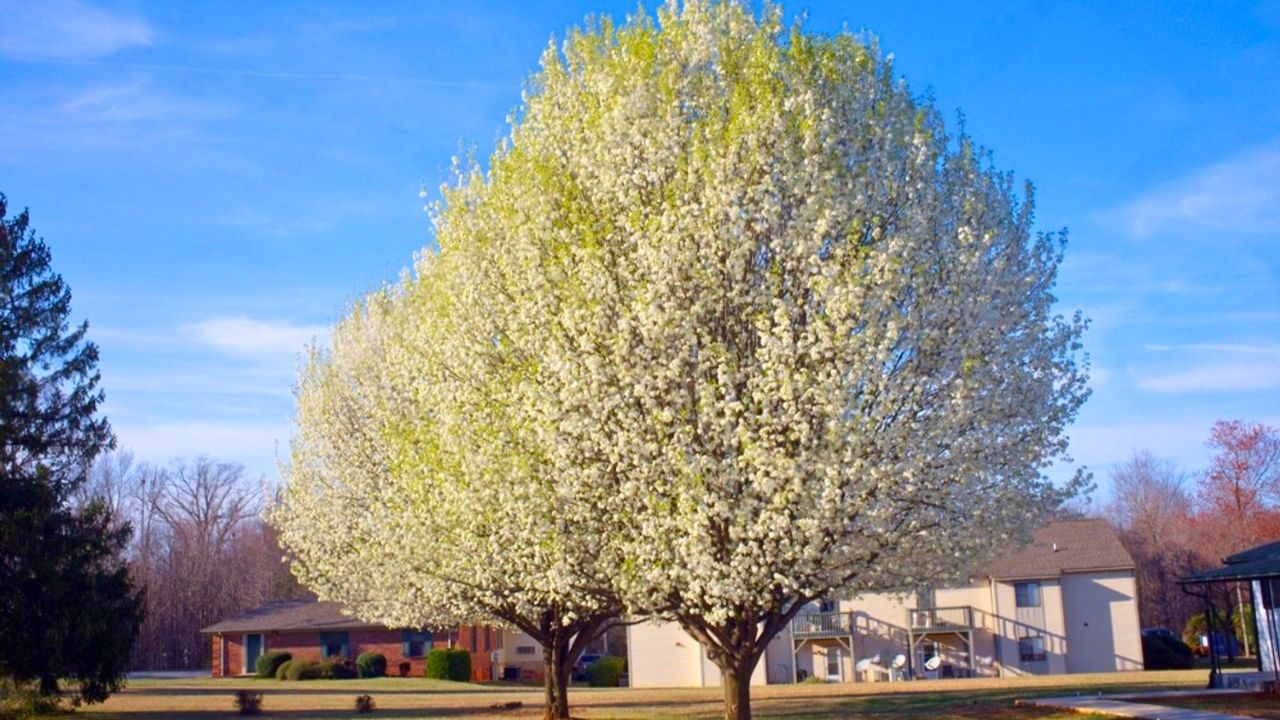
It behaves for a while, then one wet snow or summer squall opens it up like a zipper. Bradford pear tends to form tight, weak crotches that fail as the canopy gets heavy. You might notice big V-shaped unions and bark squeezed in between branches, that’s the warning.
Also, it can seed out and become a headache beyond your yard. If it’s near your house, removal is usually money better spent than repeated cleanups and roof patching. If you insist on keeping it, thin the canopy and reduce weight on long limbs, and accept that you’re babysitting a tree with a short fuse.
5. Norway Maple That Chokes The Yard
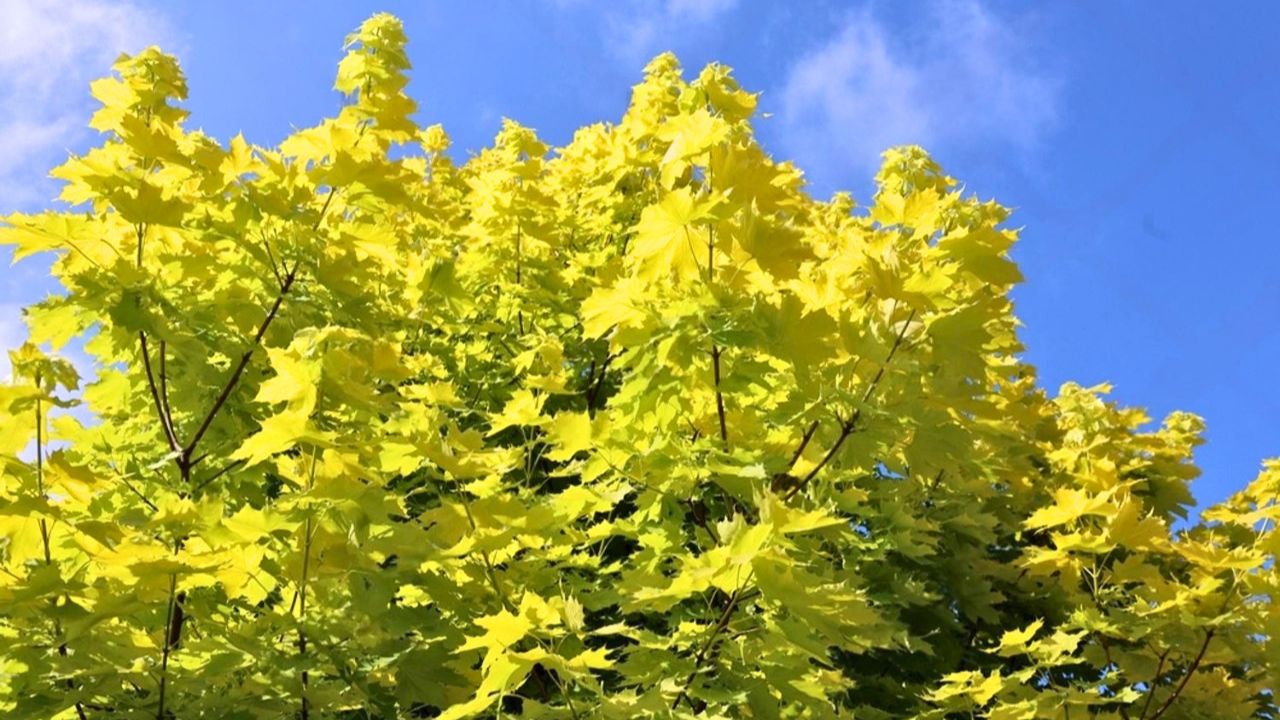
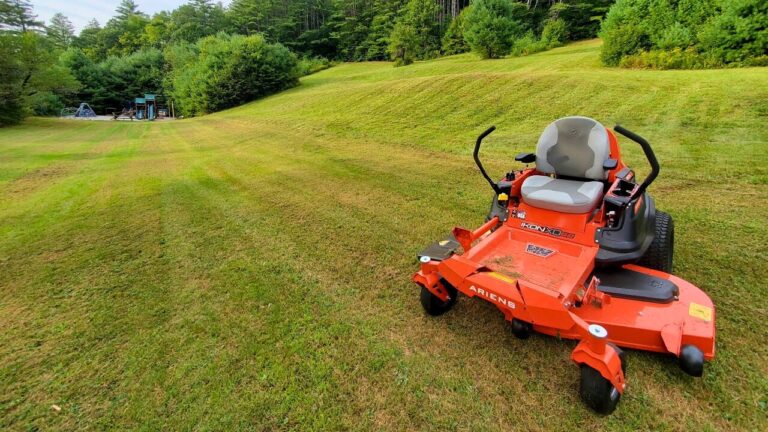
People plant it for shade, then wonder why nothing grows under it. Norway maple casts dense shade and throws a lot of surface roots, so you end up with a bare, hard ring around the trunk and a mower that scalp-bounces over roots. The yard looks tired no matter how much seed and fertilizer you toss at it.
It also tends to self-seed in beds and edges, which becomes a yearly pull-fest. If it’s close to the house, it can press up against walkways and the driveway, and those repairs don’t get cheaper. If you want shade near the home, a tree with a lighter canopy and deeper rooting habit is a better neighbor.
6. Black Walnut Over Patio And Roof
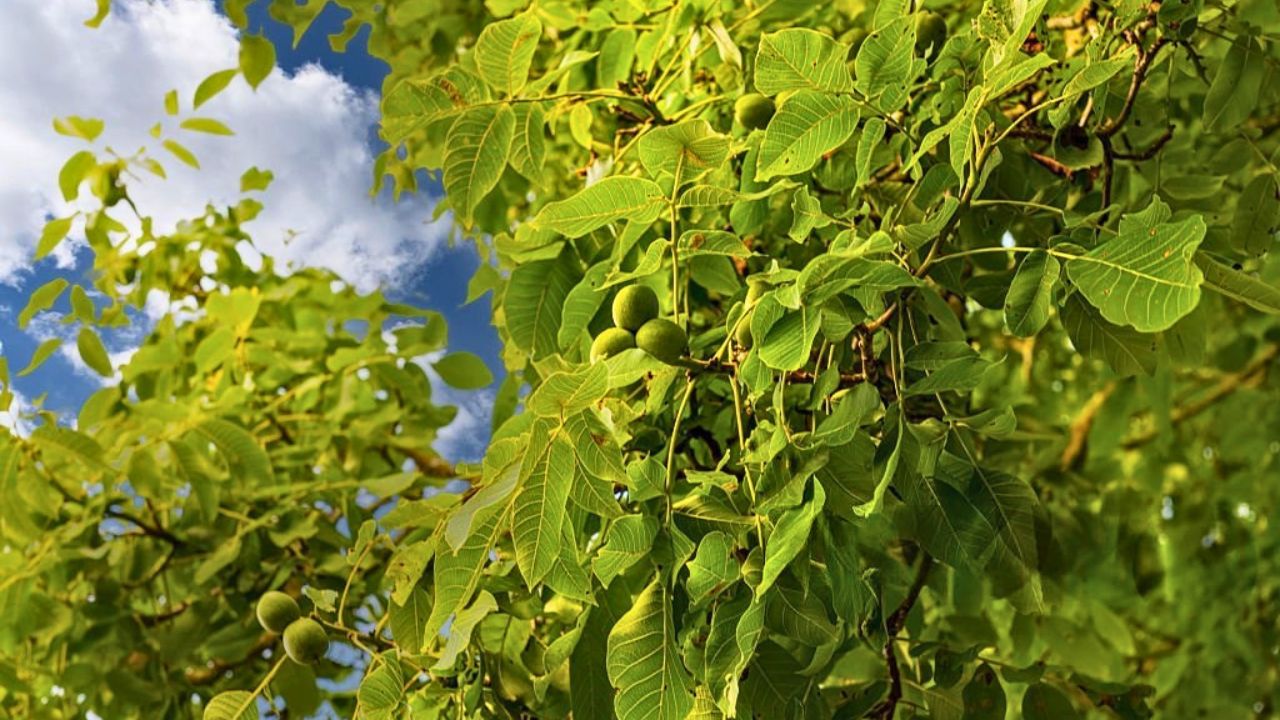
Those nuts hit like dropped tools. You’ll hear them on the roof in late summer and early fall, and you’ll find dented gutters, smashed tomato cages, and a patio you don’t want to walk on barefoot. The staining hulls also make a mess that tracks into the house.
The quieter regret shows up in the garden. Black walnut can suppress a lot of common landscape and food plants, so beds “mysteriously” fail even when you water and feed them. If you keep the tree, move sensitive plantings away from the drip line and pick tolerant plants for the area.
7. White Pine That Drops Needles And Sap
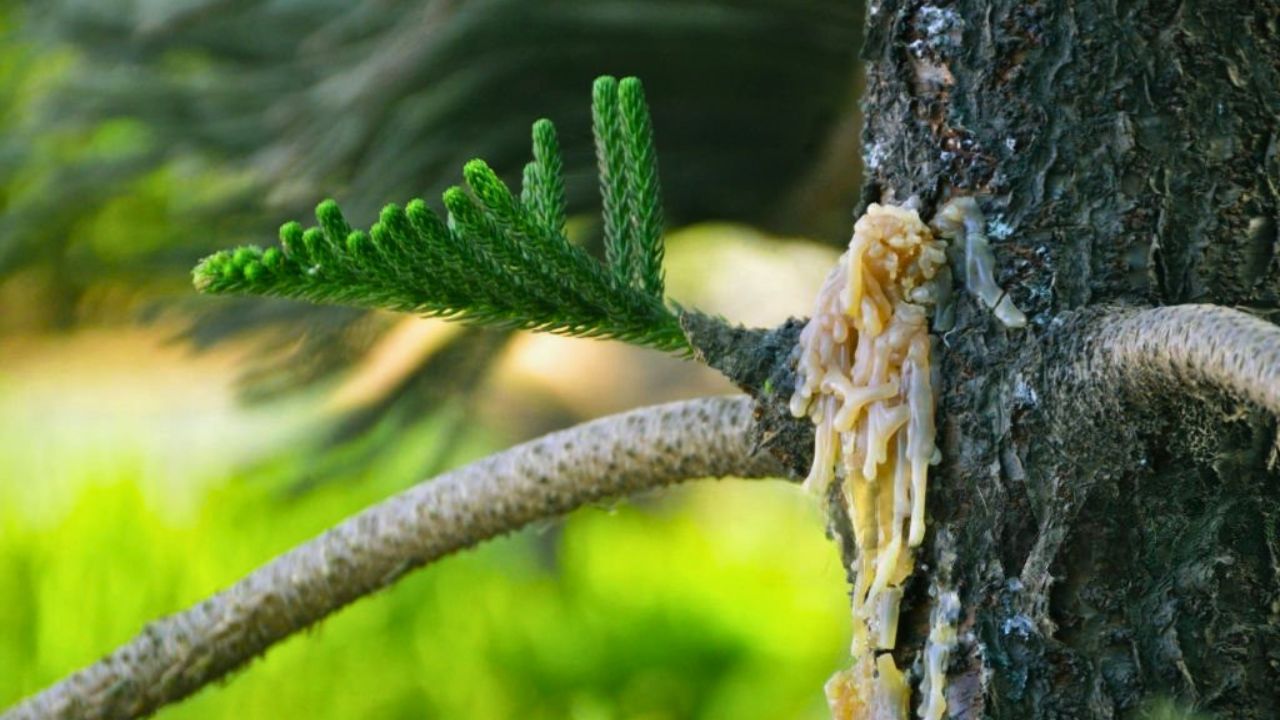
Evergreens feel clean until they’re right over your roof. White pine sheds needles that pack into valleys, clog gutters, and trap moisture against shingles. Add sap on cars and patio furniture, and you’ll spend more time cleaning than enjoying the shade.
Some advice says “never plant pines near a house,” and that’s too broad. If the tree is far enough back that branches don’t overhang the roof, and you’re fine with seasonal needle drop in the yard, pine can be a solid windbreak. Near the structure, though, keep limbs off the roof and plan on gutter guards or frequent cleanouts.
8. River Birch Planted In A Tight Corner
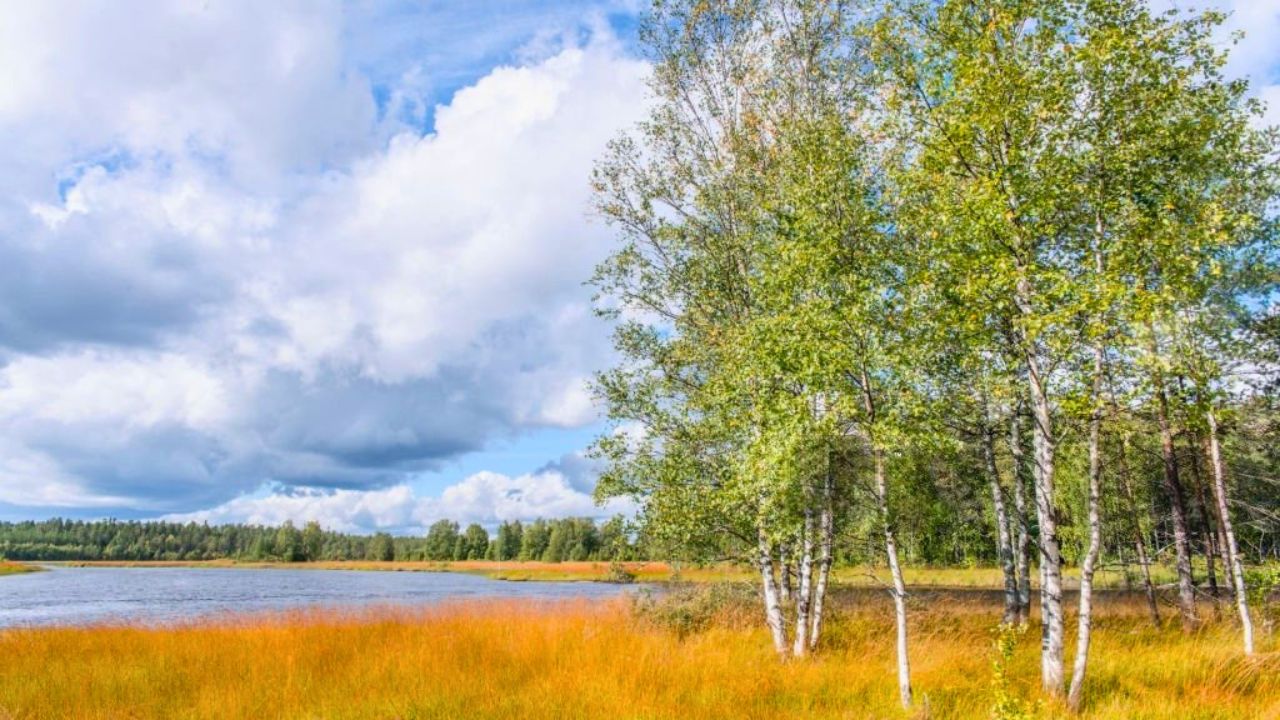
River birch is sold as a pretty, tough tree, and it is, if it has room. In a tight bed by the house it turns into a multi-stem thicket that rubs siding, crowds windows, and drops small branches all the time. You’ll also get a steady rain of catkins and leaves into every crevice.
The roots aren’t the worst offenders, the constant debris and crowding are. If you want birch, give it a wide spot away from HVAC units and walkways. If it’s already close, thin stems early and keep airflow, once those trunks fatten up it’s harder to fix without making it ugly.
9. Spruce That Becomes A Rodent Hotel
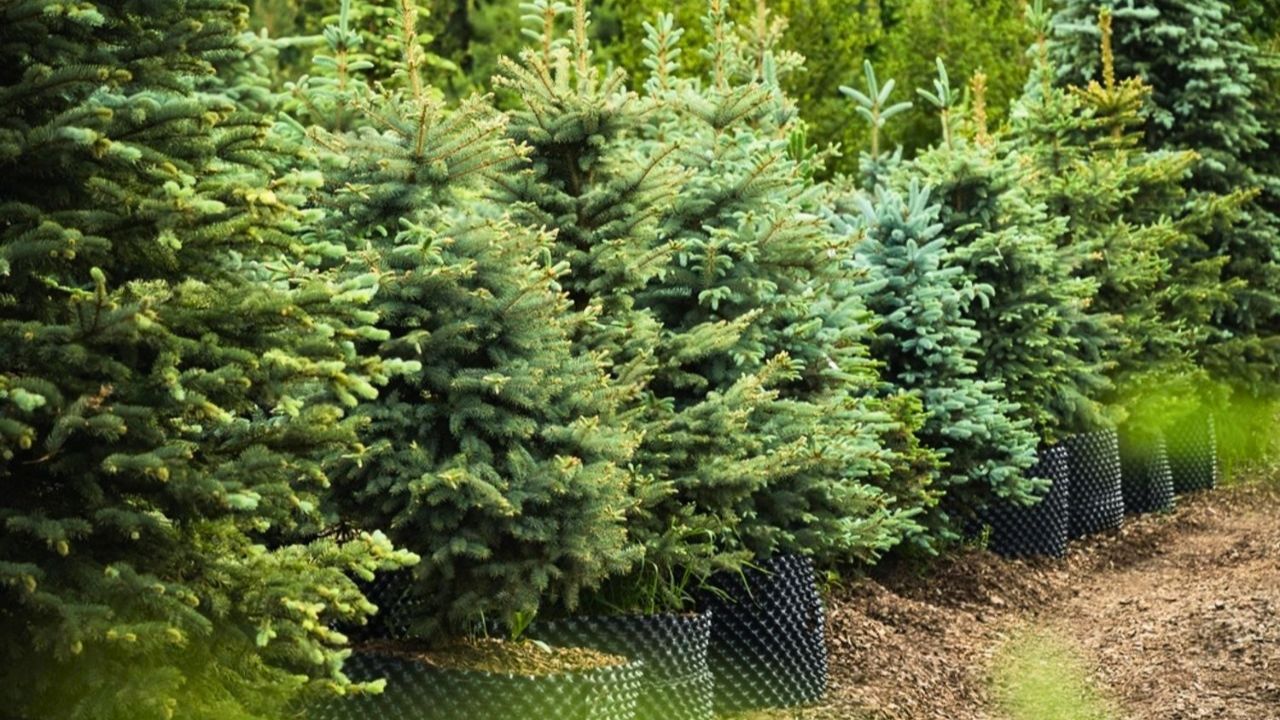
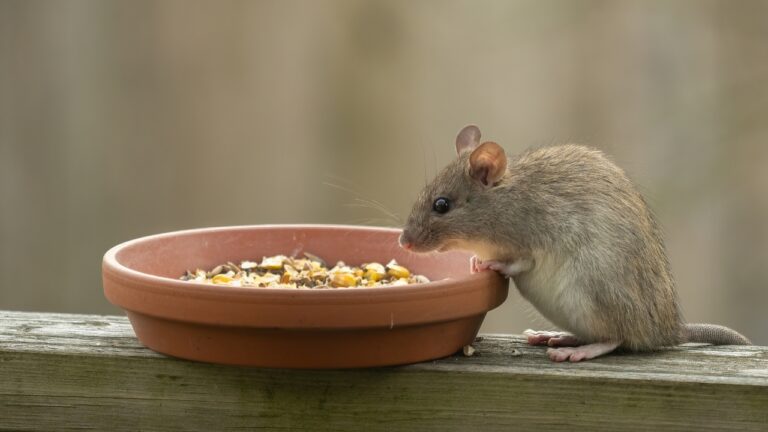
Spruce planted close makes a perfect hideout. Low branches touch the ground, block light, and create a dry tunnel right along the foundation. That’s when you start hearing scratching in the wall, or you find chewed hose bib insulation and shredded mulch under the branches.
Raise the canopy by removing lower limbs so you can see daylight under the tree, and keep a clear strip along the foundation. Don’t stack firewood there either. If rodents are already active, deal with the entry points on the house first, then adjust the landscaping so you’re not rebuilding their cover every season.
10. Sweetgum That Turns Yard Into Spikes
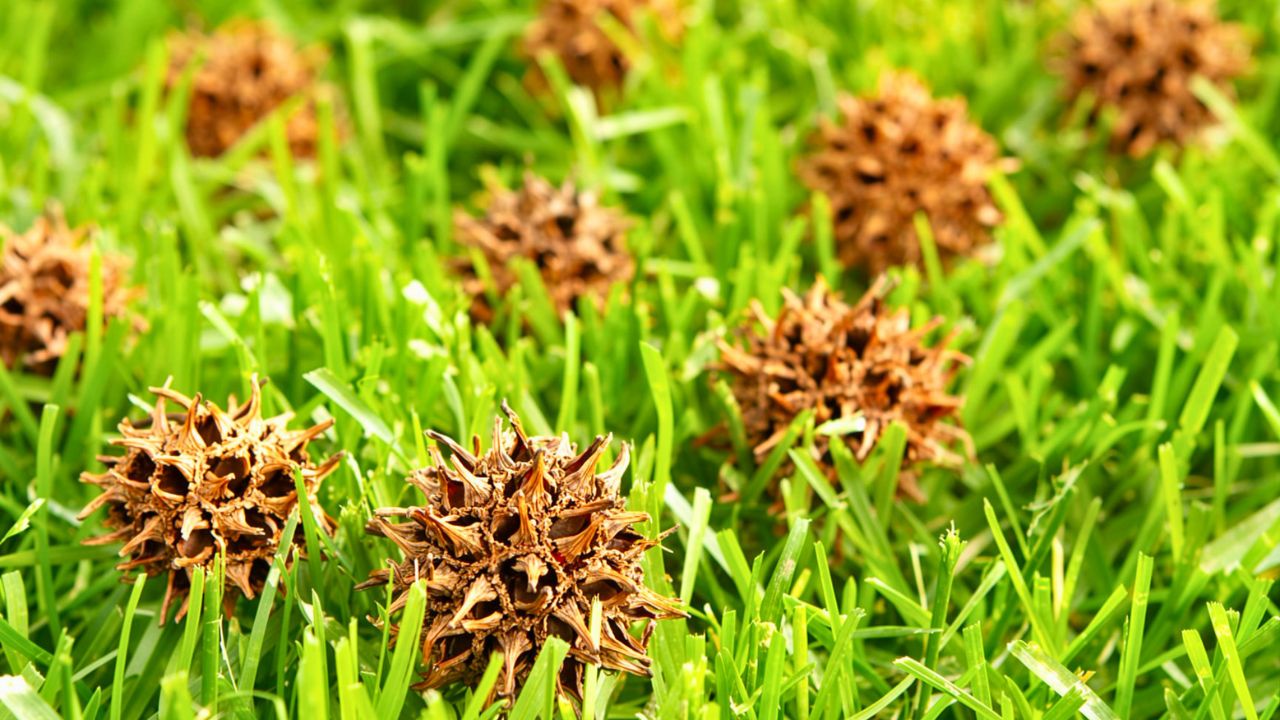
Those hard seed balls are ankle-rollers and mower missiles. You’ll find them jammed in the tread of shoes, wedged under the lawnmower deck, and scattered across the driveway like kid toys that never end. Raking helps for about ten minutes.
If it’s near a walkway, patio, or play area, it becomes a constant chore. Some varieties fruit less, but you can’t count on your tree being one of them. When it’s time to replace it, pick a shade tree that doesn’t turn cleanup into a weekly habit.
11. Leyland Cypress That Outgrows The Space
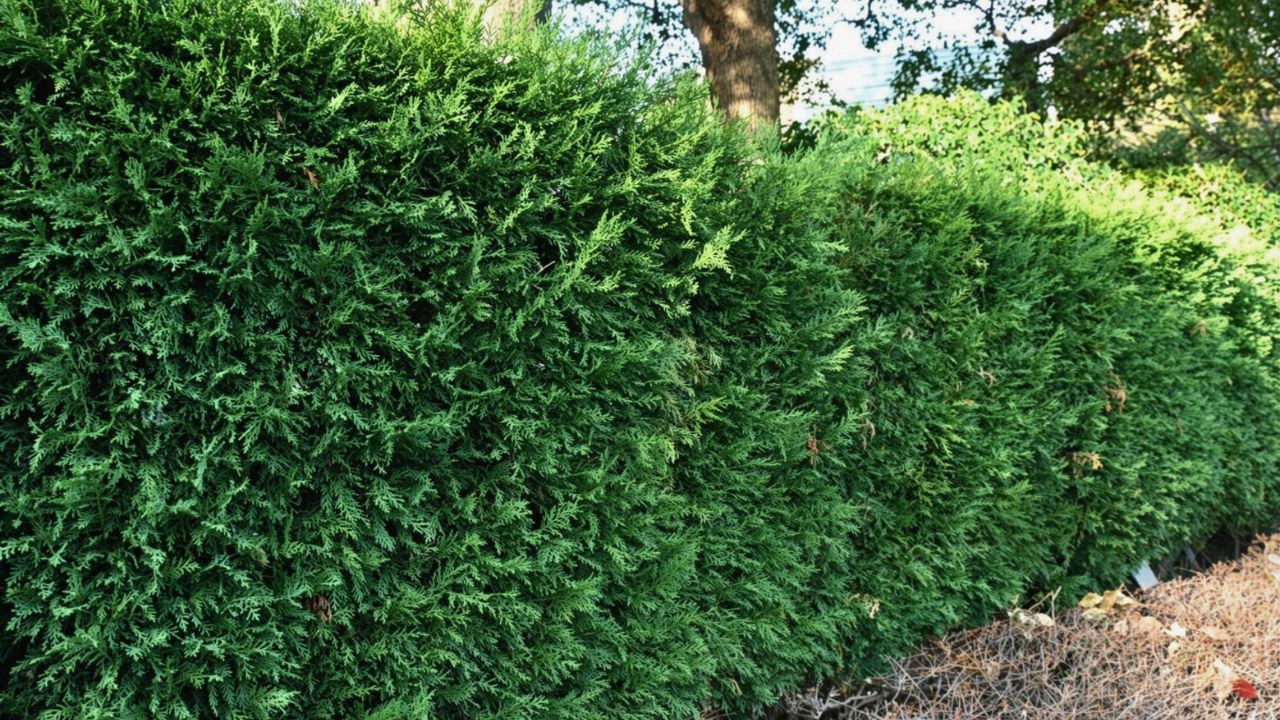
It starts as a cheap privacy wall, then it swallows the yard. Leyland cypress can get big fast, and once it’s tall, you can’t cut it back hard and expect it to fill in. You end up with a green giant leaning over the fence line, shading out gardens, and making neighbors grumpy.
The regret is often timing. People wait until it’s obviously too big, and then removal requires a crew, a chipper, and careful drops to avoid the house. If you want a screen near a home, choose something you can prune for life, not something that demands a chainsaw every few years.
12. Mulberry That Stains Everything Purple
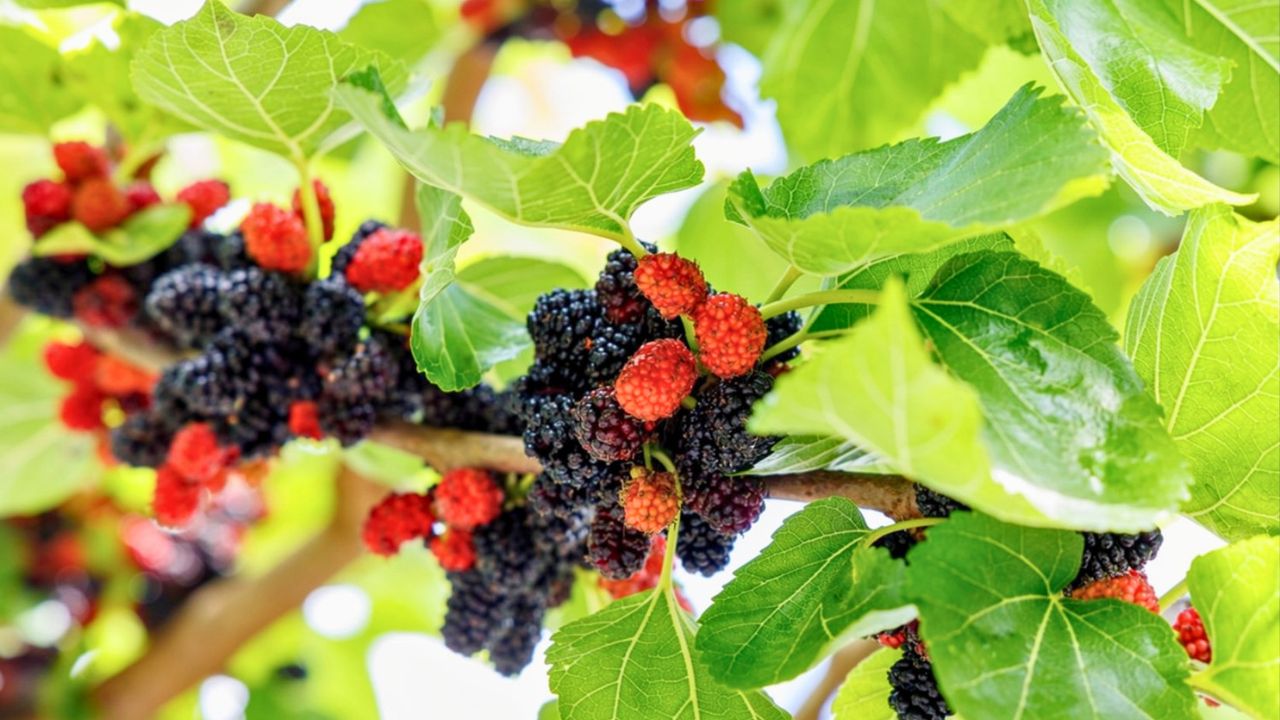
Mulberries feed birds, and the birds repay you by painting your siding, deck rails, and car. The fruit itself also drops and ferments on concrete, which gets slick and smells sour in hot weather. If it overhangs a roof, you can add gutter clogs to the list.
It’s not always a bad tree, just a bad location. Out at the edge of a property it can be a good wildlife draw and a decent shade tree. Near the house, it’s a cleanup job that never quite ends.
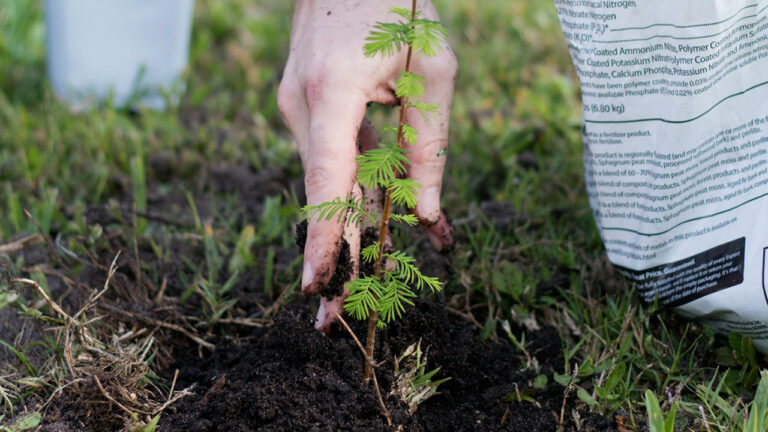
If you’re planting near the house, measure the mature spread, not the nursery tag height, and picture that canopy in a storm. Call 811 before you dig, and don’t gamble with trees that will someday hang over the roof or the service drop. A slower-growing tree in the right spot beats a fast-growing mistake every time.
Like Fix It Homestead’s content? Be sure to follow us.
- Man Says He Found Out the Fence He Paid For Wasn’t Actually on His Property
- Woman Says Her Neighbor Started Taking Mulch From Her Delivery Pile Before She Could Even Spread It
- I made Joanna Gaines’s Friendsgiving casserole and here is what I would keep
- What Caliber Works Best for Groundhogs, Armadillos, and Other Digging Pests?