What Actually Keeps Deer Out of a Yard
Photo credit: Vaclav Matous/Shutterstock.com
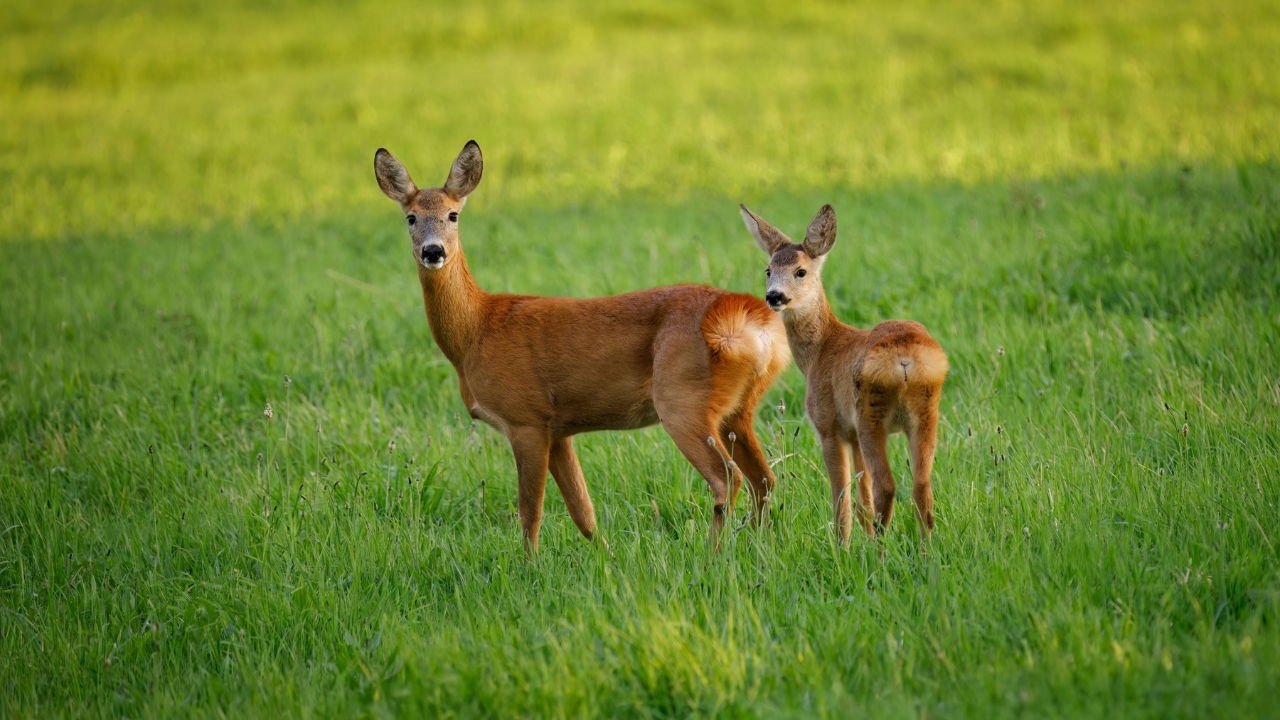
You can spend a lot of money on deer control and still wake up to hostas chewed to nubs and fresh hoofprints in the mulch. Deer are steady, quiet, and stubborn, and they learn your weak spots fast. What works is usually less flashy and more about blocking routes, breaking habits, and keeping the yard from feeling safe.
1. Real Fencing, Not “Deer-Resistant” Borders
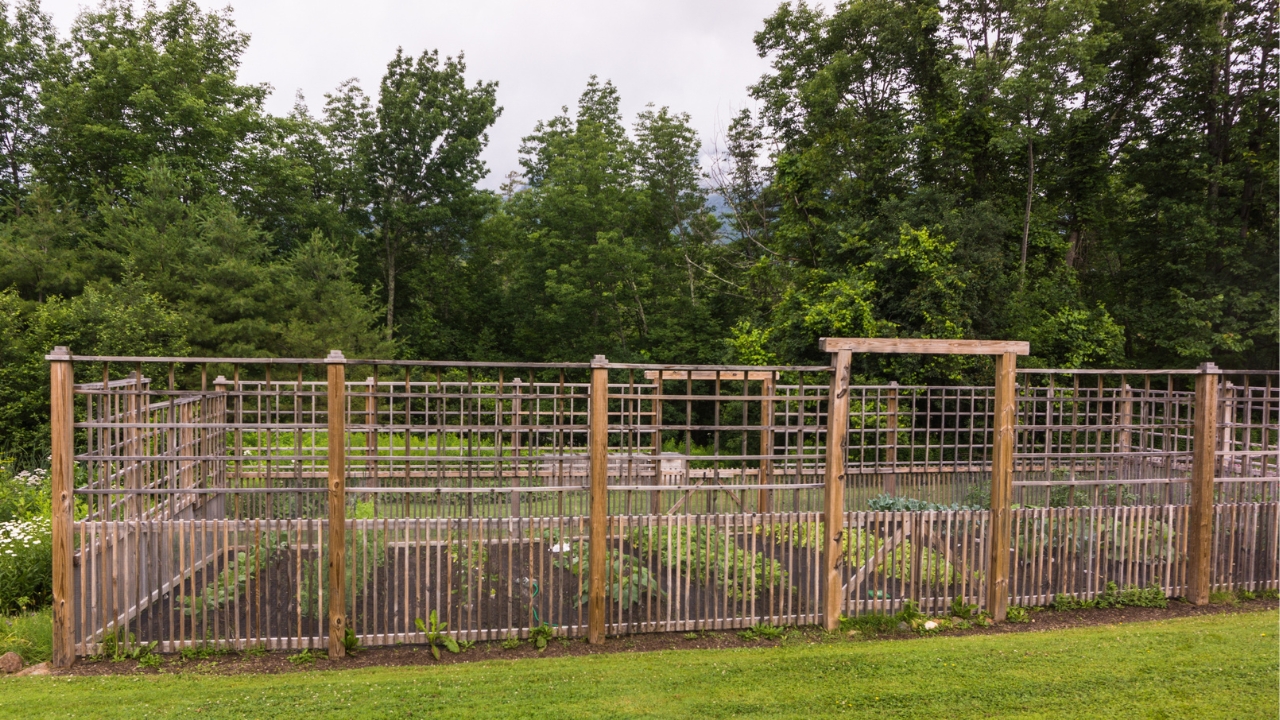
Little garden fences and short pickets look nice, but they read like a suggestion to a deer. If it’s under about 8 feet, a healthy adult can clear it, especially when food is on the other side. A solid, tall barrier is the only option that works day after day without you reapplying, refilling, or resetting something.
Woven wire on sturdy posts, or deer fencing designed for height and tension, does the job when it’s installed right. Corners need bracing, gates need to actually close, and the bottom needs to be tight to the ground so they don’t nose under it. If you’re setting posts, call 811 before you dig and check local rules, since fence height and placement can be regulated.
2. Double Rows That Mess With Depth
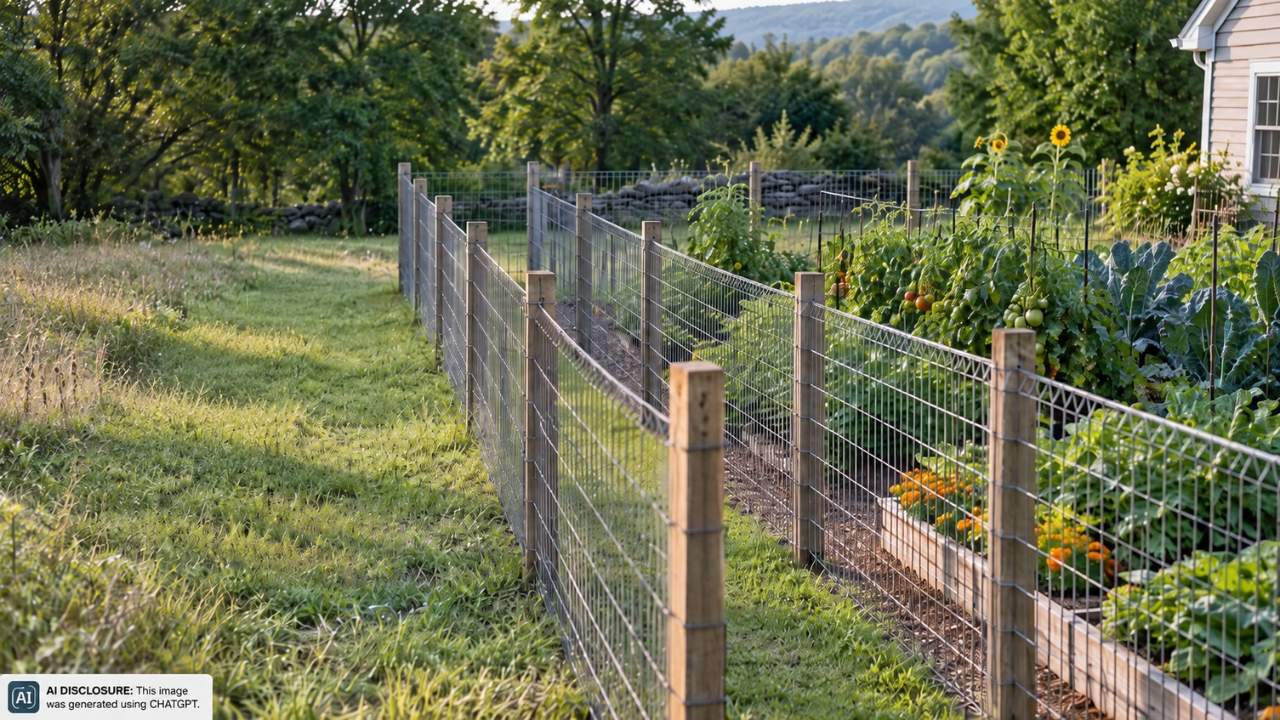
If an 8-foot fence is not happening, a double fence can be a smart workaround. Deer don’t love jumping into tight spaces they can’t judge well, so two shorter fences spaced apart can stop them even when each fence alone wouldn’t. This is one of those rare cases where the cheaper-looking setup can work.
Think two 4-foot fences about 3 to 5 feet apart, running the full length of the area you want to protect. It can be wire and posts, two rails, or a fence plus a second line using heavy-duty poly tape. The spacing matters, and gaps at corners matter more than you want to admit.
3. One Broken Gate Latch All Season
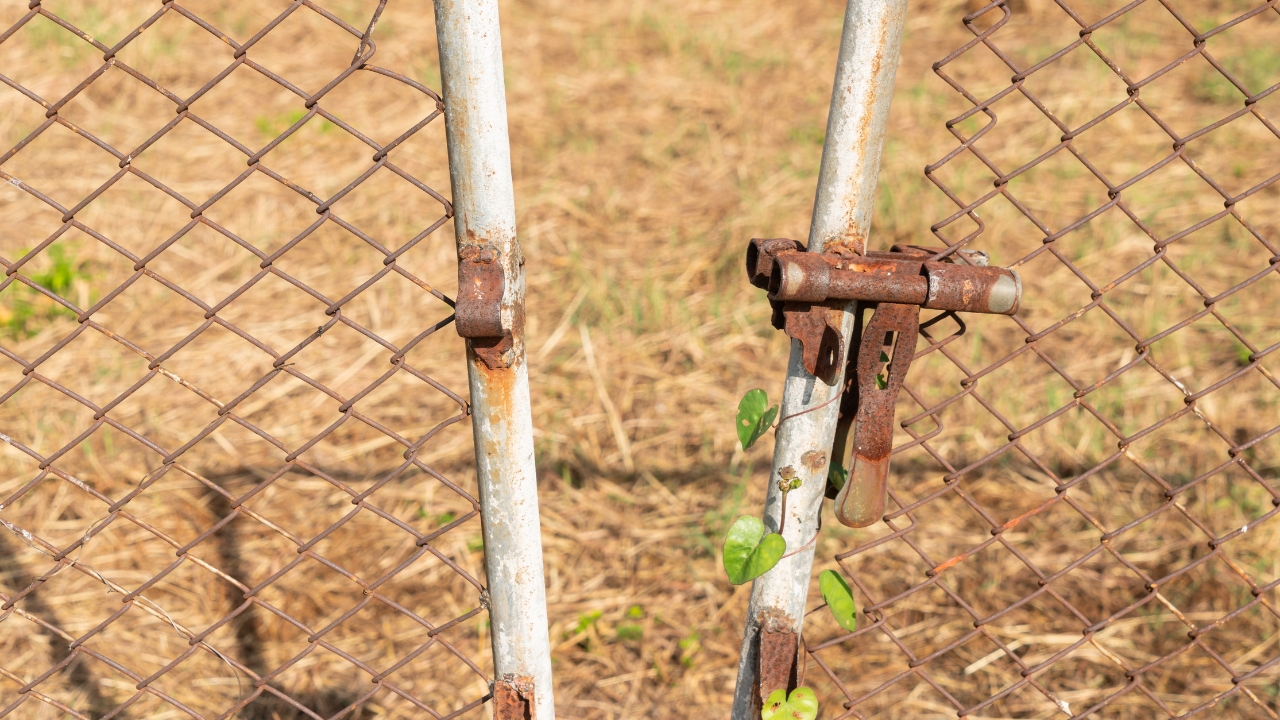
Deer don’t need an opening the size of a car. A gate that bounces open in the wind, a latch you “mean to fix,” or a sagging hinge that leaves a wedge gap is enough. Once they find that easy path, they’ll check it again and again.
Fix gates like you’d fix a chicken coop door: no slop, no swing, no excuse. Add a real latch, adjust hinges, and set a stop so the gate closes the same way every time. If the post is leaning, straighten it and tamp the soil, or reset it before you waste money on spray repellents that won’t matter.
4. Repellent Sprays Used Like Perfume
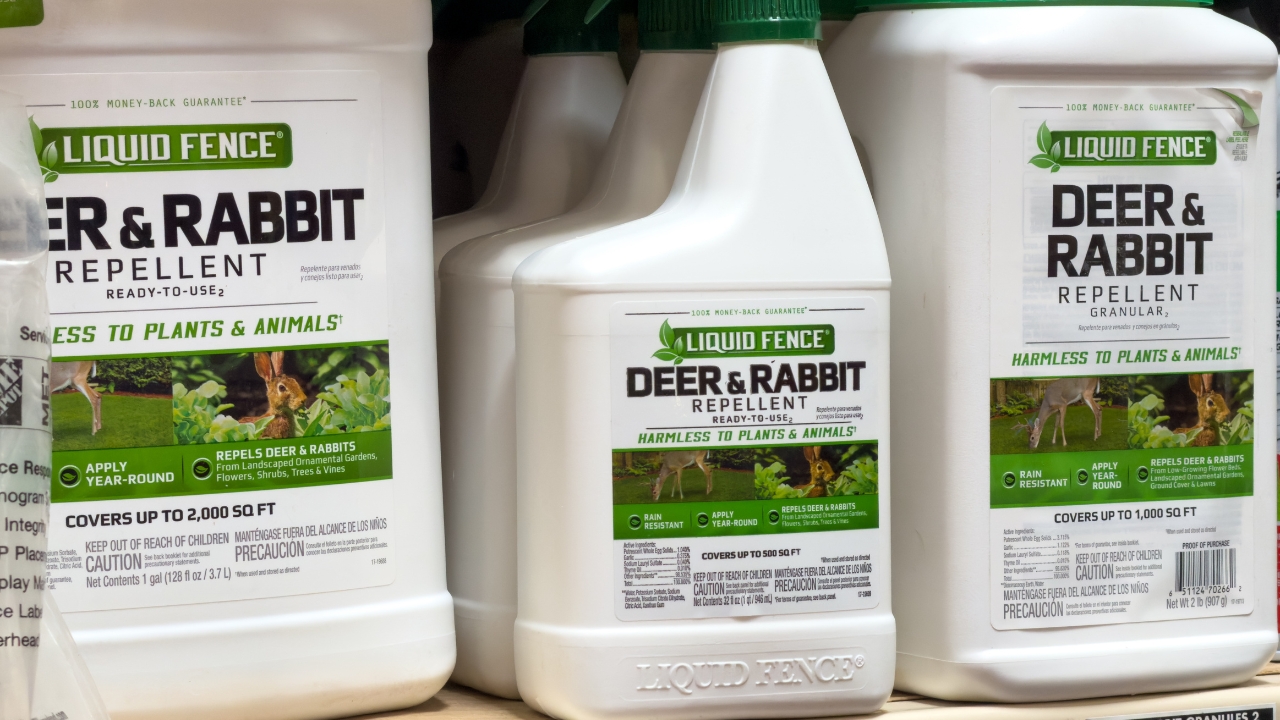
People buy a bottle, spray once, and then get mad when the deer come back. Most sprays work by smell or taste, and both fade fast in sun and rain. They also fail hard when new growth shows up, since deer want those tender tips.
If you use repellents, treat it like yard work, not a one-time purchase. Reapply after heavy rain, and hit new growth weekly during spring flush and again in early fall when browse pressure climbs. Rotate types so deer don’t get used to one smell, and don’t waste it on plants deer never touch.
5. Motion Sprinklers Aimed At The Wrong Place

Motion-activated sprinklers can work, but only when they startle the deer right where it enters. Set one in the middle of a bed and the deer is already eating before it trips the sensor. Set it too high and it shoots over their backs, or it triggers on your mailbox flag all night.
Place units along the approach routes, aimed across the path, not straight out into open lawn. Keep sensors clear of tall grass and low branches, and test them at dusk when light and shadows change. Before winter, drain them and store them, because a split housing after a freeze is a dumb way to lose an expensive tool.
6. Leaving A Snack Bar By The Porch
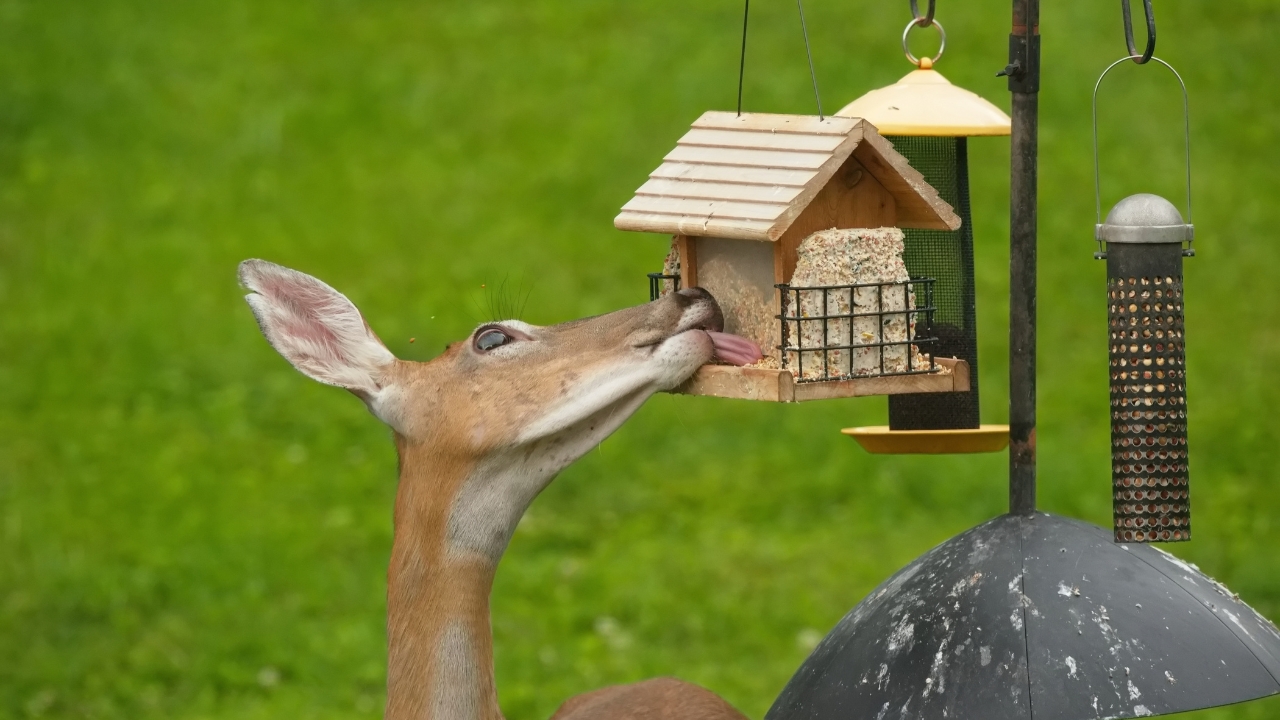
Deer don’t show up for “no reason.” Bird seed on the ground, fallen apples, a compost pile full of peelings, and dog food left outside are all invitations. Once deer get comfortable feeding near the house, the landscaping becomes the next course.
Use a seed catcher under feeders, sweep up spilled seed, and move feeders away from beds you care about. Fence fruit trees during drop season, or pick up daily if you can’t stand waste. Keep pet food indoors, and if compost is drawing deer, switch to a closed bin or bury kitchen scraps deep in an active pile so the smell doesn’t travel.
7. Planting The Exact Stuff Deer Love

Hostas, tulips, daylilies, and young arborvitae are basically a sign that says “Dinner.” “Deer-resistant” labels help, but hungry deer eat lots of things they’re supposed to avoid. If you keep replanting the same favorites, you’re just funding the herd.
Use the plants deer usually ignore as your front line: strong-scented herbs, fuzzy-leaf perennials, and tough natives that aren’t candy. Put the high-value plants in a fenced inner garden or right up against the house where you’ll notice damage fast. If you’re planting new shrubs, protect them the first couple years with mesh cages, because once a deer starts rubbing antlers on a sapling, it can be ruined in one night.
8. Unprotected Winter Evergreens And Screens
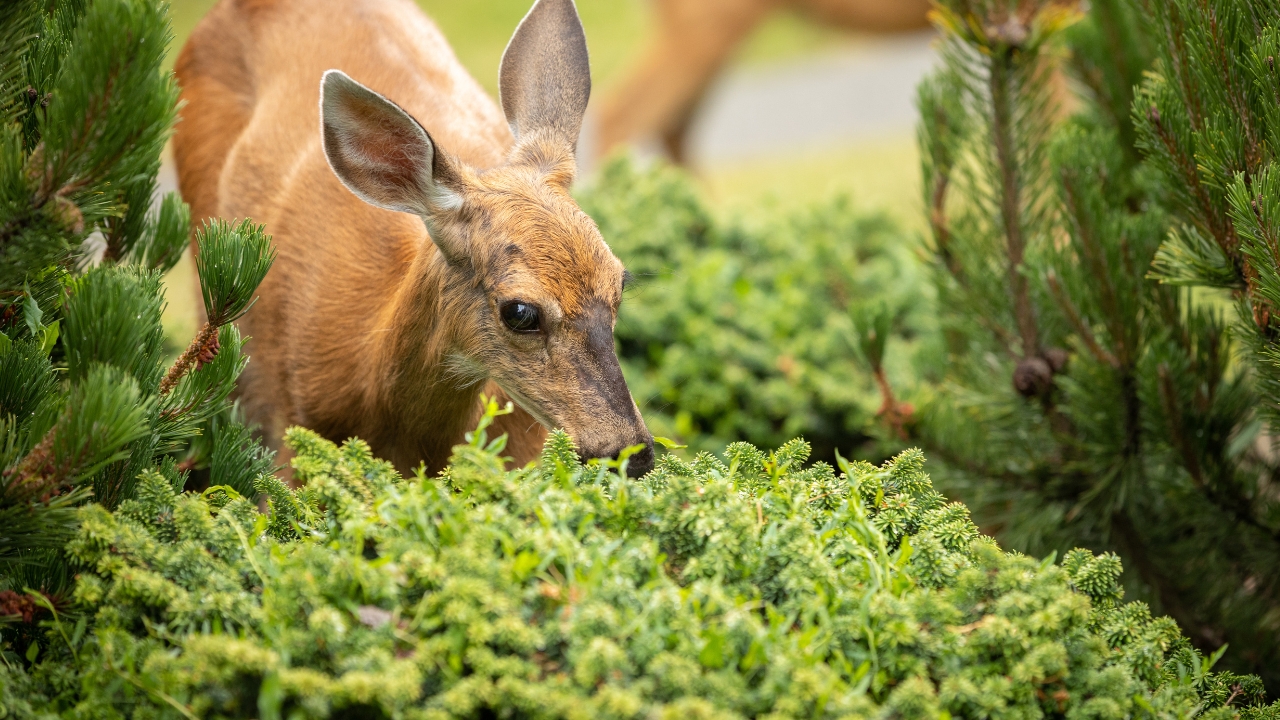
Winter is when people get blindsided. Snow covers natural browse, and deer start working on evergreen screens, yews, and holly like it’s a buffet. You notice in March when the plants look like they got hit with a hedge trimmer on one side.
Wrap vulnerable shrubs with temporary fencing or netting before the first hard snow, not after the first bite. Keep the barrier off the foliage so deer can’t press through and chew anyway. If you live where deer yard up in winter, this is one of the few times “do it early” is actually essential.
9. Forgetting The Nose-Level Entry Points
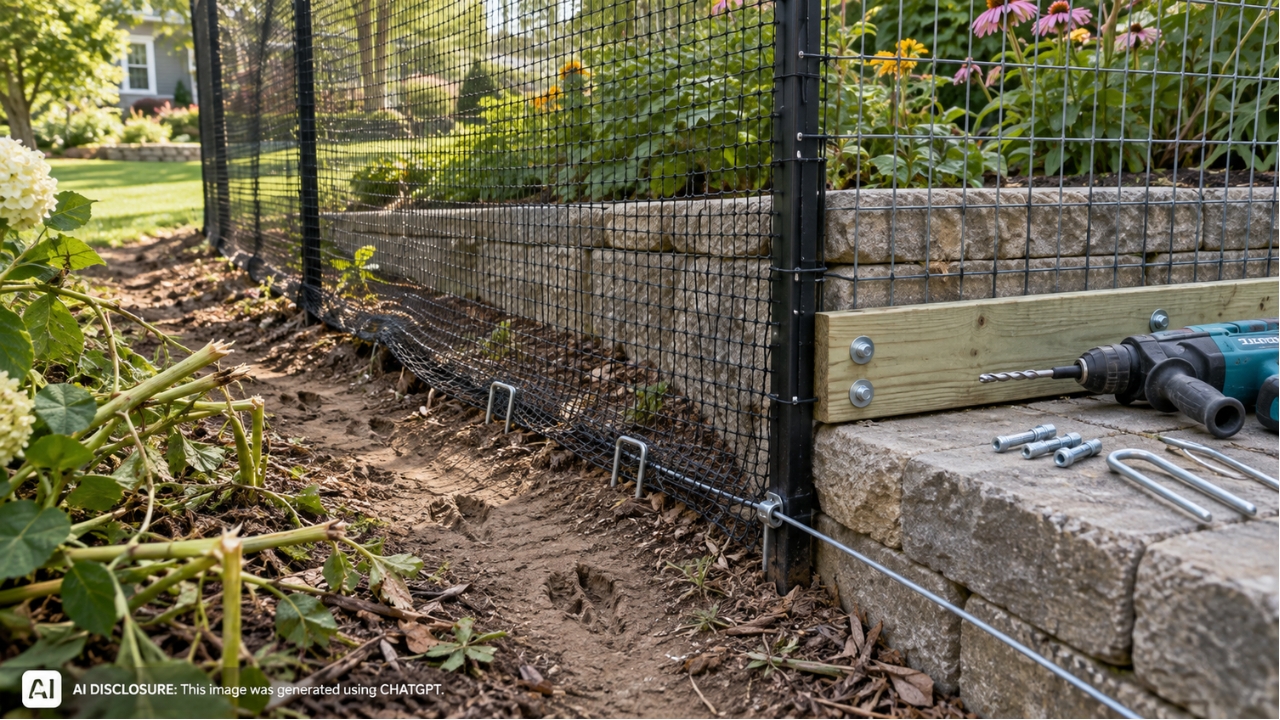
People look up for jumpers and forget deer also push, nose, and slide through. A loose bottom edge on net fencing, a gap under a deck, or an opening where the fence meets a retaining wall is all it takes. You’ll see it in the dirt, a narrow runway with tracks and snapped stems.
Pin down the bottom with landscape staples, add a ground-level tension wire, or run a treated board along the base where it stays straight. At hard spots like rock walls, fill the gap with welded wire attached tight to posts or masonry anchors rated for exterior use. If you’re drilling into concrete or stone, wear eye protection and use a real hammer drill, not a bargain driver that will burn up halfway through.
10. Counting On Light And Noise Alone
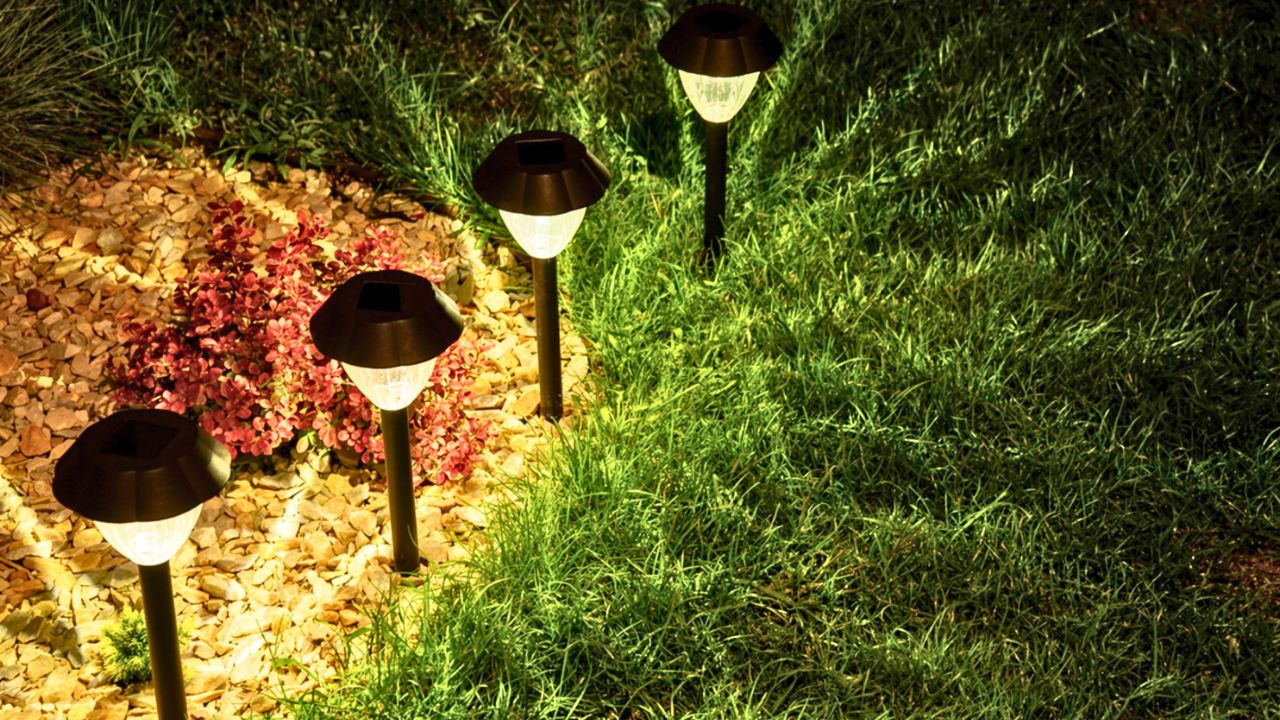
Solar stake lights, wind chimes, and a radio on the porch feel like they should work. Deer get used to them fast, especially in neighborhoods where they hear people all the time. After a few nights, the “scary” thing becomes background noise.
Light and noise are fine as short-term pressure, like right after you plant new beds, but don’t expect them to hold a line. If you use them, move them often and pair them with something physical like fencing or a sprinkler. Otherwise you’re just lighting the salad bar for them.
Pick one area you care about most and lock it down first, even if the rest of the yard stays more relaxed. Once deer stop getting easy wins, they spend their time somewhere else, and your plants finally get a chance to grow instead of recover.
Like Fix It Homestead’s content? Be sure to follow us.
- Man Says He Found Out the Fence He Paid For Wasn’t Actually on His Property
- Woman Says Her Neighbor Started Taking Mulch From Her Delivery Pile Before She Could Even Spread It
- I made Joanna Gaines’s Friendsgiving casserole and here is what I would keep
- What Caliber Works Best for Groundhogs, Armadillos, and Other Digging Pests?