10 Details in Every Room That Look Cheap Instantly
Photo credit: AnnaStills/Shutterstock.com
You can spend a weekend cleaning and still have a room feel off. Usually it’s not one big mistake. It’s a handful of small details that read as worn, rushed, or not cared for. Fixing them is mostly about tightening up edges and choosing materials that don’t scream “temporary.”
1. Blinds That Never Hang Straight
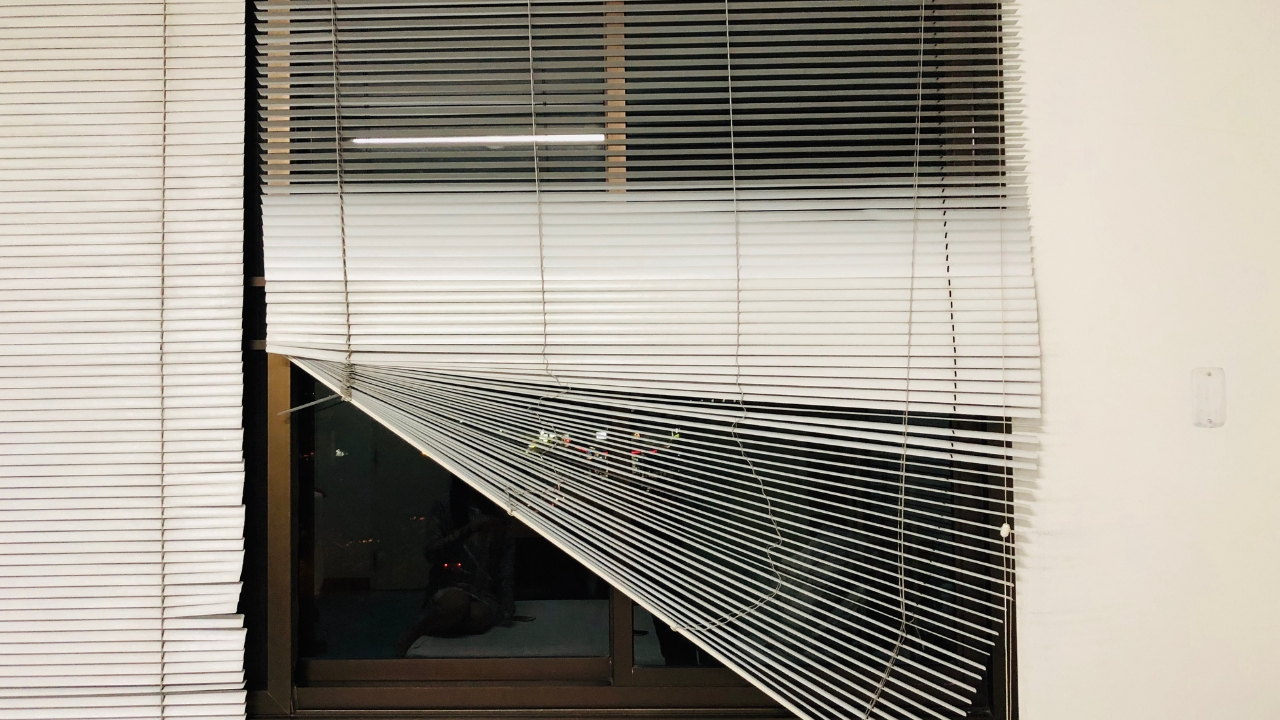
Crooked mini blinds, bent slats, and cords that puddle on the sill make a room look tired even if everything else is fine. Sun hits them and you see every wave and kink. You also hear them, that click-clack rattle in a light breeze from a window fan.
If the headrail is loose, snug the mounting screws and add a missing center bracket. Replace broken tilt mechanisms instead of wrestling the wand forever, the parts are cheap online and take about 20 minutes. If the blinds are just flimsy, swap to basic cordless cellular shades in white or light gray, they look clean and they hide slight window-frame flaws.
2. Paint Lines With No Cut-In
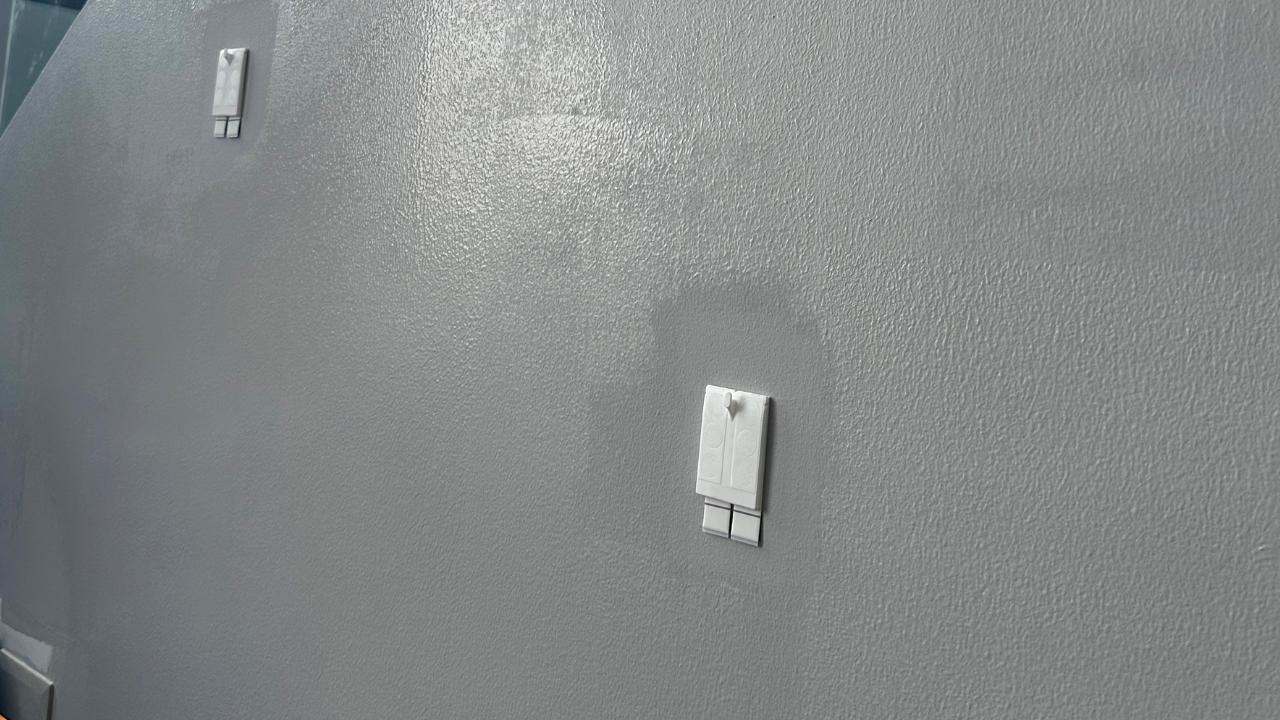
Walls look cheap fast when the paint edge wobbles at the ceiling, along baseboards, or around trim. You notice it most at dusk with lamps on, when shadows trace every mistake. A “good enough” line is the kind of thing buyers and guests spot right away.
Skip the painter’s tape on textured walls where it bleeds and pulls. Use a 2-inch angled sash brush, a steady hand, and a damp rag in your pocket. If your ceiling line is already messy, touch up with ceiling paint first, then cut the wall color back into a straight edge.
3. Outlet Covers That Don’t Match

Nothing says “patchwork house” like almond plates next to bright white ones, or glossy covers surrounded by matte paint. Some get cracked at the screw hole and flare out from the wall. You stop seeing them day to day, but the room still looks unsettled.
Pick one style and finish per floor, then replace them all in one go. Use a hand screwdriver, not a drill, so you don’t crack the plate or strip the screw. If a cover sits crooked, the box is probably tilted, and that’s a job for an electrician if you’re not comfortable working around wiring.
4. Curtains Hung Too Low And Narrow
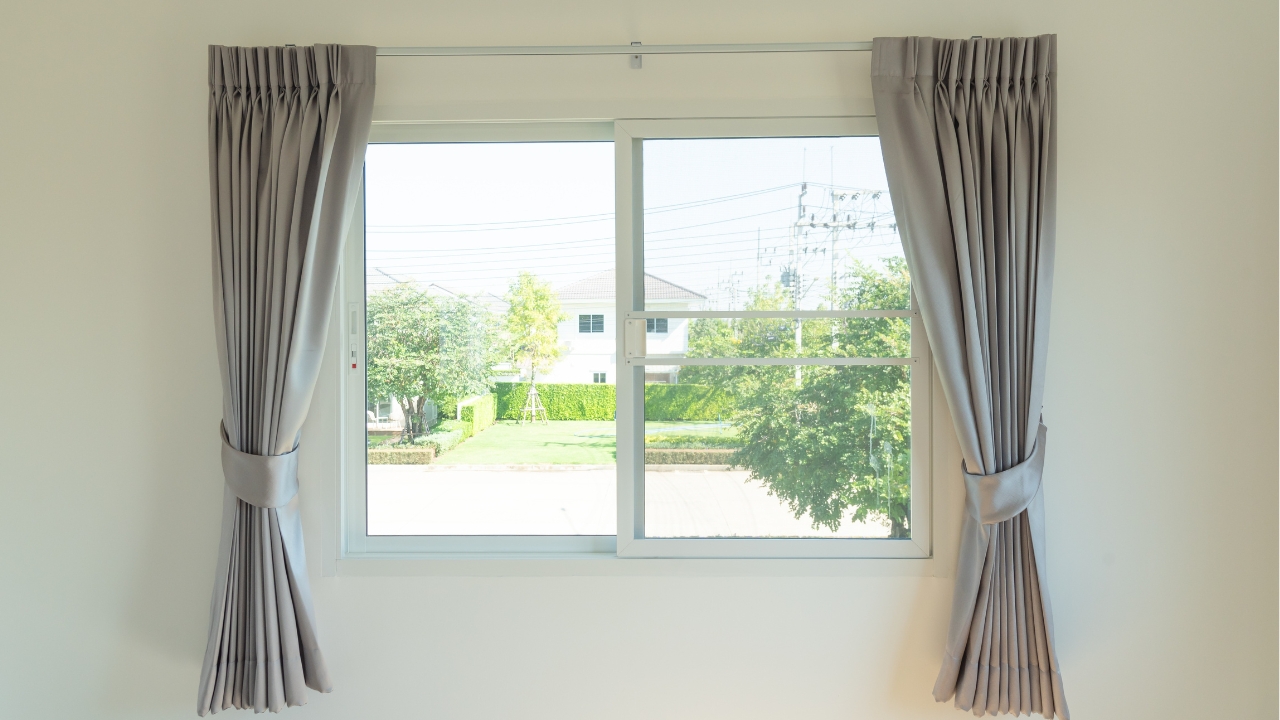
When the rod is right on top of the window trim and the panels barely cover the glass, the whole wall looks squat. Thin fabric that turns into a wrinkled rope at the bottom doesn’t help. This is one of those “cheap instantly” things because it reads like a quick move-in fix.
Mount the rod higher, usually a few inches above the trim or near the ceiling if the room can take it. Go wider so the panels stack mostly on the wall, not over the window. Iron them once, or toss them in the dryer with a damp towel for 10 minutes and hang them right away.
5. Light Bulbs In Mixed Color Temps

One lamp is blue-white, the ceiling fixture is yellow, and the hallway is something in between. The room feels wrong and you can’t tell why. Skin tones look sickly and paint colors shift depending on which switch is on.
Pick a color temperature and stick to it in each room. Warm white is usually kinder in living rooms and bedrooms, neutral white works in kitchens and shops. The cheap fix is just matching bulbs, and labeling the box in a closet so the next replacement doesn’t undo the whole thing.
6. Loose Hinges And Slamming Doors
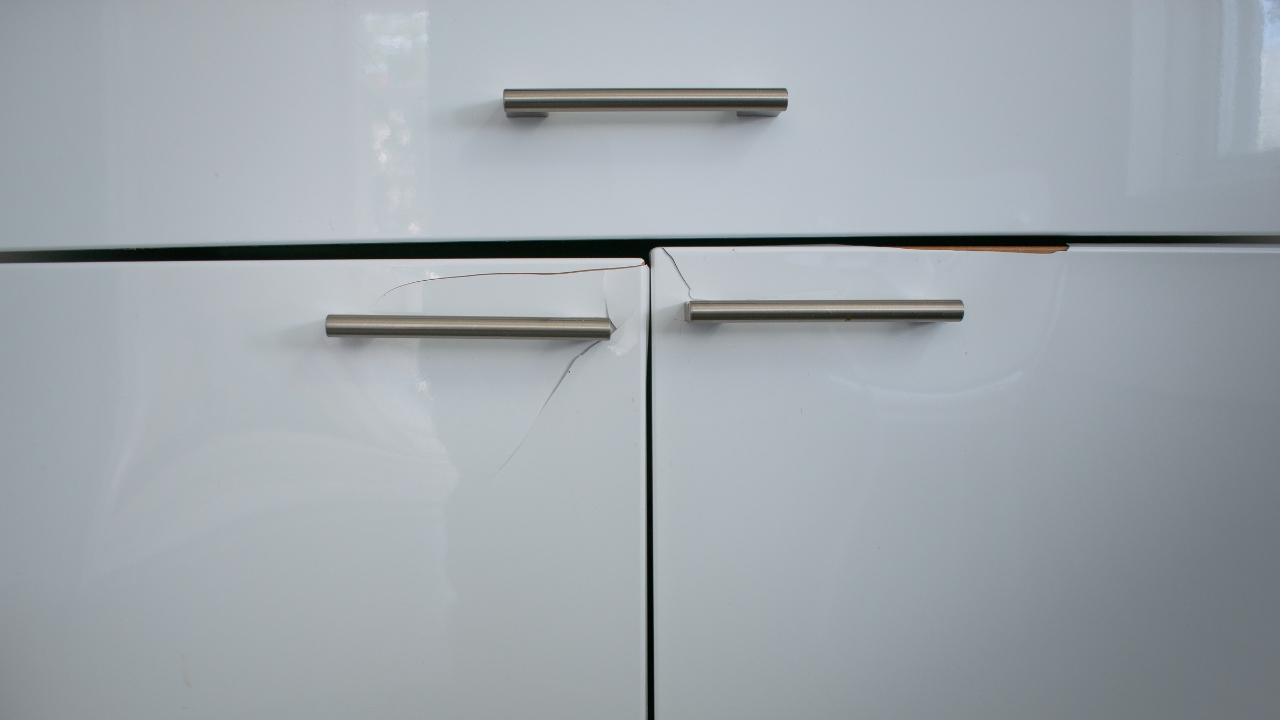
Doors that don’t latch, cabinets that sag, and drawers that scrape sound like neglect. That noise carries, especially in an older farmhouse with hard floors. It’s not a design problem, it’s a maintenance problem people can hear.
Tighten hinge screws and replace stripped ones with longer screws that bite into framing, not just trim. Add stick-on bumpers inside cabinet doors and adjust the strike plate so the latch hits clean. If a door is rubbing because the frame is out of square, a carpenter can fix it fast, and it’s money well spent.
7. Fake Greenery Covered In Dust

Plastic plants can look fine from across the room, then sunlight hits the leaves and you see the gray fuzz. It reads like a forgotten corner in a waiting room. Real plants that are half-dead do the same thing, just with crispy edges.
If you keep faux greenery, rinse it in a sink or hit it with a damp microfiber cloth every couple months. If you can’t keep plants alive, pick one tough real plant and put it where it will actually live, near a window, not in the dark by the TV.
8. Gaps At Baseboards And Trim

Those little shadow lines where trim meets wall are loud. They show up more in winter when wood shrinks and the house dries out. Even new flooring looks bargain-basement when you can see daylight under quarter round or a messy caulk bead.
Re-caulk small gaps with paintable acrylic latex caulk, tool it with a wet finger, and paint after it cures. For bigger gaps, you need a backer rod or you’re just filling a canyon with caulk that will crack. If trim is pulling away because of moisture issues, fix the humidity or the leak first or you’ll be doing it again next season.
9. Overstuffed Open Shelves And Counters

Open shelving looks nice in photos, then real life happens and it turns into a clutter billboard. Too many small items makes even decent stuff look like a thrift pile. Kitchens and bathrooms get hit hardest because daily-use gear spreads out.
Give counters a “working zone” and keep the rest clear, put the toaster away if you only use it on weekends. Use trays to corral soap bottles or oils so it reads as one thing, not nine. If you love open shelves, commit to fewer pieces and repeat shapes, stacks of the same plates look calmer than a mix of mugs and random jars.
10. Cheap Hardware On Solid Doors
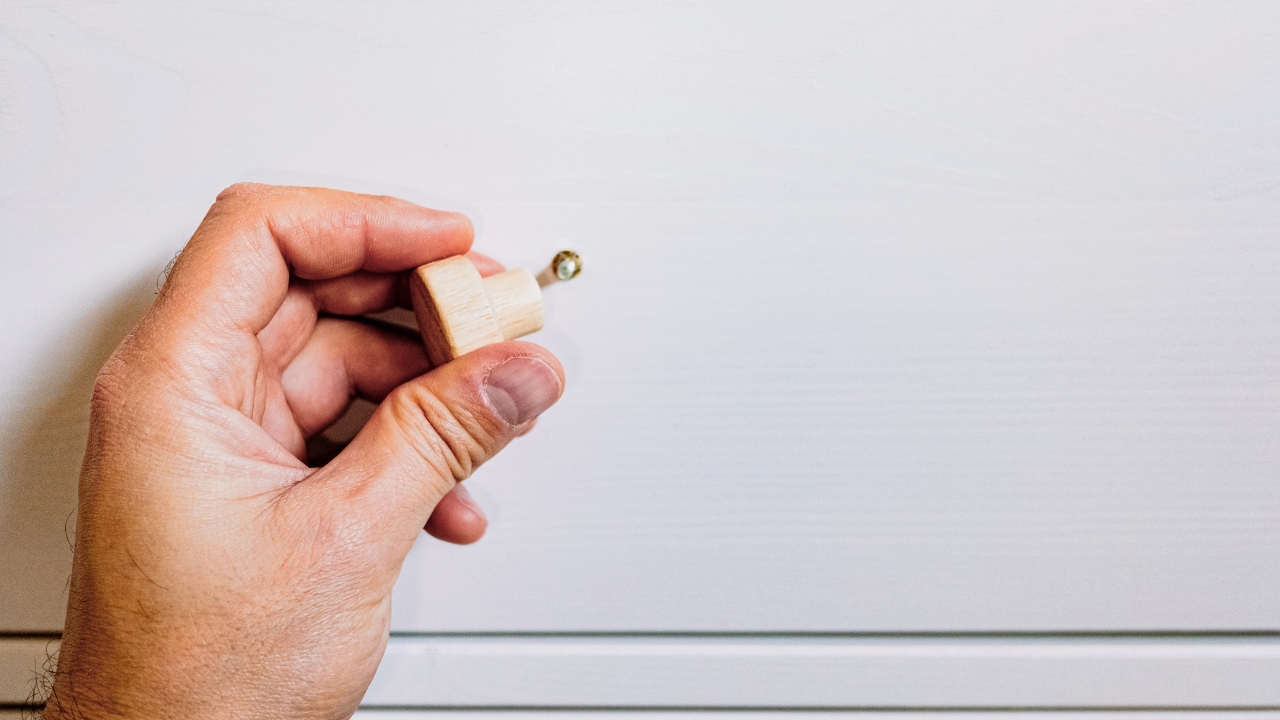
Nice cabinet doors with bargain pulls look like a flipped rental. Shiny thin knobs that loosen every month are a dead giveaway. You touch hardware more than almost anything else in a room, so you feel “cheap” even if you can’t explain it.
Spend a little more on simple, heavier pulls in one finish, and make sure the screw length matches the door thickness. Use a drill guide or a hardware jig so holes line up, crooked pulls ruin the upgrade. Honest exception, if you’ve got a workshop or mudroom, basic hardware is fine as long as it’s tight and functional.
Pick two rooms and fix just one or two details in each, then live with it for a week. The right changes make the whole place feel calmer, and they hold up through kids, pets, mud season, and a busy weeknight. Small fixes are where a house starts looking cared for.
Like Fix It Homestead’s content? Be sure to follow us.
- Man Says He Found Out the Fence He Paid For Wasn’t Actually on His Property
- Woman Says Her Neighbor Started Taking Mulch From Her Delivery Pile Before She Could Even Spread It
- I made Joanna Gaines’s Friendsgiving casserole and here is what I would keep
- What Caliber Works Best for Groundhogs, Armadillos, and Other Digging Pests?