12 Plants Deer Will Destroy Before Anything Else
Photo credit: Drakuliren/Shutterstock.com
You can have a neat yard at dusk and wake up to a salad bar at dawn. Deer don’t nibble like rabbits, they bite off whole tips, strip buds, and walk away like they paid for it. The worst part is how fast it happens right when your plants are finally looking good.
1. Hostas In The Shade Bed
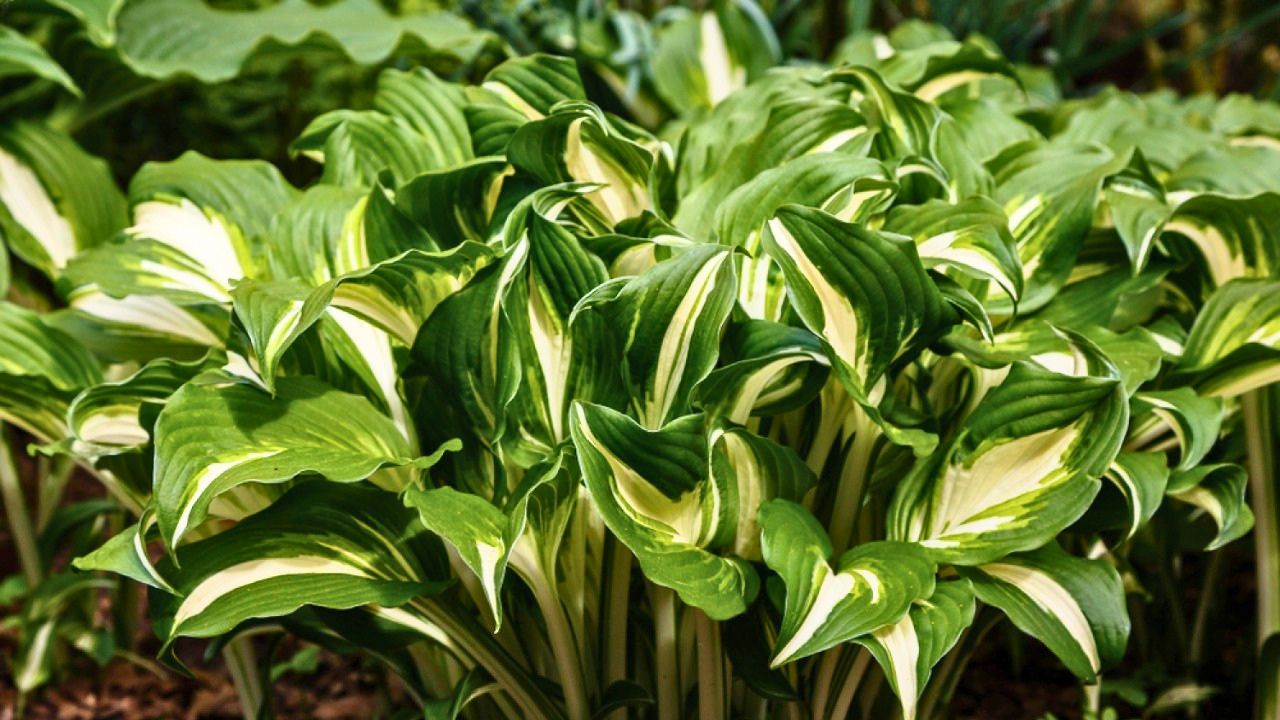
Hostas are basically deer candy, soft leaves, easy height, planted in tidy clumps that are simple to mow down. You’ll see ragged half-moons torn out of the leaf edges, then the whole plant gets scalped down to stems. One night can undo a whole season of slow fill-in.
If you want hostas anyway, stop pretending “they’ll learn” and put a real barrier in place. A tall fence works best, but even a temporary ring of welded wire around each clump saves them during peak browsing. Repellents help for a week or two, then rain and new growth bring deer right back.
2. Daylilies By The Walkway
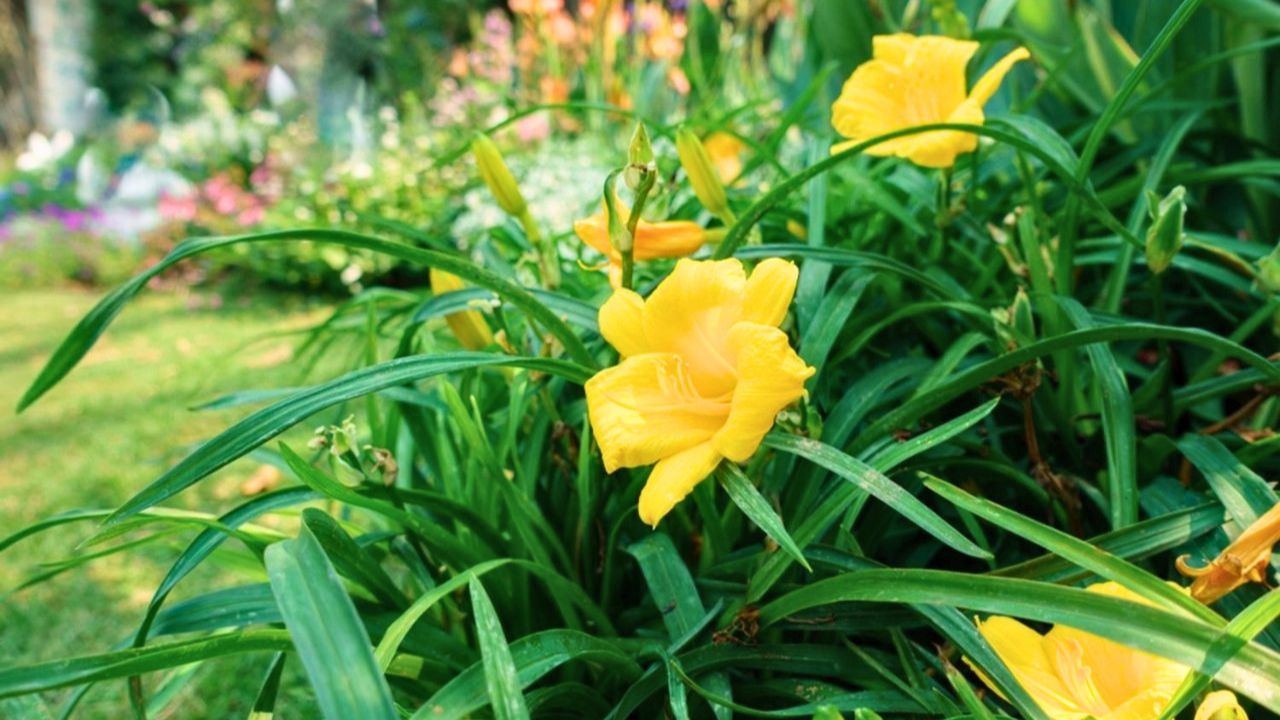
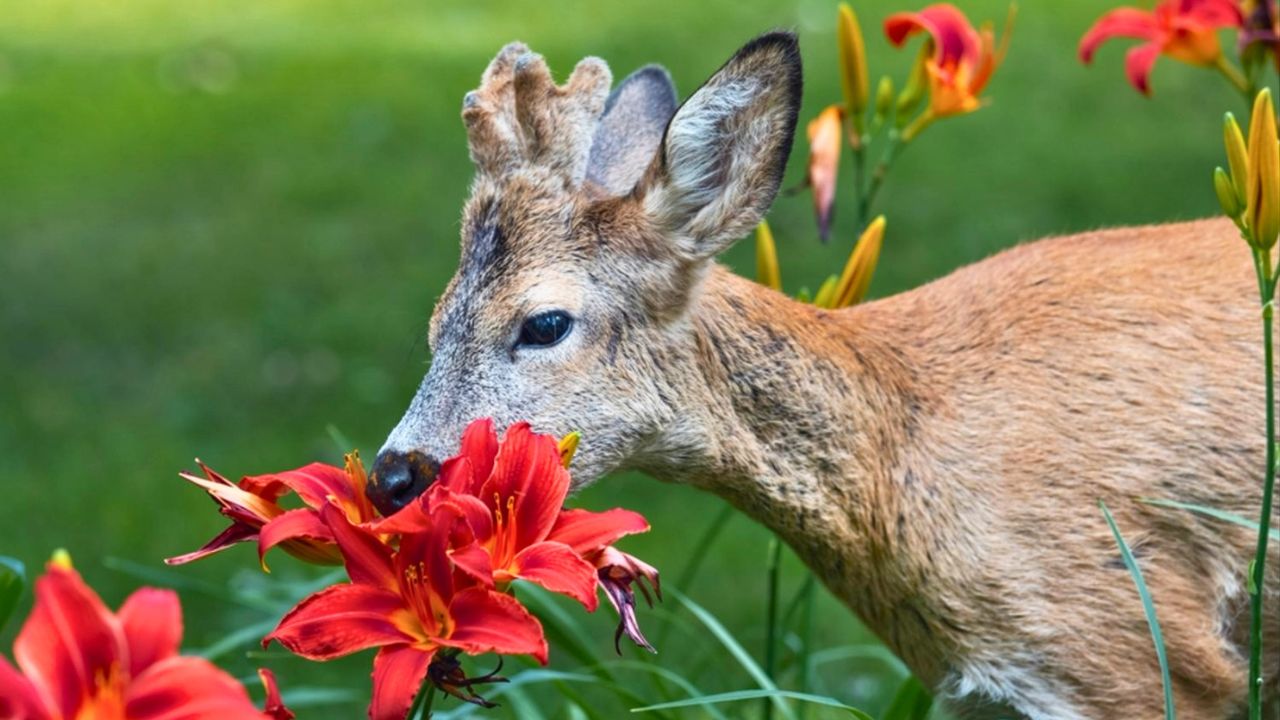
Daylilies are tough, until deer find them. They take the tender top growth first, then come back for buds, so you get green stubs and no blooms. It’s extra irritating because daylilies are usually planted where you see them every day.
Move them closer to the house only helps if deer already avoid your porch area. If deer are bold, cage the clump early in spring or swap to something they skip, like daffodils or alliums. Don’t waste money fertilizing to “help them recover” if the browse pressure stays the same.
3. Tulips In The Front Border

Tulips disappear right when you’re waiting on color. Deer bite the bud clean off and sometimes take the whole stem, leaving you with nothing but a sad green spear. A lot of people blame weather, but a clean angled cut is usually teeth.
If tulips are your spring thing, plan on protection from the moment shoots show. Low chicken wire laid flat over the bed works until stems stretch, then switch to a taller barrier. Otherwise, put your money into bulbs deer hate, like daffodils, snowdrops, and most ornamental alliums.
4. Rose Bush New Shoots
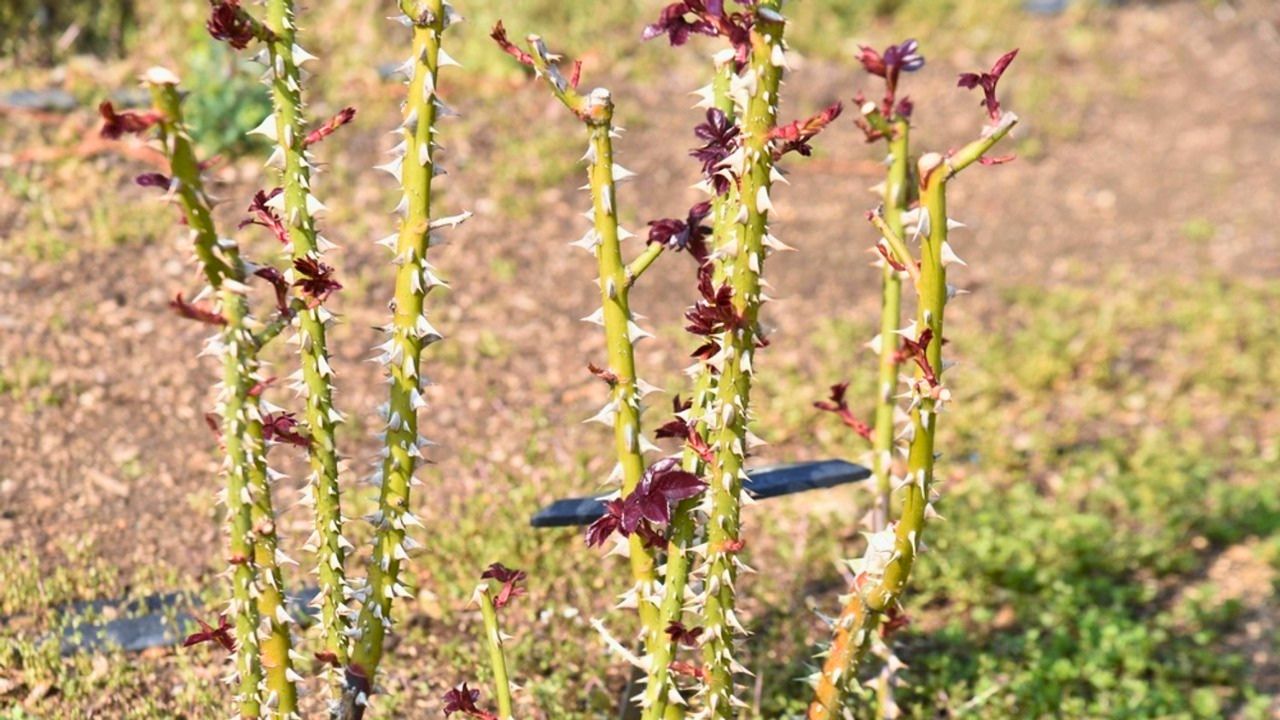
Roses don’t get “ruined,” they get set back hard. Deer go for the tender new canes and flower buds, and they don’t care if it’s a fancy shrub rose or a climbing rose you trained for two years. The damage looks like a bad pruning job done with dull snips.
Start protecting roses at bud break, not after the first bite. A wire cylinder staked around the plant works and still lets you prune and deadhead. Repellent is fine as a helper, but it needs reapplication, and it won’t save the flush of growth during a wet week.
5. Arborvitae Screens And Hedges
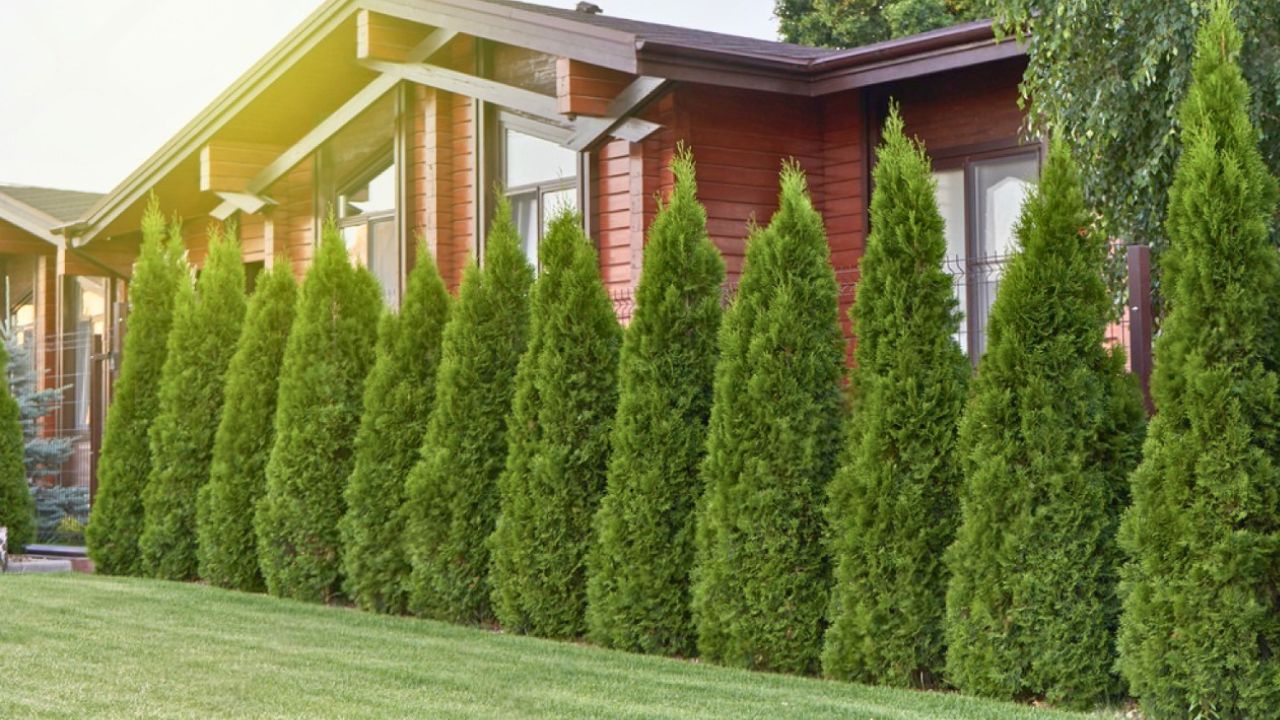
Arborvitae look safe because they’re woody, but deer browse them hard in fall and winter when other food is thin. You’ll see a flat “browse line” where everything up to about shoulder height is stripped, and the hedge never fills back in on the bare side. That turns a privacy wall into a patchy row of green pom-poms.
If you’re planting for screening, don’t set yourself up for a long, expensive disappointment. Fence the whole row for the first few years or wrap each plant with a sturdy mesh. Skip the flimsy spiral guards that blow loose, and don’t rely on “deer resistant” tags for arborvitae in a high-pressure area.
6. Young Fruit Trees And Low Branches
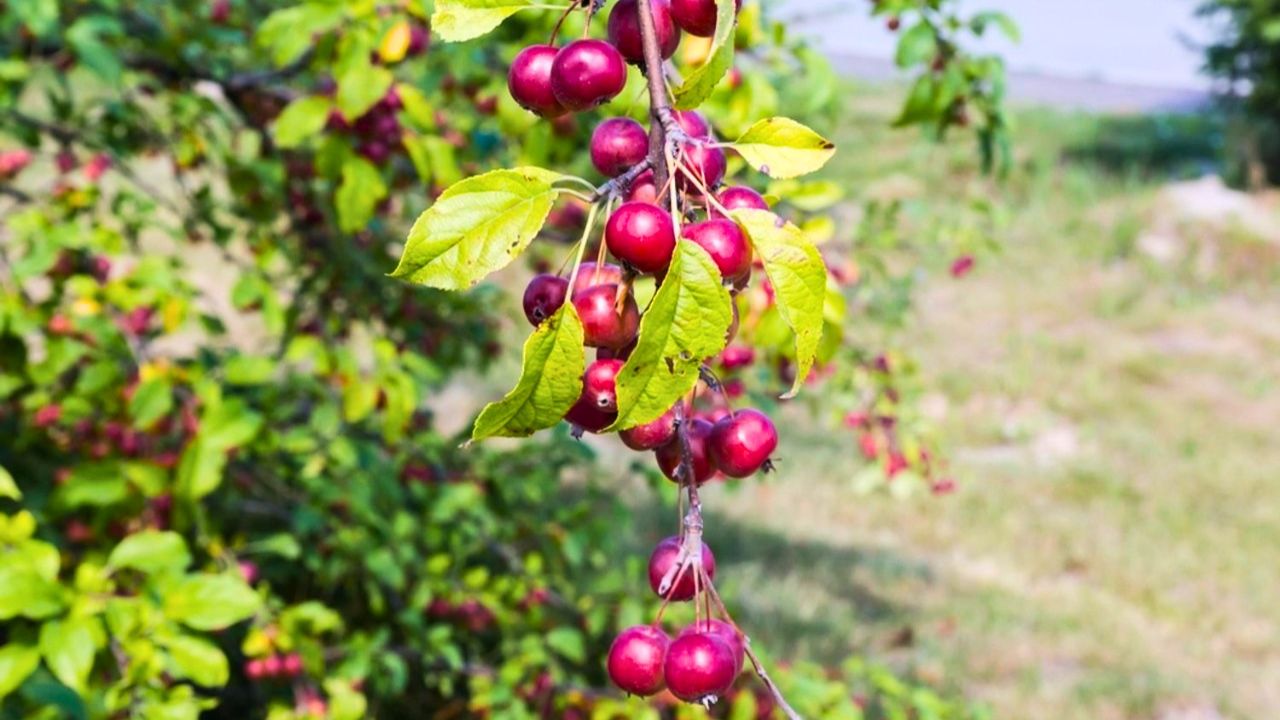
Apple, pear, plum, and cherry trees take a beating two ways, browsing and rubbing. Deer nip off new growth and strip leaves, then bucks rub antlers on the trunk in fall and scrape bark right down to wood. A young tree can die from that, even if it was growing fine all summer.
Use a real trunk guard and a tall cage, not a tiny sleeve that only covers the bottom foot. Stakes and welded wire panels make a solid circle that keeps deer from reaching branches while the tree is small. If you’re planting an orchard row, plan protection into your layout so mowing and weed trimming are still easy.
7. Vegetable Bean Rows And Pea Vines
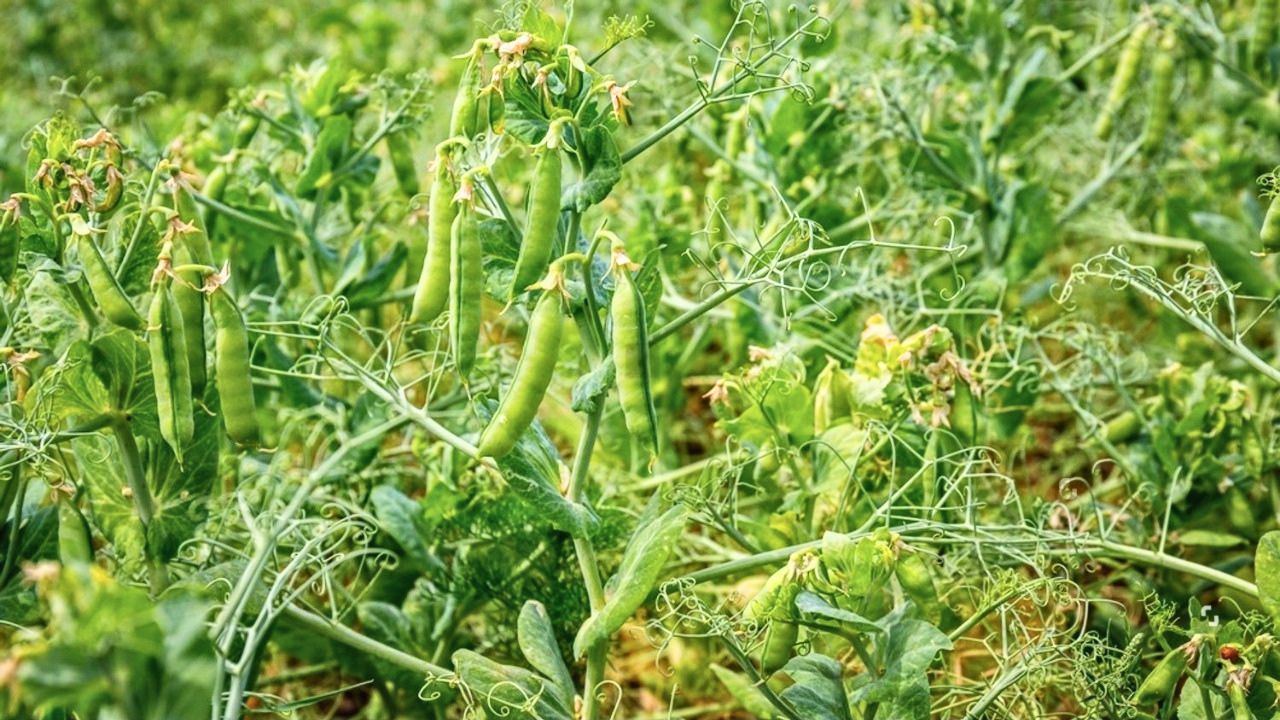
Beans and peas are an all-you-can-eat buffet. Deer don’t just take a few leaves, they snap stems, pull vines off trellises, and come back nightly once they know where the patch is. You can lose an entire planting before it ever flowers.
Netting can work if it’s tight and supported, but loose netting is a mess and can trap wildlife. A simple fence is usually the best use of time, even if it’s temporary for the growing season. If you can’t fence, grow beans close to the house in containers and pick early and often, since young growth draws the most attention.
8. Sunflower Heads Before They Ripen
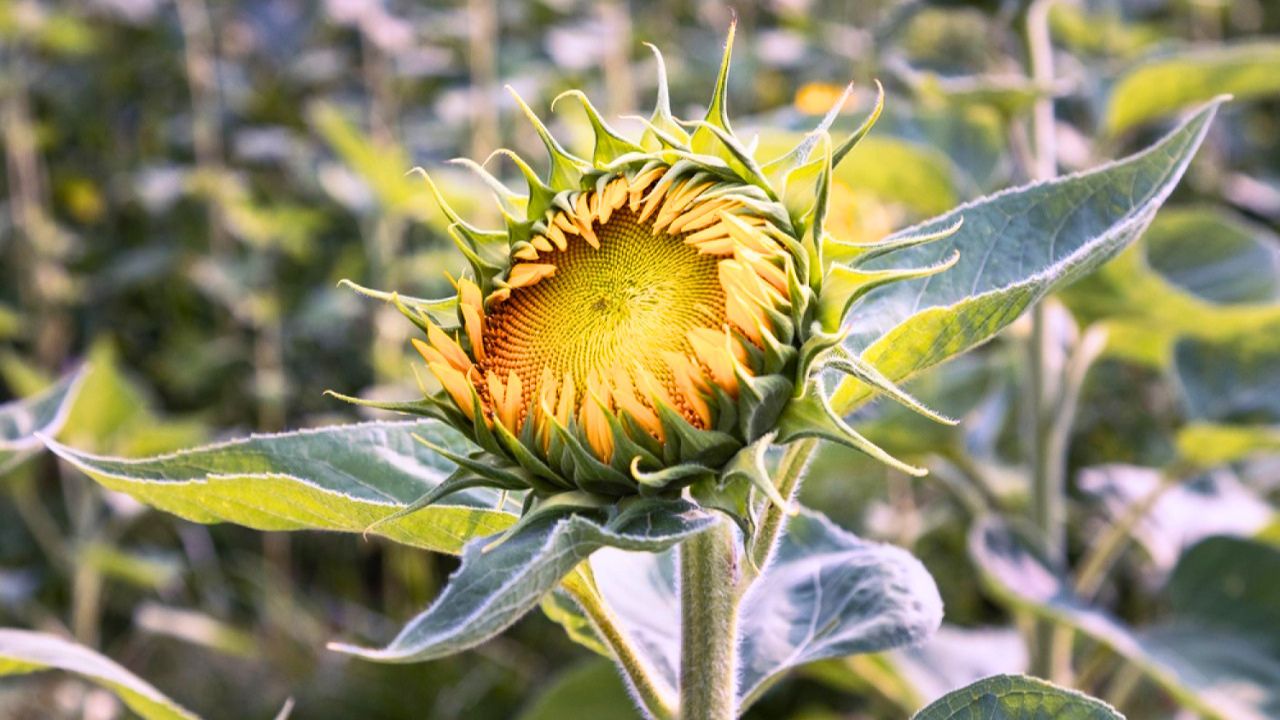
Sunflowers feel like a safe bet because they’re tall and rough, but deer love the developing heads. They’ll bite the top clean off right before the seeds fill, and you’ll find a thick stem with a blunt end like someone used a lopper. If you’re growing them for chickens or seed saving, that stings.
Don’t wait until the heads are big, protect them when buds start to swell. A temporary fence around the patch works, or bag individual heads later with breathable mesh if the stalks are already too tall to cage. If deer pressure is heavy, shorter branching sunflowers often take less damage because you can protect them easier.
9. Hydrangea Tips In Early Summer
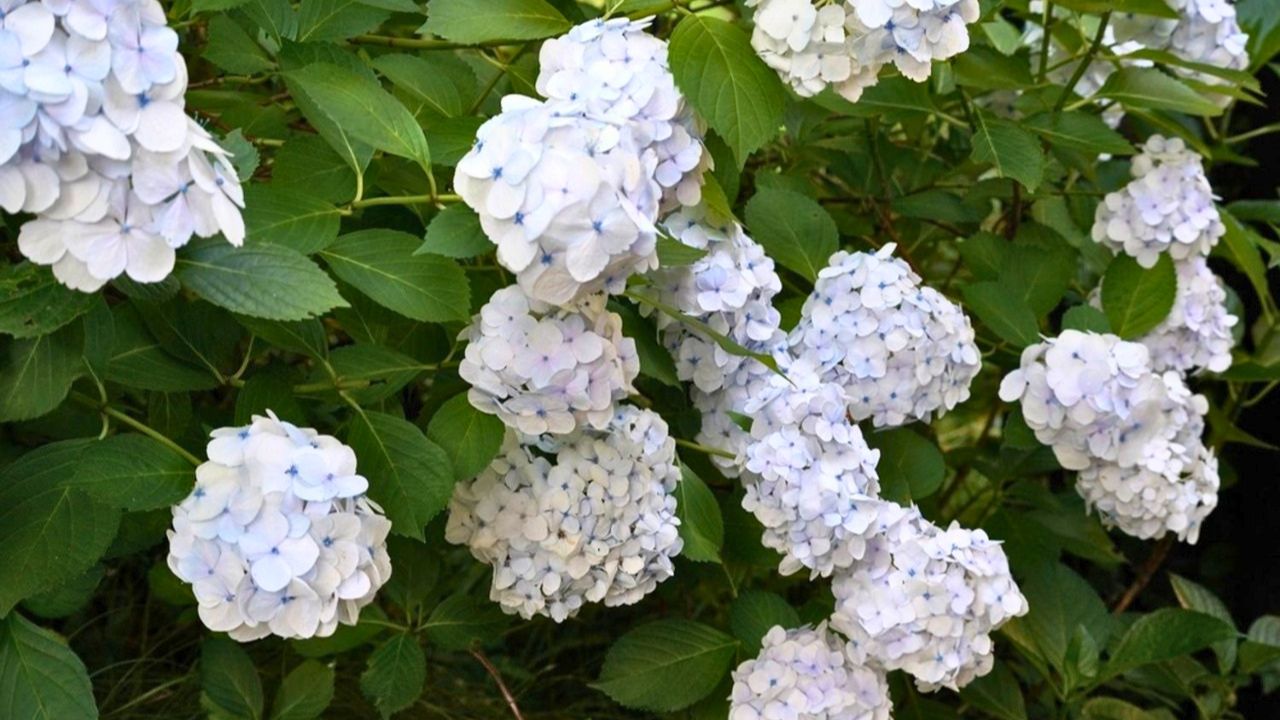
Hydrangeas don’t always get eaten to the ground, they get trimmed at the worst time. Deer take the soft tips and buds, and you end up with a leafy shrub that refuses to bloom. People often blame shade or pruning, but it’s teeth.
Caging the whole plant for six weeks around bud set can be enough to get flowers, even if you don’t want a fence all season. If you only have a couple shrubs, a ring of wire and a few stakes is cheap and fast. The bigger fix is planting hydrangeas where deer feel exposed, not tucked along a quiet tree line.
10. Pansies And Violas In Cool Weather
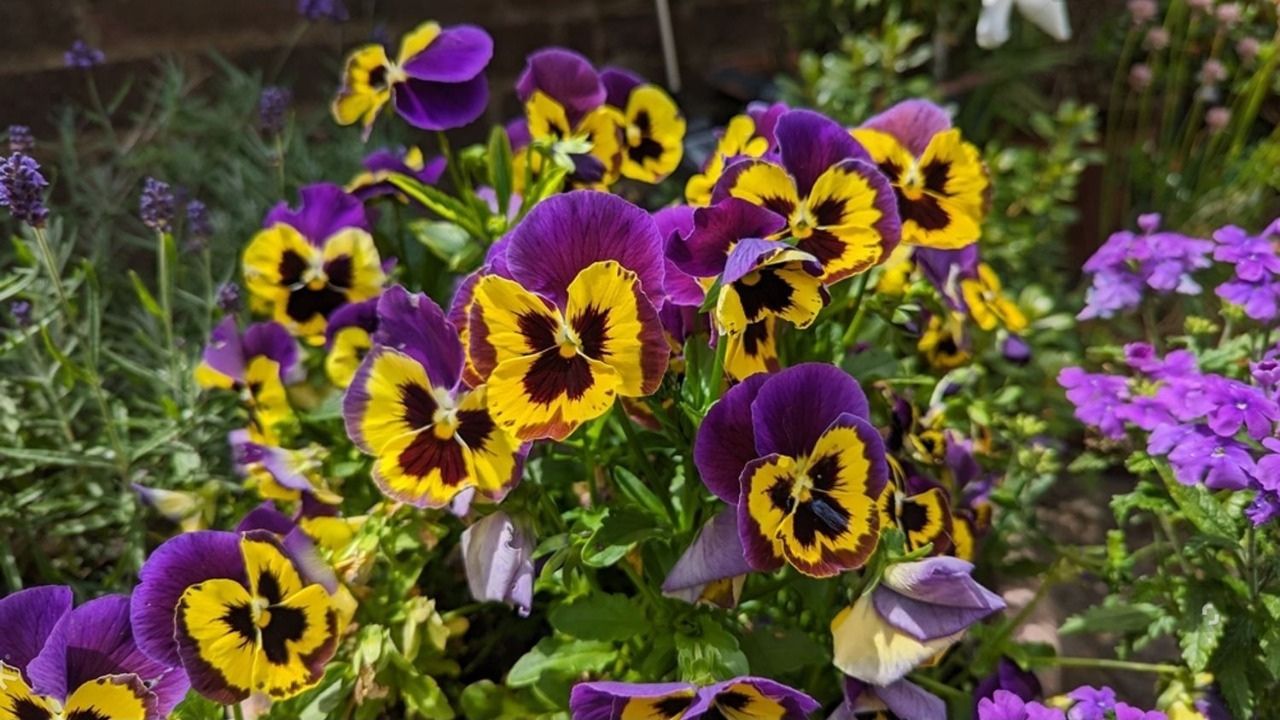
Those fall and early spring pansies vanish because deer are hungry when little else is green. You’ll see blossoms and leaves plucked down to short stems, like a kid picking petals. It’s annoying because these are usually right by the front door in a nice pot.
The cheap option is actually fine here, skip the fancy sprays and just swap to plants deer ignore more often, like ornamental cabbage and kale. If you’re set on pansies, move containers onto a porch or behind a railing where deer can’t step up. In many yards, that small change is enough.
11. Yews And Rhododendrons Near Foundations
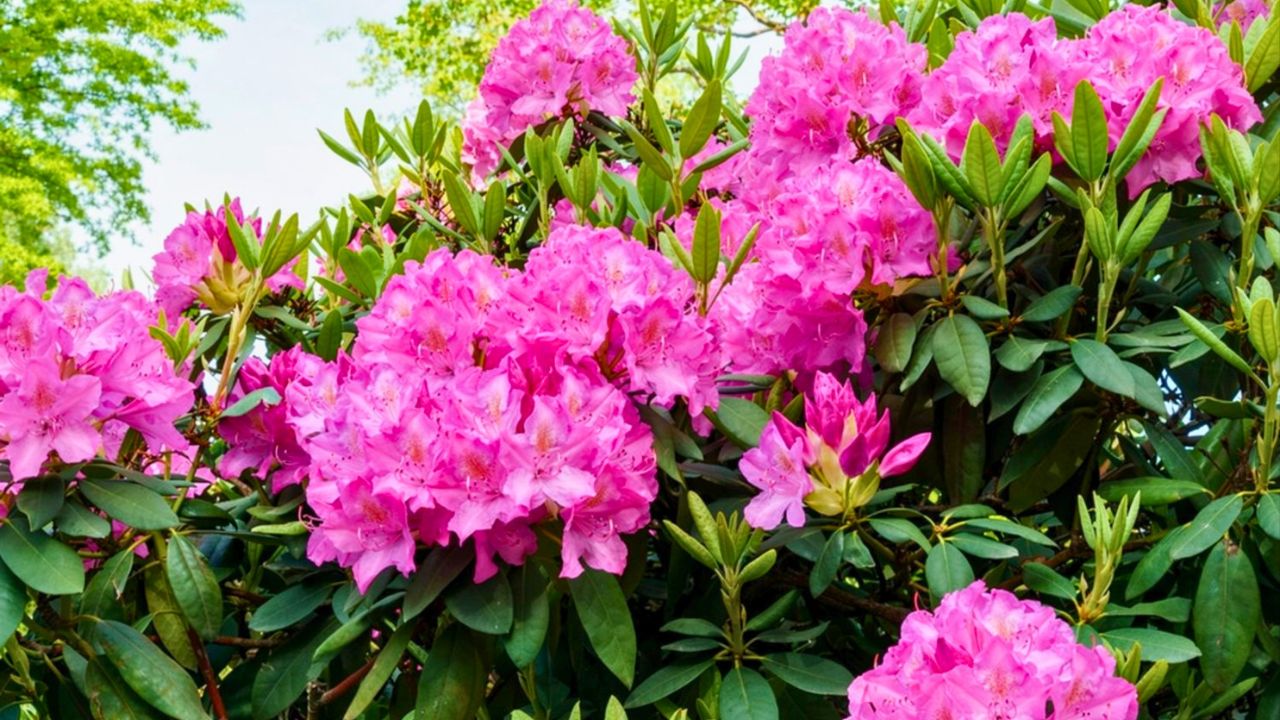
Some shrubs get hit because they’re placed where deer travel, tight along the house, under windows, beside driveways. Yews and rhododendrons can be heavily browsed in winter, and once the lower structure is gone, they look hollow and tired for years. You don’t notice the damage until snow melts or spring growth fails to cover it.
Don’t “fix” this with more fertilizer and hard pruning, that just pushes tender growth deer like. Put a barrier along the run, even a simple fence line, so deer can’t use that corridor. If you’re replanting, keep the foundation zone open with rock, low tough groundcover, or plants deer tend to pass by.
12. Freshly Planted Perennials And Transplants
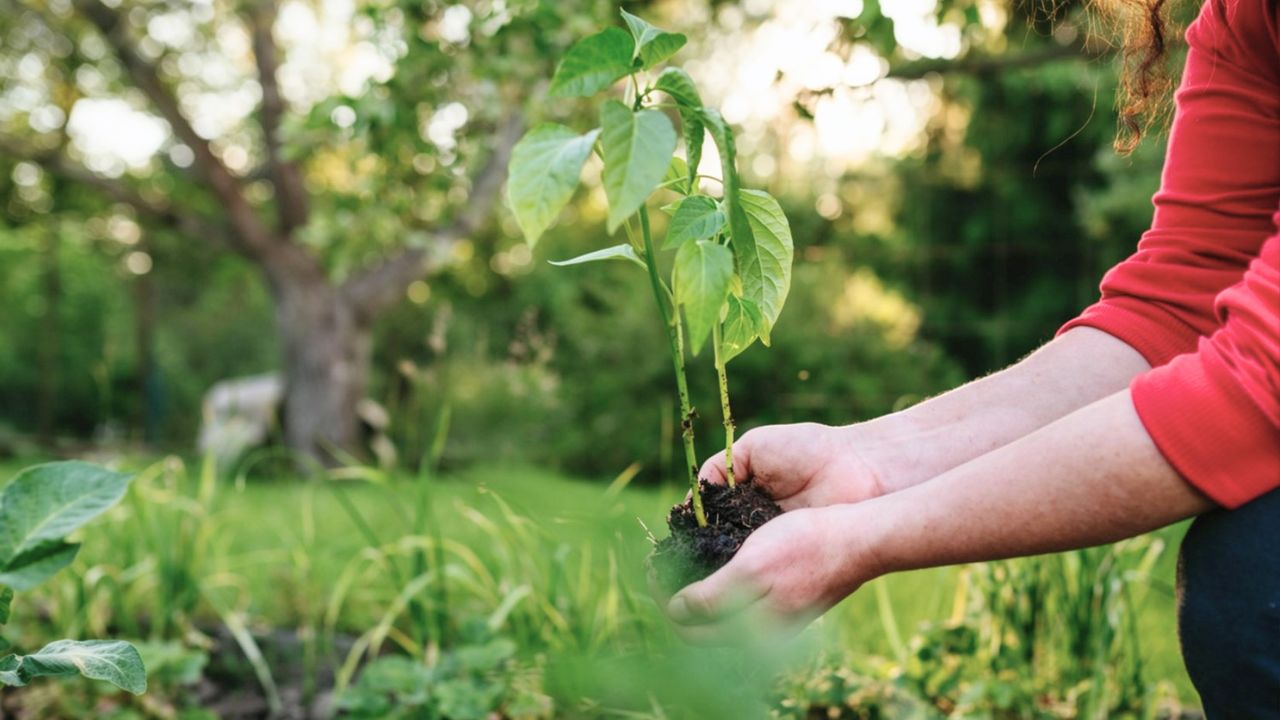
New plants get nailed because they’re juicy, fertilized, and not yet tough. Deer will pull a transplant right out of the ground, chew it, and leave it wilted in the dirt. You lose the plant and the time you spent prepping the hole.
Protect transplants for the first month, even if you never bother later. A small wire cloche or a short ring of hardware cloth is quick, and it keeps rabbits out too. If you’re planting a whole new bed, do the fence first, then plant, not the other way around.
If deer are already visiting, swapping a few favorites for tougher choices is only half the fix. What changes the odds fast is making your yard harder to browse, tighter barriers on the plants you really care about, and fewer quiet pathways where deer can feed without feeling watched.
Like Fix It Homestead’s content? Be sure to follow us.
- Man Says He Found Out the Fence He Paid For Wasn’t Actually on His Property
- Woman Says Her Neighbor Started Taking Mulch From Her Delivery Pile Before She Could Even Spread It
- I made Joanna Gaines’s Friendsgiving casserole and here is what I would keep
- What Caliber Works Best for Groundhogs, Armadillos, and Other Digging Pests?