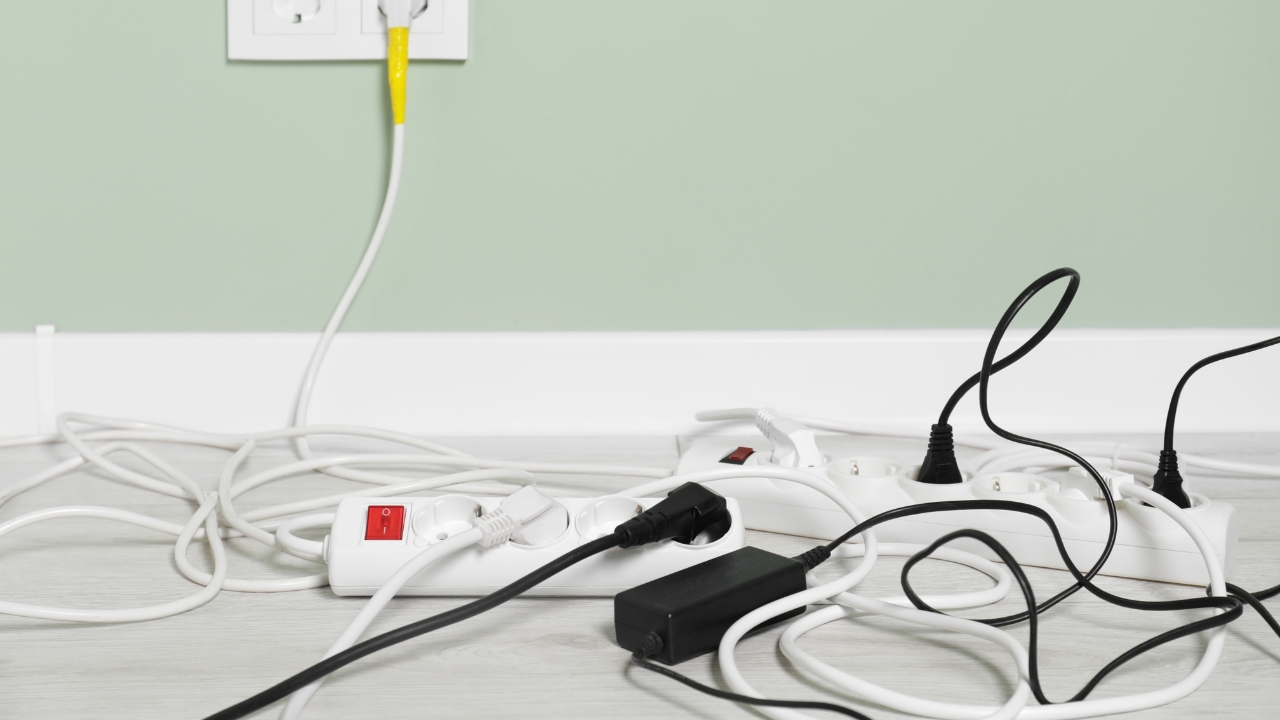
10 Extension Cords You Should Never Run Indoors
Photo credit: New Africa/Shutterstock.com
Extension cords feel like the fastest fix when an outlet is in the wrong spot or you just need power “for a minute.” Then the minute turns into a season, the cord gets warm, the plug gets loose, and you stop noticing it. Indoors, the wrong cord in the wrong place can cook a plug, trip breakers, or quietly mess up the tool you’re trying to run.
1. Outdoor Cord Run Through A Window
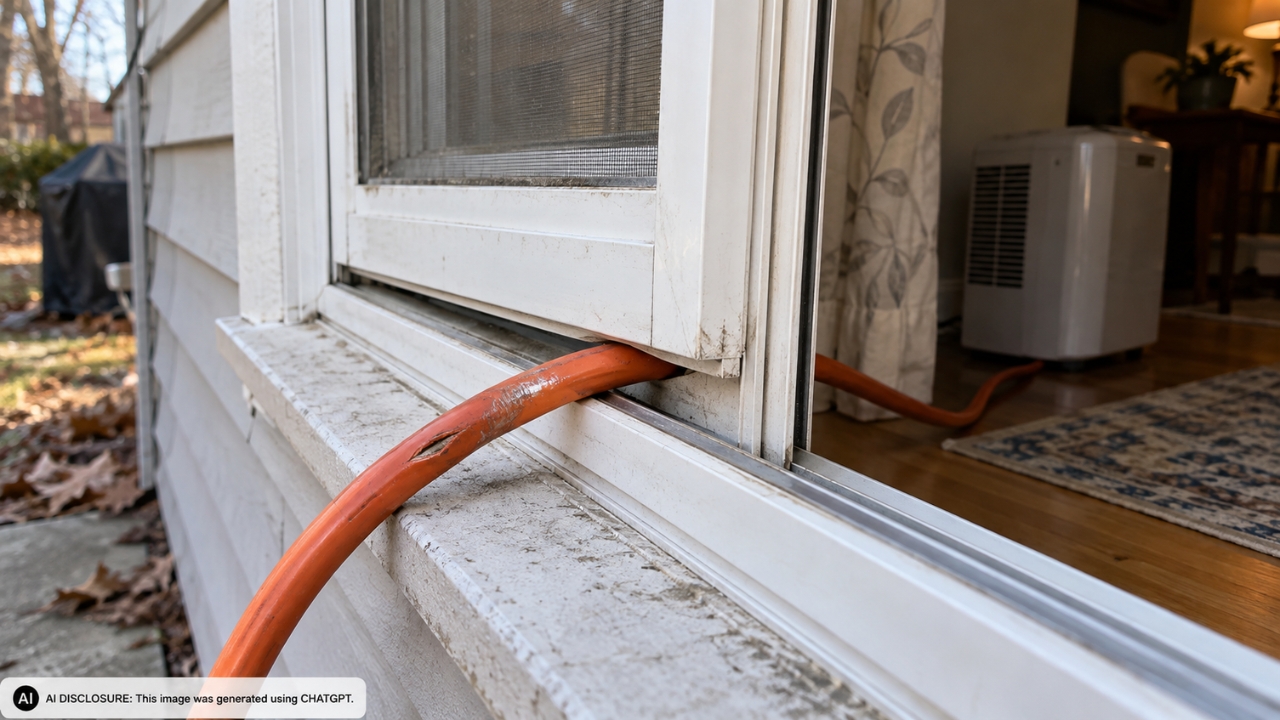
Running a cord through a cracked window or pinched under a sash chews up the jacket and stresses the plug. You’ll start seeing flattened spots, little cuts, or a shiny rubbed area where the cord flexes. That’s where heat builds, especially if the cord is carrying a steady load like a space heater or dehumidifier.
Do it right with a proper receptacle where you need it, or use a temporary method that doesn’t pinch the cord, like a door/window pass-through made for cords and a cord protector. If you need power in that spot all winter, it’s time for an electrician to add an outlet. That’s cheaper than replacing smoke-damaged drywall.
2. Flat “Under-Rug” Extension Cords
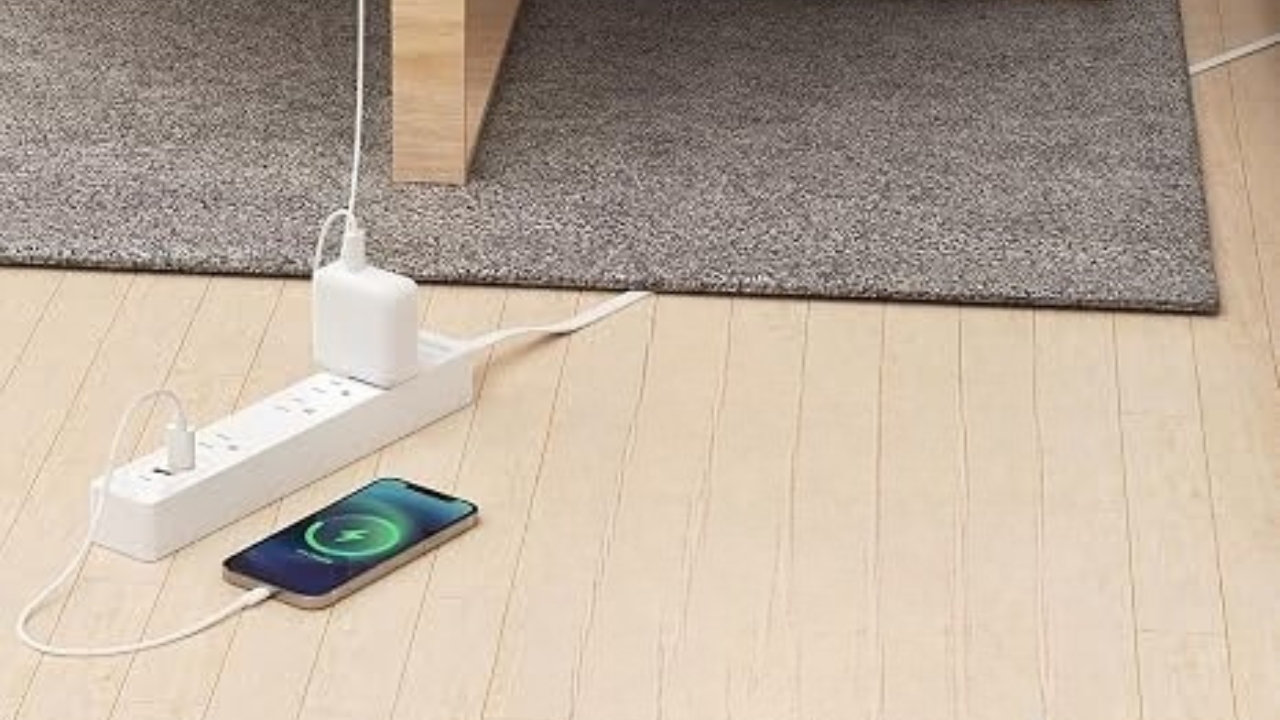
Those thin, flat cords sold for hiding under rugs are easy to forget about, and that’s the problem. Rugs trap heat, foot traffic grinds the insulation, and furniture legs crush the conductors. If you ever smell warm plastic near a rug edge, don’t talk yourself out of it.
If you need power across a walkway, don’t use a cord as the permanent plan. Reroute along the wall with proper cable management, or add an outlet. For a truly temporary setup, put the cord on top of the floor, taped down with a real cord cover so it can shed heat and be seen.
3. Skinny “Lamp” Cords For Real Loads
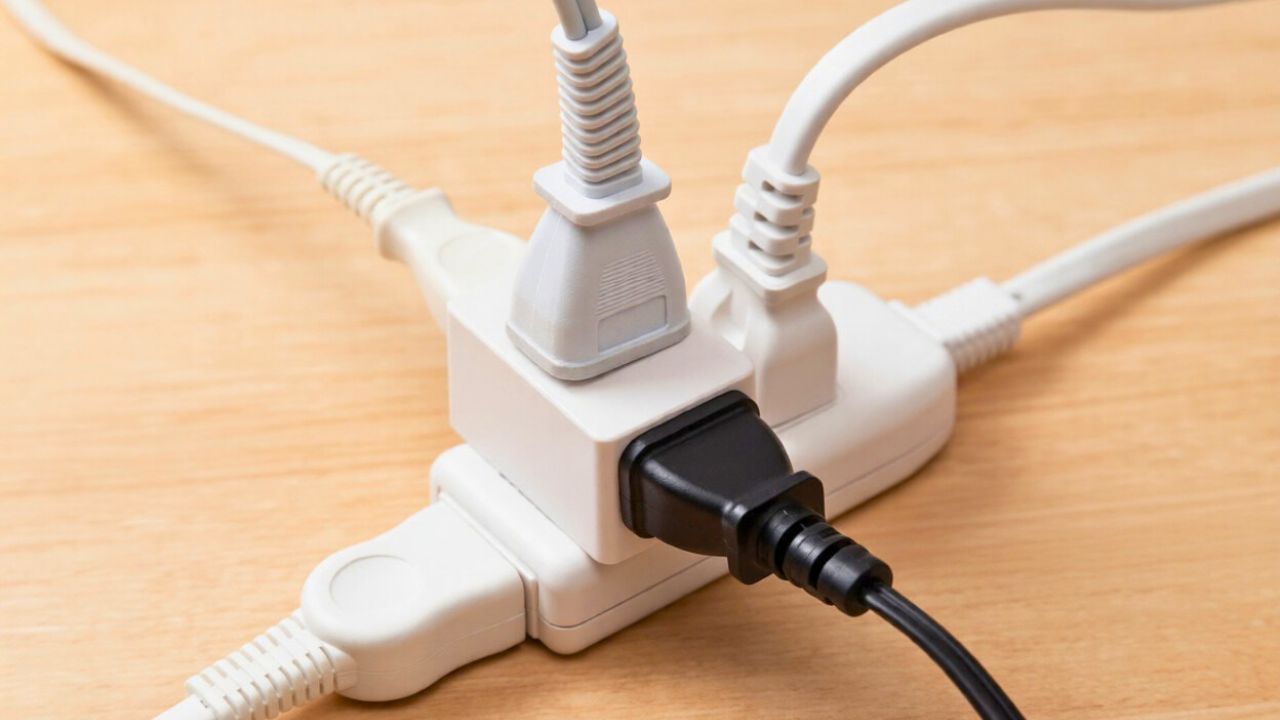
A lot of cords in junk drawers are light-duty, meant for a table lamp, not a vacuum, microwave cart, or portable AC. They’re often 16 gauge or smaller, and they heat up when you pull steady amps. The cord feels warm in your hand, and the plug blades discolor over time.
Match the cord to the job. For anything that cycles on and off with a motor or compressor, use a heavier cord, and keep it short. Better yet, don’t put high-draw appliances on extension cords at all, move the appliance or add an outlet where it belongs.
4. Power Strips Daisy-Chained With Cords
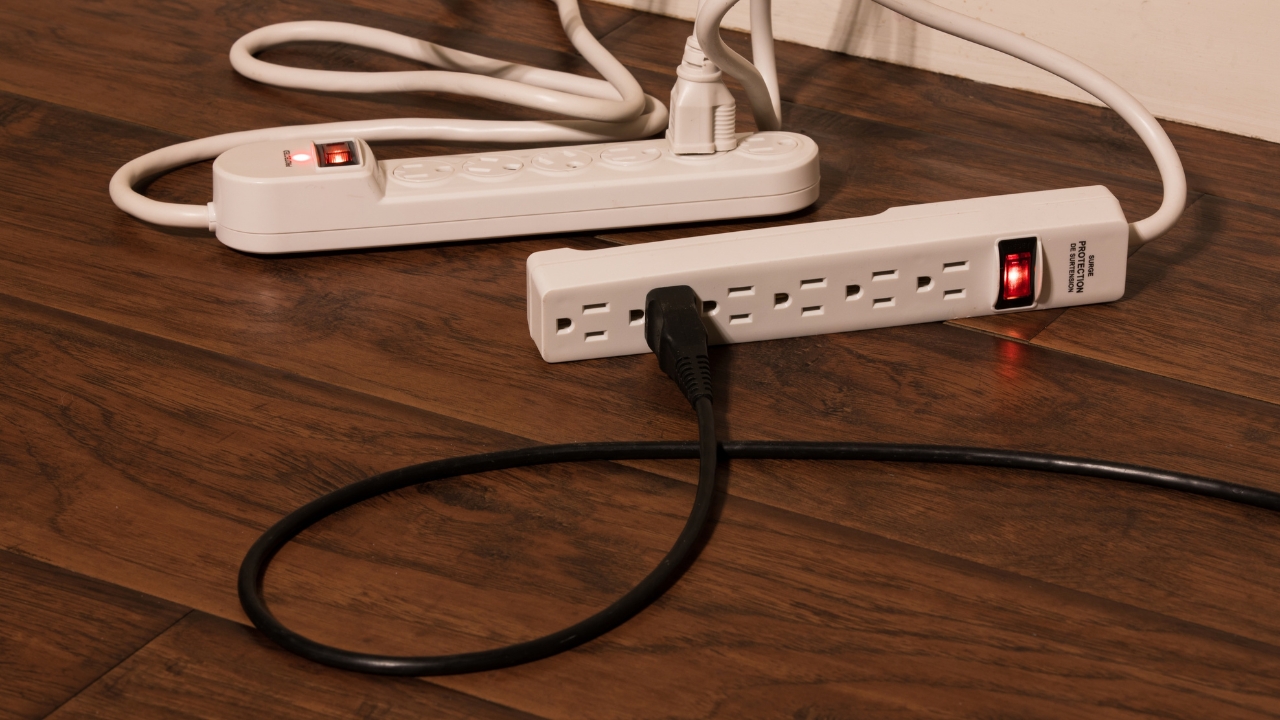
Plugging a power strip into an extension cord, then plugging another strip into that strip, is how you turn one outlet into a heat farm. It “works” until the strip’s internal connections get tired, the plugs loosen, and the whole chain starts arcing. You’ll hear faint sizzling or a crackle when something kicks on.
For desks and TVs, use one good power strip plugged straight into a wall outlet, and stop there. If you need more outlets than a single strip can safely provide, that’s a wiring problem, not a shopping problem. Have a licensed electrician add a receptacle or a new circuit, and make sure it meets local code.
5. Space Heaters On Any Extension Cord
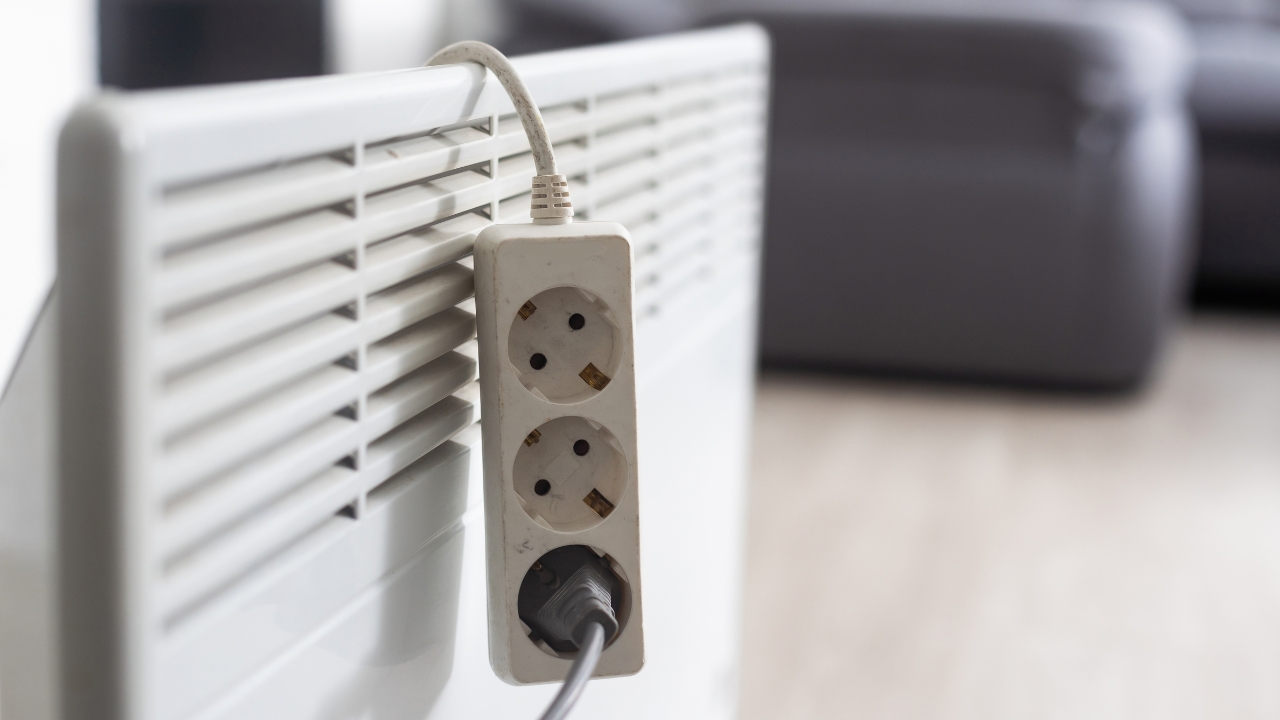
Portable heaters pull a lot of power for a long time, and they don’t care if your cord is bargain-bin thin. The weak link is usually the connection at the plug, where resistance builds heat. Melted ends and browned outlets are common because the heater runs steady, not in quick bursts.
The fix is boring and cheap, plug the heater directly into a wall outlet and keep the cord it came with. If the outlet is too far away, move the heater or pick a different heat source for that room. If you keep popping breakers or lights dim when the heater kicks on, call a pro to check the circuit.
6. Refrigerator Or Freezer On A Cord
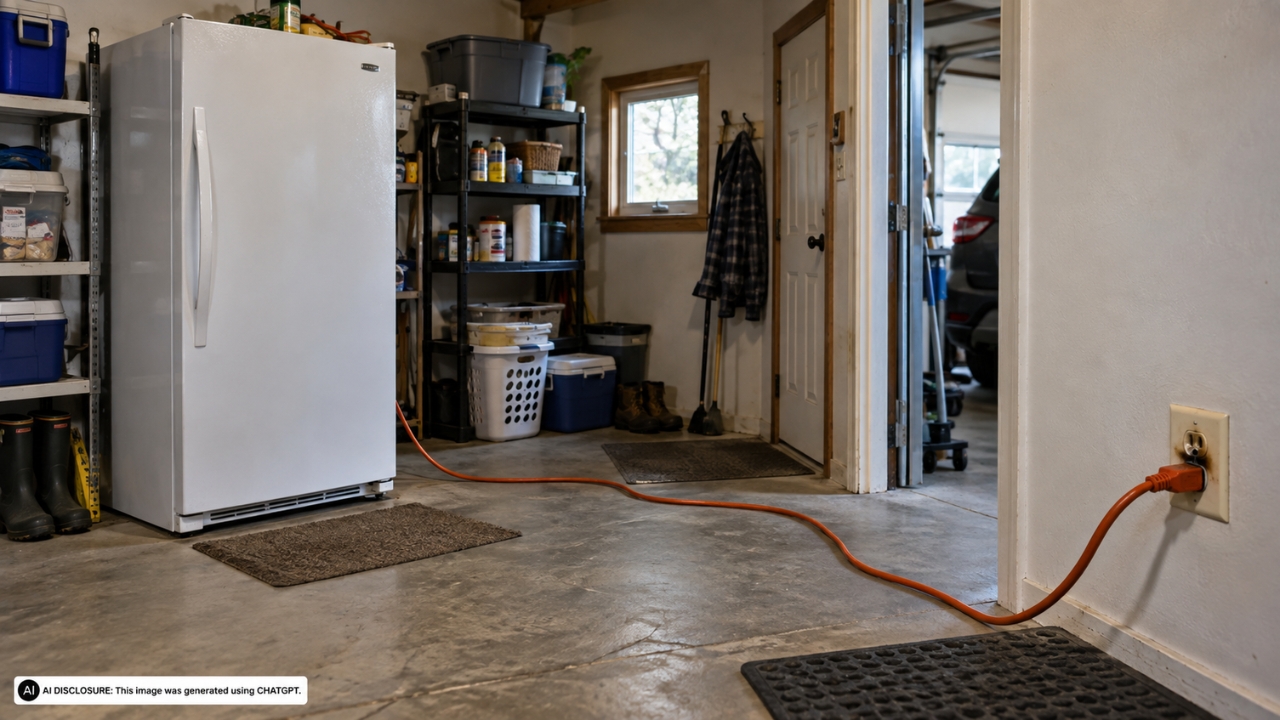
People do this in a mudroom, basement, or garage-adjacent pantry when the plug doesn’t reach. The compressor surge at startup is hard on cords and plugs, and a loose connection can make the outlet hot enough to discolor the faceplate. A fridge that “randomly” warms up can be suffering from low voltage at the end of a long cord run.
Set the appliance where it can reach a proper receptacle, or have one installed. A short, heavy-duty cord can be an exception for a brief move or cleaning day, but it shouldn’t live there. Food loss costs more than the outlet.
7. Sump Pump Or Well Controls On A Cord

This one shows up during spring melt or a week of hard rain. A sump pump plugged into an extension cord is a double hit, a wet location and a motor load. If the cord connection sits on the floor, it’s sitting where water collects first, and it’s right where a ground fault device needs to work perfectly.
Get a proper, code-approved receptacle in the right spot, usually GFCI protected, and keep the plug connection off the floor. If your basement setup doesn’t already have the right outlet, don’t patch it with a cord. Have an electrician handle it, and don’t ignore permits where they’re required.
8. Coiled Cord On A Reel While Running
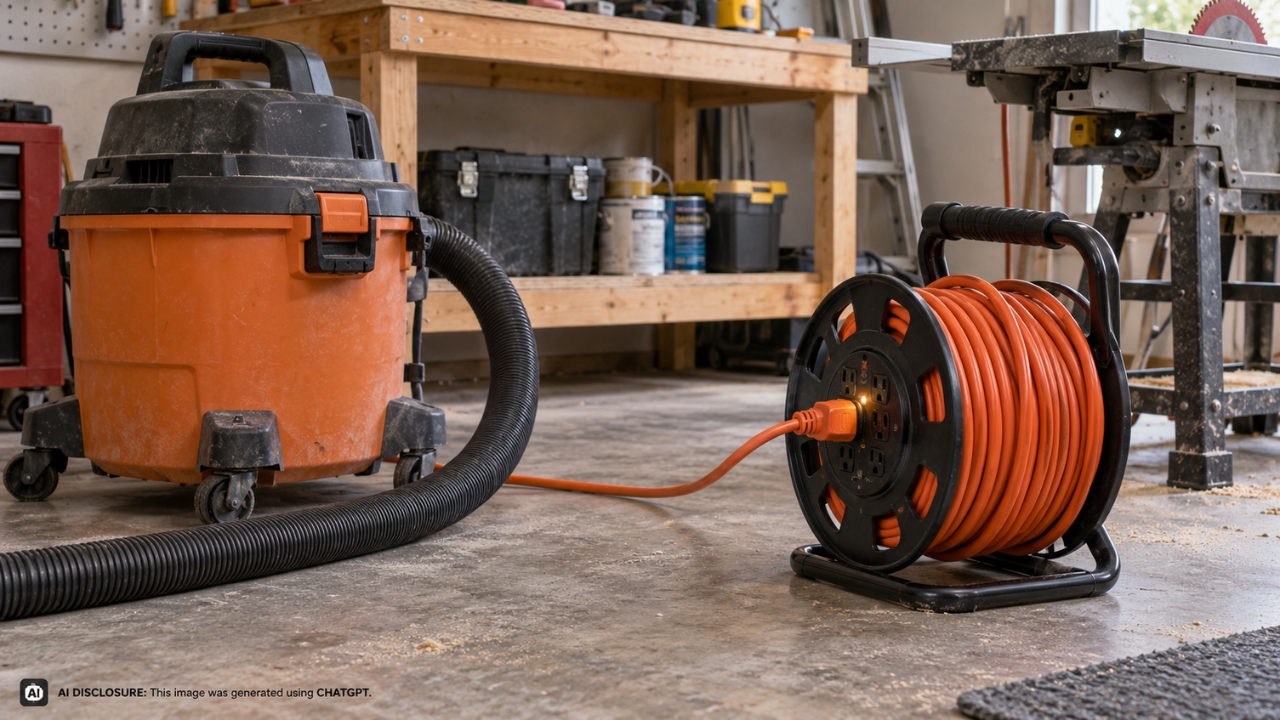
Leaving a cord coiled on a reel, or in a tight figure-eight pile, turns it into a little heater. The cord can’t shed heat, and you’ll be surprised how fast it gets hot with a shop vac, saw, or compressor. You’ll smell warm rubber before you see damage.
Unroll the whole thing before you run a load. If you’re powering small stuff like phone chargers or a lamp, heat buildup is far less of a deal, and a cord can stay loosely coiled without drama. The trouble starts when you ask a coiled cord to carry real amperage for more than a few minutes.
9. Damaged Cords Wrapped In Electrical Tape
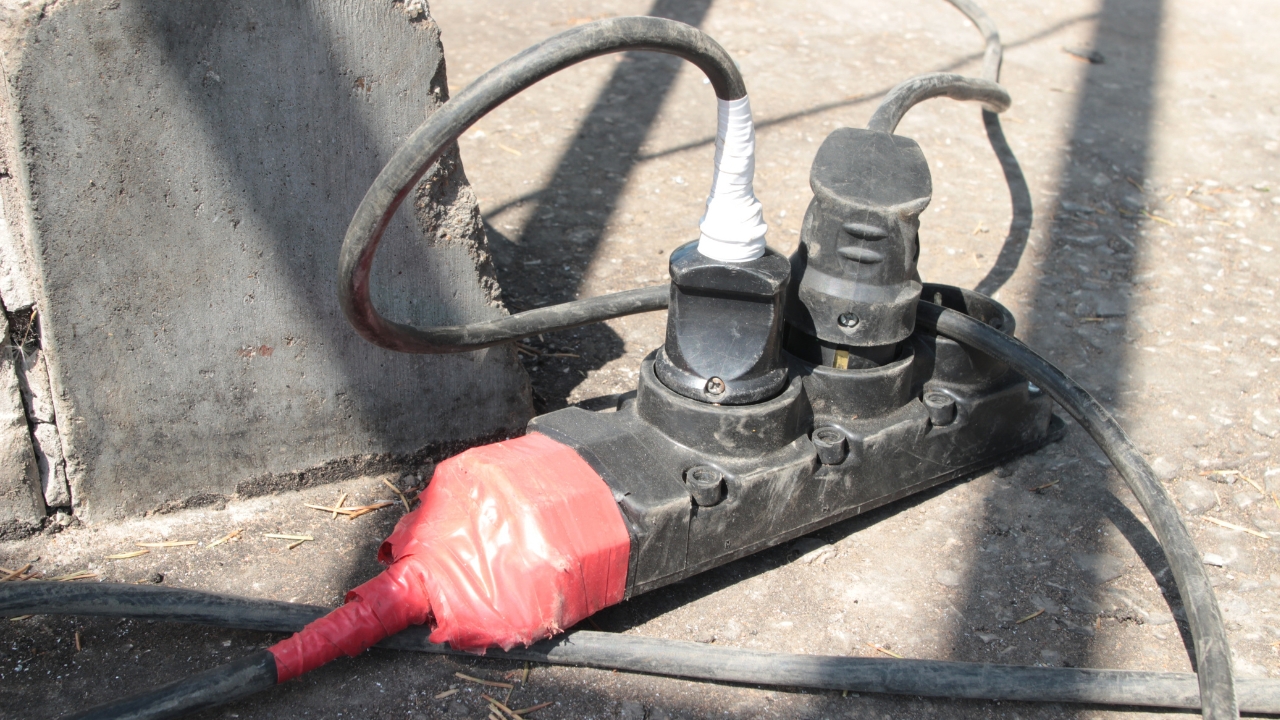
If the jacket is nicked, the insulation is cracked, or you can see copper, tape is not a repair. Tape dries out, slides, and hides the problem until it fails again in a worse spot. The first sign is often a shocky tingle on a metal tool body or a breaker that trips “for no reason.”
Replace the cord, or replace the plug end properly if the damage is only at the end and you know what you’re doing. For anything with repeated flexing, like a vacuum or drill cord, replacing the whole cord is usually the smarter fix. A few bucks now beats chasing intermittent electrical gremlins later.
10. Long Cords Used As Permanent Wiring

A 50 or 100 foot cord snaked along baseboards looks harmless, but it gets dragged, vacuumed, pinched under doors, and baked behind furniture. Long runs also drop voltage, which makes motors run hotter and lights flicker. Over time, that “temporary” cord becomes part of the room, and nobody checks it.
If you need power in the same spot week after week, install it. Surface-mount raceway can be a decent option in a shop or basement, and a new outlet in a finished room is a normal electrician job, not a luxury. Extension cords are for short-term work, not for building a house inside your house.
When a cord starts feeling normal, that’s when it’s easiest to miss the warning signs. Walk your place once in a while and look for warm plugs, crushed jackets, and cords where feet and doors hit them. Fixing the outlet situation takes an afternoon, and it’s the kind of boring project that pays you back every day.
Like Fix It Homestead’s content? Be sure to follow us.