10 Entryway Choices That Change What a House Is Worth
Photo credit: Joseph Hendrickson/Shutterstock.com
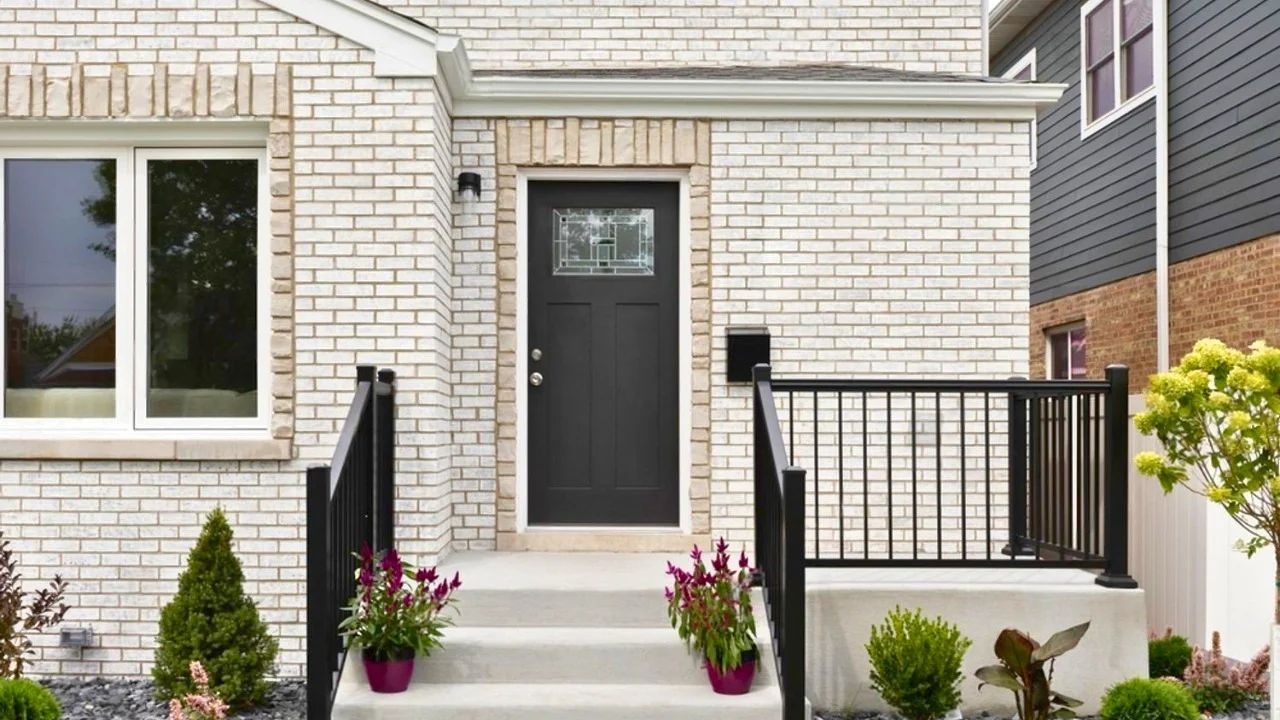
The front door is where a buyer’s brain starts doing math. They’re adding up repair time, safety worries, and how much work they’ll be doing before they can even set down groceries. A few entry choices look small on a weekend, then show up big on an appraisal, an inspection report, or a showing.
1. A Front Door That Feels Hollow
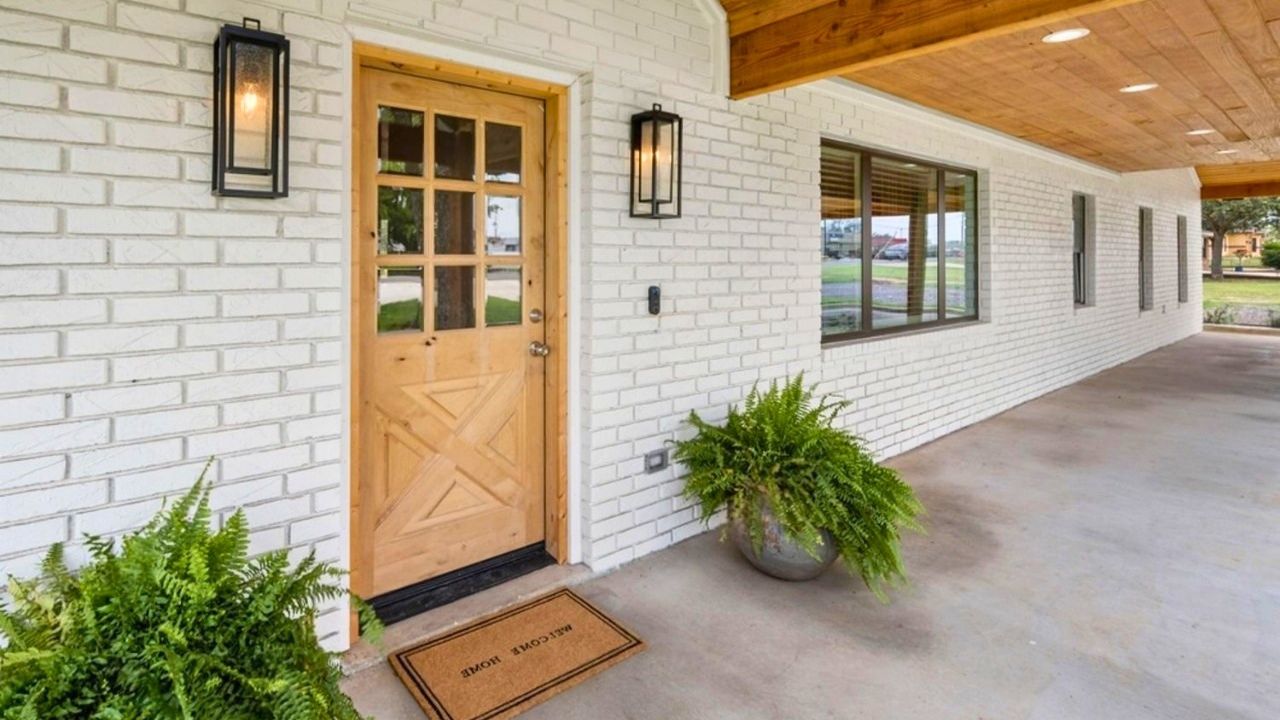
If the door rattles when it shuts or flexes when you lean on it, it reads as cheap, even if the rest of the house is solid. Thin slabs also leak sound and air, and you feel it in winter as a cold stripe on the floor inside the entry. Buyers notice that stuff fast because they’re standing right there with their hand on the knob.
A decent steel or fiberglass door with good weatherstripping is usually money better spent than fancy decor. If the slab is fine, swapping old seals, adjusting the strike plate, and adding a door sweep can quiet it down in under an hour. If the jamb is rotted or the door is out of square, that’s when a prehung unit or a carpenter starts making sense.
2. A Lockset That Doesn’t Match
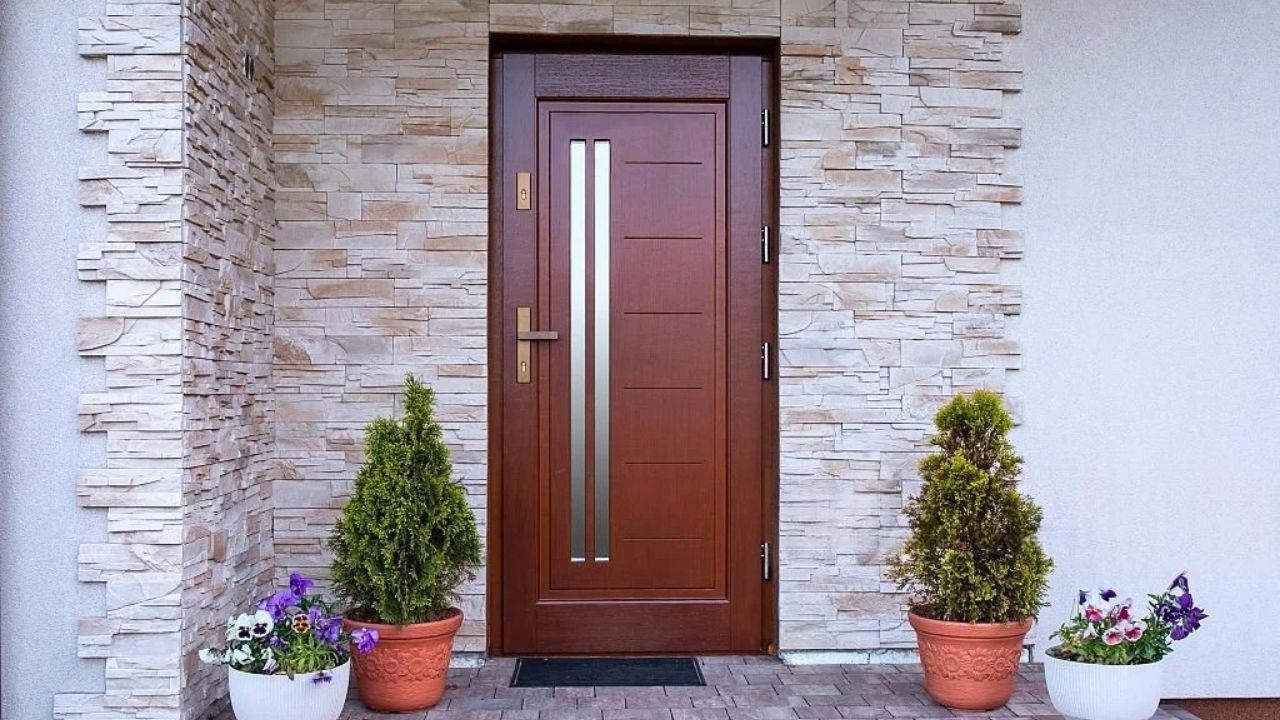
Nothing says “patchwork house” like three finishes on one door and a deadbolt that doesn’t line up. Buyers jiggle the handle, feel slop, and picture rekeying, drilling, and a Saturday of frustration. It’s also a safety signal, especially if the strike plate is held on with tiny screws into soft trim.
Pick one finish and stick with it, inside and out. Upgrade the strike plate screws to longer ones that bite into framing, and make sure the deadbolt throws smoothly without forcing the door. Smart locks can be fine, but only if they’re installed cleanly and the manual key still works like it should.
3. No Overhang Or Drip Edge Above
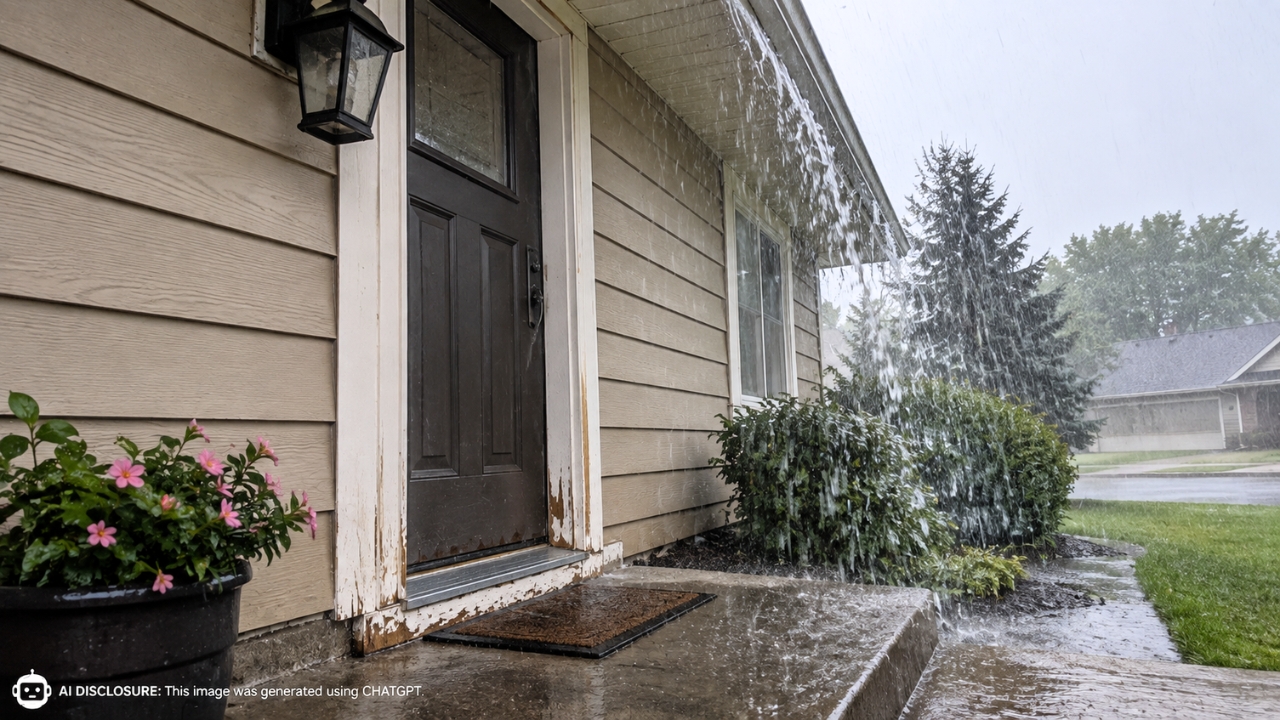
Rain finds your entryway. When water sheets off the roof and pounds the stoop, you get peeling paint, swollen trim, icy steps, and that dark line on the threshold that never looks clean. In a wet spring, you can watch the damage happen.
A small roof, an awning, or even a properly installed drip edge and gutter extension can change how the whole area wears. If you add posts or a cover tied into the house, check local permit rules and snow load requirements. Skipping that step is how a “simple cover” turns into a sagging, leaky mess two winters later.
4. A Porch That Moves Underfoot
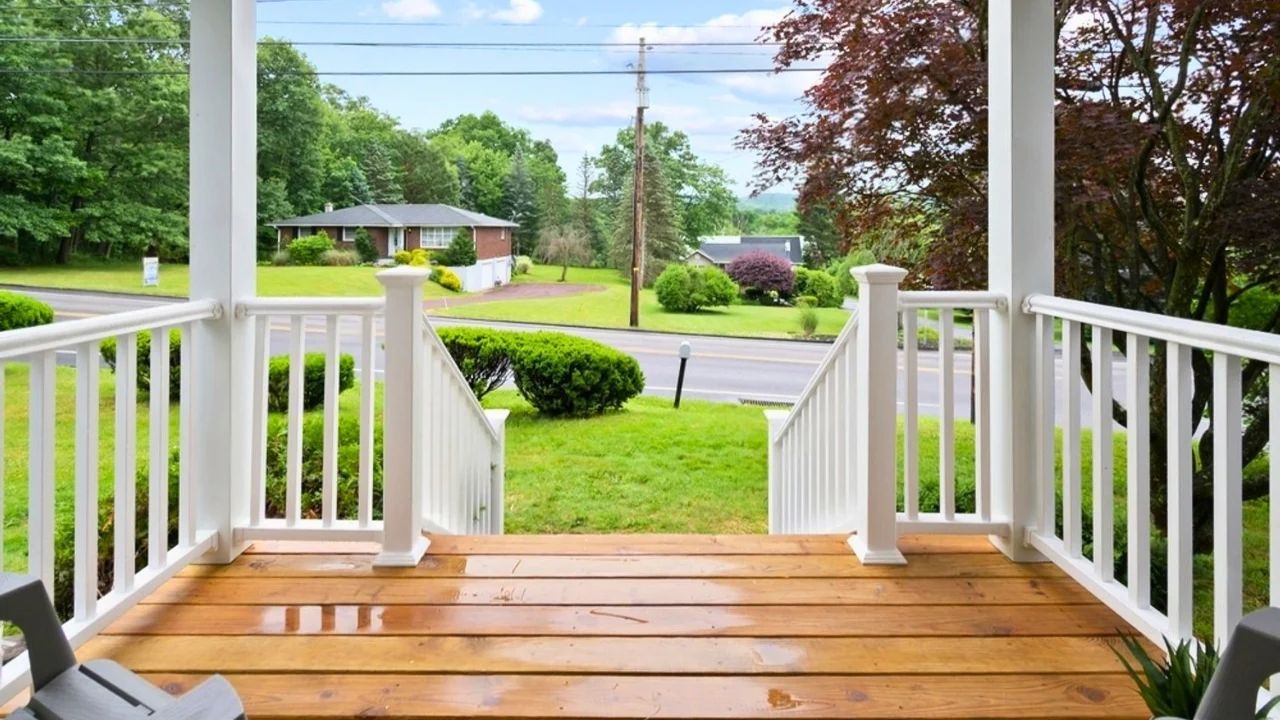
A little bounce at the top step feels worse than a cracked tile in a back bathroom. It signals rot, loose fasteners, or a ledger problem, and buyers assume the worst because porch failures are a safety issue. If you hear a squeak and feel a dip, an inspector will too.
Start by tightening what you can reach: rail bolts, stair stringer connections, deck screws that have backed out. If the porch is attached to the house and the ledger or flashing is questionable, bring in a pro. Water behind a ledger can rot rim joists, and that repair stops being “entryway money” real quick.
5. Bad Lighting That Makes Shadows
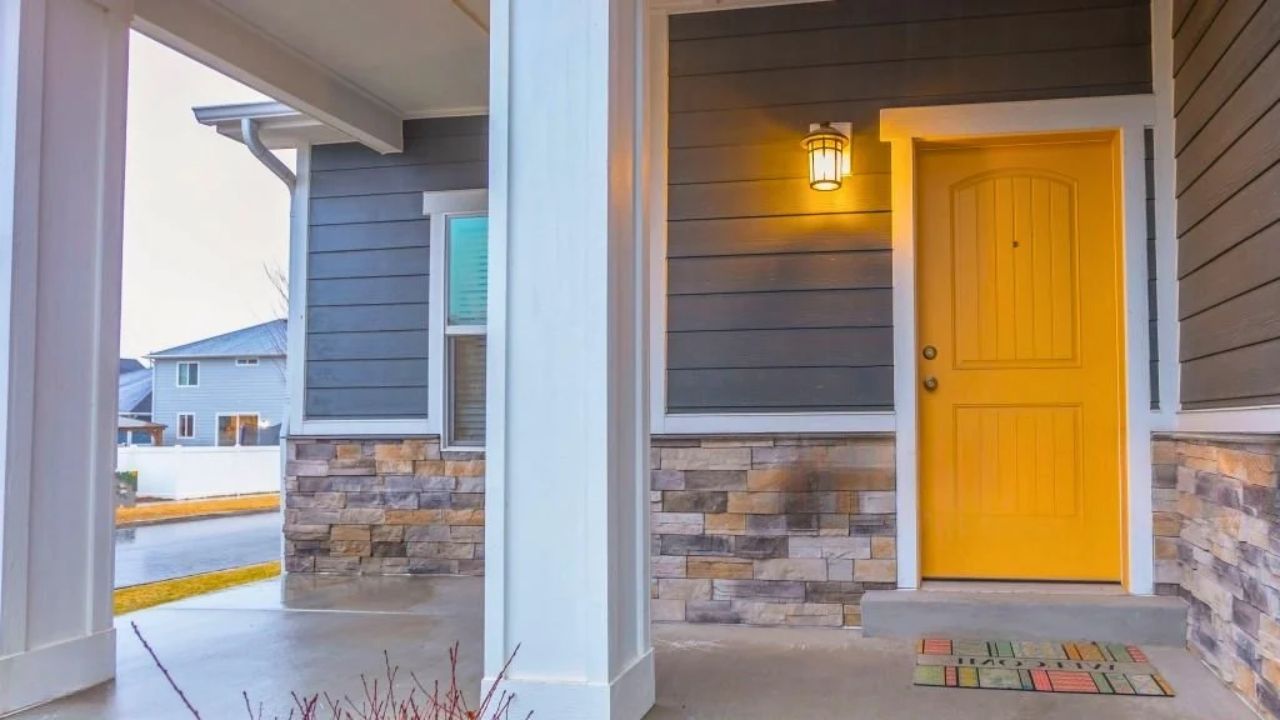
One dim sconce by the door looks fine at noon, then at dusk the whole entry turns into a dark corner. That’s a safety problem and a mood problem, and it makes the house feel smaller. People also trip on that one high step they didn’t see.
Better fixtures help, but placement matters more than fancy glass. Add a second light or use a brighter, warm LED bulb that doesn’t flicker, and aim light at the lock and the steps. If you’re adding a new box or running new wire, that’s a job for a licensed electrician in many areas, and permits can apply.
6. A Walkway That Holds Water

The entry path tells you how the whole property drains. Puddles at the stoop, a slick algae strip, or ice that lingers in shade all say the grading is off. It also wrecks concrete and pavers faster because water gets into joints, freezes, and starts popping edges.
Sometimes the fix is small: clean gutters, extend downspouts, and pitch the soil away from the foundation. For pavers, pulling a few, adding base, and resetting them flat beats living with a wobbly ankle-twister. If you need to regrade near utility lines or dig deeper, call 811 before you dig and keep the slope gentle so water runs away, not toward the house.
7. A Messy Drop Zone That Eats Space
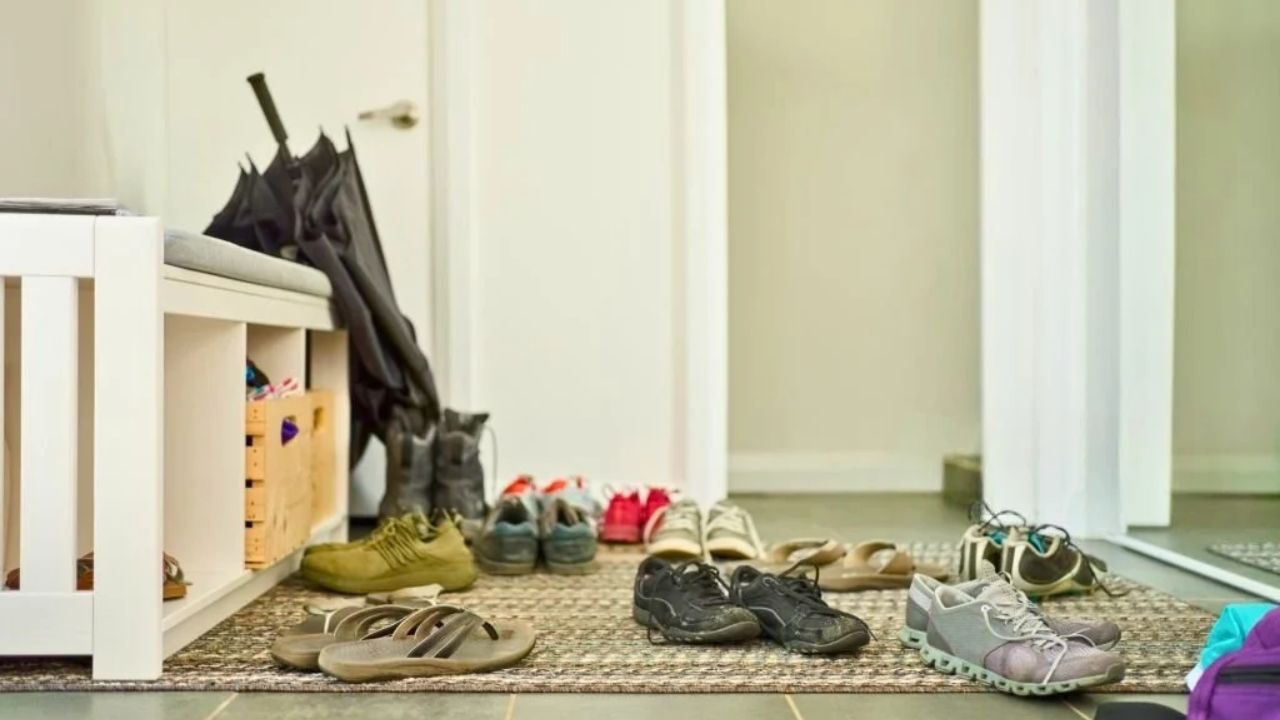
A pile of shoes, coats, and backpacks in the entry makes the house feel tight, even if the rooms are big. Buyers imagine their own stuff stacking up, then they start thinking the closets are small. It’s not a structural problem, it’s a “daily life” problem.
A narrow bench with a lid, wall hooks screwed into studs, and a boot tray can make the same square footage feel organized. If you have the space, a shallow closet system or a simple built-in gives the entry a purpose. The cheap exception: basic, sturdy hooks and a plain mat are fine if they’re lined up and not ripping out of drywall.
8. Pet Damage Around The Jamb
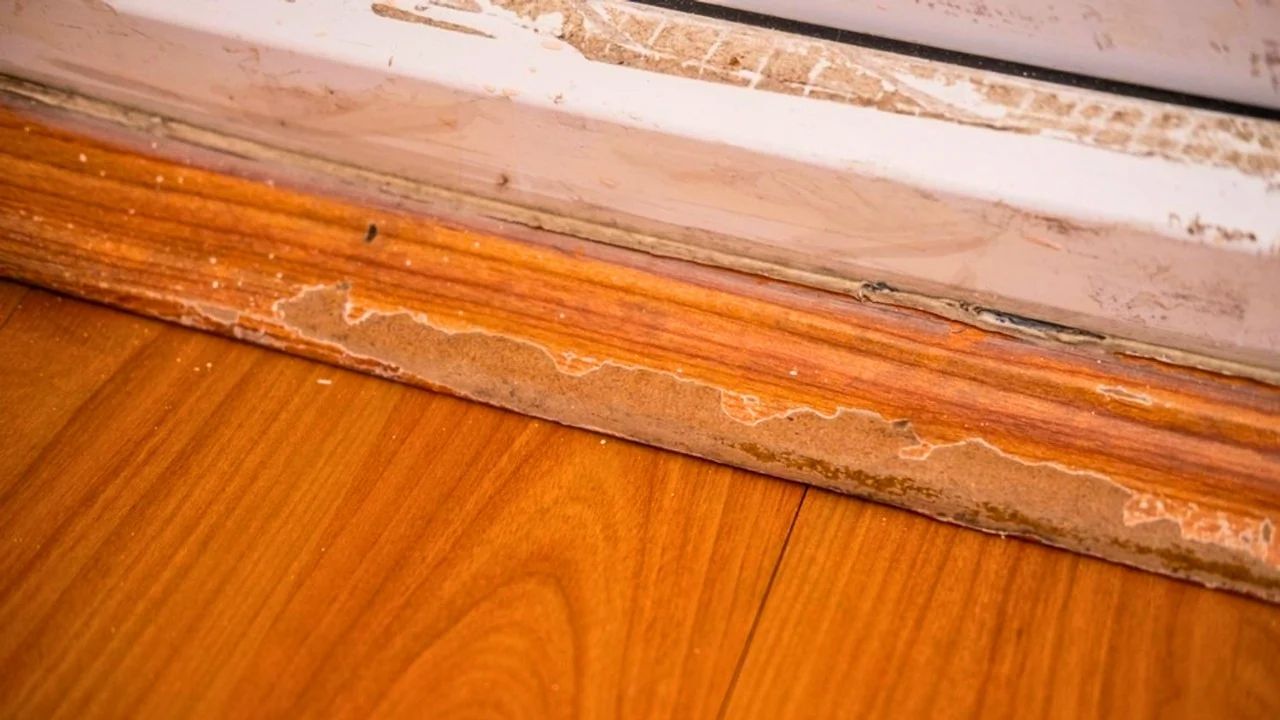
Chewed trim, scratched doors, and a shredded corner of casing is hard to unsee. It reads as odor risk, even if the house is clean, and buyers start looking for other hidden messes. This is one of those tiny entry issues that can punch above its weight.
Replace the damaged casing, patch the drywall properly, and repaint the whole trim run so it matches. If the bottom of the door is gouged, a new slab or a smooth kick plate can clean it up, but don’t cover wet rot with metal. If there’s smell, tackle it before showings with deep cleaning and sealing where needed, not just air freshener.
9. Cheap Paint On High-Touch Trim
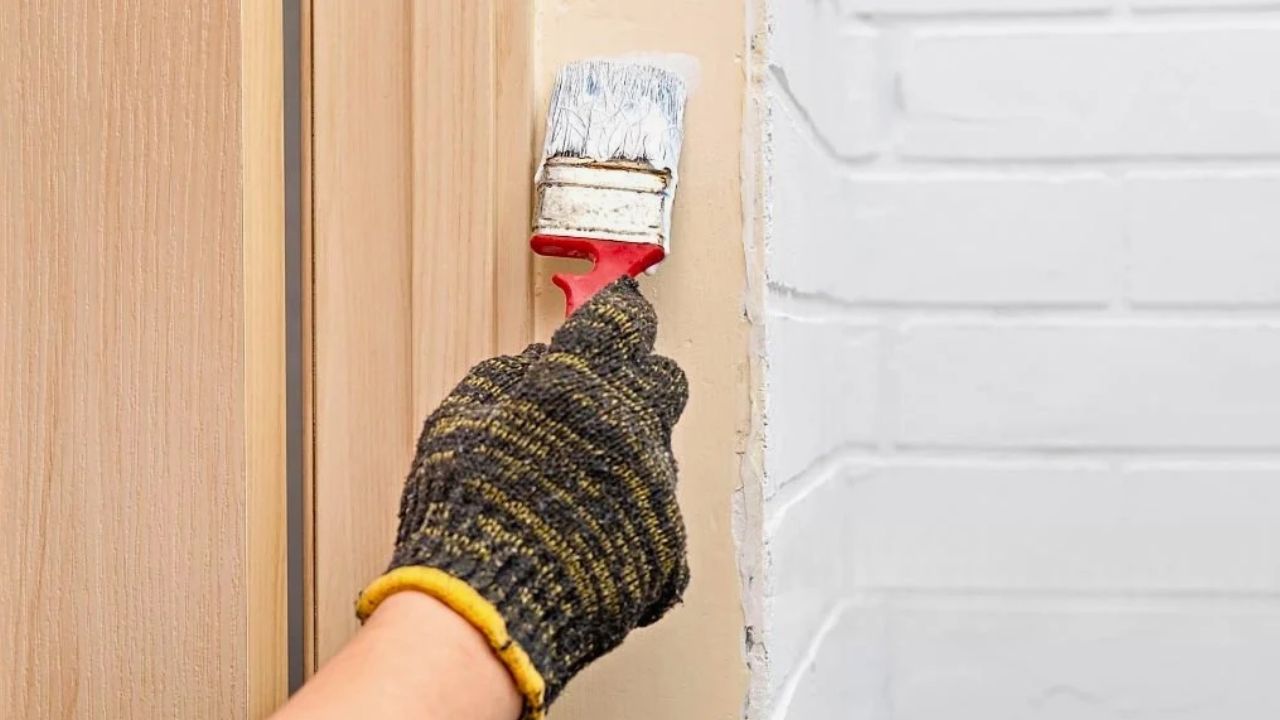
Entry trim gets kicked, grabbed, and wiped down all year. Flat wall paint on a door casing scuffs if you look at it wrong, and glossy paint over dirt peels in ribbons. That makes the whole front hall look tired even when the color is fresh.
Sand the rough spots, vacuum the dust, and use a bonding primer where the old finish is glossy or oily. A washable trim paint in satin or semi-gloss holds up better, and cutting sharp lines around hinges and hardware makes it look like a real job. Don’t paint weatherstripping or the latch, it gums up fast and looks sloppy.
10. A Doorbell And House Number No One Can Find
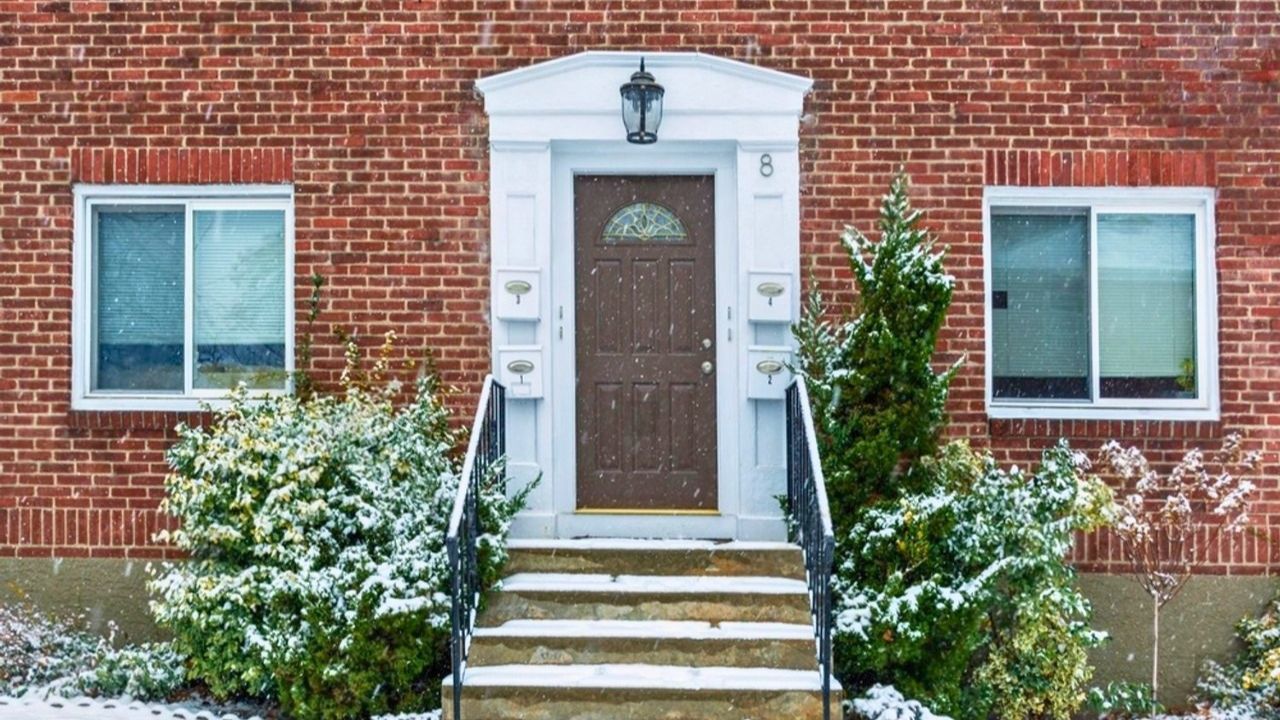
Buyers don’t always say it out loud, but they feel annoyed when they can’t spot the house number from the road. Delivery drivers, emergency crews, and guests care a lot more. A missing doorbell or a button that doesn’t work also reads as “little stuff hasn’t been handled.”
Put numbers where headlights hit them, use a size that’s readable, and light them if the entry is set back. If you replace a wired doorbell or transformer and you’re not comfortable with low-voltage wiring, call an electrician. A basic battery doorbell is acceptable in many houses, as long as it’s mounted straight and actually rings.
When you fix entry problems, you’re not just polishing the front of the house, you’re cutting down the mental list of chores a buyer carries through every room. Pick the jobs that stop water, stop wobble, and stop that “this place needs work” feeling right at the threshold.
Like Fix It Homestead’s content? Be sure to follow us.