10 Ways People Waste Heat Without Knowing It
Photo credit: Lopolo/Shutterstock.com
Heating a house isn’t just about the furnace or woodstove, it’s about what you let that heat do once it’s made. A few small habits can bleed warmth all day long, and you don’t notice until the bill lands or the back bedroom feels like a shed. Most fixes are simple, but they need a sharp eye and a little follow-through.
1. Leaving Exhaust Fans Running Too Long

Bathroom and range hood fans don’t just move steam and smells. They pull warmed air out of the house and replace it with cold air sneaking in wherever it can. If your fan is loud and moves serious air, it can chill a small house fast.
Run the bath fan during the shower and 15 to 20 minutes after, then shut it off. A cheap spring-wound timer switch keeps you from forgetting. For the kitchen hood, use the lowest speed that actually clears the air, and keep the grease filter clean so it works without needing “jet mode.”
2. Cranking The Thermostat After A Setback
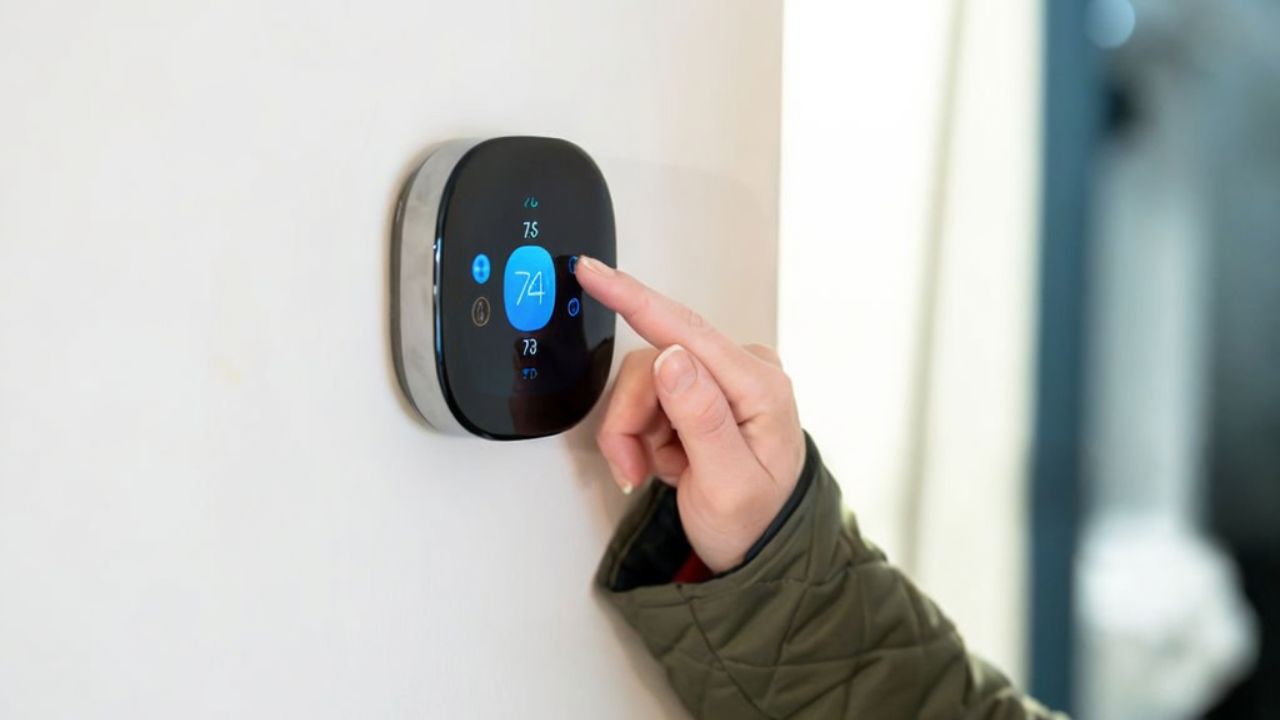
When the house feels cold, it’s tempting to jump the thermostat way up to “catch up.” Most systems do not heat faster because you asked for 78 instead of 70. They just run longer, overshoot, and you end up cracking a window.
Set it to the temperature you actually want and let it climb. If you use setbacks at night, keep the morning bump reasonable. If your heat pump has “aux” or “emergency” heat, a big jump can trigger expensive backup heat, which is a real bill booster.
3. Ignoring The Rim Joist And Sill Plate
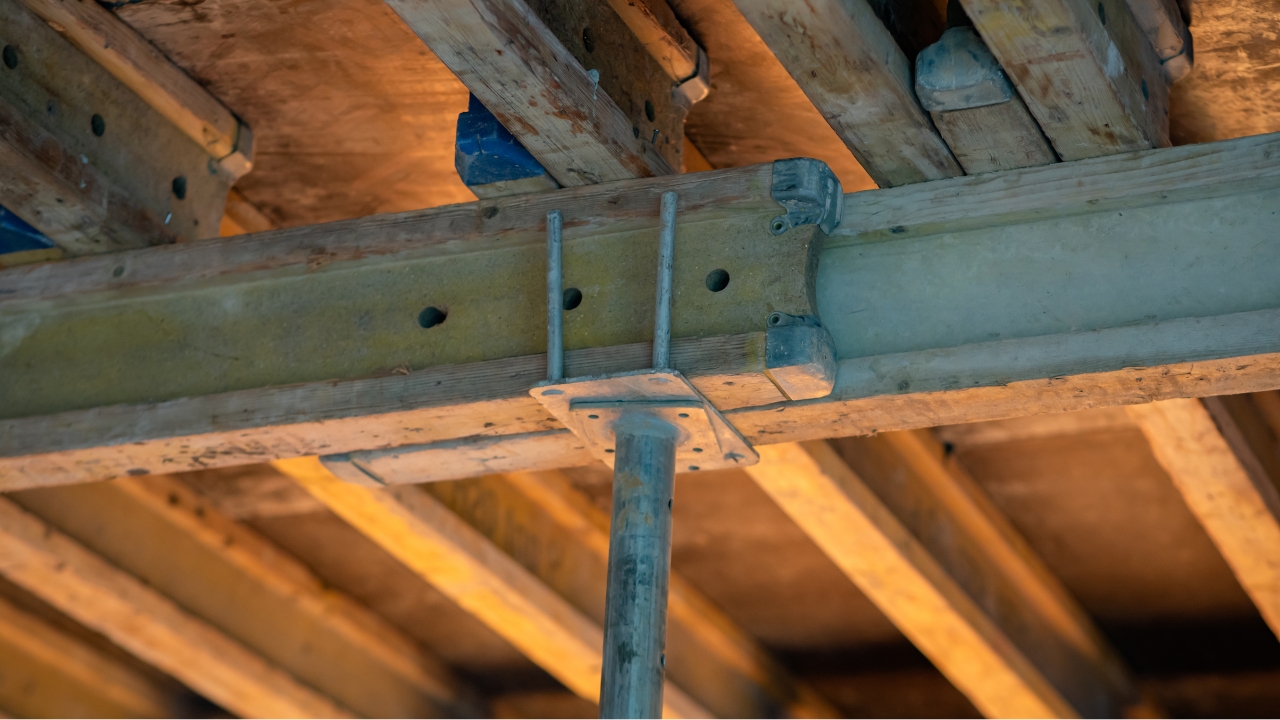
The cold stripe along the floor by an outside wall often comes from the rim joist area, that band of framing above the foundation. It leaks air like a screen door, and it’s hard to spot because it’s hiding in the basement or crawlspace. You can have great attic insulation and still lose heat here all winter.
Seal and insulate that area properly. Rigid foam cut to fit and sealed at the edges with spray foam works well, or have a pro spray-foam the band if access is tight. In a crawlspace, fix bulk water problems first and wear a respirator and eye protection when working with foam and old fiberglass.
4. Using Fireplace Dampers Like A Switch
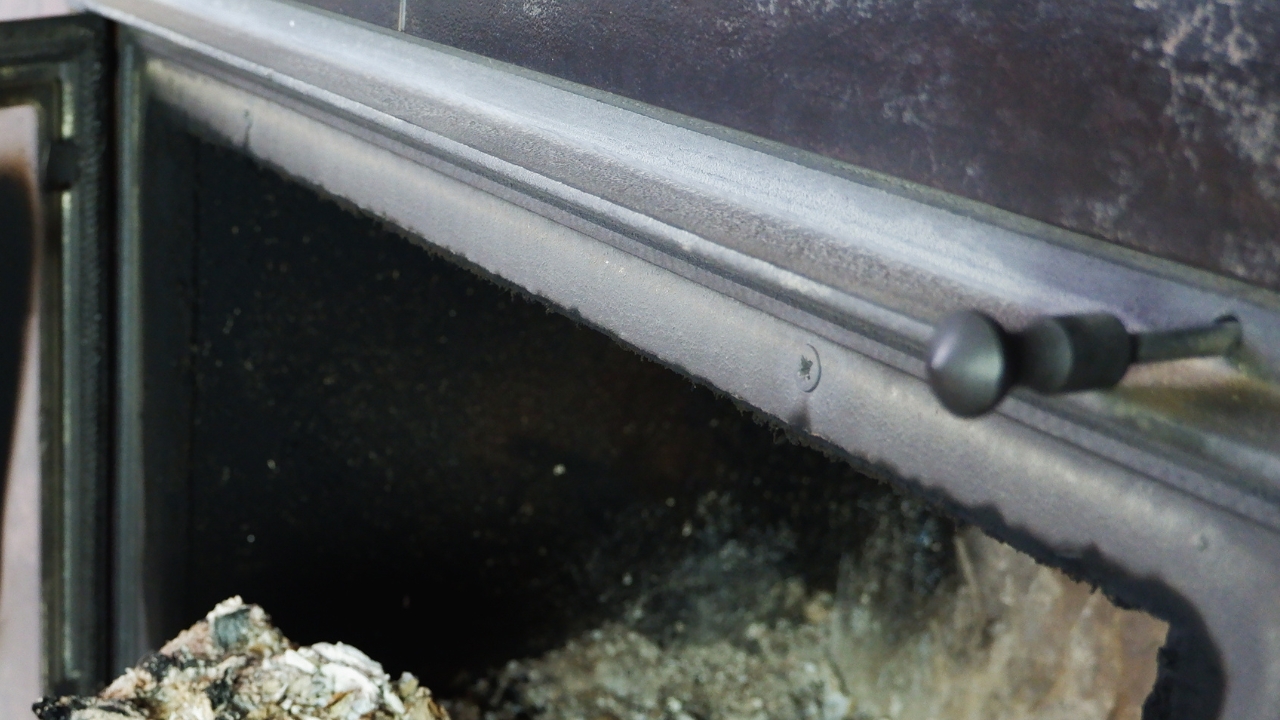
A traditional masonry fireplace is a big hole to the outdoors. If the damper isn’t tight, warm air rises right up the flue all day. You’ll feel a cold draft at the hearth even when the fire is out.
Close the damper once ashes are cold and you’re done for the day. For a leaky setup, a top-sealing damper or a chimney balloon can help, but don’t use anything that could block a working appliance. If you have a gas fireplace or any vented heater tied to a chimney, get a chimney pro to look at the setup before changing dampers or caps.
5. Washing Laundry On Hot Out Of Habit
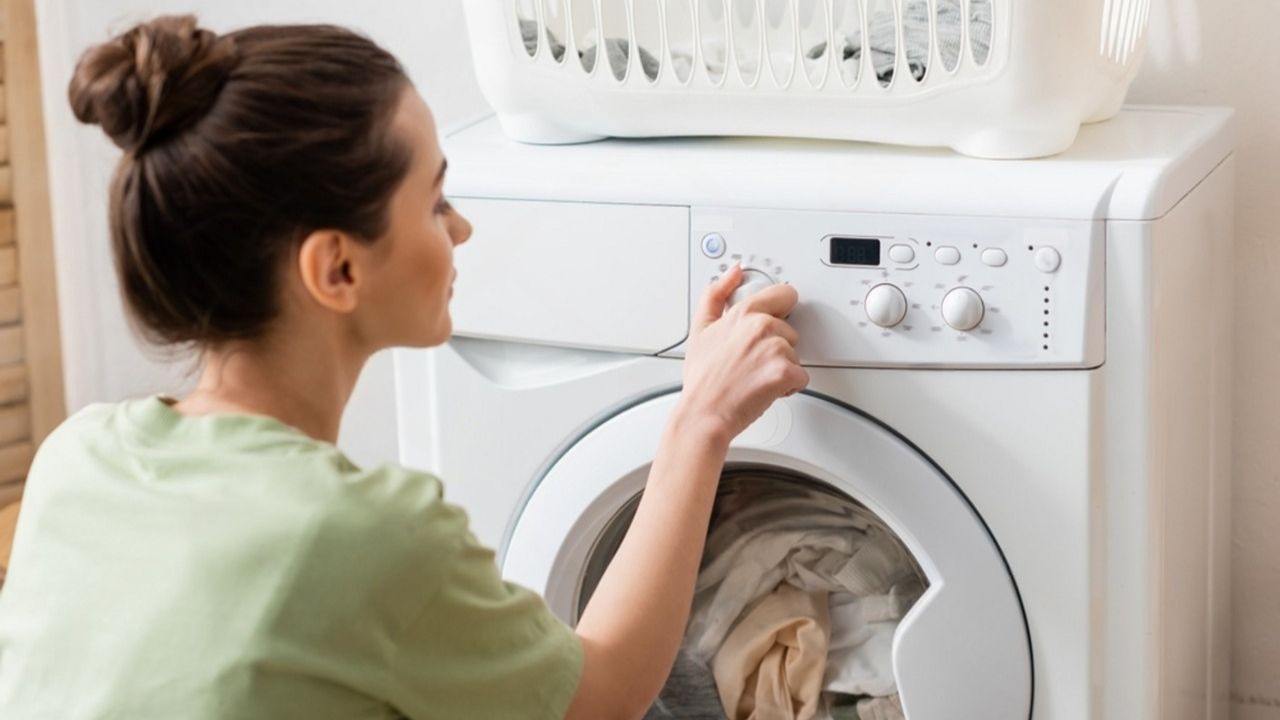
Hot water is heat you paid for, and the washer drains most of it away. If you do multiple loads a week, that habit quietly adds up. It also wears clothes faster, which is its own kind of waste.
Switch most loads to cold or cool and save hot for oily rags, diapers, or sick-house cleanup. Modern detergents are made for cold water. If your laundry room is chilly, that warm wash water isn’t really “helping heat the house” in a useful way, it leaves as humidity and goes down the drain.
6. Letting Sunlight Hit Bare Glass At Night
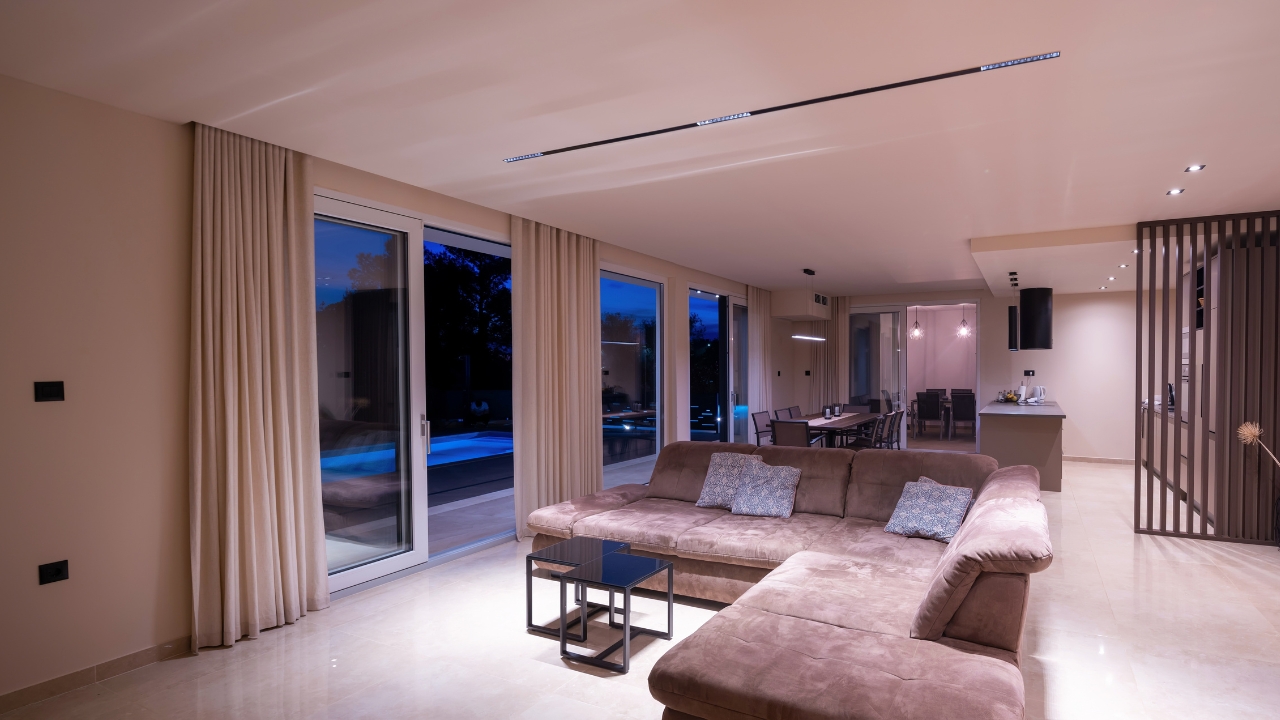
South-facing windows feel great at 2 p.m., then turn into cold radiators after dark. Glass loses heat fast, even good double-pane. If you leave curtains open all evening because you like the view, you’re paying for it.
Close blinds or curtains at dusk, especially on the north and west sides. If you’ve got drafty old windows, snug cellular shades or tight curtains make a bigger difference than flimsy sheers. The honest exception is daytime, open them when the sun is actually pouring in and you want the free heat.
7. Heating Rooms You Use As Storage
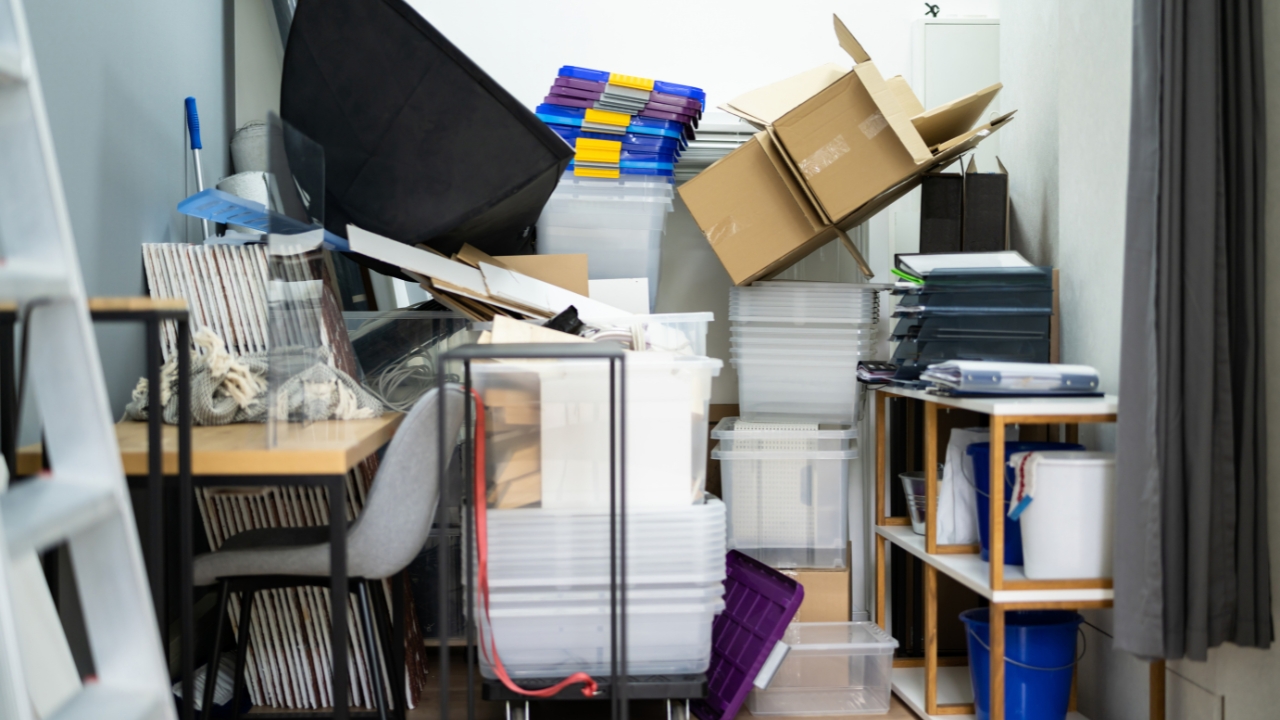
Spare bedrooms, formal dining rooms, and that “future nursery” often get heated like the rest of the house even though you barely go in there. You’re warming boxes and unused furniture. That’s wasted effort, not comfort.
Shut the door and turn the register down a bit, but don’t go extreme. Too cold invites condensation, mold, and frozen plumbing on outside walls. If the room has a water line, keep it safely above freezing and think about pipe insulation or a pro-grade air seal on that exterior wall.
8. Skipping Furnace Filter Changes
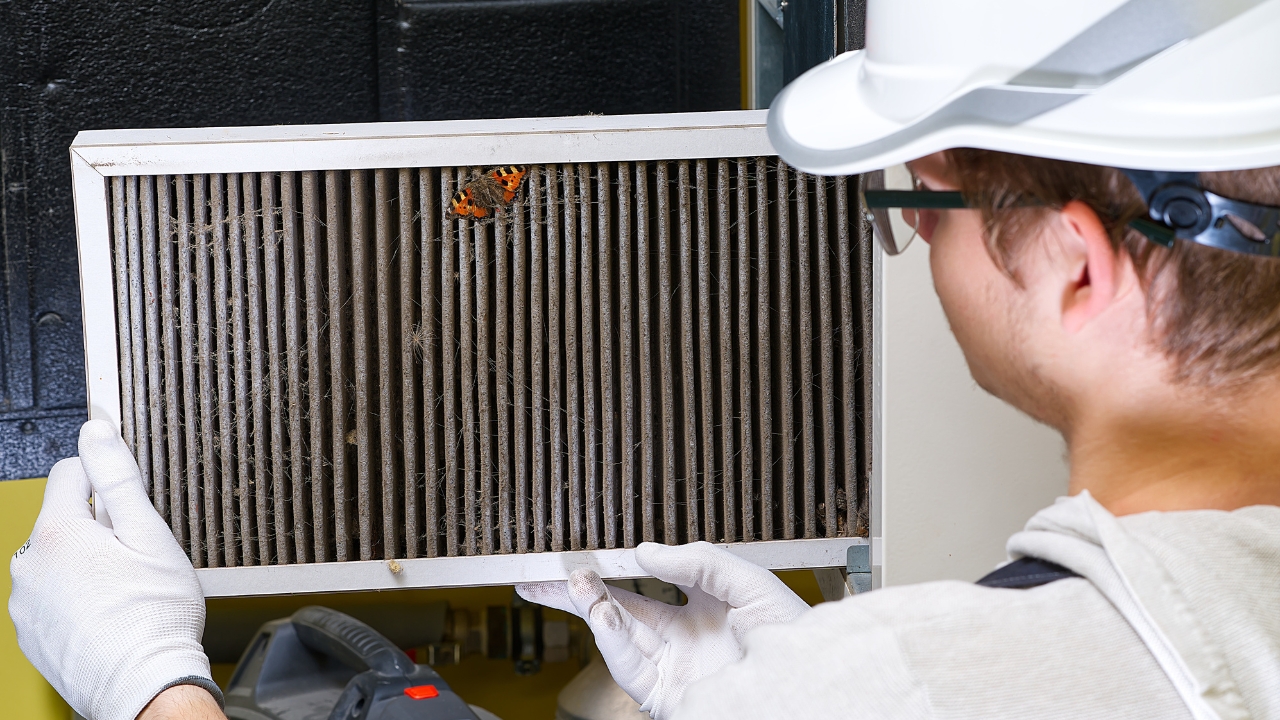
A clogged filter makes a forced-air system work harder to move the same heat. You might hear the blower straining or notice weak airflow at the farthest registers. In some cases, it leads to short cycling and wear that costs real money later.
Check the filter monthly during heating season and replace it when it’s dirty, not when the calendar feels right. High-MERV filters can be great for air quality, but some older systems can’t handle the restriction. If you keep finding filters black in a few weeks, get the ductwork and return air path looked at, and have the furnace serviced by a qualified tech.
9. Leaving The Attic Hatch Unsealed
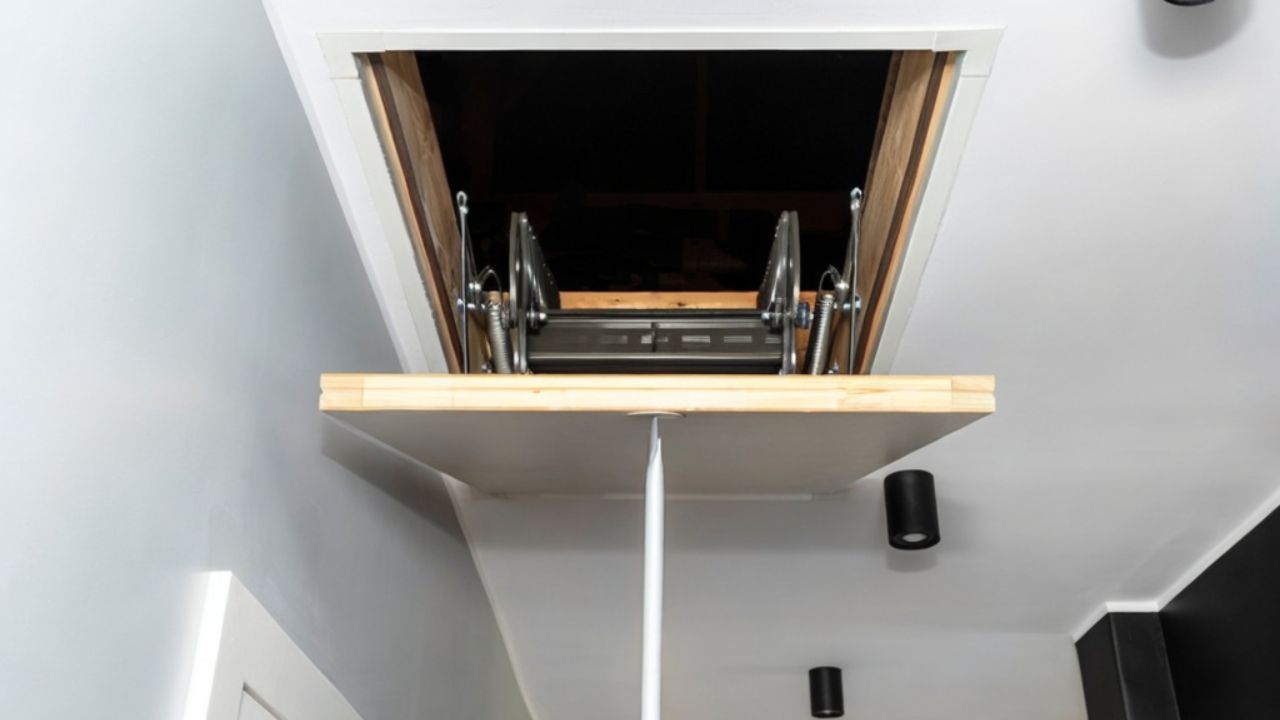
The attic access is often a piece of plywood sitting in a rough hole. Warm air stacks up and leaks out around it, and cold attic air drops into the hallway. You notice it most on windy nights.
Add weatherstripping around the hatch or use a foam gasket kit. If it’s a pull-down stair, an insulated tent cover helps a lot. Make sure the hatch still closes tight and doesn’t crush wires or ductwork.
10. Warming Up Vehicles And Equipment Too Long

Letting a truck idle in the driveway with the garage door open feels harmless, but you’re burning fuel for heat that blows away. Worse, idling with the garage door closed is dangerous, even if it’s “just for a minute.”
Modern engines don’t need long warm-ups to drive gently, and small engines warm faster under light load. If you want comfort, use a seat heater, a steering wheel cover, or a block heater on a timer where it makes sense. Keep any fuel-burning exhaust outside and away from doors and windows.
Pick one drafty spot and one daily habit and fix those first. Small leaks and small routines stack up, and once you stop feeding them, the house starts feeling steadier. Comfort is usually a tighter shell, not a hotter thermostat.
Like Fix It Homestead’s content? Be sure to follow us.