10 Driveway Problems That Get Expensive if You Wait
Photo credit: Fix It Homestead
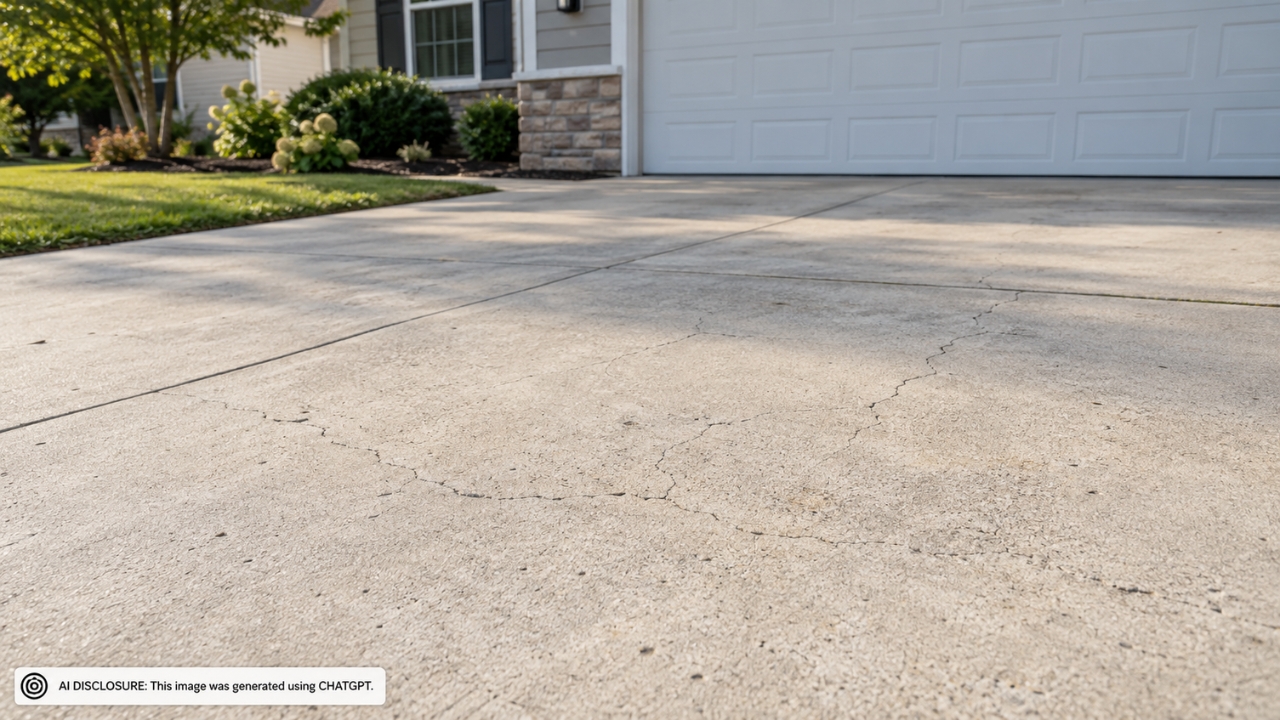
A driveway looks tough until it starts acting like a sponge, a shovel, and a pry bar all at once. Small flaws turn into bigger ones when water gets underneath, heavy wheels keep rolling, and freeze and thaw do their yearly damage. Catching problems early usually means patching and cleaning, not tearing out sections and starting over.
1. Small Cracks That Keep Spreading
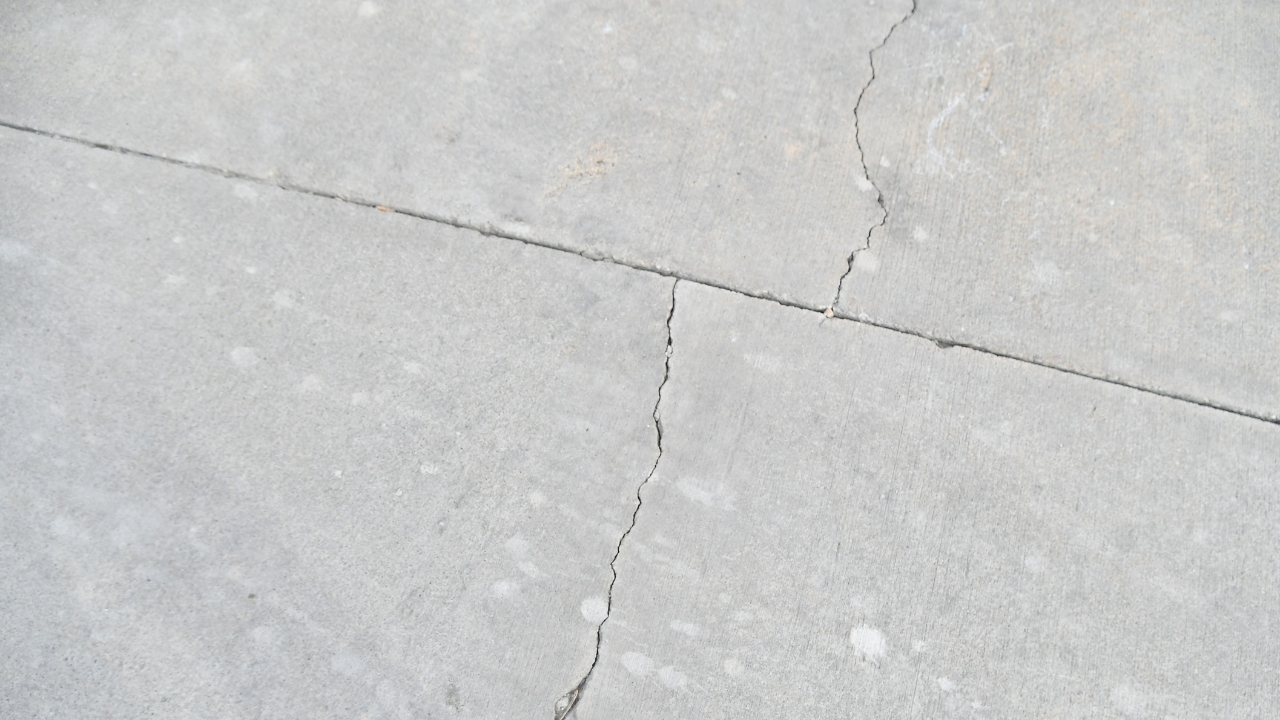
Hairline cracks don’t stay polite for long. Once water gets in, it widens the crack, loosens the base, and winter freeze turns a thin line into broken edges you can catch with a shovel. In asphalt, those cracks spider out fast after a hot summer and a hard winter.
Clean the crack hard, not gentle. Use a stiff wire brush and a leaf blower or shop vac, then fill it with the right product for your surface, asphalt crack filler or concrete crack sealant, not leftover caulk. If cracks are wide and jagged, a cold patch or a patching compound makes more sense than a thin pour.
2. Potholes And Soft Spots Forming
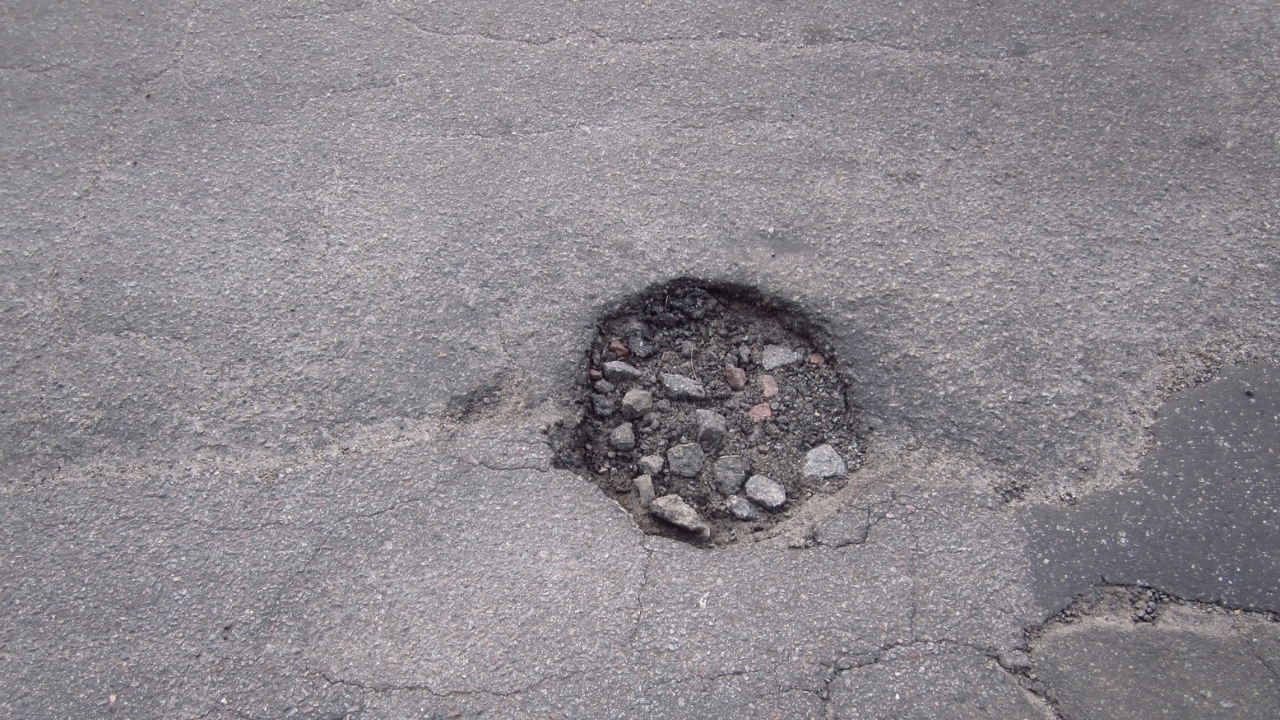
The first time you feel a wheel dip, you’ve already got base trouble. Potholes usually mean water is pumping up and down under the surface, carrying fines out and leaving a void. Keep driving over it and the edges crumble until you’re fixing a crater, not a hole.
On asphalt, dig out loose material to solid edges, then rebuild with proper patch material and good compaction. A hand tamper works for small repairs, but a rented plate compactor makes a big difference on anything larger than a dinner plate. If the area stays soft after a dry spell, plan on fixing drainage too or the patch won’t last a season.
3. Water Pooling Near The Garage
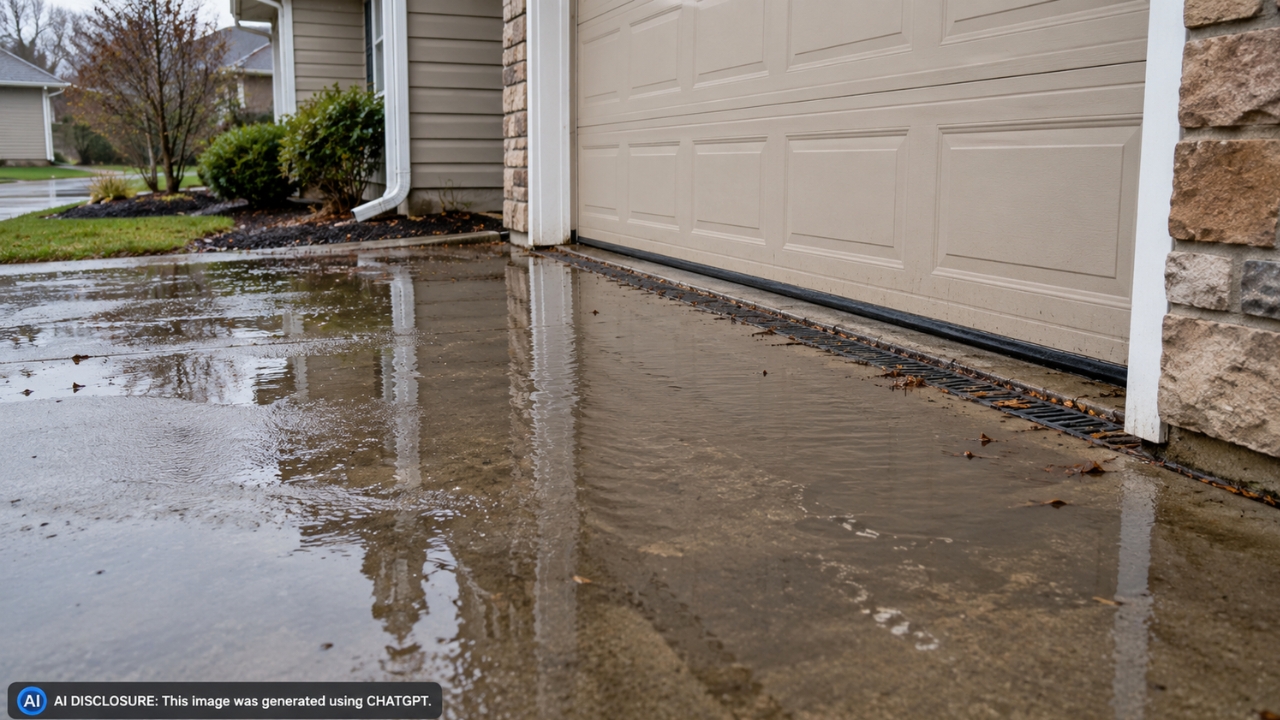
Puddles at the door aren’t just annoying, they’re a slow leak into your foundation and garage slab. Water sits, seeps, freezes, and starts lifting edges and popping spalls. It also drags road salt right where you store tools, lumber, and anything metal.
Start by watching where the water comes from in a hard rain, not on a sunny day. Sometimes the fix is as simple as cleaning a clogged channel, adding a small asphalt wedge, or regrading the first few feet so water runs away. If you need a trench drain tied into a proper outlet, that’s worth paying a pro for, and local rules can apply.
4. Downspouts Dumping Onto The Drive
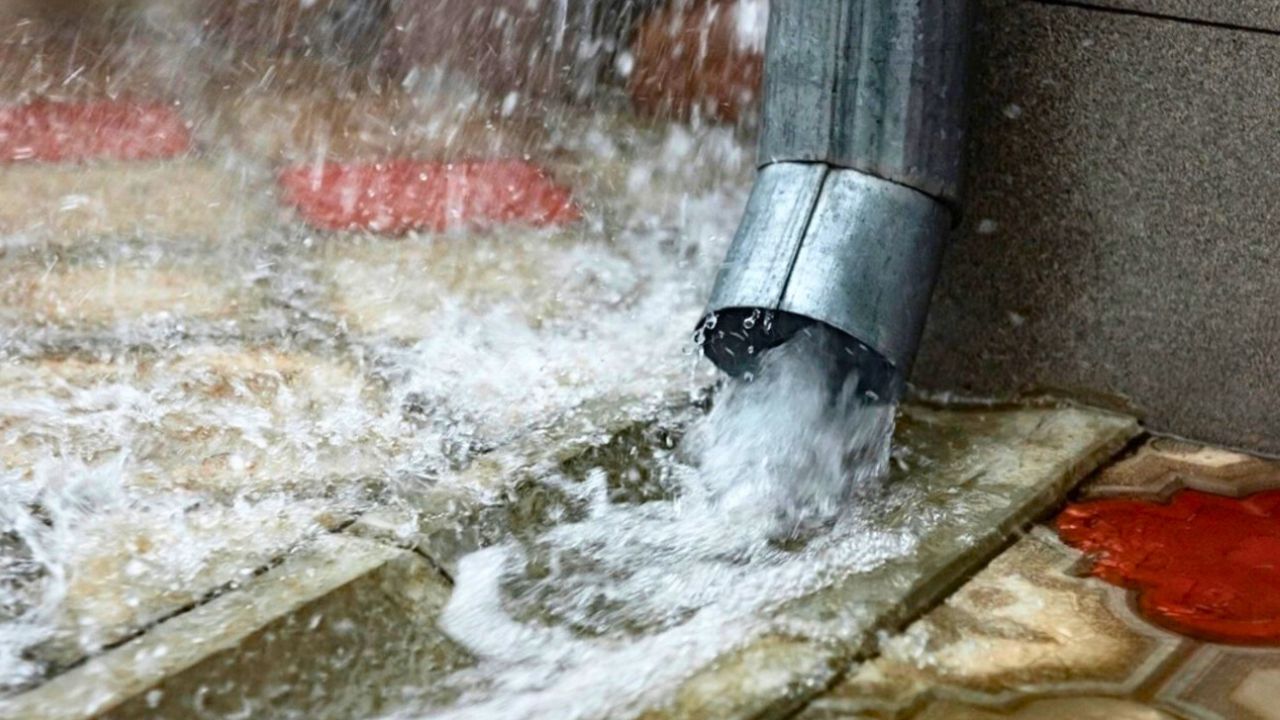
A downspout that splashes onto the driveway looks harmless until it cuts a groove, washes out the edge, and sends water under the slab or asphalt. You’ll see staining, algae, and a low spot that keeps growing. In winter, it turns into the one patch of ice that never melts.
Extend the downspout so it discharges onto yard grade or into a solid drain line that actually slopes to daylight. If you bury pipe, call 811 before digging and keep the run cleanable, with a pop-up emitter or an accessible end. Flexible corrugated pipe works for some yards, but it clogs easily if you’ve got trees.
5. Edge Breakdown From Driving Off-Side
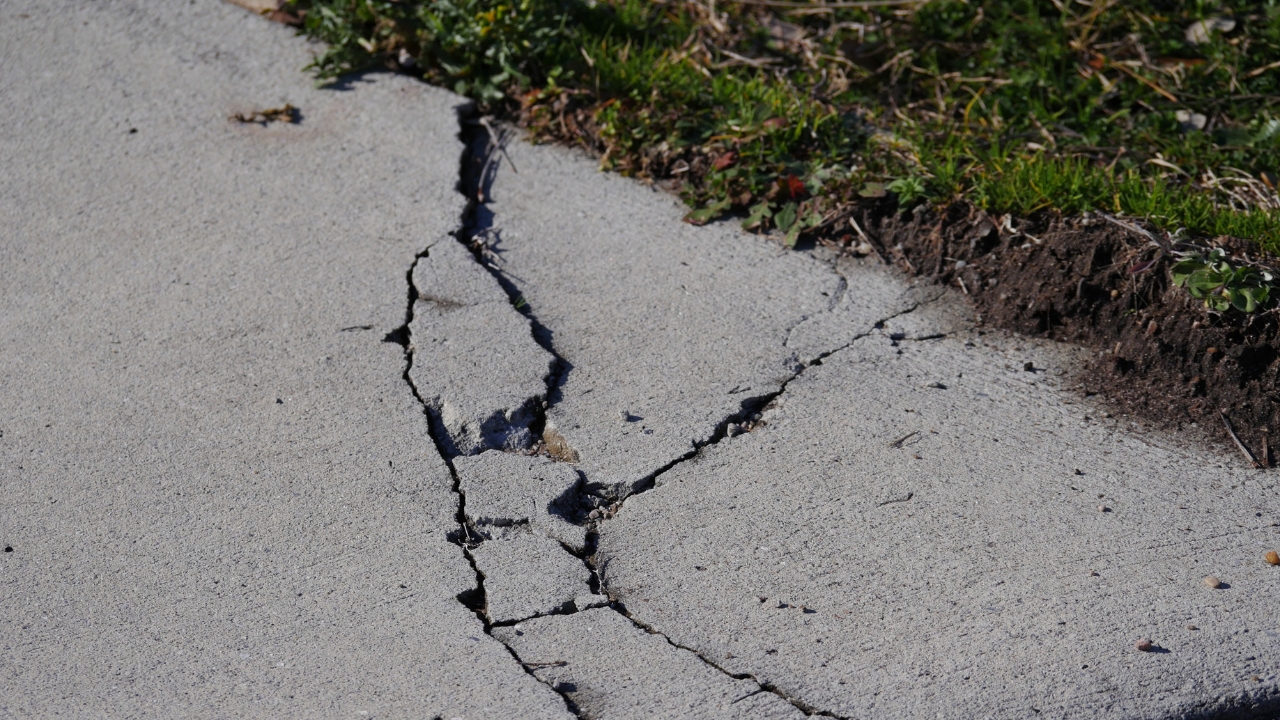
Driving a tire off the edge over and over peels a driveway like a stale cookie. Asphalt edges crack and drop, and concrete edges chip, then water gets in and the failure creeps inward. This shows up fast on narrow drives where people cut the same corner every day.
Give the edge some support. Add and compact gravel or millings along the sides, keeping it slightly below the top so water doesn’t pond. If you need a widened apron or you keep losing the same section, a thicker edge or a concrete curb is a better long-term fix than endless patching.
6. Sealer Applied At The Wrong Time
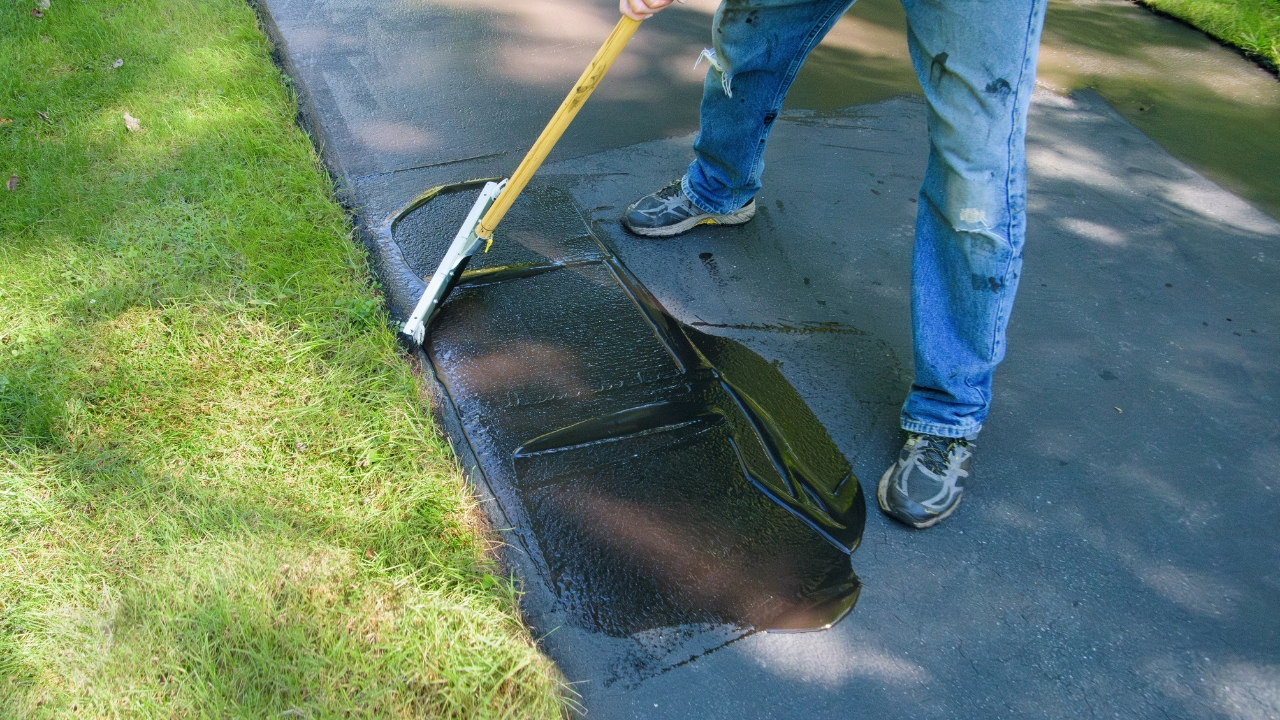
Putting sealer on asphalt right before a cold snap is money poured onto the ground. It won’t cure right, it scuffs off under tires, and it can trap moisture in existing cracks. Putting it on too thick is also a problem, it stays tacky and tracks into the garage.
Do it when days are warm and dry, and the surface is clean enough that water beads and runs off. Two thin coats beat one heavy coat. Honest exception, brand-new asphalt usually shouldn’t be sealed right away, it needs time to cure and off-gas, so check the installer’s guidance before you rush it.
7. Deicing Salts Chewing Up Concrete
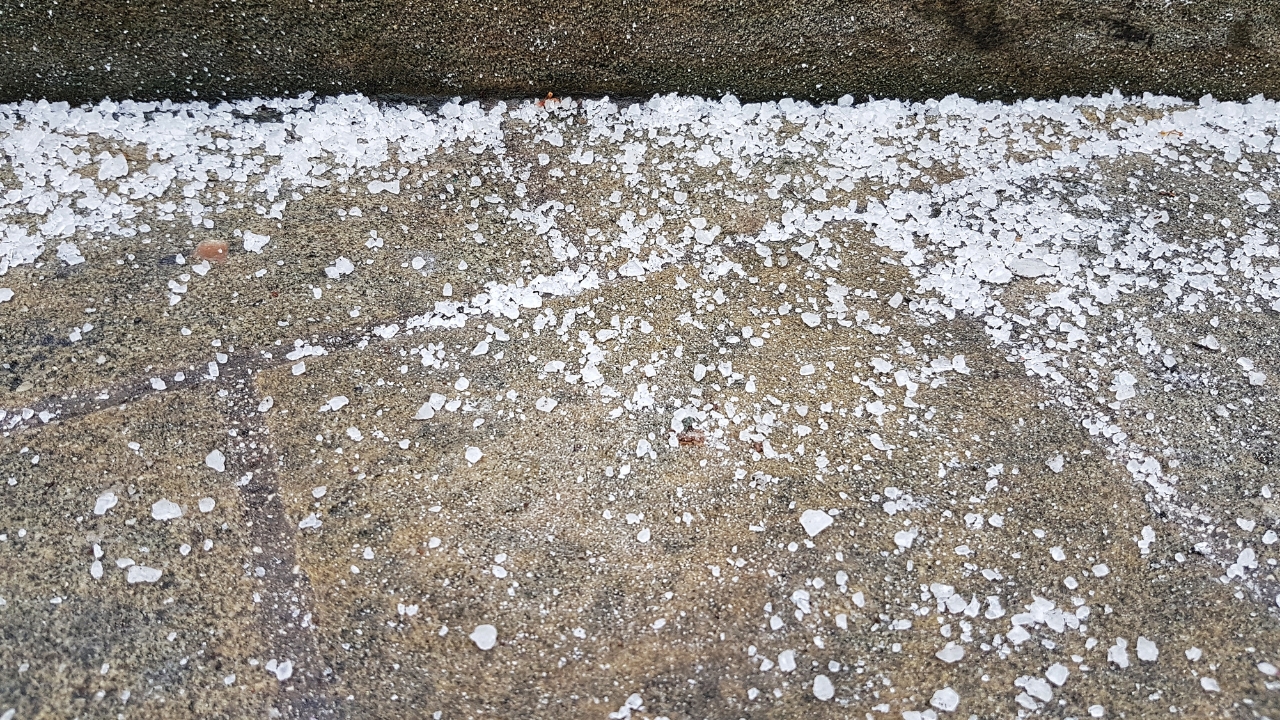
Concrete hates certain deicers, especially when the surface is already a little weak. You’ll see flaking, scaling, and rough patches that catch dirt and get uglier each winter. The damage often starts in the tire paths where meltwater sits and refreezes.
Use sand for traction when you can, and shovel early so you’re not relying on chemicals. If you do use deicer, go light, and avoid products that are known to be harsh on concrete, especially the first winter after a pour. Sealing good concrete helps, but it won’t save concrete that’s already spalling.
8. Heavy Loads Parked In One Spot
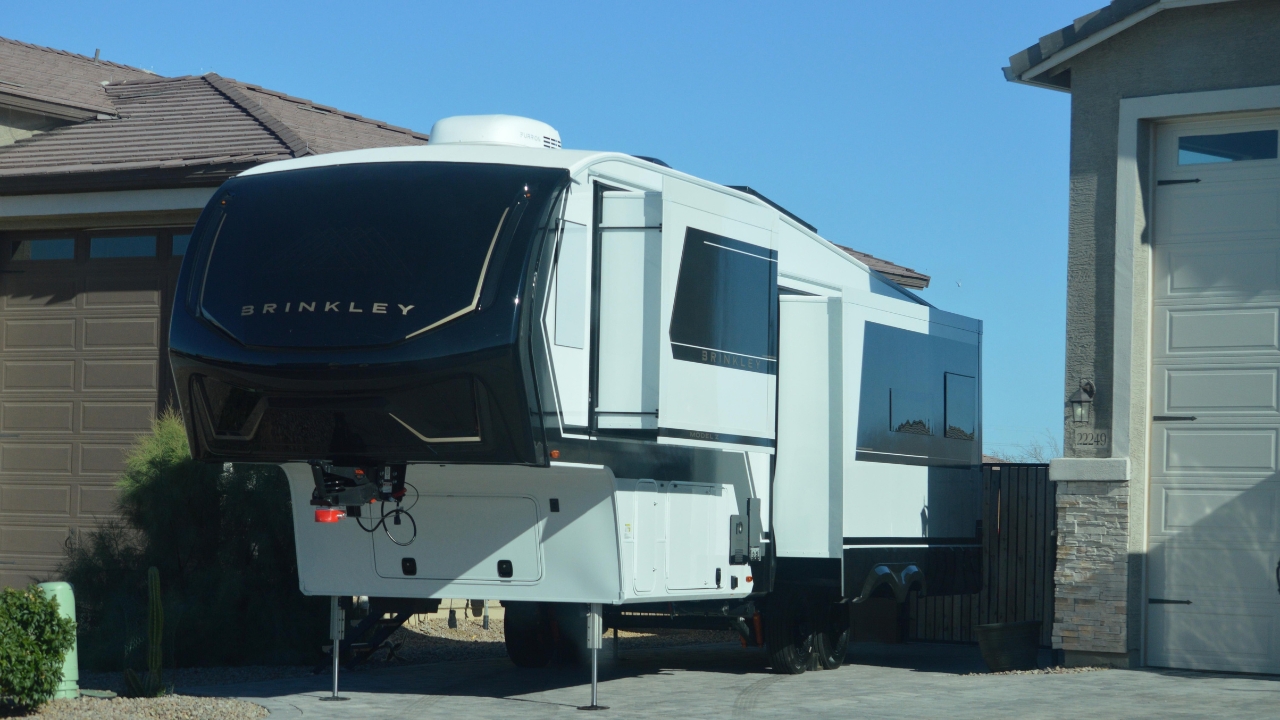
Parking the same heavy truck, camper, or trailer in the same place can make a driveway fail early. Asphalt can rut in heat, and concrete can crack where the load concentrates, especially near edges or over a thin spot. You notice it when a low area holds water or when a crack forms right where a tire sits.
Move the load around if you can, even a few feet helps. Use plywood pads under trailer jacks so they don’t punch down and make a divot. If you’re planning regular heavy parking, a thicker section or a reinforced pad is a smart upgrade, and it’s cheaper than replacing a whole run later.
9. Tree Roots Lifting The Surface

Roots don’t care what your driveway wants. They lift slabs, make trip lips, and open gaps where water and grit get in. You’ll also start scraping snow shovels on a high seam and cursing every pass.
Cutting big roots is a fast way to stress or kill a tree, and the driveway can still move afterward. Sometimes the best fix is removing the problem tree and rebuilding the edge with a root barrier, but that’s not always a DIY call. For small heaves, grinding a concrete lip can reduce the trip hazard while you plan a longer fix.
10. Skipping The Base When Rebuilding Spots
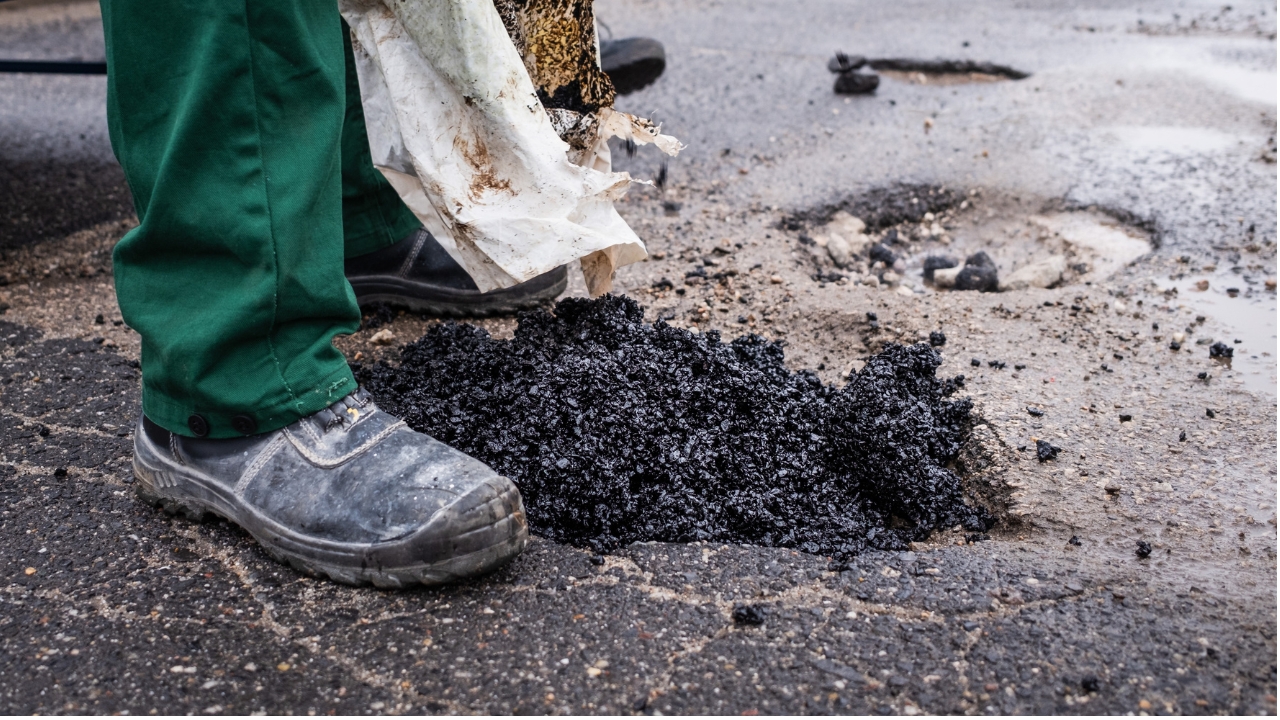
Patching the top without fixing the base is like painting over rot. The spot looks good for a bit, then it sinks, cracks around the patch, and pops loose. This is common after utility work where the trench was backfilled poorly.
If a repaired strip keeps settling, stop wasting bags of patch. Dig to solid material, rebuild with the right aggregate in lifts, and compact each lift before you put the surface back. If the trench crosses a driveway and keeps failing, call the utility or a paving contractor and ask about proper compaction and restoration standards in your area.
A driveway doesn’t need to be perfect to be serviceable, but it does need to shed water and stay supported underneath. Walk it in spring and again before winter, with a flashlight and a broom, and fix the small stuff while it’s still small.
Like Fix It Homestead’s content? Be sure to follow us.