10 Landscaping Choices Homeowners Wish They Could Undo
Photo credit: Alonia/Shutterstock.com
Every yard comes with a learning curve. A lot of us have made landscaping choices that seemed like smart ideas at the time—fast-growing trees, trendy edging, low-maintenance groundcovers—only to realize later they created more work, more mess, or more problems than we bargained for. Sometimes the issue shows up in a year, sometimes it takes five.
Either way, if you’ve ever looked at part of your yard and thought, “Why did I do that?”—you’re not alone. These are the choices many homeowners end up regretting once reality sets in.
Planting Right Against the House

It might look nice to have shrubs or flower beds tucked close to your foundation, but that setup can trap moisture, block airflow, and even invite pests. Over time, it can also make exterior maintenance harder.
If you’re not leaving enough space, roots can damage the foundation or siding, and pruning becomes a hassle. It’s better to leave a buffer zone for air circulation, access, and less future headache.
Choosing Fast-Growing Trees
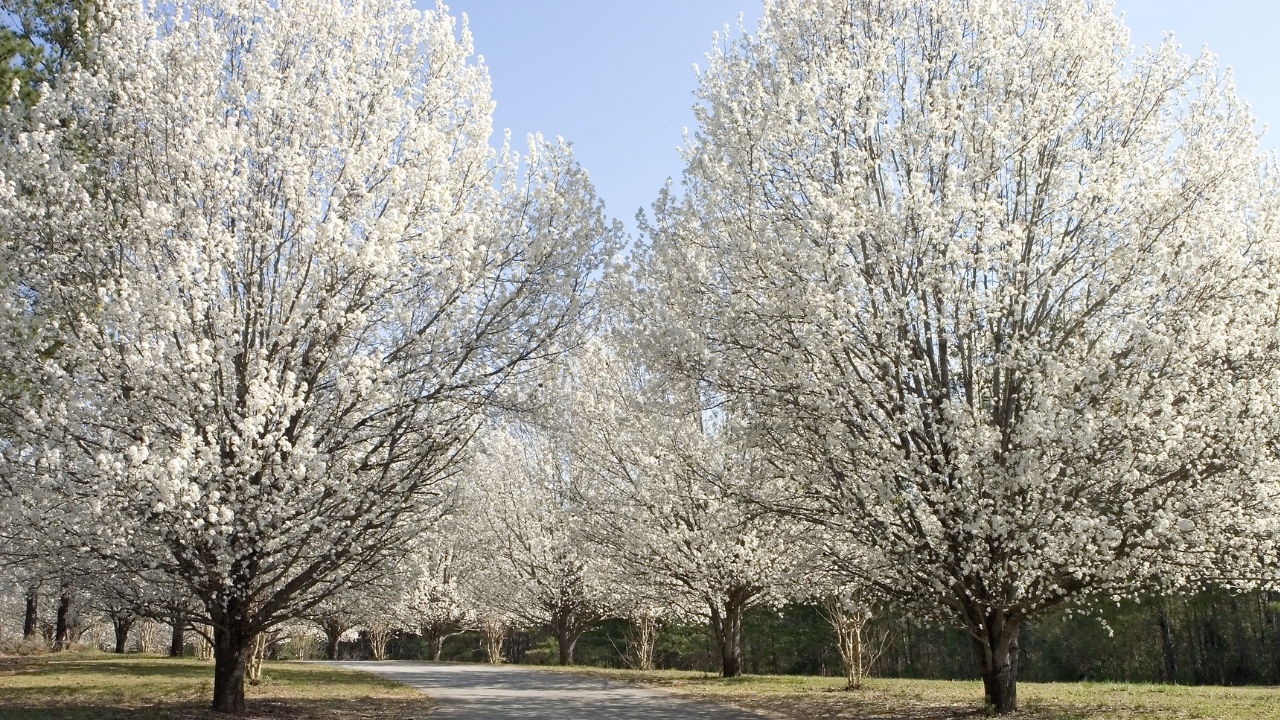
Fast growers give you shade in a hurry, but they often come with weak wood, messy debris, and roots that cause damage. What felt like a time-saver turns into a safety issue within a few years.
You end up spending more time cleaning up fallen branches or dealing with cracked walkways than you would’ve waiting on a slower, sturdier tree to mature. Long-term payoff matters more than instant results.
Using Landscape Fabric Under Mulch
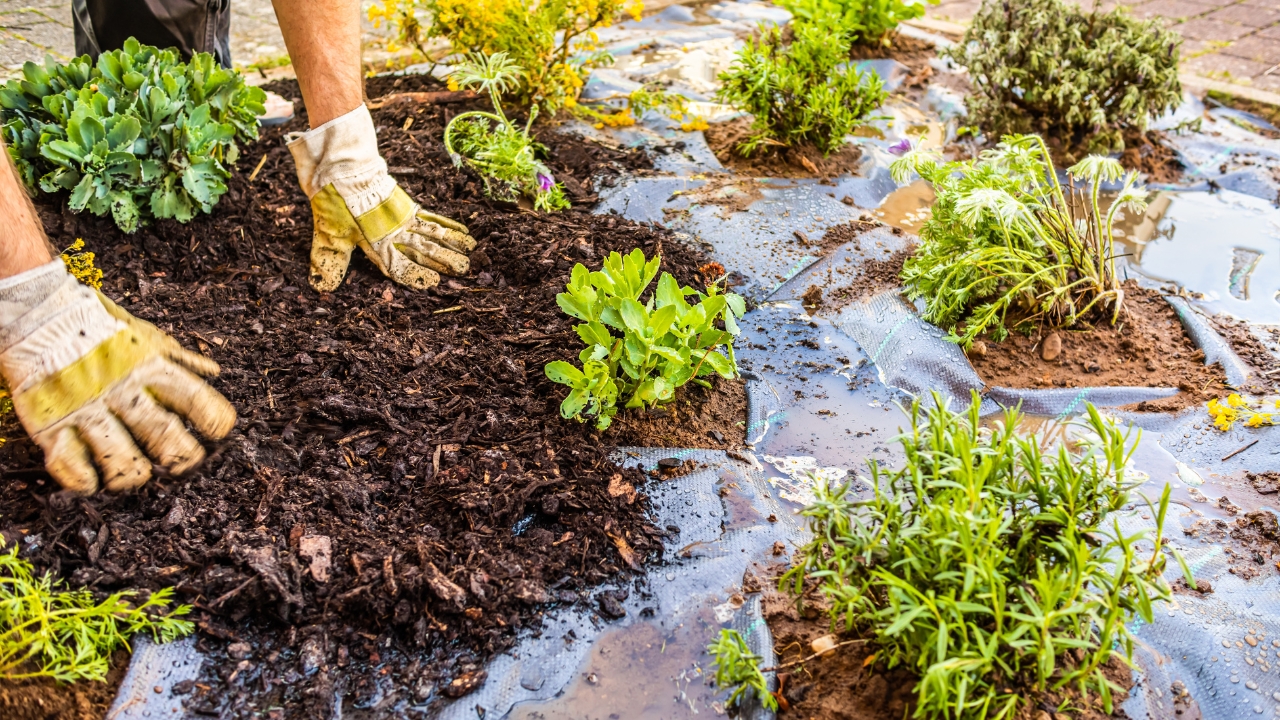
Landscape fabric seems like it’ll keep weeds out for good, but they usually push through anyway—or worse, grow on top. Once soil and mulch pile up, the fabric gets buried and forgotten.
Down the line, it becomes a tangled mess that blocks water and traps roots. Pulling it out is no small job, especially if you’ve planted through it. Mulch alone, refreshed seasonally, is usually the better option.
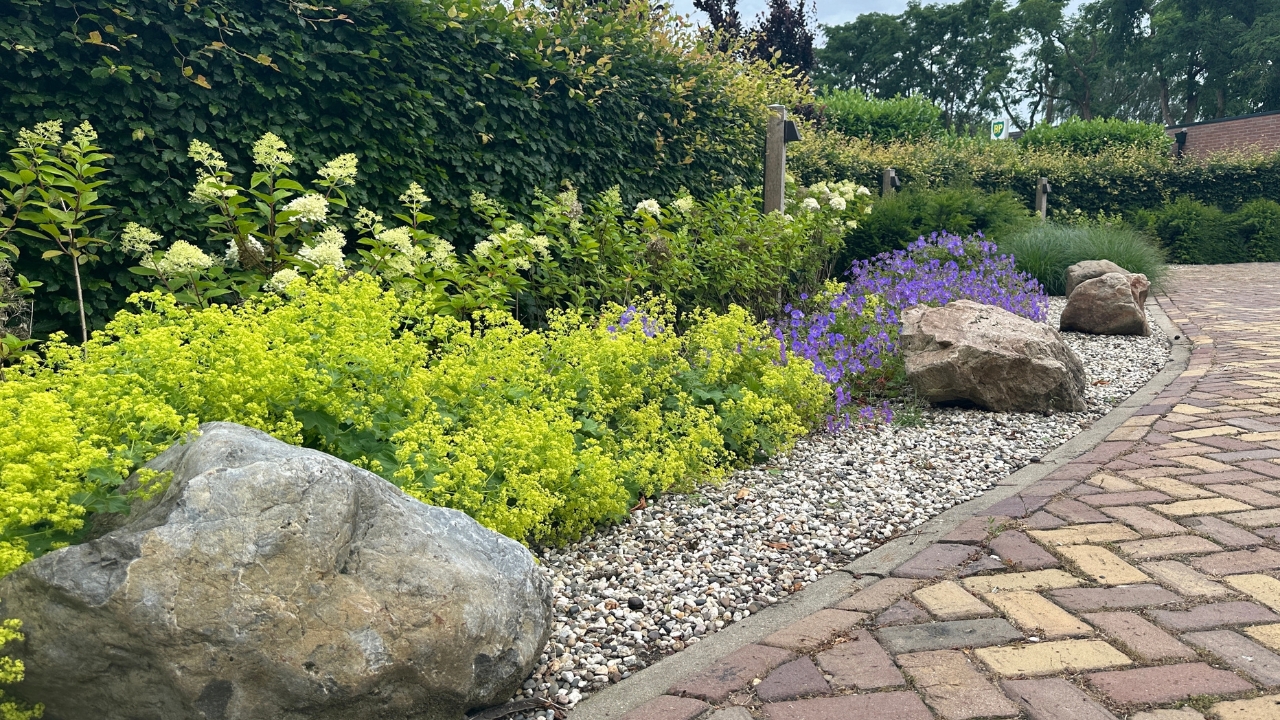
Filling Beds with Gravel
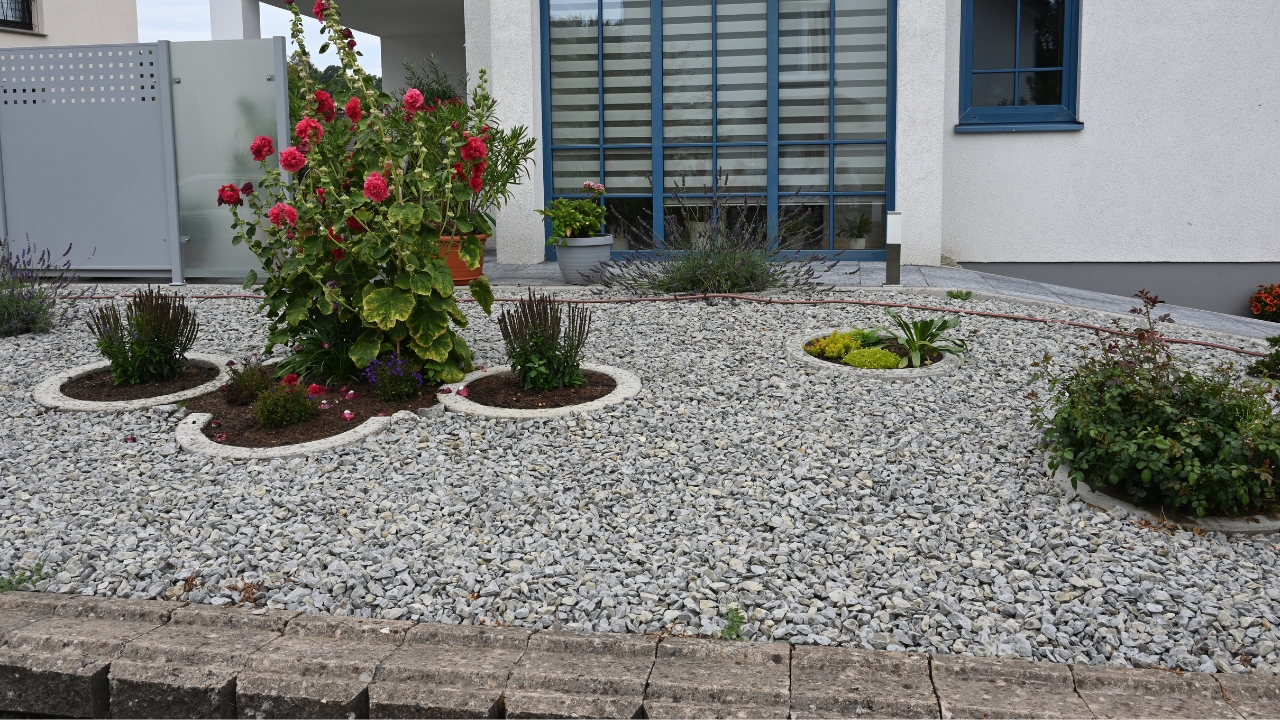
Gravel beds sound low-maintenance, but they rarely stay put. Rocks scatter into the lawn, weeds still find their way through, and you end up spending more time cleaning than you planned.
It also reflects heat, which can stress plants and make your yard feel hotter. Unless you’re in a dry climate where it makes sense, it’s often more of a hassle than mulch or groundcover.
Skipping a Drainage Plan
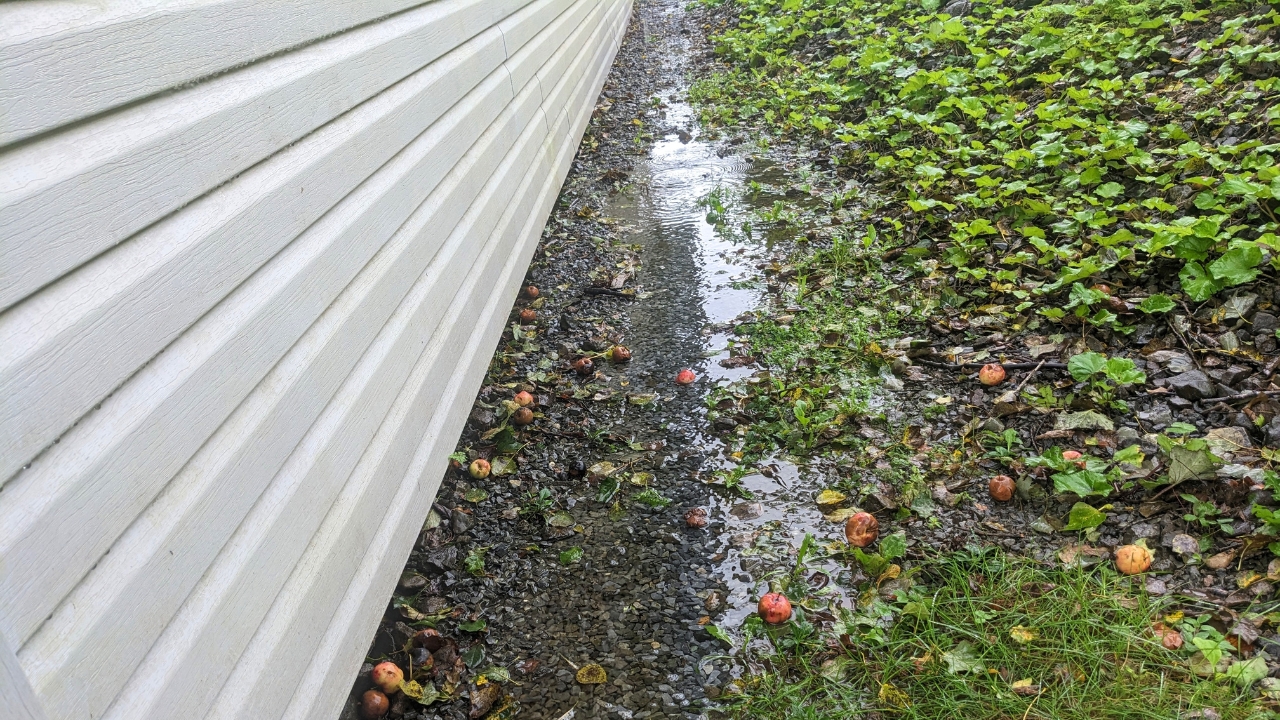
It’s easy to overlook drainage when the weather’s dry, but all it takes is one good rain to show you where the trouble spots are. Poor grading or blocked runoff can flood beds, drown plants, or erode soil.
Once the damage is done, fixing it usually means tearing out sections of your yard. Planning for water flow from the start—French drains, swales, or just sloping away from the house—saves a lot of frustration.
Going Heavy on Edging Materials

Brick, metal, and stone edging can look sharp when it’s new, but too much of it ends up limiting your layout. It’s also a pain to weed around and shifts out of place over time.
You’ll find yourself fighting with mower wheels, trimming by hand, or trying to redo beds that are locked in by permanent borders. Sometimes, a soft edge and a good spade is all you need.
Choosing Plants Based on Looks Alone

Big-box garden centers are full of flashy plants that look great in bloom—but that doesn’t mean they’ll thrive in your soil, sun, or zone. If you don’t check the growing conditions, you’re setting yourself up to fail.
A lot of people end up with scraggly or dead plants within a season and don’t realize the problem was poor fit, not bad care. It’s worth researching before you plant anything long-term.
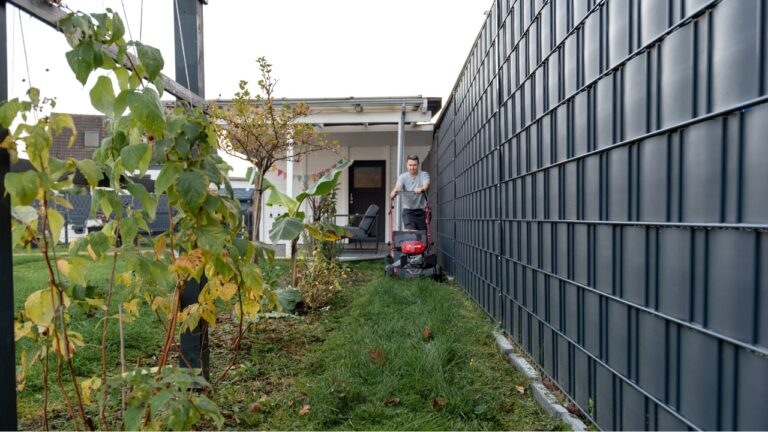
Letting Beds Creep Too Far into the Lawn
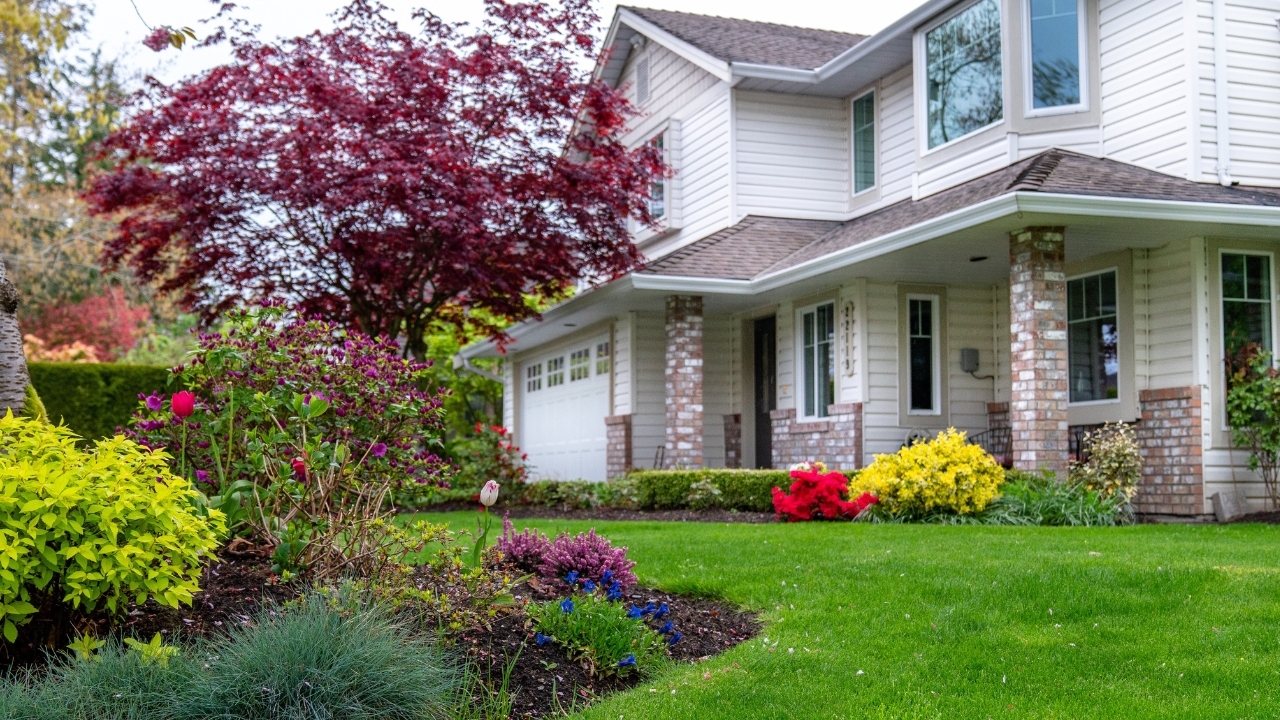
Expanding garden beds can be tempting, especially when you’re trying to get rid of patchy grass. But the more space you take from the lawn, the more maintenance those beds demand.
Every added inch means more weeding, edging, and mulching. Unless you really love the upkeep, it’s better to keep things manageable and focus on a few well-kept areas instead of overextending.
Installing Too Much Hardscape

Patios, pathways, and walls all add function—but overdoing it can make your yard feel rigid and hot. Hard surfaces absorb heat and don’t offer the same seasonal interest or cooling benefits that plants do.
It also gets expensive to repair if things settle or crack. Balancing soft landscaping with hardscape keeps your yard feeling livable and gives you more flexibility as your needs change.
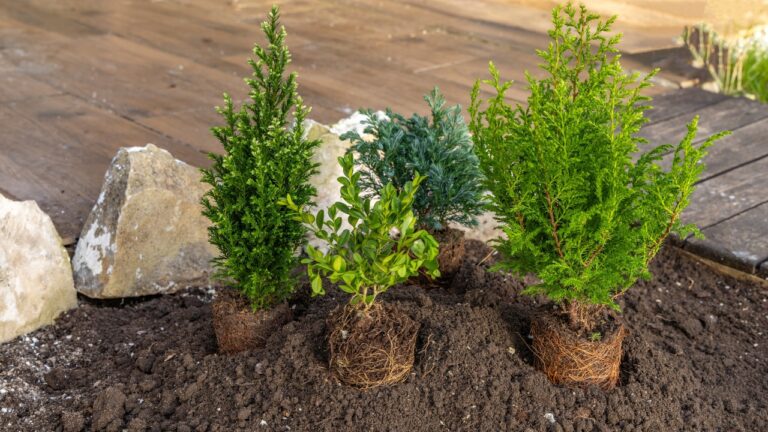
Overplanting for Instant Impact
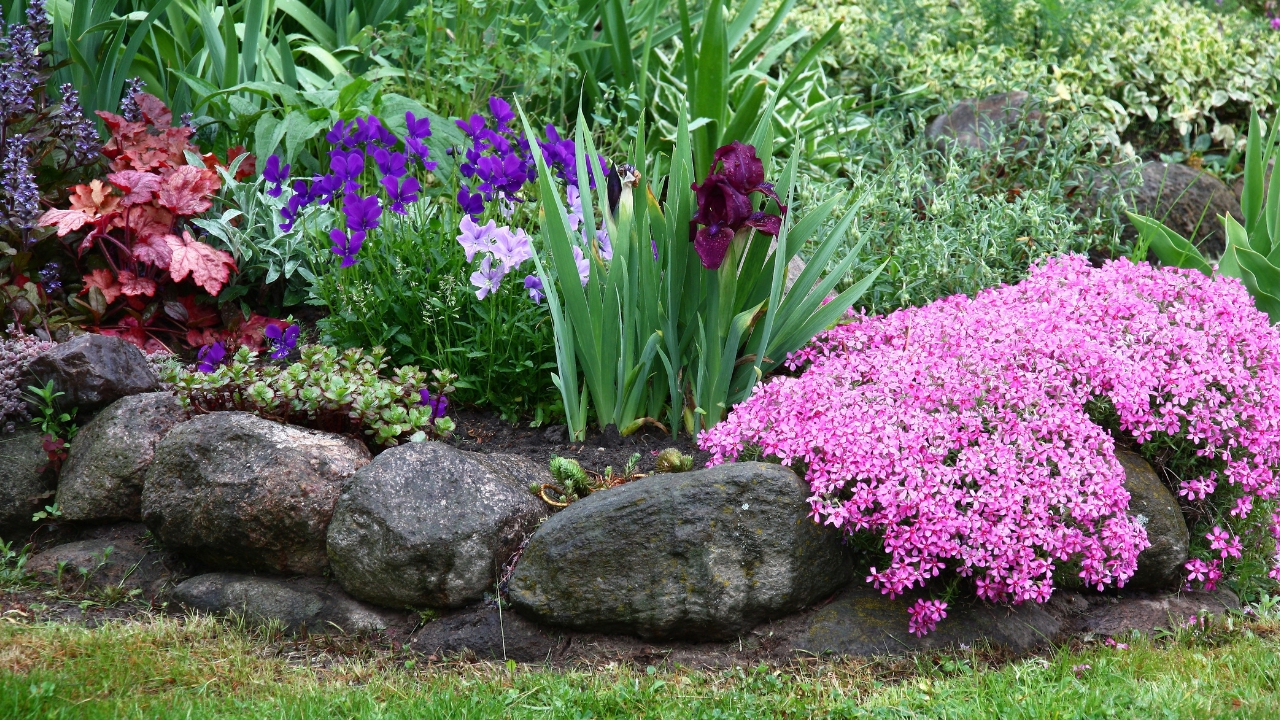
Packing plants in tightly might give you that full, lush look right away, but it creates crowding issues fast. Once everything starts growing, you’re dealing with poor airflow, root competition, and a tangled mess.
You’ll end up thinning things out or watching plants struggle. Give your landscaping room to mature, even if it means waiting a bit longer for it to fill in. It’s worth the patience.
Like Fix It Homestead’s content? Be sure to follow us.