What to Do When a Bear Shows Up in Your Yard
Photo credit: Mirceax/istock.com
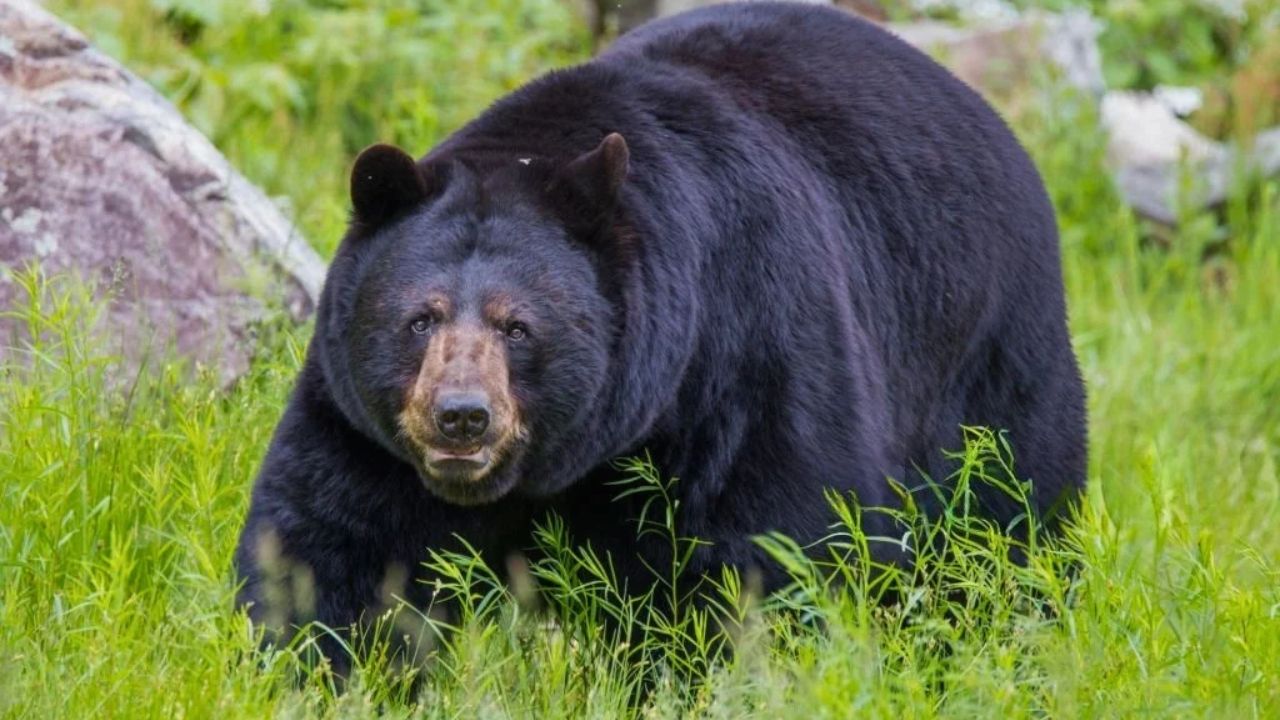
A bear in the yard changes the whole day fast. Most damage happens because the bear is looking for easy calories, and most close calls happen because people get curious. Your job is to give it space, remove the reason it came, and keep it from learning your place is a free buffet.
1. Give It Space And A Way Out
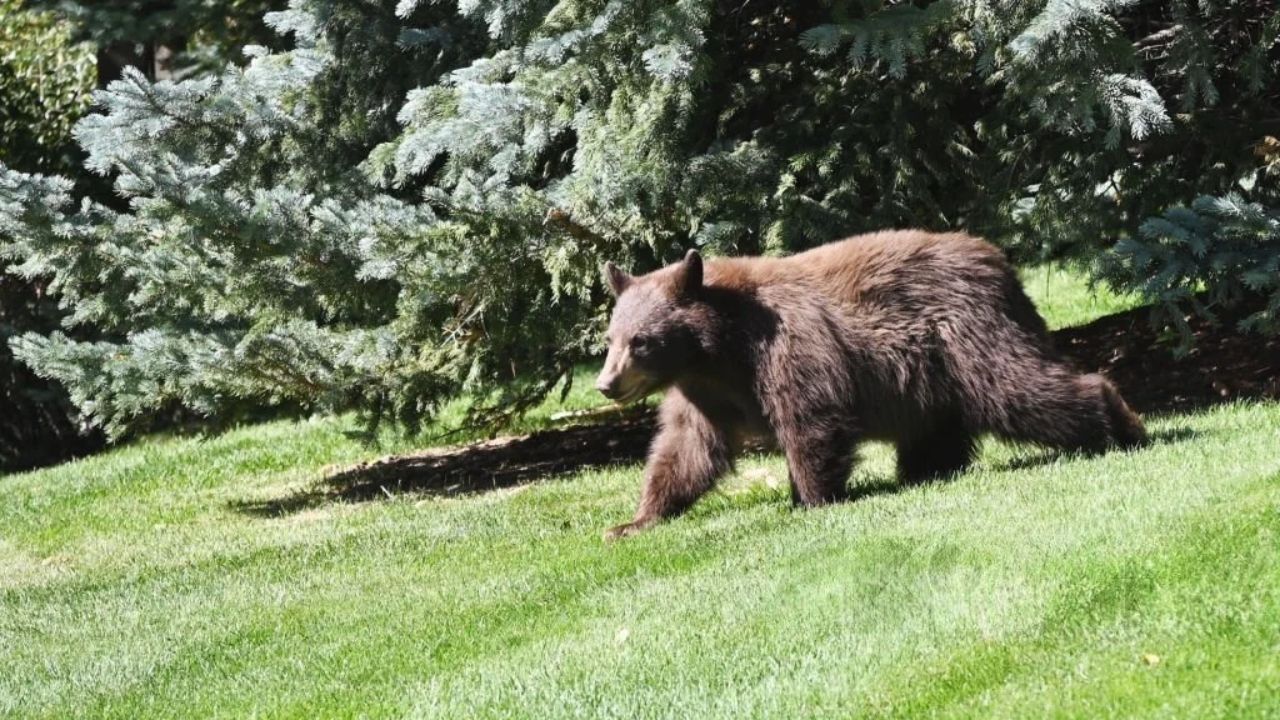
The worst move is cornering it, even by accident. Don’t step outside to “shoo it off,” don’t stand on the porch for a better look, and don’t block the route it used to come in. Go inside, keep kids close, and call everyone back from the yard.
From indoors, close blinds enough that you’re not pressed against glass, and keep voices low. If the bear is between you and a door, use another exit or stay put. Give it time. A bear that can leave calmly is far less likely to act up.
2. Bring Pets In, No Exceptions
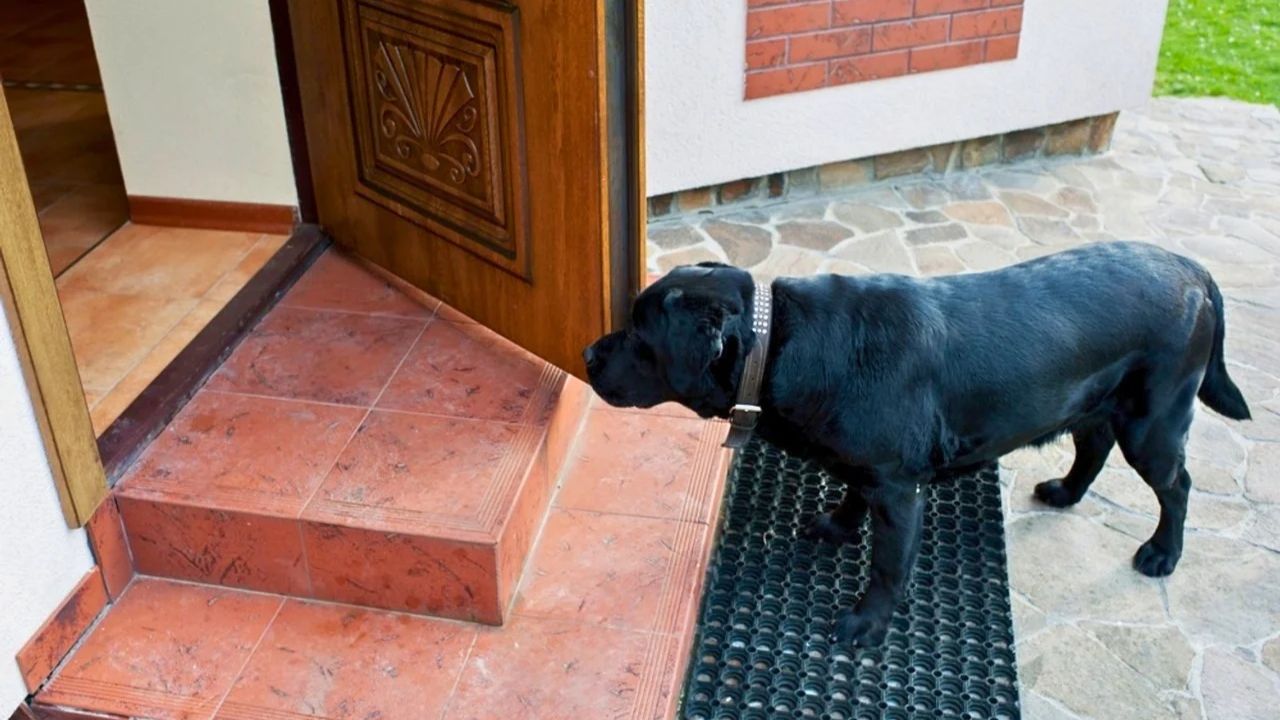
Loose dogs cause a lot of trouble, fast. They rush the bear, the bear stands its ground, then the dog runs back to you with the bear following the commotion. Cats can get treed or pinned, and you don’t want to be outside trying to grab them.
Call pets in right away and latch the door. If a dog is already outside barking, don’t run out screaming. Use a remote door, a car horn from inside the garage, or a calm call from a window to pull the dog back without you stepping into the yard.
3. Remove The Dinner Bell, Immediately
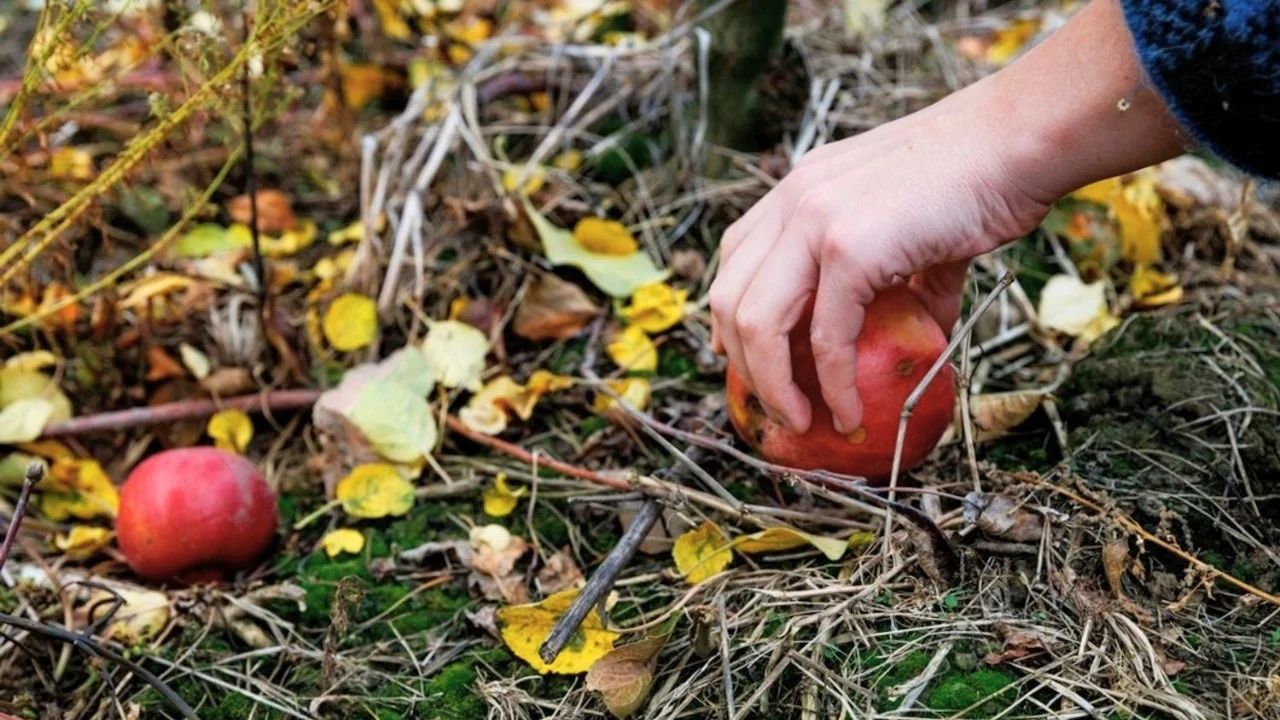
A bear rarely wanders in to admire your landscaping. It smells something. Bird seed, grill grease, dropped apples, pet food, rabbit pellets, compost, and trash all count, and a bear’s nose will beat your “it’s sealed” container.
Once the bear is gone, clean up like you’re trying to fool a bloodhound. Pick up fallen fruit, sweep under the feeder, and stop feeding birds for a while if you have to. Wash down the grill drip area and store grease cans inside. If you keep livestock feed, move it to a solid shed or a locked metal container, not a plastic tote.
4. Secure Trash Cans The Boring Way
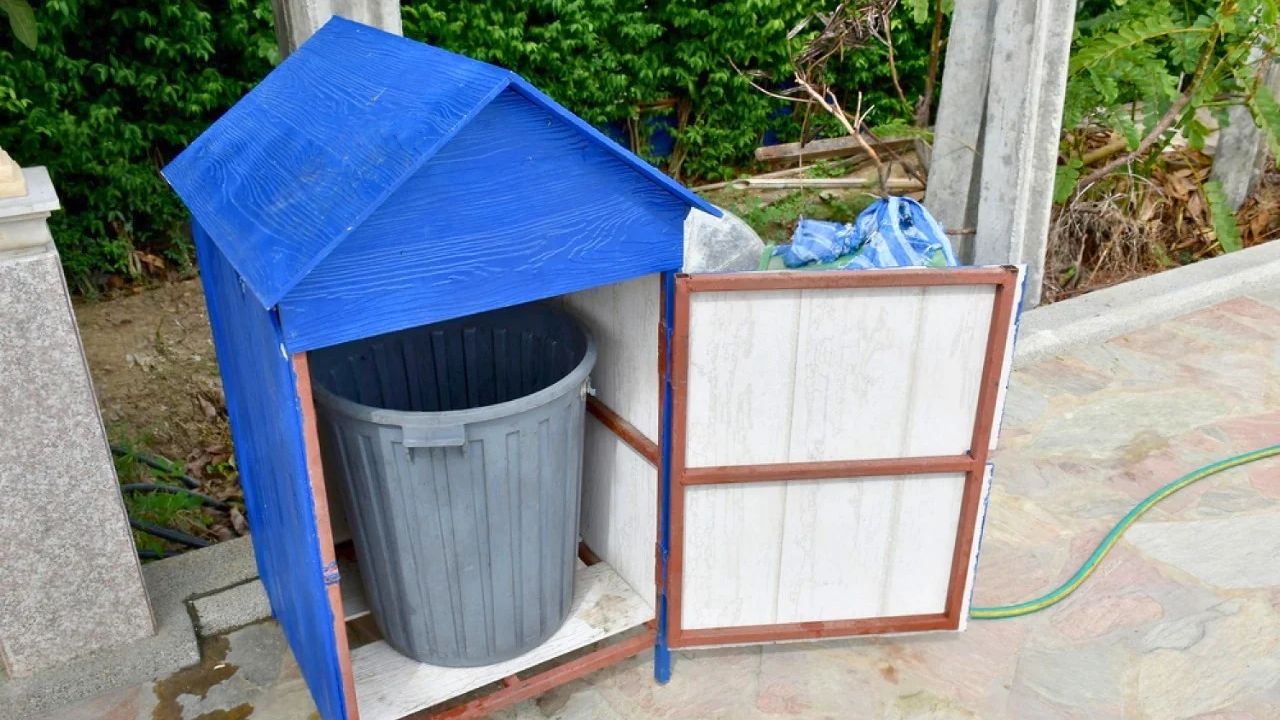
Most “bear problems” are really “trash night problems.” A bear that flips one can and gets a week’s worth of food learns the schedule. Then it comes back like clockwork.
Keep cans in a garage or a sturdy shed until pickup morning. If that’s not possible, use a bear-resistant can or strap the lid down with a real ratchet strap and anchor point, not bungee cords. If your hauler allows it, set trash out right before the truck comes, not the night before.
5. Make Your Yard Loud From Indoors
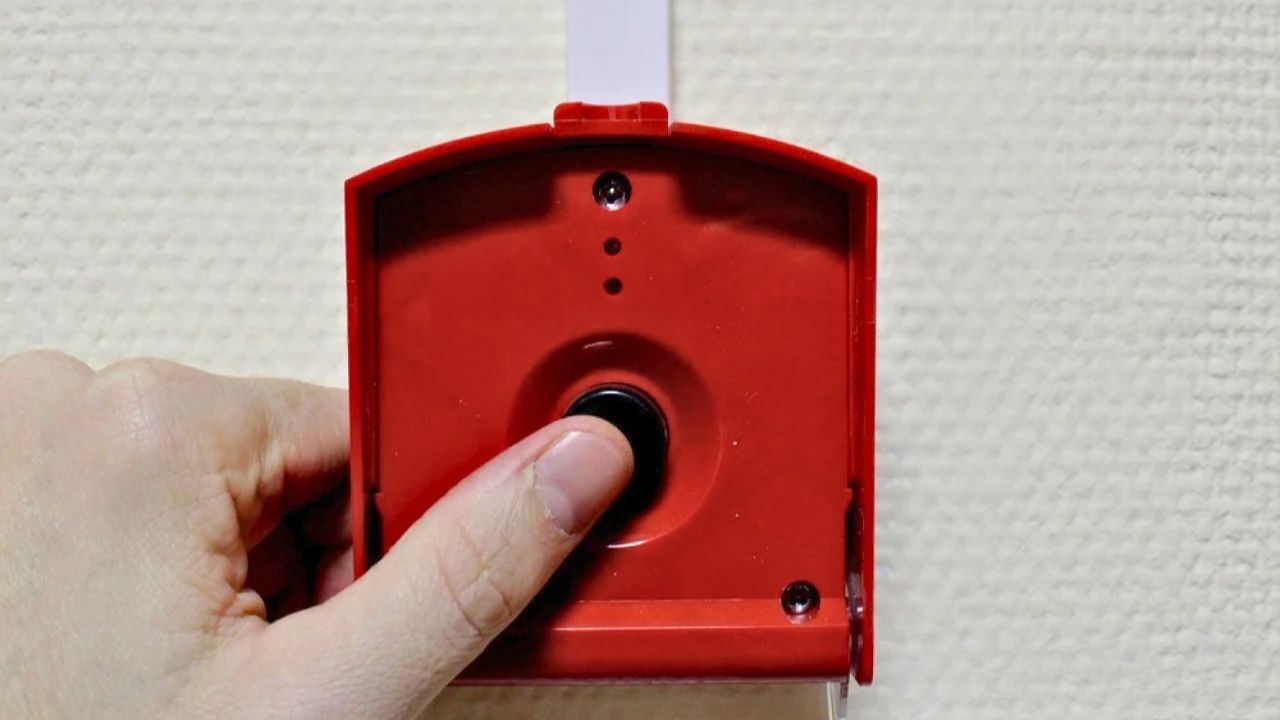
People reach for fireworks or run out banging pots, and that puts you too close for comfort. You can make plenty of noise without sharing the yard. The goal is to be annoying, not brave.
From inside, hit the car alarm, honk the horn, or set off a house alarm panic button if you have one. Shout from a closed window, not an open door. Motion lights help at night, but sound tends to move a bear along faster than a bright bulb.
6. Don’t Rely On Cheap Repellents
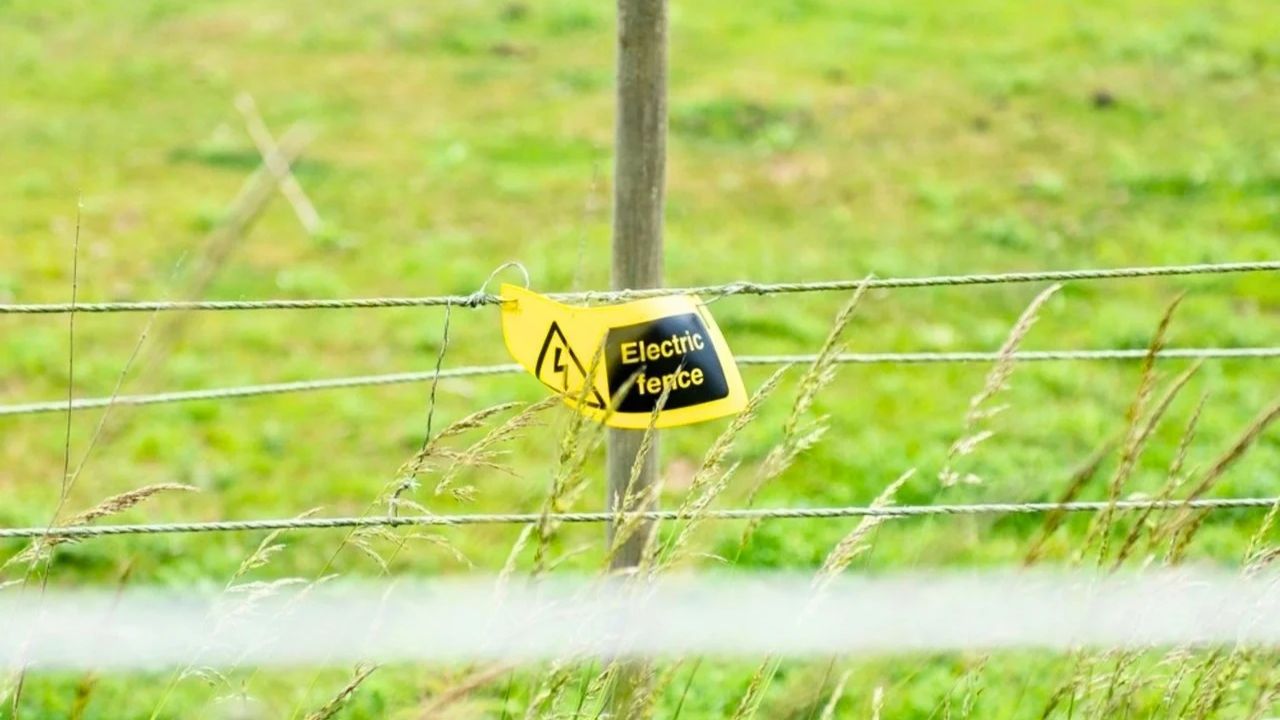
Sprays, mothballs, ammonia rags, and “predator urine” are a lot of effort for mixed results. They also teach you bad habits, like walking out to refresh them when a bear is nearby. Save your money for things that actually change the bear’s reward.
The honest exception is an electric fence, used correctly. A low fence around a coop, compost pile, beehives, or fruit trees can work well because it creates a clear, unpleasant consequence. It needs a real charger, good grounding, and weeds kept off the wire, otherwise it turns into yard decoration.
7. Check For Cubs Before You Do Anything
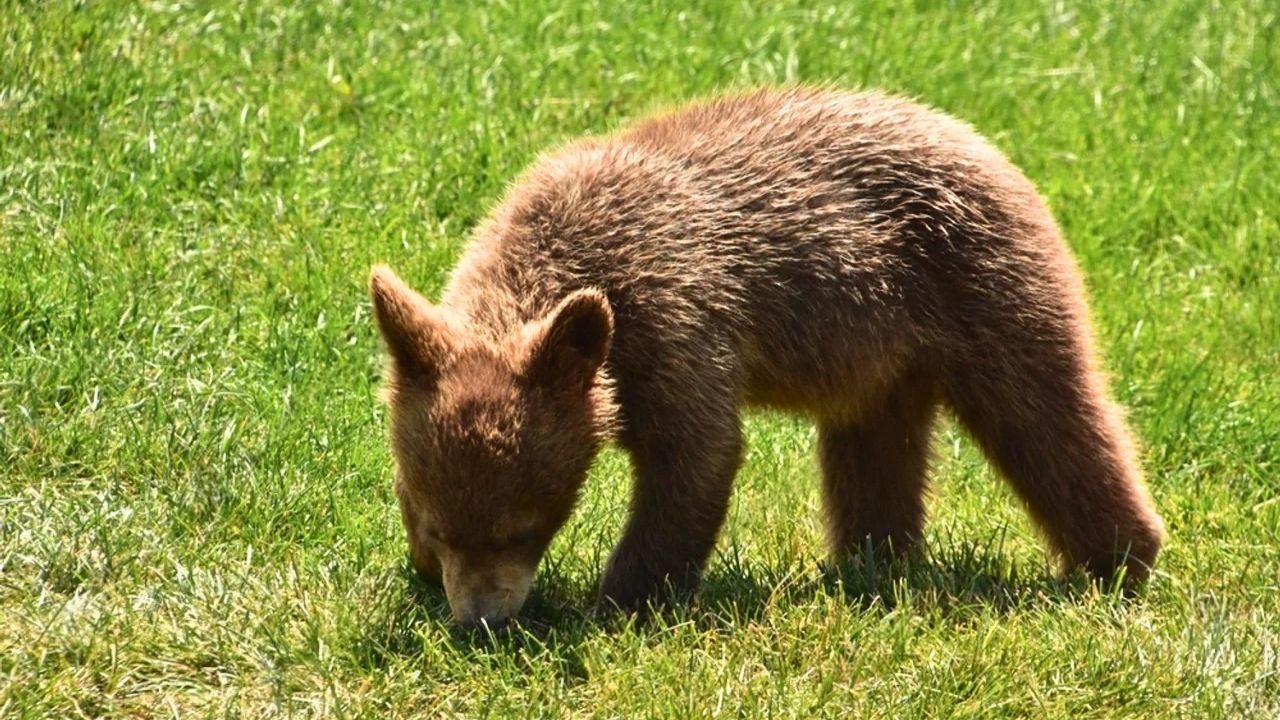
See one small bear and it’s easy to assume it’s alone. It often isn’t. A mother nearby changes the risk level, and the mother may be out of sight in brush, behind a shed, or down in a ditch line.
Stay inside and scan slowly from windows for extra movement, especially near dense cover. If you spot cubs, stop trying to hustle the bear along and just give it time and space. This is also when calling local wildlife officers makes sense, because they’ll know what’s been happening in your area.
8. Close Off Crawlspaces And Under-Deck Gaps
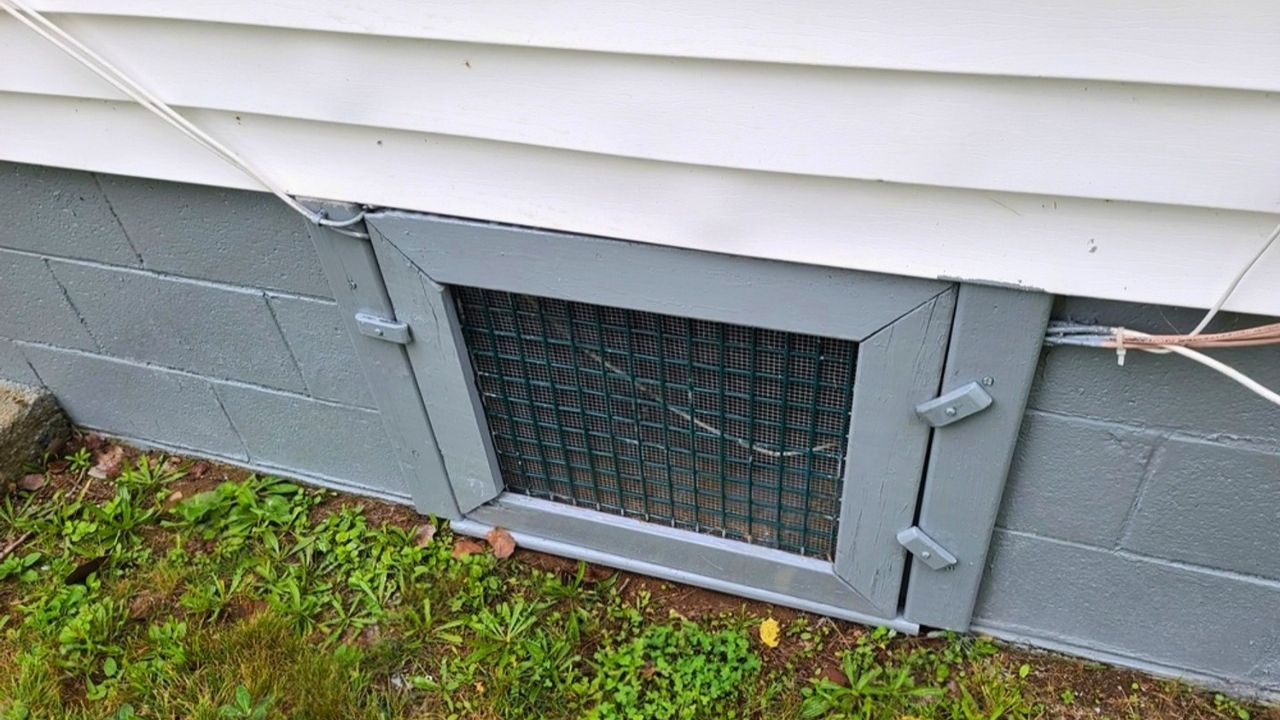
In spring and fall, a bear may poke around for a dry spot, cool shade, or a place to nap. Under a low deck, behind a stacked woodpile, or in an open crawlspace is inviting, and once it finds a good den-like spot, it may hang around longer.
After the bear leaves, walk the perimeter and look for openings, torn lattice, or a loose skirting panel. Fix gaps with sturdy materials like 1/2-inch hardware cloth and screws with washers, not flimsy chicken wire and staples. If you need to dig to bury mesh, call for utility locates first, even for a shallow trench.
9. Clean Up The “Small Smells” People Forget
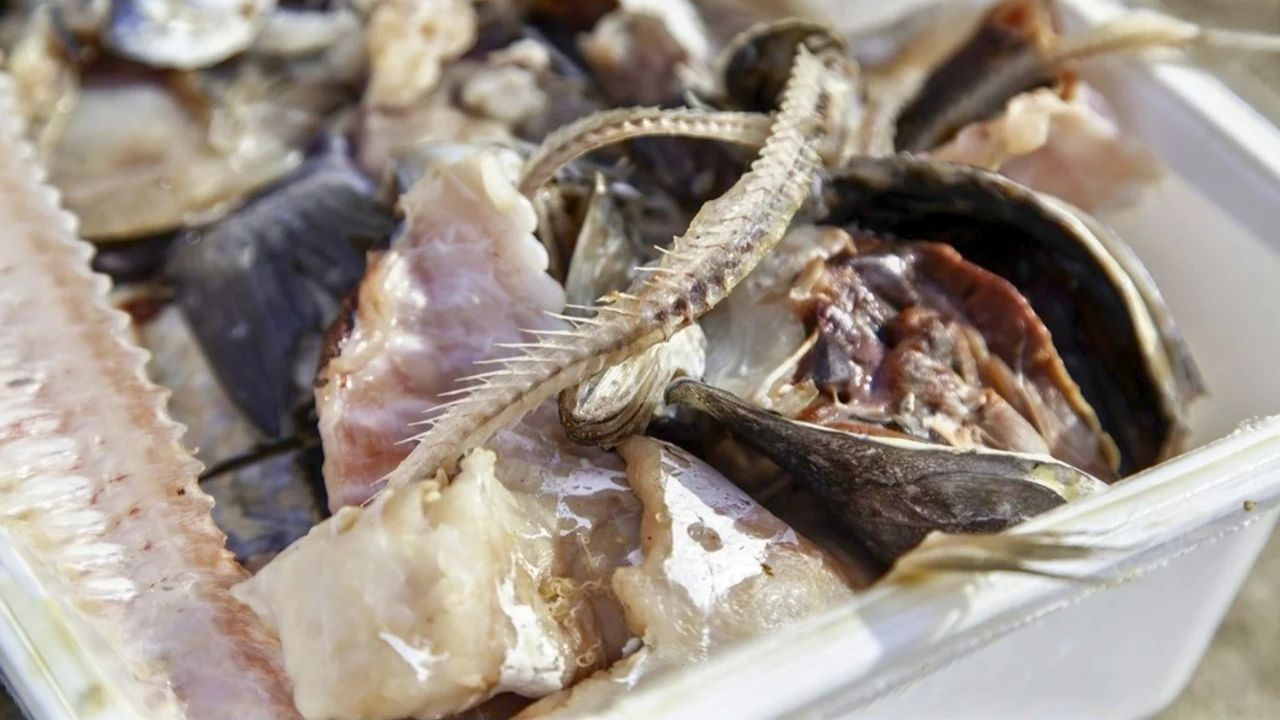
The feeder and the trash get blamed, but bears also key in on the stuff you barely notice anymore. Fish or game scraps in a bucket, a freezer that died in the garage, a cooler stored with spilled soda, or even a compost pail left on the porch can bring them in.
Do a quick smell audit. Hose out recycling bins, store coolers with the lid open after washing, and keep meat scraps in the freezer until disposal day. If you have an outdoor fridge or freezer, check that it’s actually cold and that the door seal isn’t hanging open.
10. Call For Help When It Won’t Move On
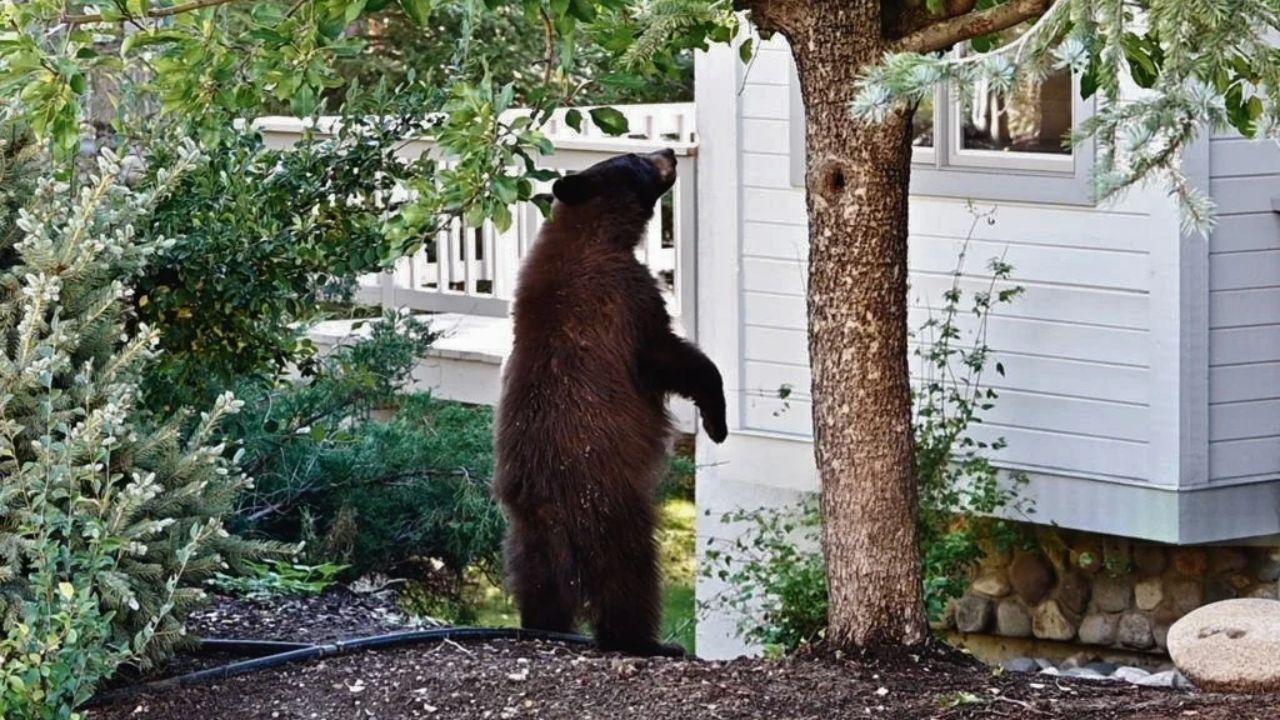
Some bears wander through and vanish in five minutes. Others plant themselves, especially if they’ve been rewarded there before. If it’s lingering, trying doors, damaging structures, or showing no fear, it’s time to get help instead of escalating the situation yourself.
Call local animal control, wildlife services, or the non-emergency police line, whatever your county uses for wildlife calls. If you’re on a rural road, warn neighbors by phone rather than posting people outside to watch. When officials ask, be ready to say what it’s been eating, how long it’s been there, and whether you saw cubs.
After it’s over, take a hard look at what made your place attractive and fix that first. A bear that gets a meal will often return, and the second visit is usually bolder than the first.
Like Fix It Homestead’s content? Be sure to follow us.