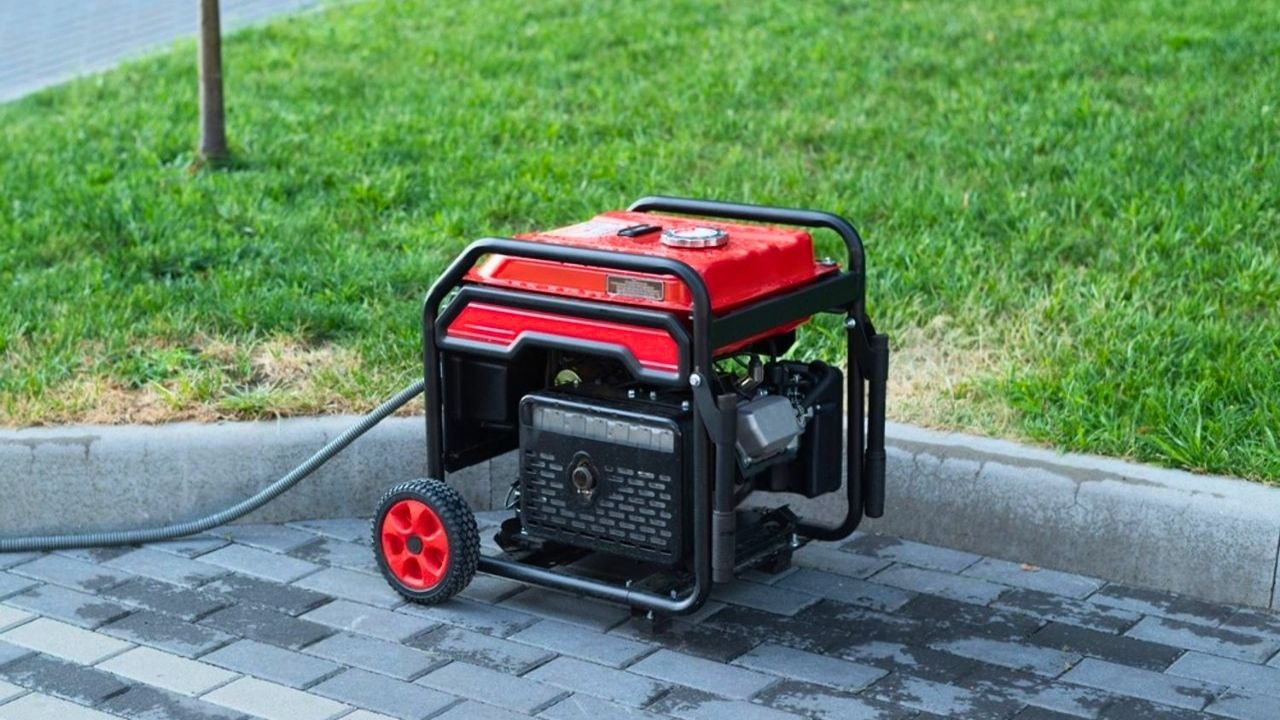
10 Places You Should Never Set Up a Generator
Photo credit: Yarrrrrbright/Shutterstock.com
When the power drops, a generator feels like pure relief until you smell exhaust where it shouldn’t be, hear the engine bog, or watch a cord melt at the plug. Most generator problems aren’t the machine, they’re the spot you parked it and the way you ran power from it. Put it in the wrong place and you risk carbon monoxide, water damage, ruined appliances, or a very expensive “why is nothing working” night.
1. Inside Any Garage With The Door Open
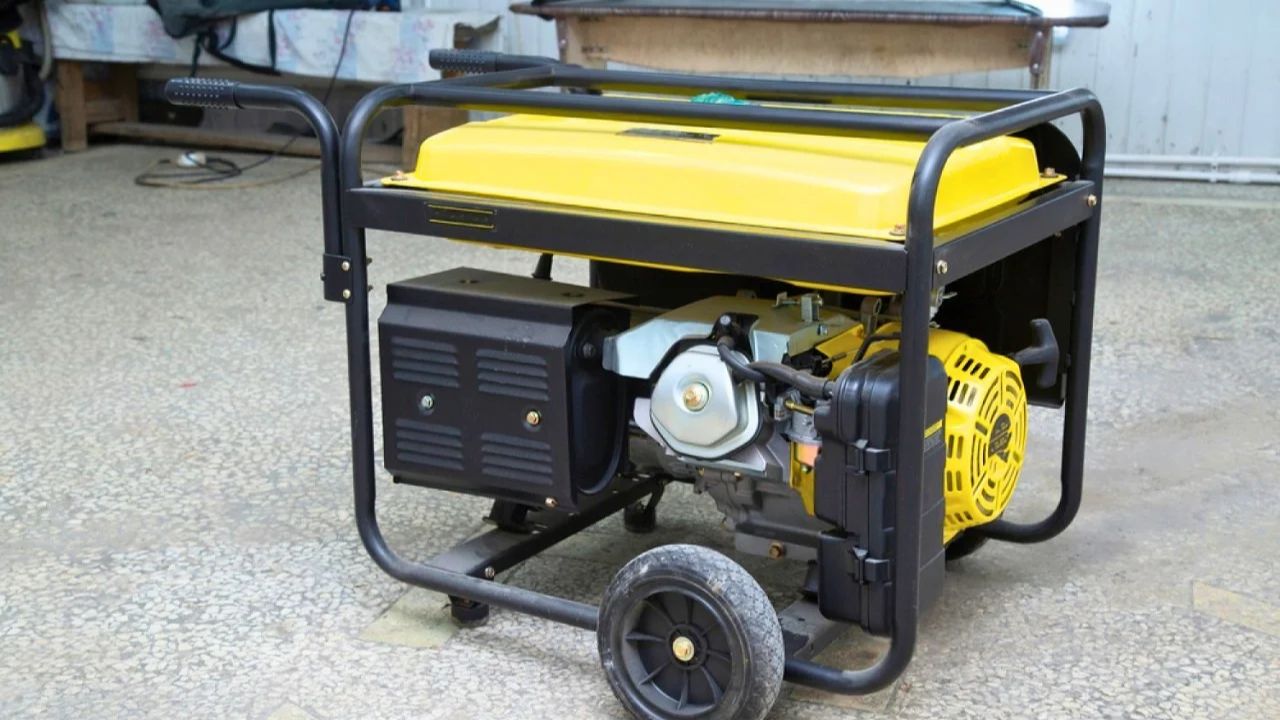
People do this because it feels sheltered and close to the panel, and the garage door is “open anyway.” Exhaust still drifts in, pools, and finds its way into the house through the attic hatch, a door gap, or shared framing. Carbon monoxide alarms don’t always go off right away, and by the time they do, you’re already in trouble.
Set the generator outside, on a level surface, with the exhaust pointed away from the house. Run a properly sized extension cord or use a transfer switch. If the weather is nasty, build or buy a generator tent or a ventilated, purpose-built enclosure, not a half-open garage bay.
2. On A Covered Porch Or Breezeway
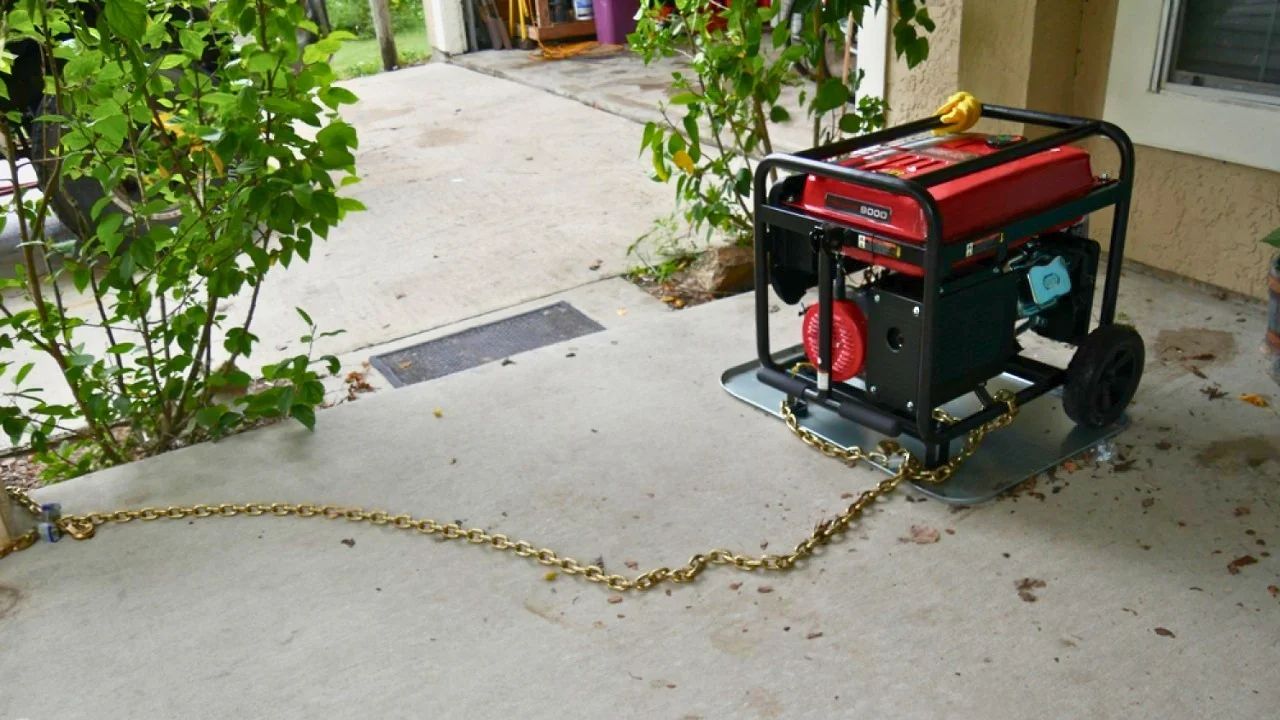
A porch roof seems like the perfect fix for rain, but it also traps fumes in a place you walk through and leave doors open. That “lazy exhaust smell” that hangs around the porch is the warning sign you’re already breathing it. Porches also echo noise right into the living room, so you end up running it less, then the fridge warms up anyway.
Move it farther out into the yard and aim the exhaust downwind from doors and windows. If you need shelter, use a canopy set away from the house with open sides, and keep the hot muffler well clear of fabric. Don’t zip it in like a little sauna for engines.
3. Right Under Open Windows Or Vents
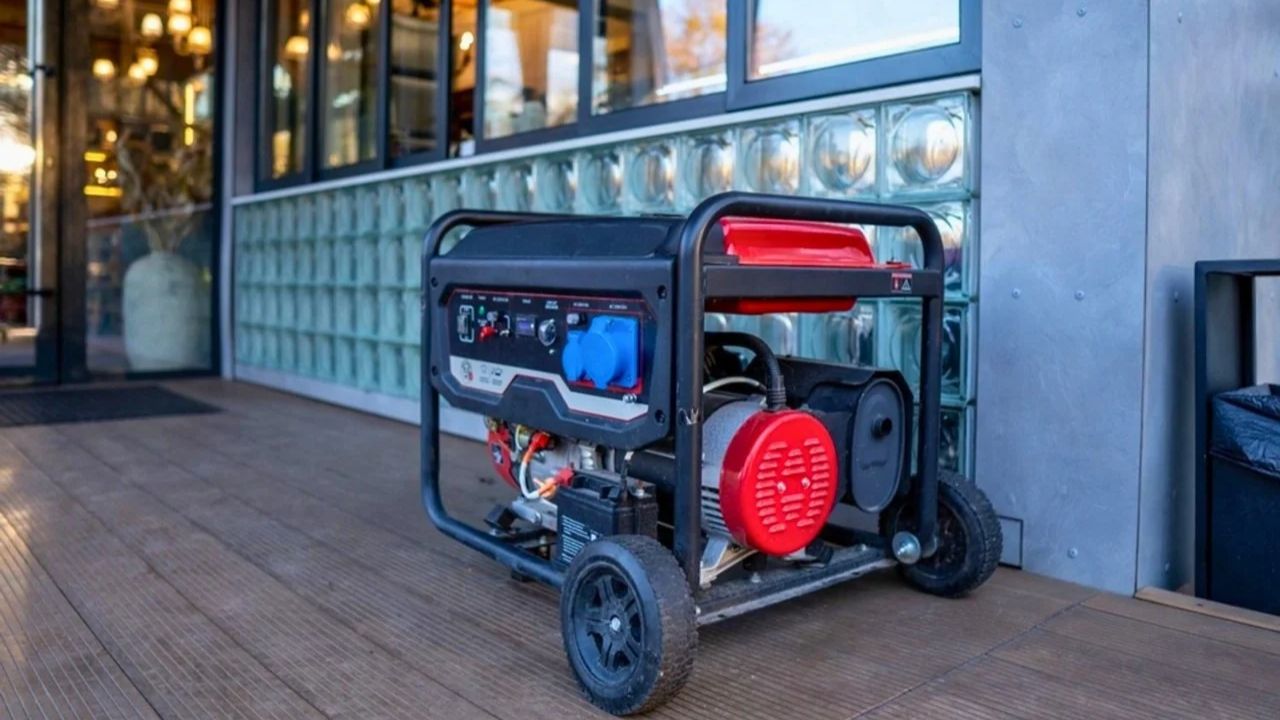
This one bites people at night. A basement window cracked for “fresh air,” a bath fan vent, a dryer vent, or an attic soffit can pull exhaust in like a straw. Cold weather makes it worse because stack effect pulls air up through the house and drafts get stronger.
Pick a spot where the exhaust can’t blow toward the building at all, and think in 3D, not just straight lines. If wind keeps swirling it back, rotate the generator, add more distance, or set up a simple wind break that doesn’t block airflow around the unit. Keep CO alarms working and put fresh batteries in them before storm season.
4. In Tall Grass Or Dry Leaves
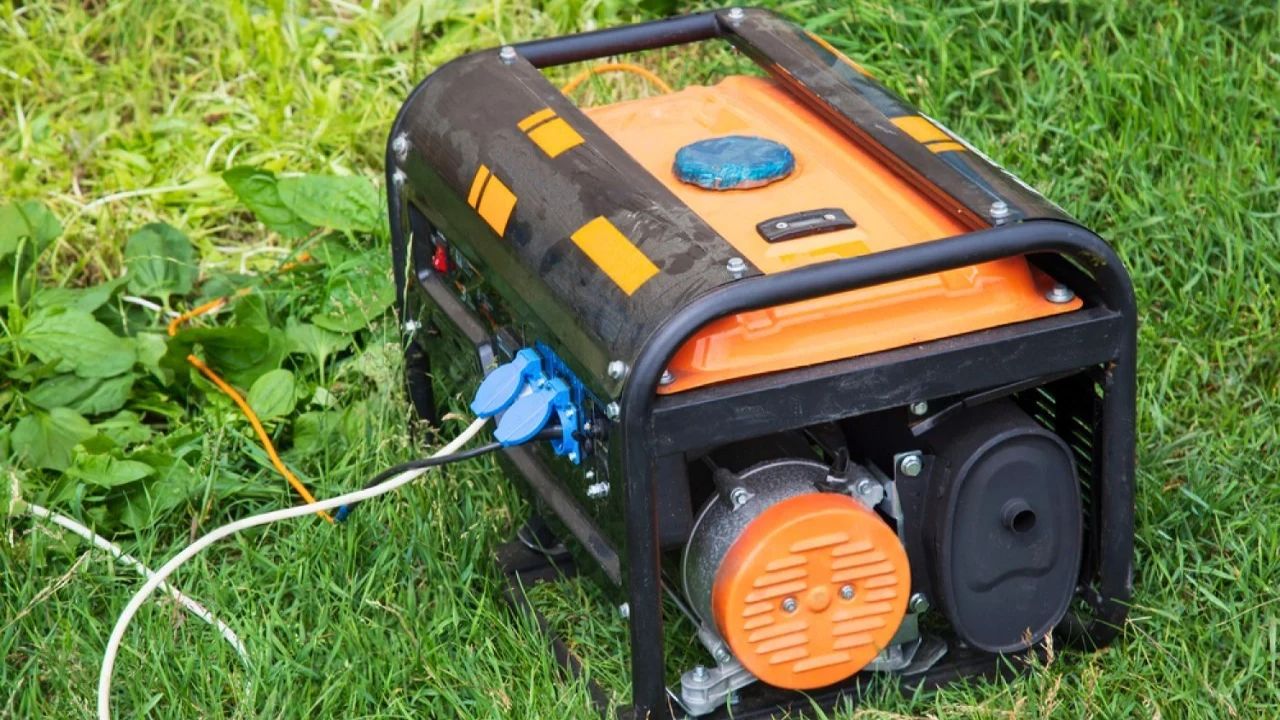
A hot muffler plus late-summer weeds is a bad mix. The underside of a portable generator gets hotter than most people expect, and dry grass can brush right up against it. Add spilled gasoline from a sloppy pour and you’ve got a fire that moves fast.
Set it on bare dirt, gravel, concrete, or a paver pad. If you’re on a homestead with pasture grass, mow a small patch down to the soil or rake to mineral ground before you ever pull the starter cord. Keep a small ABC extinguisher nearby, not buried in the back of the shed.
5. In A Low Spot That Floods
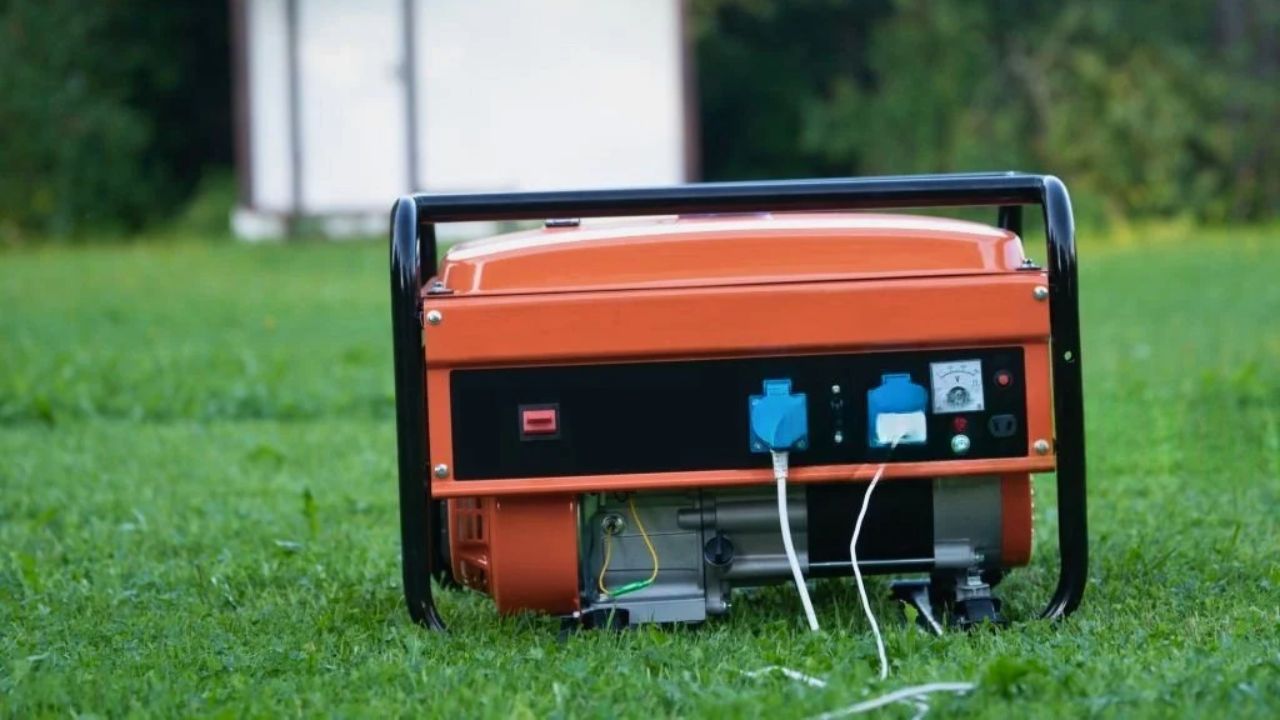
Spring storms show you the weak parts of your yard. A generator sitting in a dip can end up in an inch or two of water, and that’s enough to wreck outlets, trip GFCIs, and turn cords into a shock hazard. Even if it keeps running, water and mud get sucked into the air intake and shorten engine life.
Choose high ground and give it a stable base so it can’t sink. A couple of patio blocks or a thick rubber equipment mat can help, as long as it stays flat and doesn’t turn into a wobble board. If you’re tempted to place it near a downspout for convenience, pick a different side of the house.
6. On The Back Of A Truck Bed
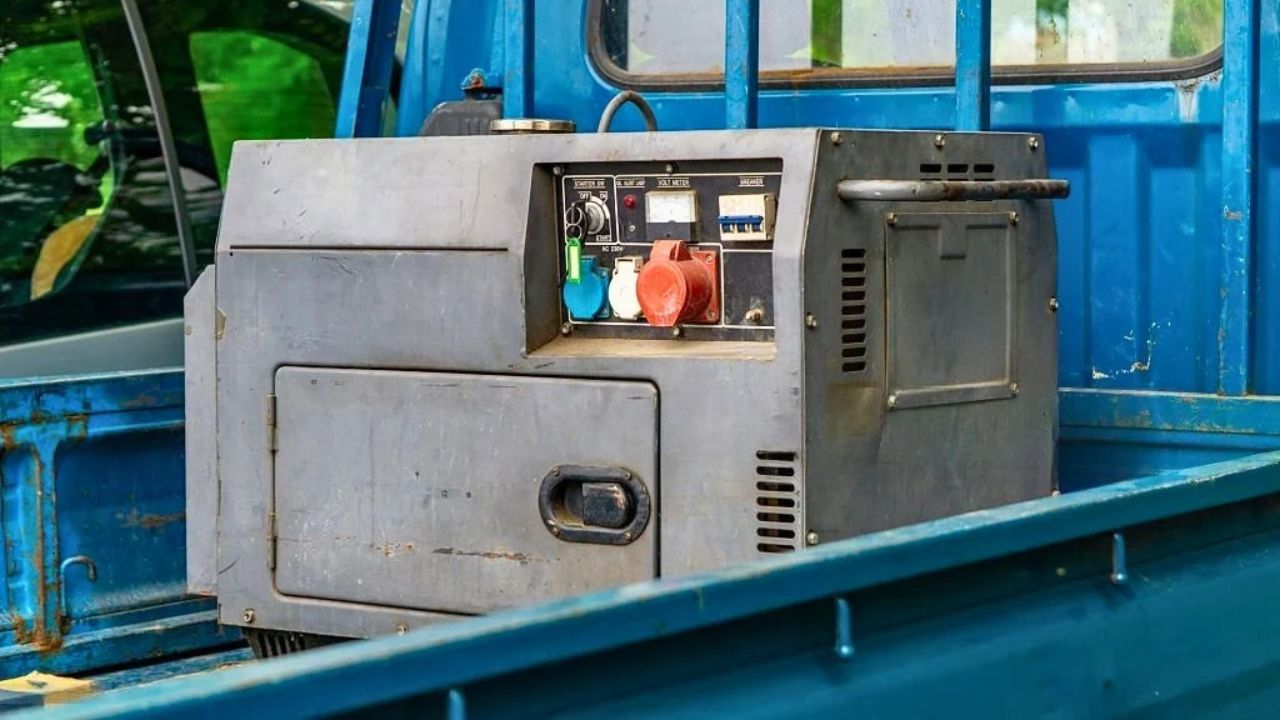
It looks tidy to run a generator from the tailgate, especially if you’re using it for a freezer in the garage or a well pump shed. The problem is vibration and heat. A unit walking around on a spray-in liner can tug on cords, crack a fuel cap seal, or rattle itself into an early death.
If you truly need it on a vehicle for work, bolt it to a proper mount and keep clearance for airflow and exhaust. For home backup, put it on the ground, chock it so it can’t scoot, and keep cords routed where nobody trips. Your tailgate will survive without it.
7. Next To Propane Tanks Or Gas Cans
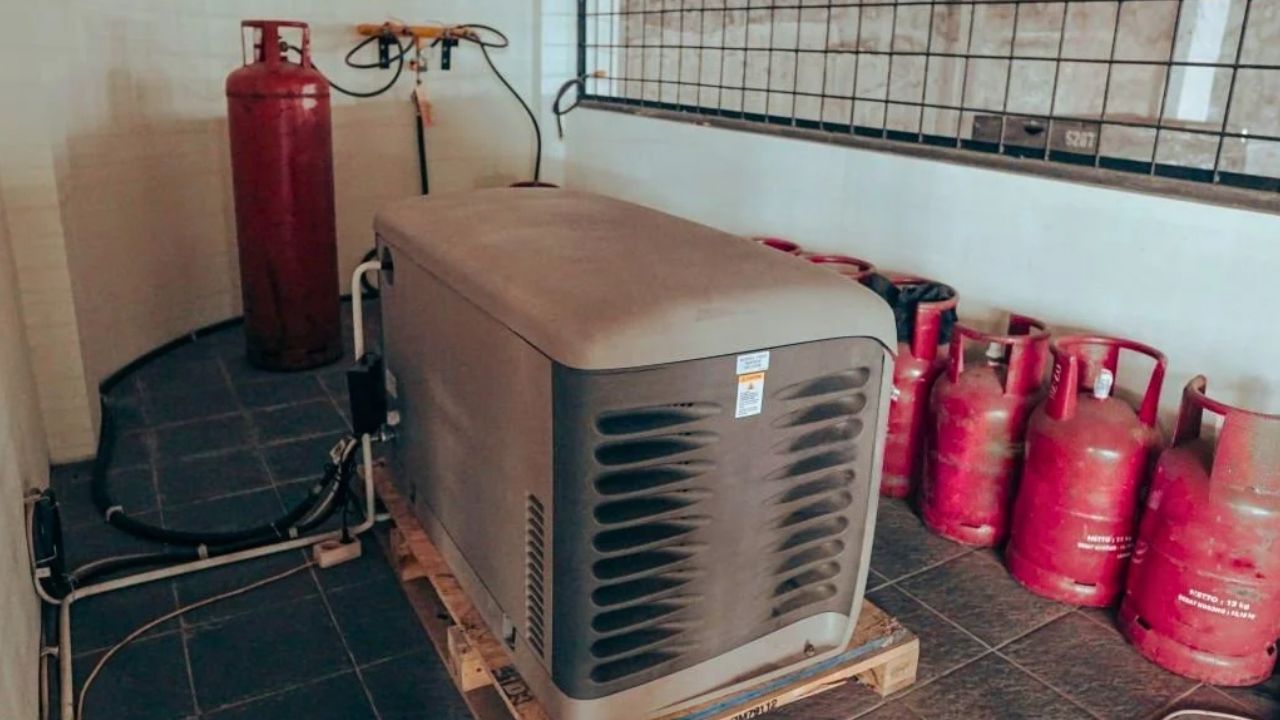
Fuel has a way of collecting in “convenient” spots. A generator beside spare gas cans or a propane cylinder looks organized until you’re refueling in the dark and splash a little on a hot engine. Vapors hang low, and the spark you never noticed on a worn plug boot suddenly matters.
Store extra fuel away from ignition sources, and refuel only after the generator has cooled down. Use a real fuel can spout that pours clean, and keep a funnel and a rag with the fuel kit so you aren’t improvising. If you run propane, keep cylinders upright, stable, and not crowded against the muffler side.
8. On A Deck You Actually Care About
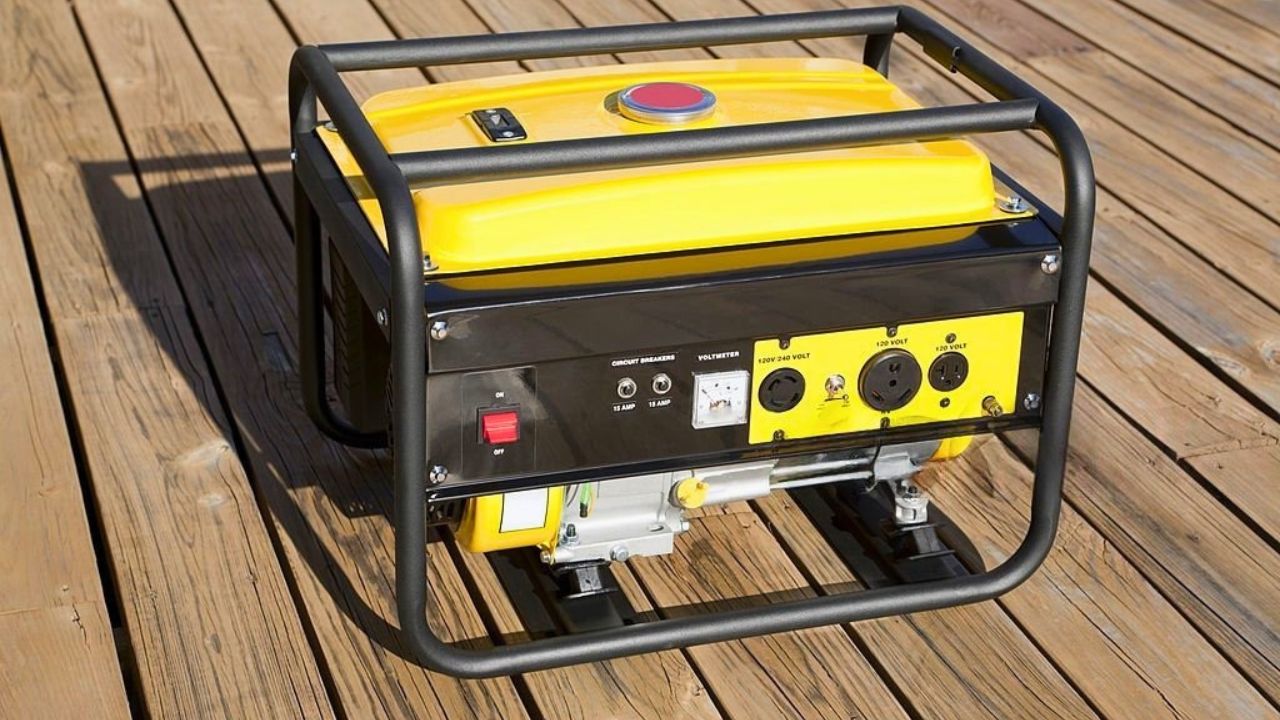
Deck boards and composite don’t love heat, vibration, and spilled fuel. You can end up with melted spots, stained planks, or a scorched patch that never looks right again. Even worse, the noise gets transmitted through the framing and turns your whole house into a drum.
Set it off the deck on a firm pad and run a heavier cord up to where you need it. If the deck is the only flat spot you have, a cheap exception can work: put down a large, non-combustible base like concrete pavers on top of a fire-resistant mat, keep the unit far from railings and siding, and watch it closely. That’s still second-best, but it beats cooking your boards.
9. Hard Up Against The House For Short Cords
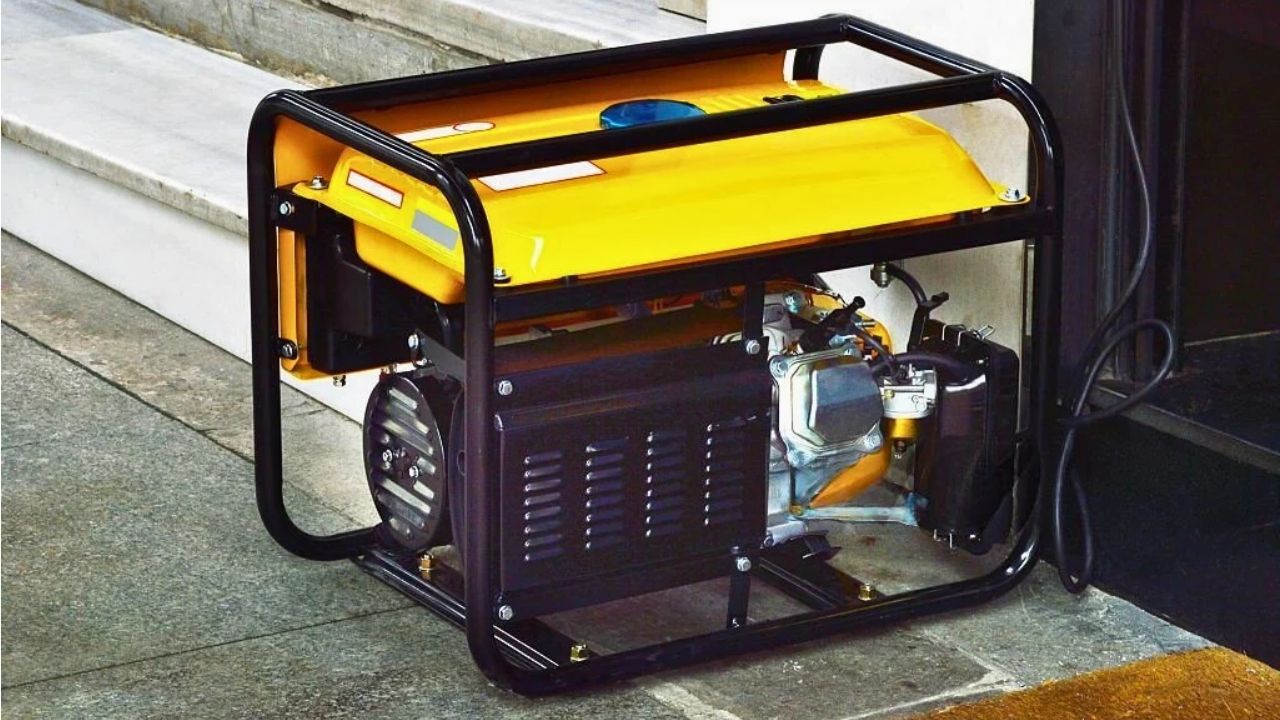
The short-cord habit is expensive. People shove the generator close to the house so a skinny extension cord “reaches,” then the engine can’t breathe, the exhaust bounces off the wall, and the siding gets sooty. Vinyl can warp from heat, and even fiber cement ends up with a stain line you’ll see every day.
Buy or borrow the right cords instead. Use outdoor-rated cords with thick enough wire for the load, and keep cord connections off the ground with a hook or a small stand so water can’t sit in the plugs. If you’re powering the house, a transfer switch or interlock is a job for a licensed electrician, and it’s money well spent.
10. Anywhere A Thief Can Roll It Away
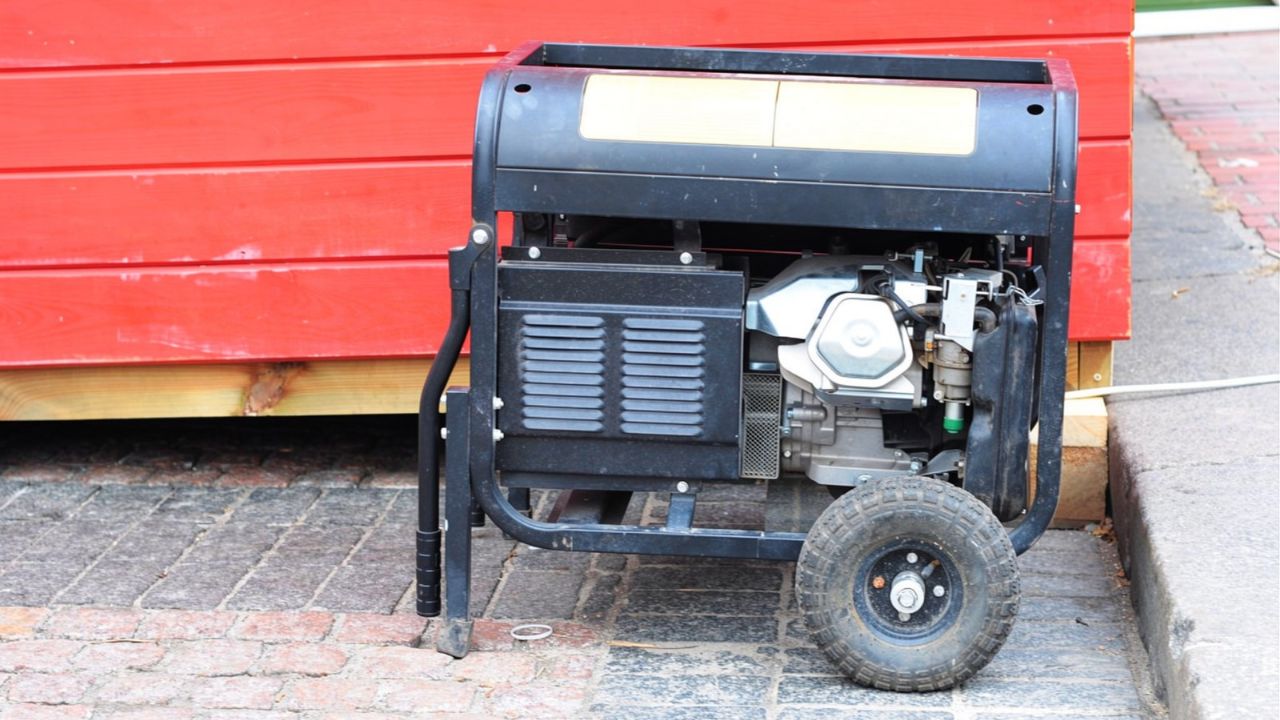
Portable generators disappear fast, especially during outages when the neighborhood is dark and loud. If it’s sitting by the driveway or near the road, somebody can grab it in under a minute while you’re inside looking for flashlights. Then you’re out the generator and whatever food was in the freezer.
Tuck it behind a fence line or on the back side of the house where it’s less visible, while still keeping safe distance and airflow. A hardened chain and a solid anchor point helps, but don’t chain it to a gas meter, a porch post, or anything flimsy. Motion lights and a simple battery camera are cheap compared to replacing a unit mid-storm.
Pick your generator spot before the lights go out, then test your cord reach and your fueling routine in daylight. A flat pad, good airflow, and a little distance from the house solves most of the misery, and it makes the whole setup feel calmer when the weather turns.
Like Fix It Homestead’s content? Be sure to follow us.