10 Sounds a House Makes That Mean Something Is Wrong
Photo credit: Prostock-studio/Shutterstock
Houses talk, and most of the time you can ignore the chatter. The trouble starts when a new sound shows up, or an old one gets louder, faster, or starts happening on a schedule. Catching the noise early usually means a simple fix instead of a ruined ceiling, a dead appliance, or a scary night without heat.
1. Water Hammer After A Valve Closes
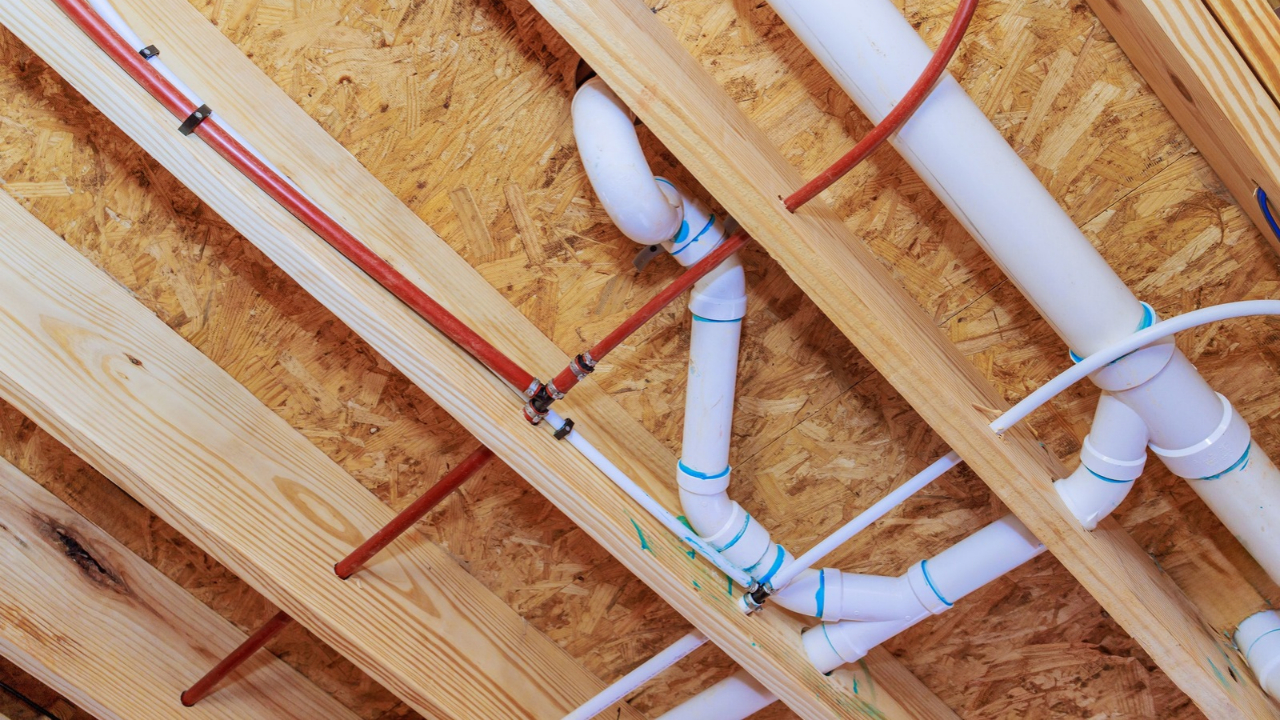
You shut off a faucet, the washer stops filling, and the pipes bang like someone hit them with a bat. That slam is pressure snapping the line, and over time it can loosen fittings and start leaks inside walls or under floors. If it happens most when an appliance valve closes, it’s not your imagination, it’s the plumbing reacting.
Start simple, shut off the house water and drain the lines by opening the lowest faucet, then close everything and turn water back on. If the bang keeps happening, add water hammer arrestors on the washing machine or dishwasher supply lines, and strap loose pipes where you can reach them. If your pressure is high, a plumber can check it and add or adjust a pressure-reducing valve, which beats chasing mystery leaks later.
2. Rapid Clicking From A Furnace Or Boiler
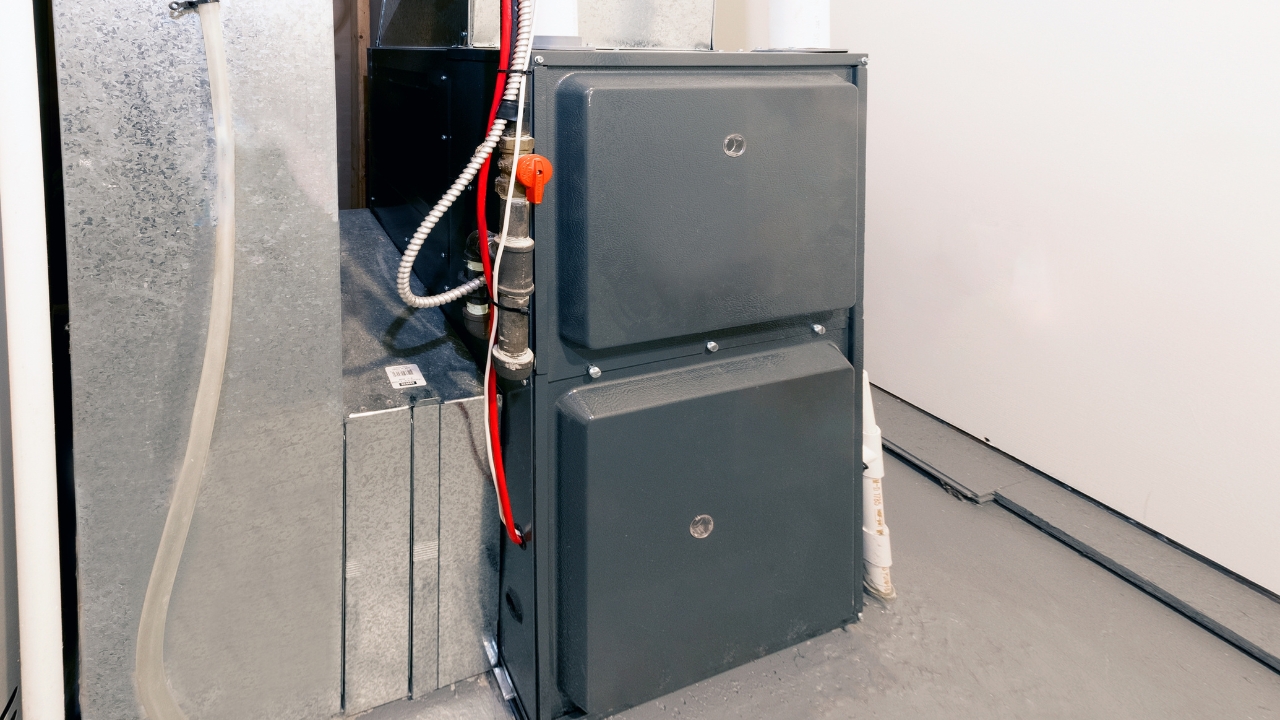
A fast click-click-click at the unit, especially when it’s trying to start, often means a control is calling for heat but the burner or igniter isn’t lighting. You can also hear repeated relay clicks when a safety switch is opening and closing. This is one of those sounds that can turn from “annoying” to “no heat” right when the first real cold snap hits.
Check the easy stuff you’re allowed to touch, replace the thermostat batteries, make sure the service switch is on, and swap in a clean filter if it’s a forced-air system. If it’s gas, stop there and call a licensed HVAC tech, repeated ignition attempts and flame sensing problems are not a DIY hobby. Keep the area around the unit clear, and don’t keep resetting it all night hoping it catches.
3. Buzzing At An Outlet Or Switch
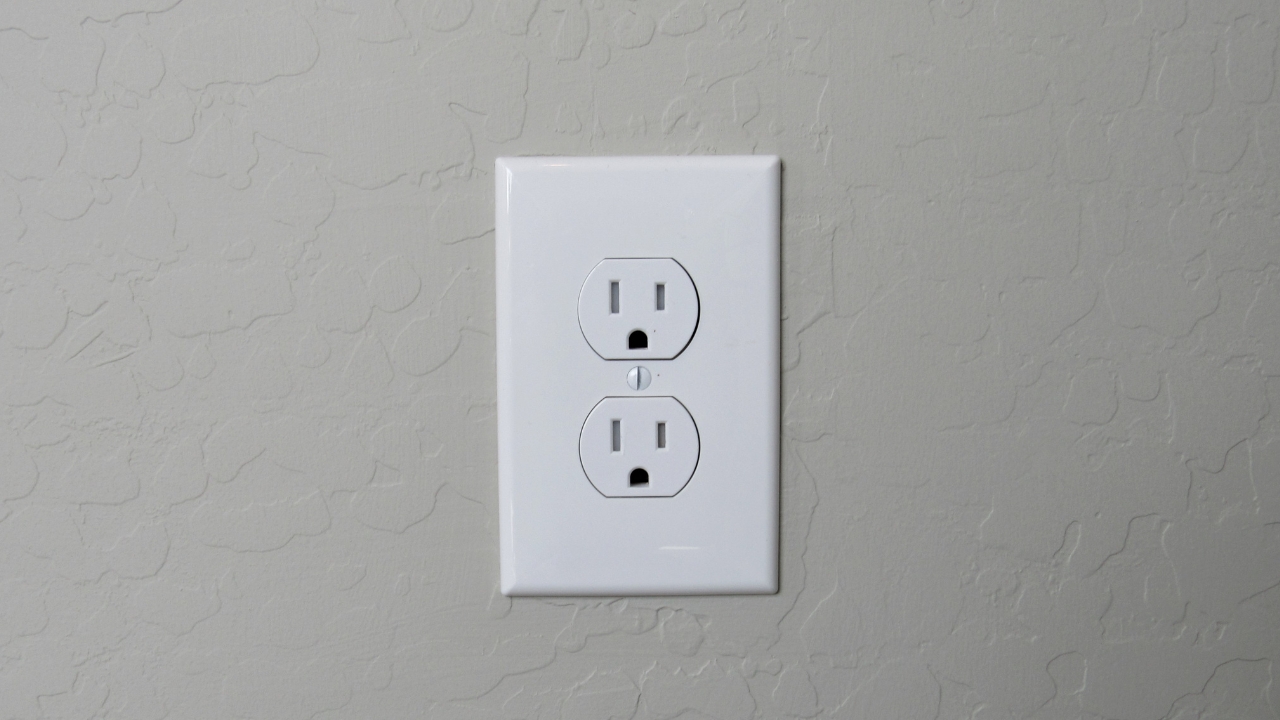
A faint buzz at a dimmer is one thing. A steady buzz at a standard switch, receptacle, or inside a wall is another, that can mean a loose connection arcing under load. It wastes power as heat, and heat inside a box is how you end up with a scorched device or worse.
Unplug anything on that circuit and flip the breaker off if the sound is coming from a specific spot. If you’re comfortable replacing a switch or receptacle, do it with the breaker off, confirm power is dead with a non-contact tester, and match the wiring exactly, no back-stabbing if you can avoid it. If the noise seems to come from the panel, or you see any melting or discoloration, that’s a licensed electrician job.
4. Gurgling In Drains After Water Runs
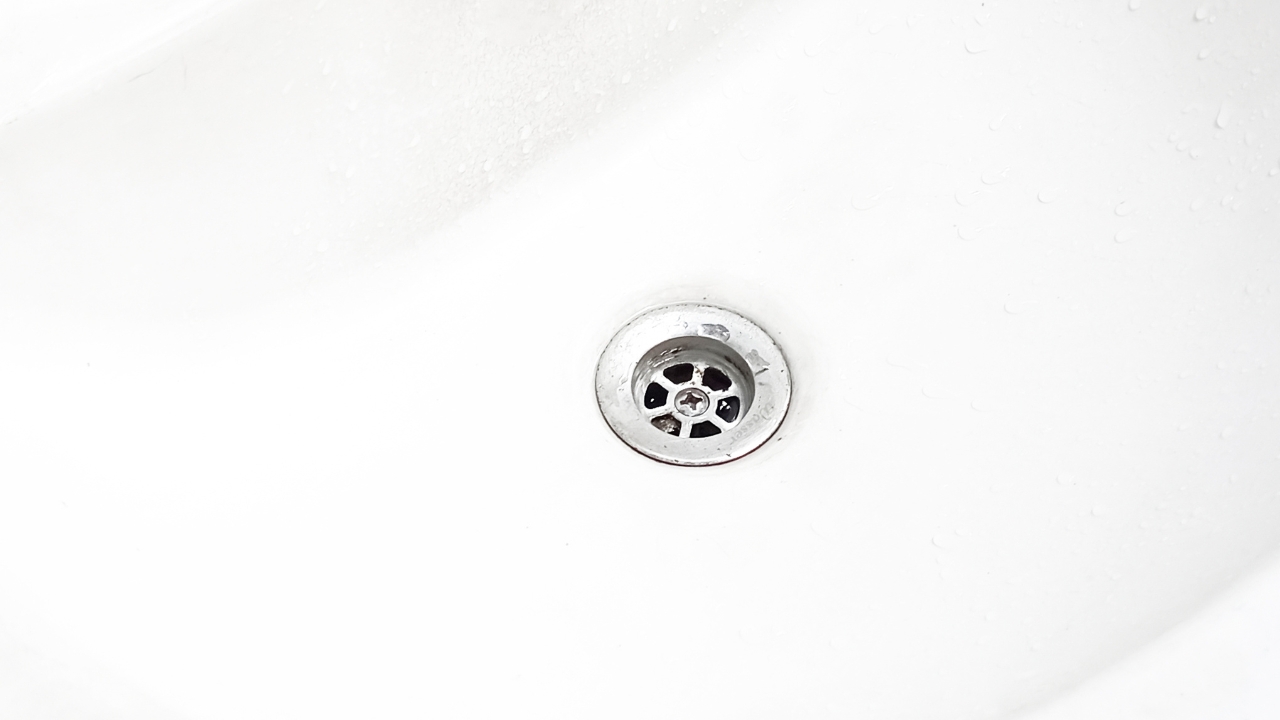
That glug-glug in the sink or tub usually means the drain isn’t venting right, or a partial clog is forcing air to burp back through the trap. It can show up after a big rain if a vent stack is blocked by leaves or a bird nest, or after a DIY remodel if something got tied in wrong. Ignore it long enough and you can get slow drains, sewer smells, or a trap that gets siphoned dry.
Try the cheap fix first, clean the pop-up and trap on sinks, pull hair from the tub, and use a plunger the right way with the overflow sealed. Skip the harsh drain chemicals, they’re hard on pipes and don’t remove the real plug. If multiple fixtures gurgle or a toilet bubbles when another drain runs, the main line or vent is involved, and a drain camera or a roof vent check by a pro is money better spent than guessing.
5. Dripping Behind A Wall After No Use
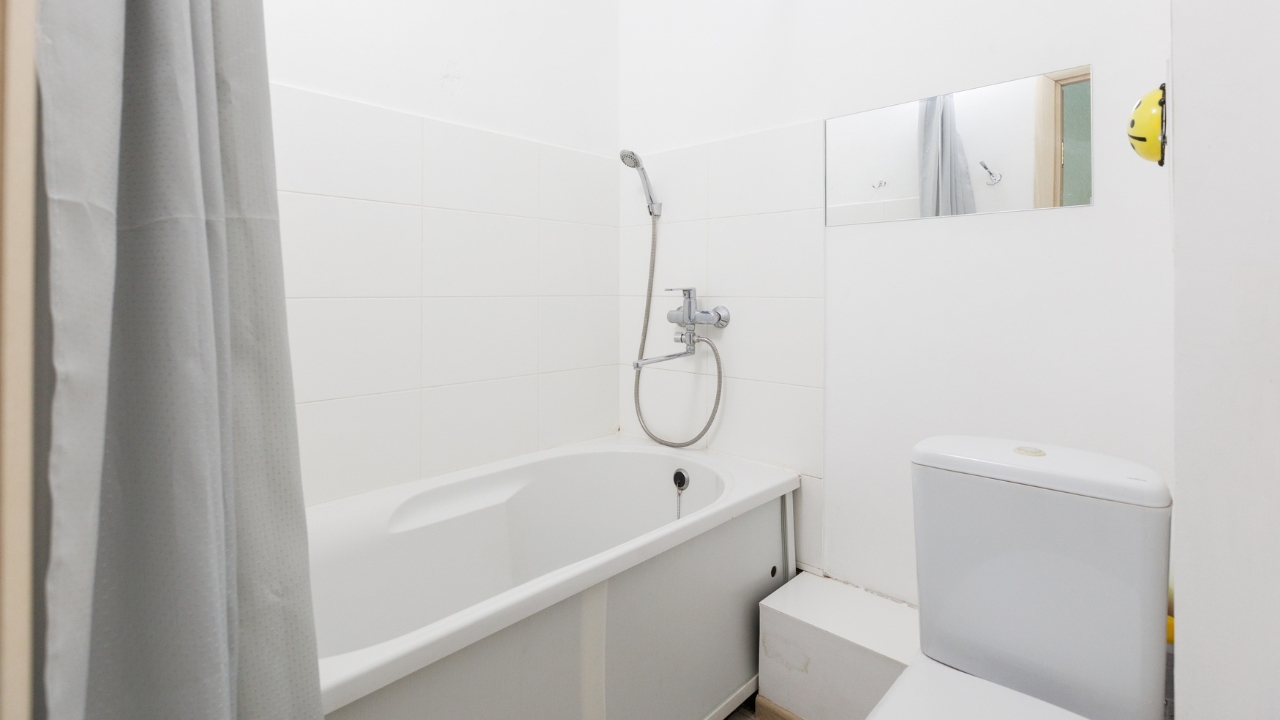
If you hear a steady drip when no one’s running water, treat it like an active leak until proven otherwise. Sometimes it’s a toilet flapper leaking into the bowl, sometimes it’s a pinhole in copper, and sometimes it’s a failed fitting that only drips when the line is under pressure. The sound can travel through studs, so it may not be exactly where the leak is.
First, look at the water meter, shut everything off in the house and see if the little leak indicator still moves. Then listen at toilets and add a few drops of food coloring to the tank, color in the bowl means a flapper or fill valve problem, a cheap fix. If you can’t find it fast, shut off the water to the house and call a plumber, wet insulation and moldy drywall cost more than a service call.
6. Popping Or Crackling From The Roofline

On a hot afternoon or a cold snap, you might hear sharp pops from the attic or eaves. Often it’s lumber and roof sheathing expanding and contracting, and that’s normal. The red flag is when the popping comes with a new sagging line, doors sticking more than usual, or fresh cracks at the corners of windows.
Get eyes on it, safely, check the attic for wet insulation, dark stains on sheathing, and nails that have pulled through, which can mean a slow roof leak swelling the wood. Also look outside for gutters overflowing or downspouts dumping water at the foundation. If you see structural movement, call a contractor, and if the sound only happens during temperature swings with no other changes, it’s often just the house stretching.
7. Thumping In Ductwork When Heat Kicks On
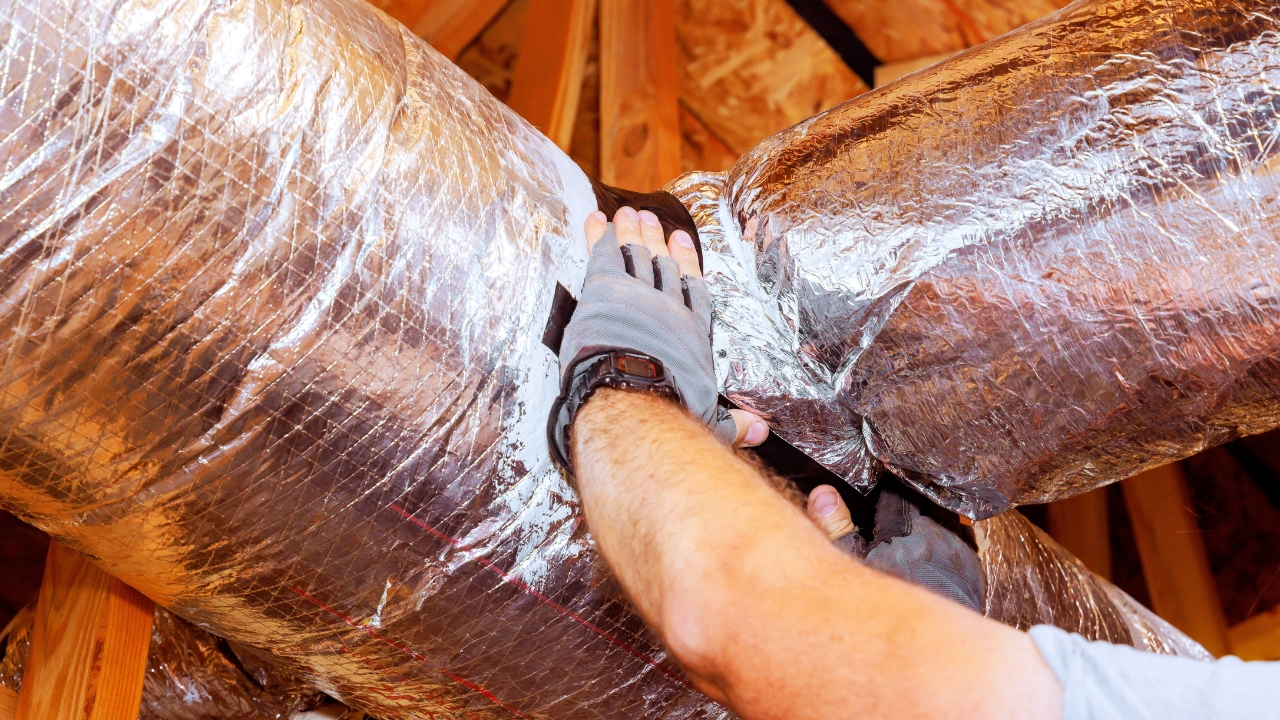
That single thump or a series of pops in the ducts when the furnace starts is usually sheet metal flexing as it warms up. It’s common in older systems and can be more annoying than dangerous. Still, it can point to airflow problems that waste money and wear out a blower motor.
Start with the basics, a clean filter and open supply registers. If a return grille is whistling or slamming, it’s often starved for air, so don’t block returns with furniture. You can add duct supports or a bit of insulation wrap in accessible runs to cut the noise, and if the system is booming or the ducts shake, an HVAC tech can check static pressure and duct sizing.
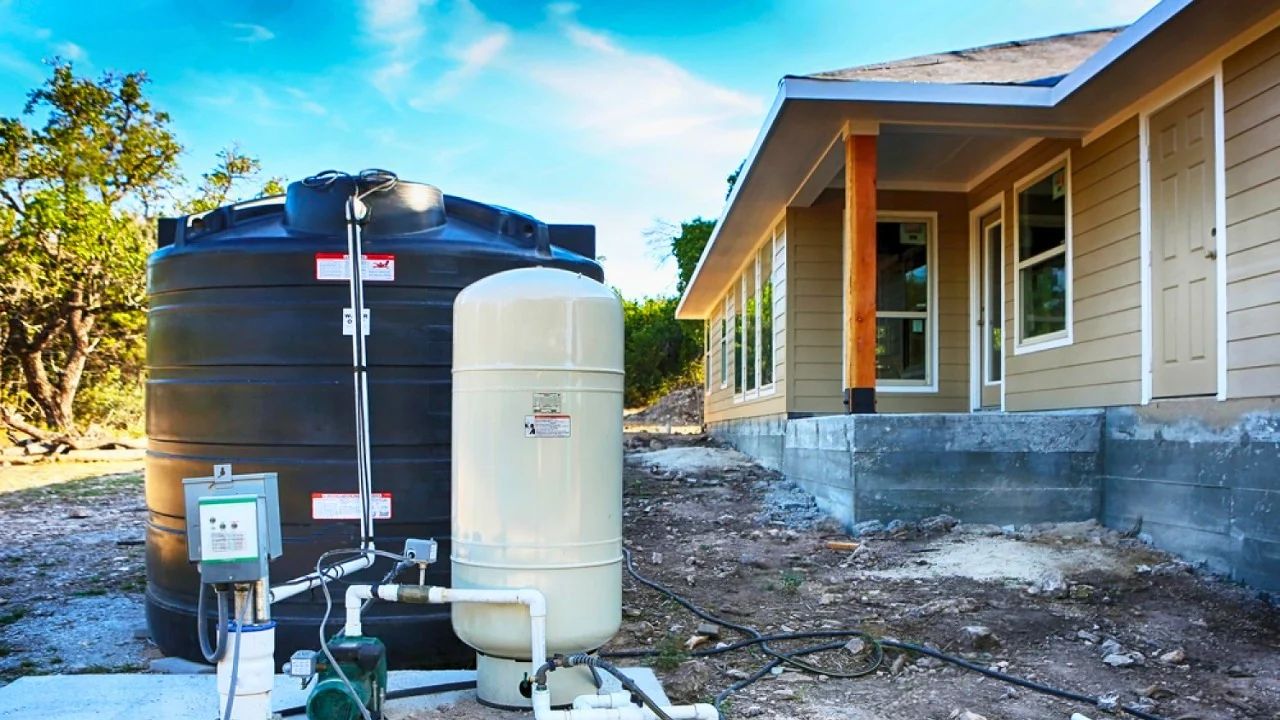
8. Grinding Or Screeching From A Well Pump
/Shutterstock.com
On a rural place, a harsh grind or squeal near the pressure tank or pump house is a bad sign. Bearings wear, impellers chew up sand, and a pump that’s running dry sounds awful right before it quits. If the sound comes with sputtering faucets or pressure that swings hard, stop using water for anything non-urgent.
Check that the pump has power and the pressure switch isn’t chattering, but don’t keep cycling it to see what happens. A well system is one place where guessing gets expensive fast, and pulling a pump is not a weekend learning project for most people. Call a well pro, and if you’re on a shallow jet pump, check for obvious suction leaks and a clogged screen while you wait.
9. Constant Running From A Toilet Tank
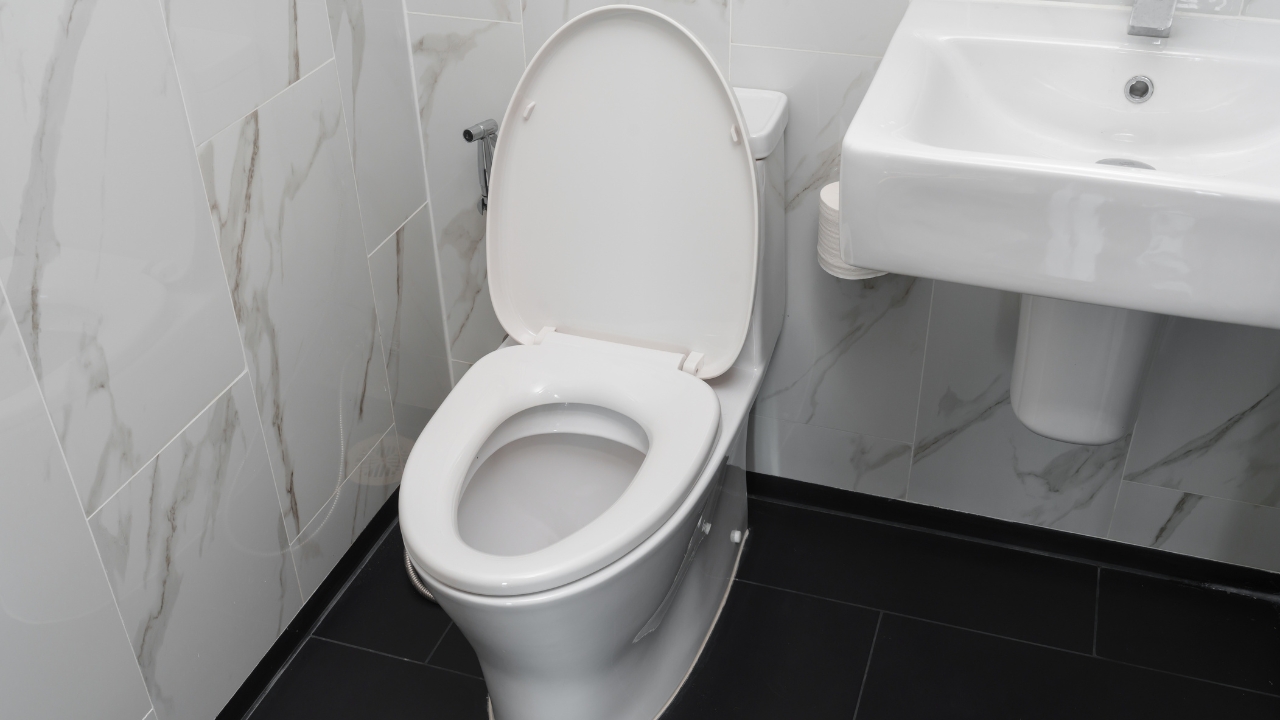
A toilet that hisses or refills every few minutes is quietly draining money and wearing out parts. It’s also a sound people tune out until the day the fill valve sticks and you get a slow overflow. The fix is usually small, and it’s worth doing even in a rental if the landlord drags their feet.
Pop the lid and watch, if water is going into the overflow tube, lower the float or replace the fill valve. If the tank level is fine but it still runs, replace the flapper and clean the seat. Cheap flappers are fine here, you don’t need anything fancy unless your water eats rubber fast.
10. High-Pitched Whine From The Refrigerator

A fridge that starts whining or squealing is often telling you the fan is hitting ice, the condenser fan is failing, or the compressor is straining. This one matters because when a fridge dies, it usually does it all at once, and you find out after the food is warm. The sound is often loudest near the back bottom, or inside the freezer panel.
Vacuum the condenser coils and clean the grille, dust makes the unit run hotter and longer. If the freezer fan noise changes when you open the door, it points to the evaporator fan area, and you may have an ice buildup problem from a bad door seal or defrost issue. If the whine is coming from the compressor itself, plan for a service call or replacement, compressor work is rarely worth DIY.
Pay attention to what’s new, what’s getting worse, and what shows up only during certain weather or when a specific appliance runs. A quick listen with everything else quiet, late at night or early morning, can save you hours of demolition later.
Like Fix It Homestead’s content? Be sure to follow us.