10 Sounds at Night That Mean Wildlife Is Close
Photo credit: Marco Ortiz-MOF/Shutterstock.com
Some nights you wake up to a sound that doesn’t belong, and your brain starts filling in the blanks. On a homestead or even a small yard, those blanks are often filled by something with fur, feathers, or scales. The trick is knowing which noises mean “ignore it” and which mean “walk the property in the morning and fix something.”
1. Snuffling Under The Deck Or Steps

A low, wet-sounding sniffing and scraping right under the porch usually means something is working the edge, looking for an easy den. Skunks, raccoons, and opossums love the protected space under stairs and decks, especially in late fall and early spring. If you hear it more than once, it’s not passing through, it’s shopping for a lease.
Wait until daylight, then check for fresh digging, scattered mulch, and entry gaps along the rim joist. The fix is mechanical, not chemical: add 1/2-inch hardware cloth as a skirt, bend it outward in an L shape, and pin it down with landscape staples and a few rocks so it can’t be pulled up. If something is already living there and you’ve got babies involved, pay for a licensed wildlife control pro so you don’t turn a small problem into a weeks-long stink and mess.
2. Thumps And Claws In The Attic
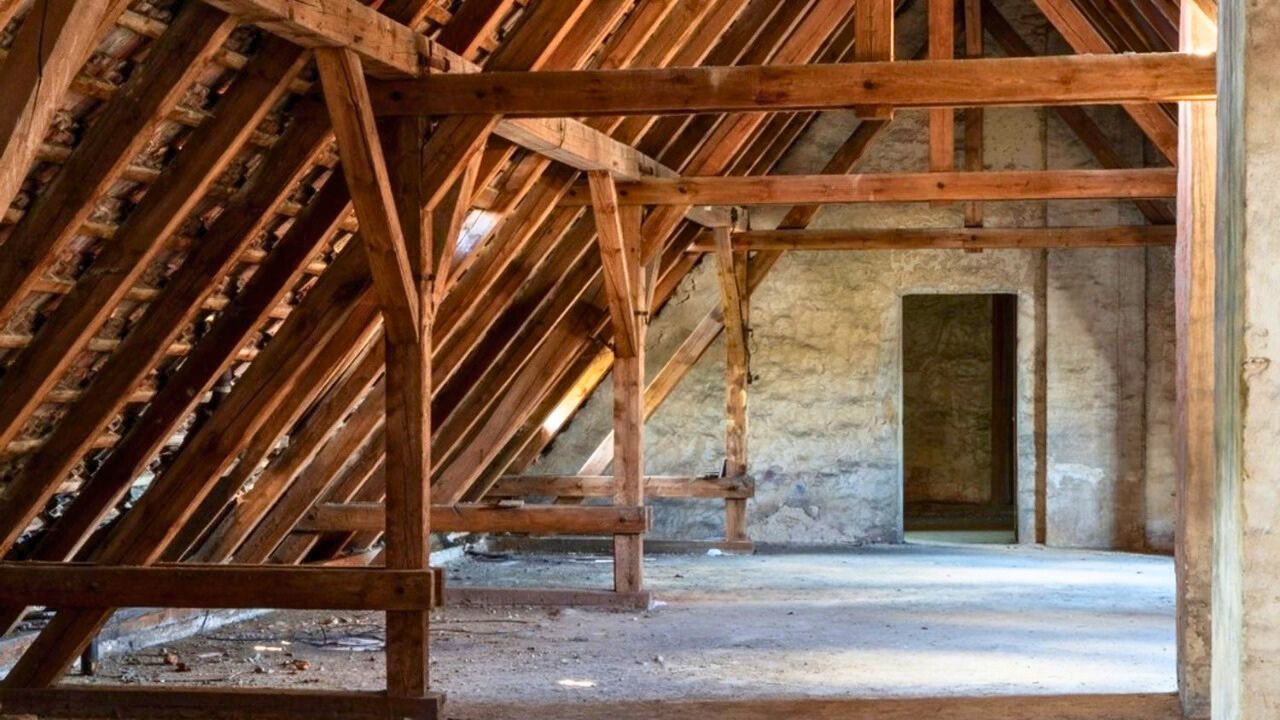
Fast thumping across the ceiling and sharp claw sounds on wood usually means a larger animal, most often raccoons or squirrels. You’ll hear it right after dark, or right before dawn, when they’re leaving or returning. This one gets expensive if you let it go, because they tear insulation, chew wiring, and leave droppings where you can’t easily clean.
Skip poison and skip panic. In the morning, walk the roofline with binoculars and look for pulled soffit panels, loose fascia, and chew marks at vents. The right repair is to close the entry point with metal, not foam, and do it after you’re sure the animal is out. If you can’t safely access the roof or you suspect bats, call a pro, many areas have strict rules on exclusion timing and methods.
3. Rapid Chattering In The Gutters
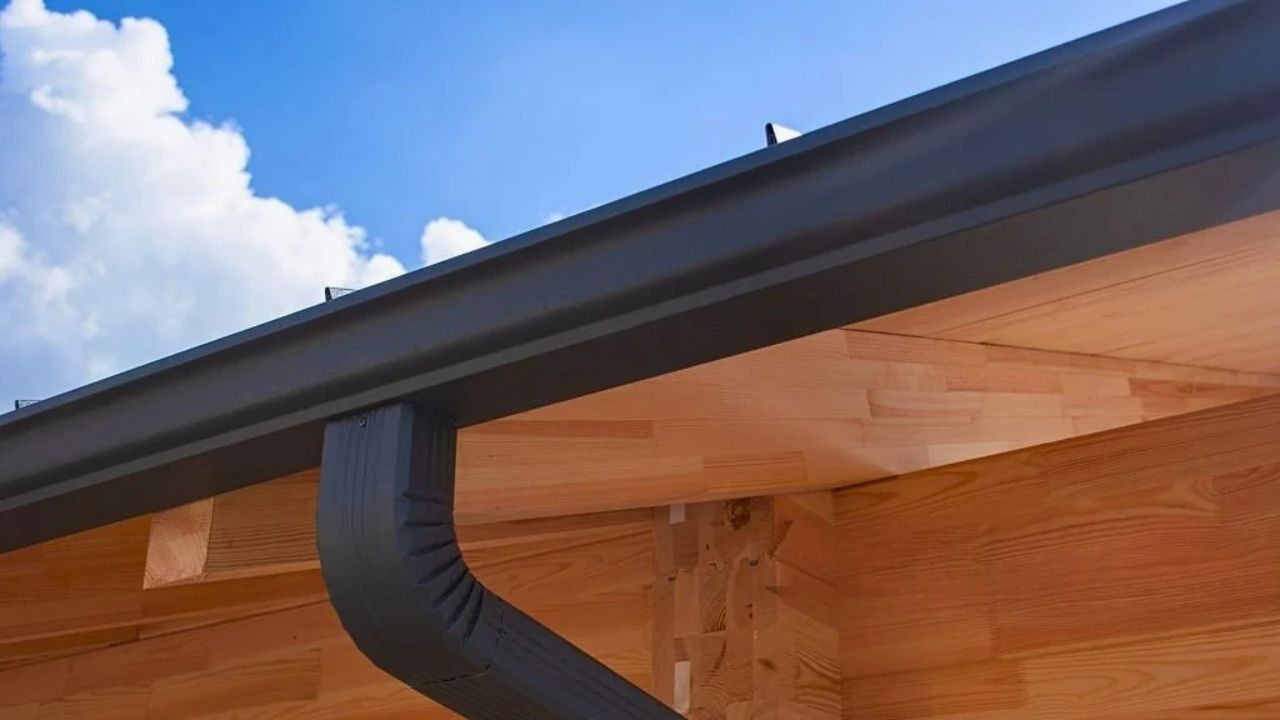
That dry, machine-gun chatter can be squirrels arguing, courting, or warning each other off. When it’s coming from the gutter line, it often means they’re running the roof edge and using a downspout as a ladder. In spring and fall, that habit turns into gnawed shingles and chewed drip edge, which leads to leaks months later.
Start simple: trim branches back so there’s a good gap between limbs and the roof. Then check the gutter hangers and covers, because a loose section is an open invitation. The cheapest “fix” people try is tossing mothballs or hot sauce around. It mostly perfumes your attic and changes nothing.
4. Screeching Or Chirping In The Chimney
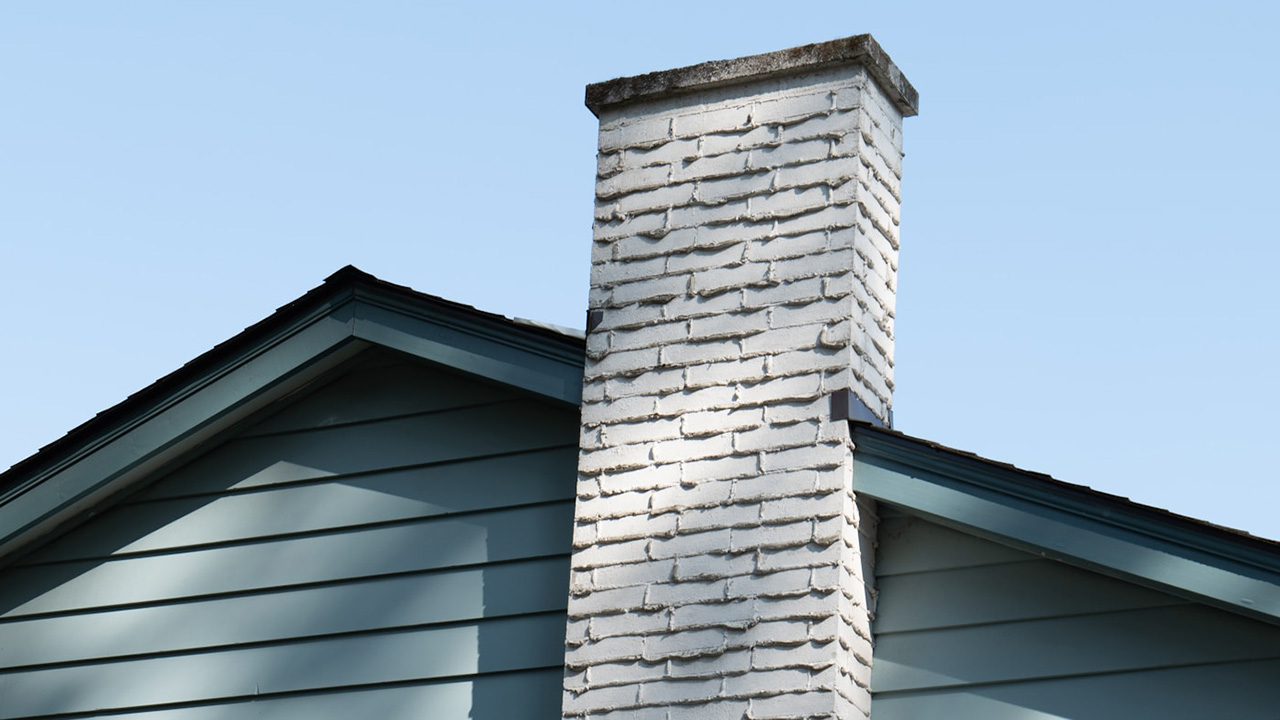
High, frantic chirps or a harsh screech echoing down the flue is often birds, and sometimes raccoons. Spring is peak season for this, and it gets loud at first light. If you keep using the fireplace or wood stove with an animal in there, you can end up with smoke backup or a dead animal you’ll smell for a long time.
Close the damper and stop using that appliance until the situation is solved. The long-term fix is a properly sized chimney cap with a screen, installed solidly so wind and raccoon hands can’t pry it off. If an animal is stuck, don’t reach in from the top, and don’t light a fire to “smoke it out.” Call a chimney pro or wildlife control, and then have the flue checked before you burn again.
5. Slapping Tails Or Loud Splashing At Water
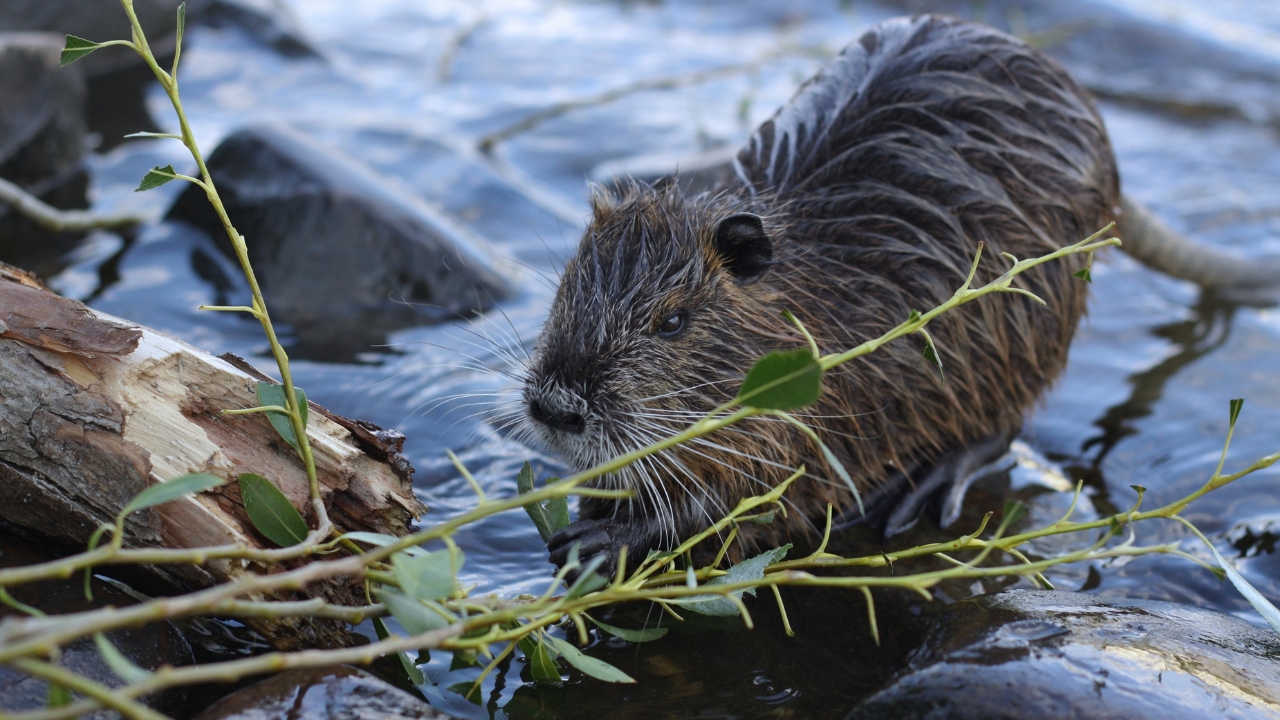
If you hear a sudden, flat smack followed by splashing from a pond, creek, or even a stock tank overflow, you’ve got something working the waterline. Beavers do tail slaps, but so do startled muskrats and big fish. Around gardens, nighttime water noise can also mean raccoons washing food or hunting along the edge.
Walk it the next day and look for slides, muddy tracks, and fresh chew on saplings. Protect valuable trees near water with hardware cloth wrapped loosely around the trunk so it doesn’t girdle as the tree grows. If flooding is involved, don’t start tearing into a dam without knowing local rules, permits are sometimes required, and messing with water flow can damage a neighbor’s property fast.
6. Repeated Hoof Clicks On The Driveway
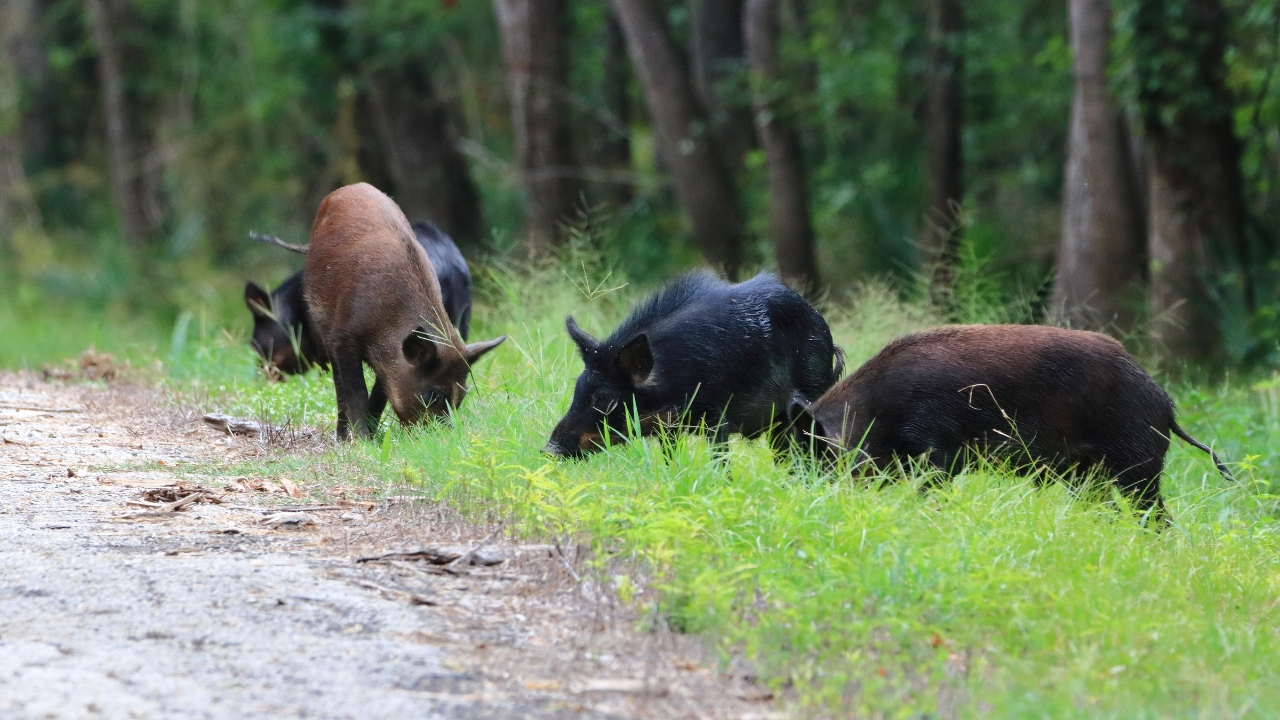
That sharp, rhythmic clicking on pavement at night is deer or, in some areas, feral hogs moving through. It sounds harmless until you see what it does to young fruit trees, hostas, and any garden you forgot to fence. The timing matters, one night of browsing can set back a sapling a whole season.
If you’re hearing it often, motion lights help a little, but a real barrier works better. For gardens, a tall fence is the straightforward answer, and for a few trees, use trunk guards and sturdy welded wire cages. An honest exception: if it’s a one-off during a hard winter, you don’t always need to build a fortress. Sometimes clearing fallen fruit and tightening up compost is enough to stop the repeat visits.
7. Rustling And Paper Tearing In The Shed

People blame “the wind” for this sound. The wind doesn’t shred feed bags and drag insulation scraps into a corner. If you hear steady rustling and that distinct paper ripping, rodents are active, and they’re building a nest out of whatever you stored in there.
Fixing it is half cleanup and half denial. Get all feed into metal cans with tight lids, not plastic totes, and sweep up spilled grain so you’re not running a free buffet. Then seal obvious gaps with steel wool backed by wood or metal, and reset traps along walls where they travel. If you’ve got wiring in that shed, inspect it before you plug tools back in.
8. Soft Fluttering At The Window Or Screen
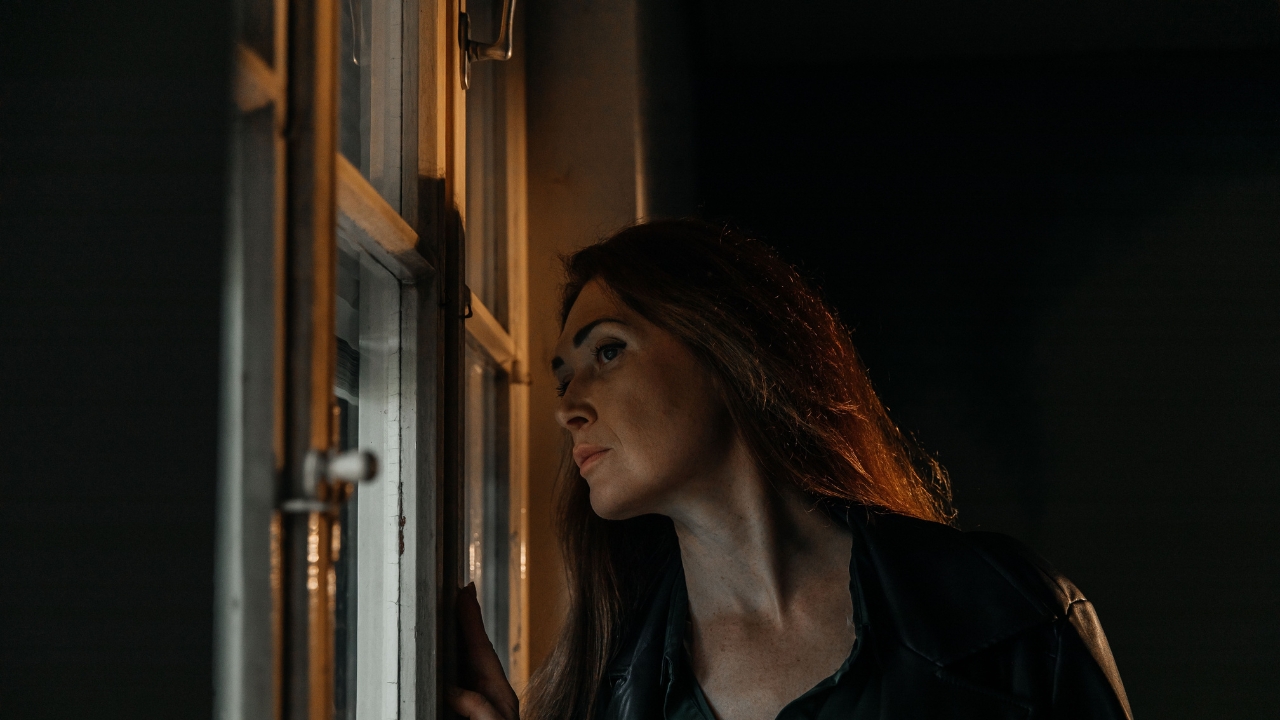
Quiet, repetitive fluttering at a window sounds minor, but it often means a moth or bat working the glass, drawn by indoor light. One bat outside is normal. One bat inside is a problem you deal with calmly, without chasing it through the house at 2 a.m.
Turn off the lights in that room, open one exterior window if it’s safe to do so, and close interior doors so it can find the exit. Then fix the reason it got in: torn screens, gaps at the top of older windows, or a loose attic gable vent. If you keep seeing them, stop guessing and have the attic inspected by a pro who does exclusion work, especially before cold weather when they look for warm shelter.
9. Low Grunting And Rooting In The Garden
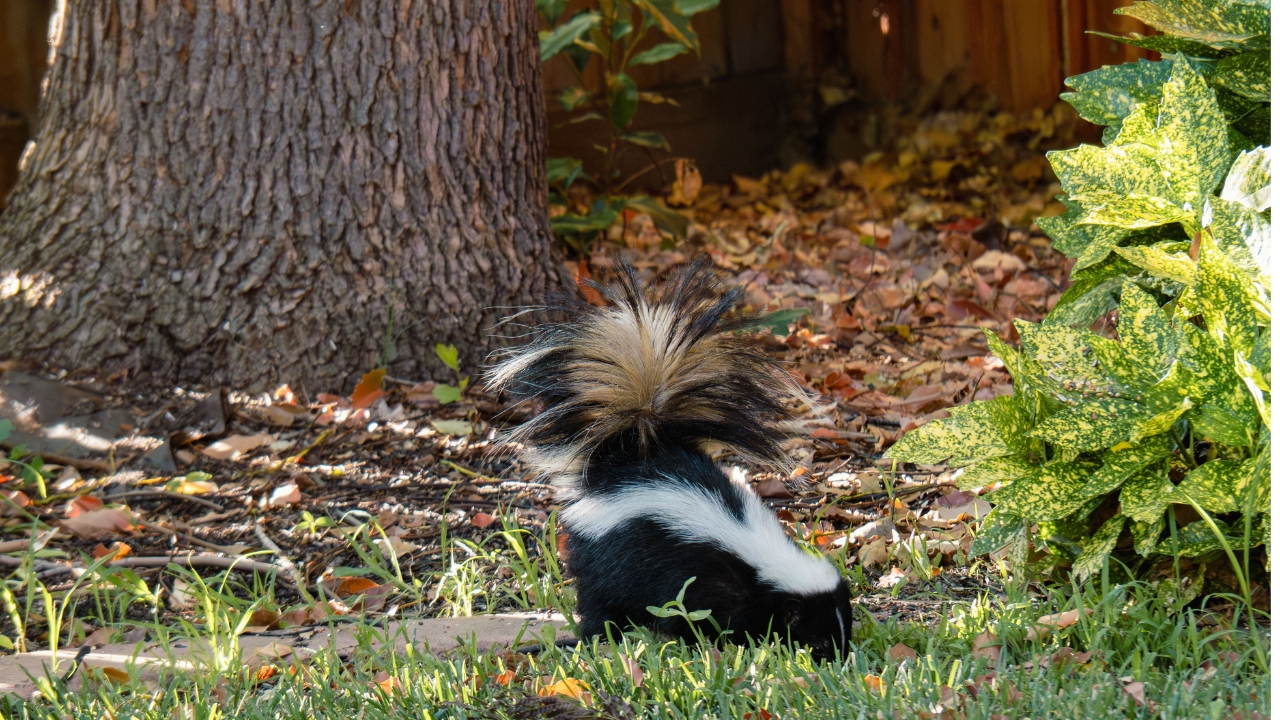
If you hear low grunts and the sound of soil being pushed and scraped, something is actively feeding. Skunks dig for grubs with small cone holes, while feral hogs and sometimes raccoons can tear up big patches fast. You’ll know in the morning, your lawn looks like it got rototilled in strips.
Don’t start by trapping unless you know your local regs and you’re equipped to do it safely. Start by removing the draw: cut back on grubs with proper lawn care, pick up fallen fruit, and don’t leave pet food outside overnight. For recurring damage, fencing and an electric deterrent setup can work, but that’s a job where reading the manual and following local code is worth your time, sloppy installs fail.
10. High Yips And A Sudden Chicken Ruckus
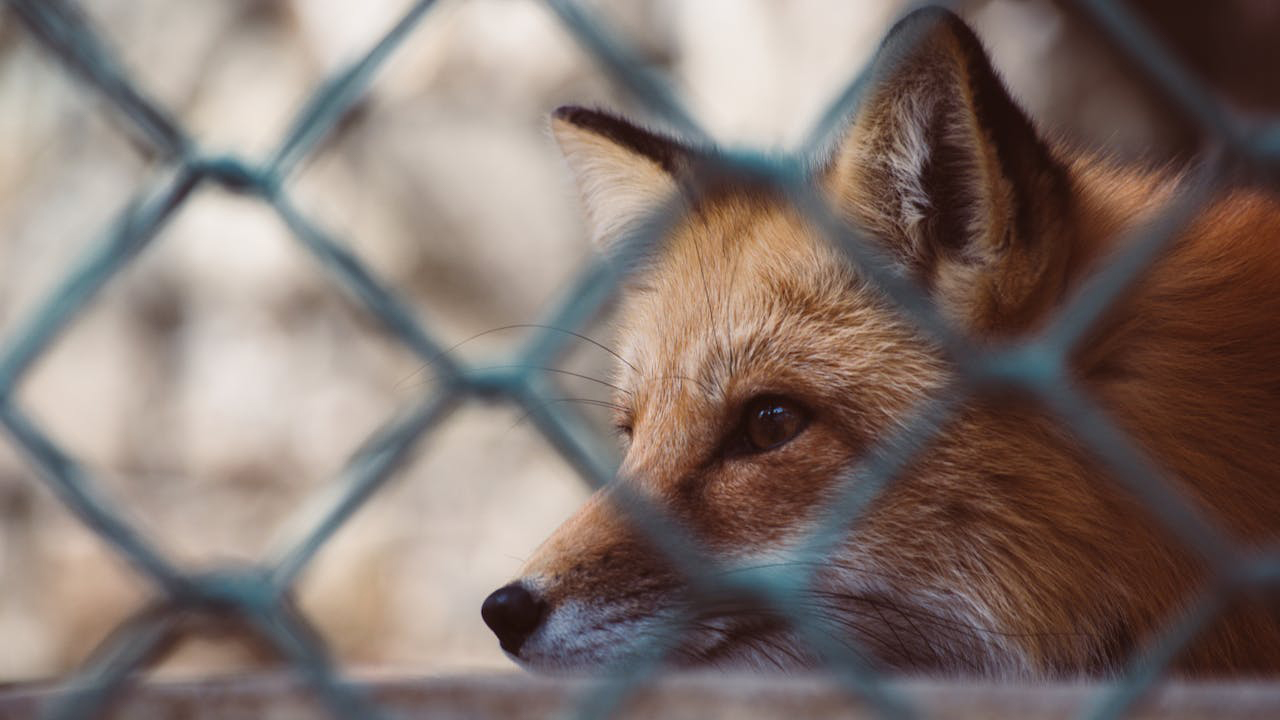
Short yips, followed by your birds exploding into alarm calls, means a predator just tested your setup. Coyotes, foxes, and even roaming dogs work fast and quiet until they’re right at the coop. This is the sound that turns into loss before sunrise.
Check the perimeter in daylight and assume they found a weak spot, a loose latch, a gap under the run, or chicken wire they can tear. Swap chicken wire for hardware cloth on runs and lower sections, and bury an apron out from the base so digging doesn’t win. If you free-range, tighten up your routine at dusk, lock birds in early, and don’t leave feed out to attract midnight visitors.
After any nighttime noise, take ten minutes in the morning to walk the area and look for tracks, scat, and fresh damage before rain wipes the evidence. Fix the access points and food sources first, because that’s what makes a visitor turn into a resident. A cheap trail camera aimed at the problem spot can save a lot of guessing, and it keeps you from “fixing” the wrong thing.
Like Fix It Homestead’s content? Be sure to follow us.