10 Yard Choices That May Be Attracting Snakes Without You Knowing
Photo credit: Glass and Nature/Shutterstock.com
Snakes don’t need much to move in—shade, cover, food, and a place to hide are usually enough. And while most snakes aren’t aggressive, they’re not exactly welcome guests in your backyard either. The problem is, a lot of common yard habits accidentally create the perfect setup for them.
If you’re noticing more snakes than you’d like (or want to make sure you never do), these are the yard choices that could be drawing them in without you realizing it.
Keeping Overgrown Grass and Weeds
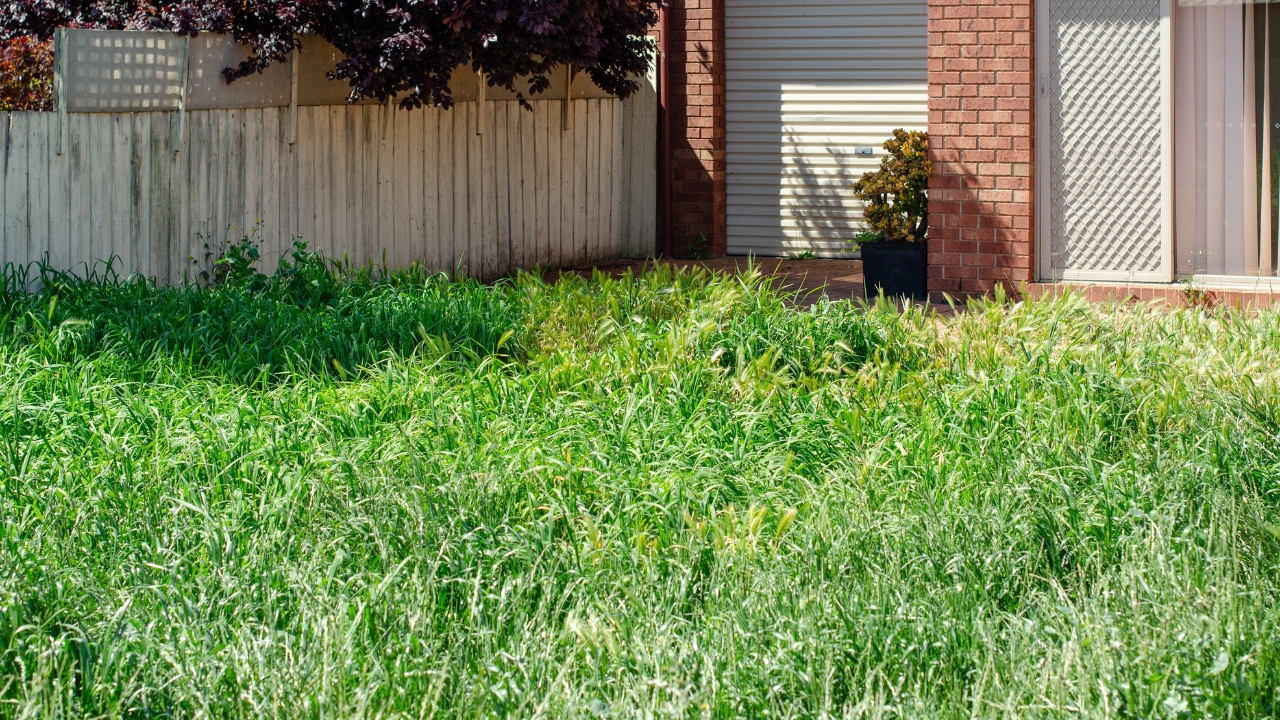
Tall grass and thick weeds give snakes the cover they’re looking for. It helps them stay hidden from predators while hunting for prey like mice or frogs. If your yard has spots you skip mowing—or you let your lawn go too long—those areas become prime snake territory.
Even the edges of fences or the backs of garden beds can become a problem if they’re not kept trimmed. Keeping everything low and tidy takes away one of their favorite hiding spots.
Leaving Wood or Rock Piles
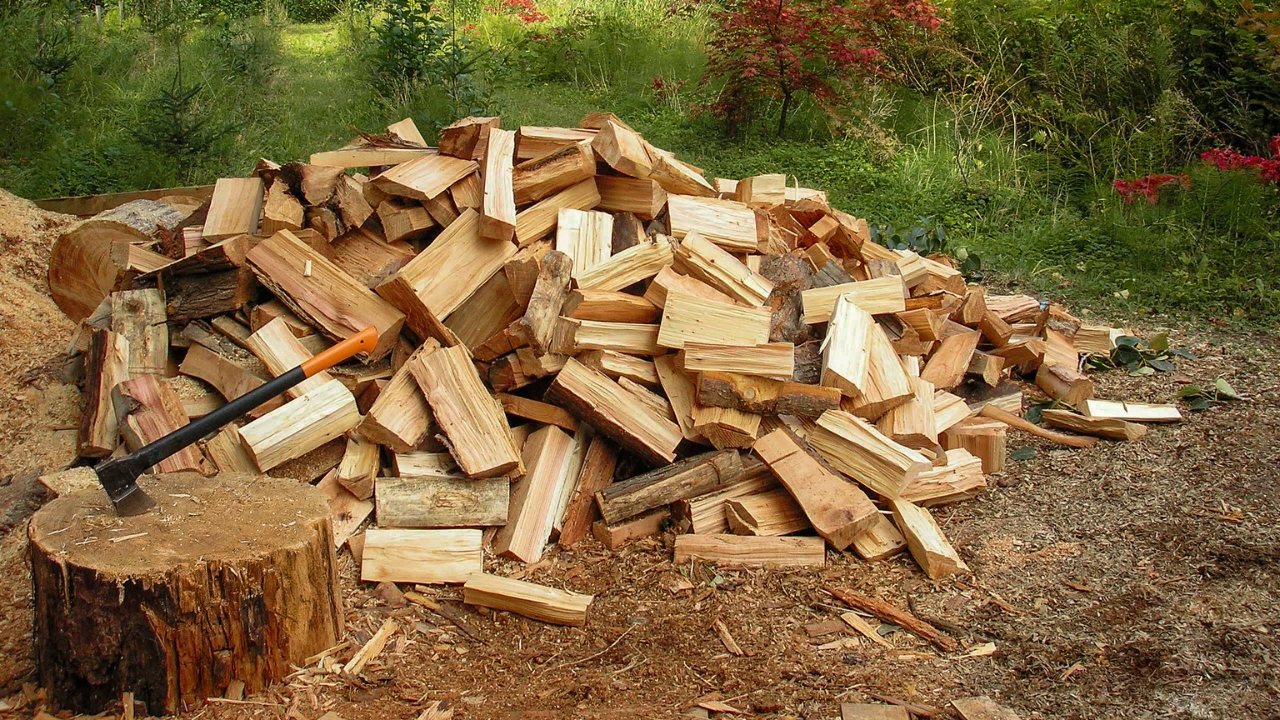
Piles of firewood, old bricks, scrap lumber, or even large landscaping rocks can all act like five-star snake hotels. They offer warmth, shade, and tight hiding spaces that make snakes feel safe. Once they move in, they usually stick around.
If you need to keep firewood, raise it off the ground and keep it away from the house. And if you’ve got old building materials sitting around, it might be time to clean up—those piles invite more than just snakes.
Having Bird Feeders Too Close to the House

It sounds harmless, but a bird feeder can start a whole chain reaction. Spilled seed attracts rodents, and rodents attract snakes. If the feeder’s close to your house, you’re basically ringing the dinner bell right by your door.
Snakes don’t care about the seed—they care about what’s coming to eat it. If you keep feeders, move them farther away and clean up any fallen seed regularly to keep the critters (and the snakes) at a distance.
Letting Leaf Litter Build Up
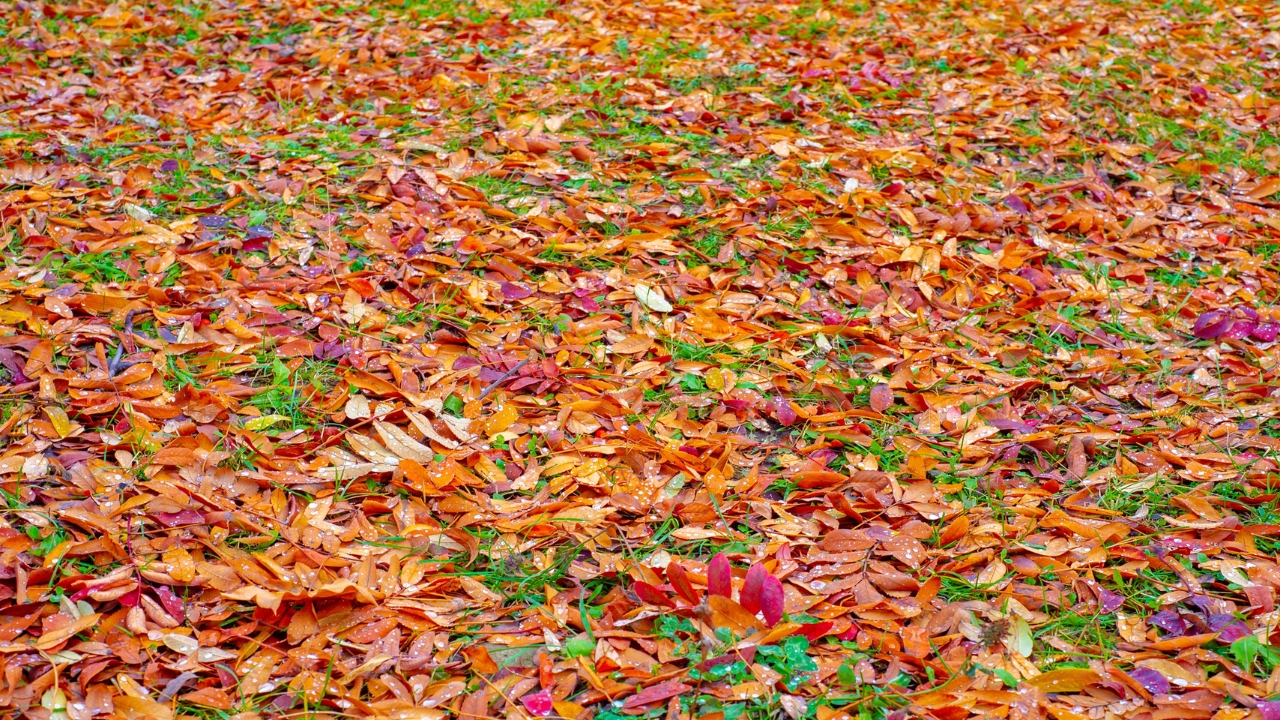
Leaves might seem harmless, but a thick layer of leaf litter holds moisture and creates great hiding spots. Snakes like the cool, damp cover—and so do many of the insects and small animals they eat.
If you’ve got a lot of tree cover, it’s worth staying on top of leaf cleanup. Pay attention to shaded corners, under shrubs, and around your foundation. The more leaf litter you let sit, the more attractive your yard becomes.
Ignoring Holes and Gaps Around the Foundation

Snakes can squeeze through tiny gaps to get under your home or shed. If there are holes around your foundation, steps, or siding, you could be offering them a safe, shaded place to live without even knowing it.
Doing a walkaround once or twice a year and sealing up those gaps can help stop them before they move in. Don’t forget crawl spaces and under decks—those spots stay cool and quiet, which is exactly what they’re after.
Using Thick Ground Covers

Ground covers like ivy, pachysandra, or dense ornamental grasses can give snakes a permanent hiding spot. These plants stay low and tangled, making it hard to see what’s going on underneath—and that’s exactly what snakes want.
If you like using ground covers, try to keep them thinned out and away from walkways or seating areas. Or better yet, skip the really dense stuff entirely if snakes are already an issue in your area.
Leaving Pet Food Outside

Leaving dog or cat food outside—even for a little while—can bring in raccoons, rats, and other small animals. And once those critters are regular visitors, snakes won’t be far behind. They follow the food chain.
If you feed pets outside, pick up bowls when they’re done and store food in sealed containers. Even crumbs can attract the kind of prey that makes your yard more appealing to something with scales.
Skipping Regular Rodent Control
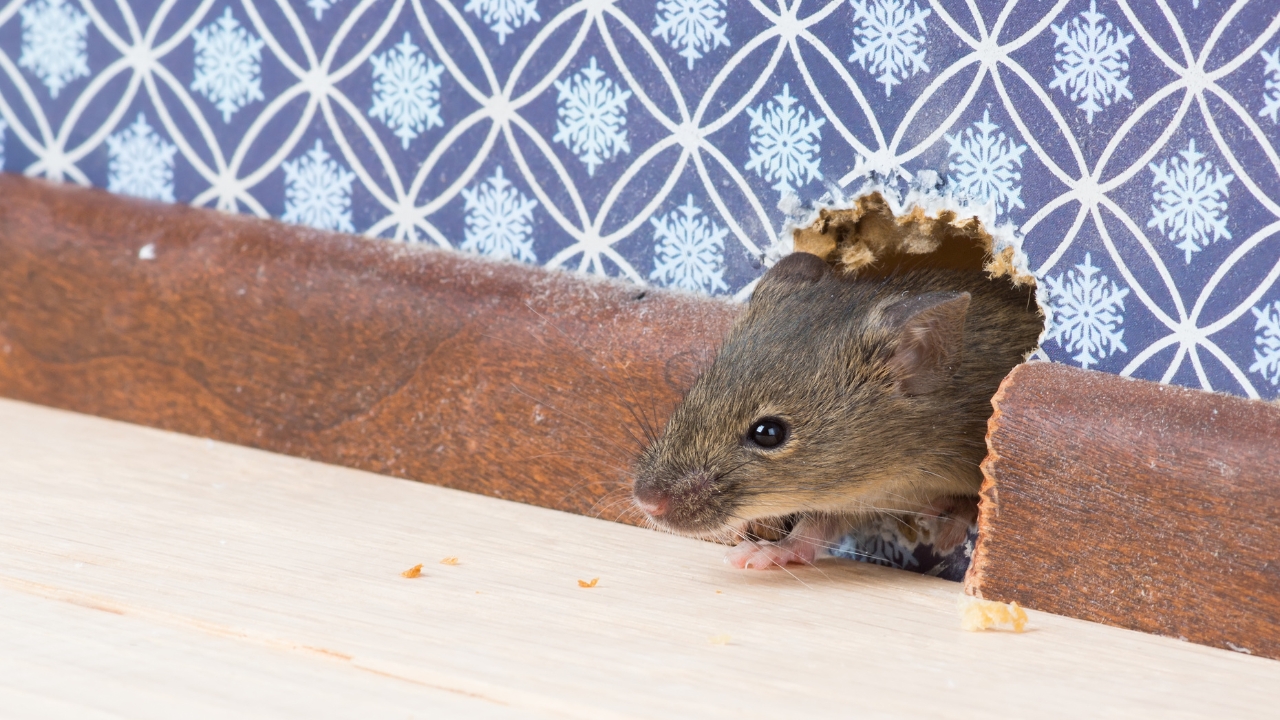
If you’ve got mice, you’ve got snake bait. Skipping rodent control gives snakes a steady food supply. You might never see the mice, but snakes will sniff them out and stick around as long as the buffet stays open.
Keep an eye out for droppings, gnawed items, or burrows. Managing rodents isn’t just about protecting your food or wiring—it’s one of the most effective ways to keep snakes from calling your yard home.
Leaving Unused Pools or Ponds Untreated
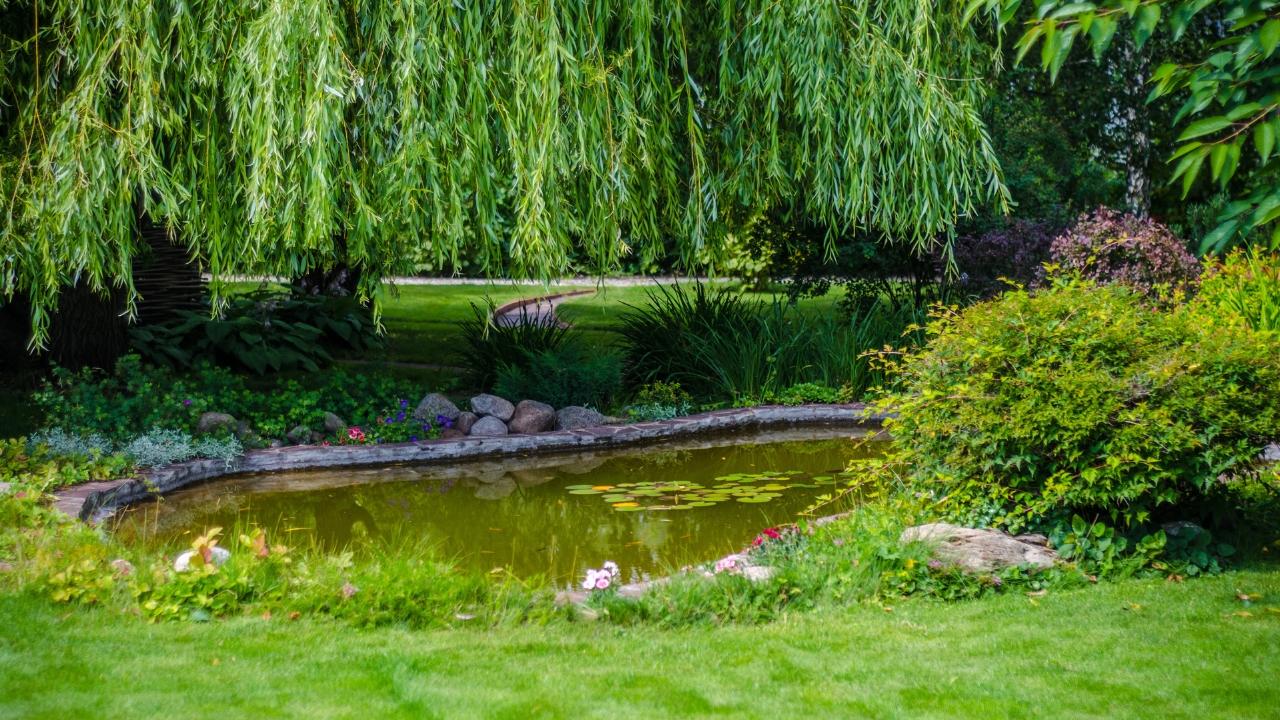
Water sources like small ponds, fountains, or unused kiddie pools attract frogs, insects, and rodents—which, in turn, attract snakes. Some snakes are even good swimmers and might use those water spots to cool off in hot weather.
If you’ve got standing water that isn’t being used or maintained, it’s worth draining or covering it. Clean, moving water is less of a problem. But the neglected stuff? That’s an open invitation.
Letting Brush or Shrubs Creep Too Close to the House
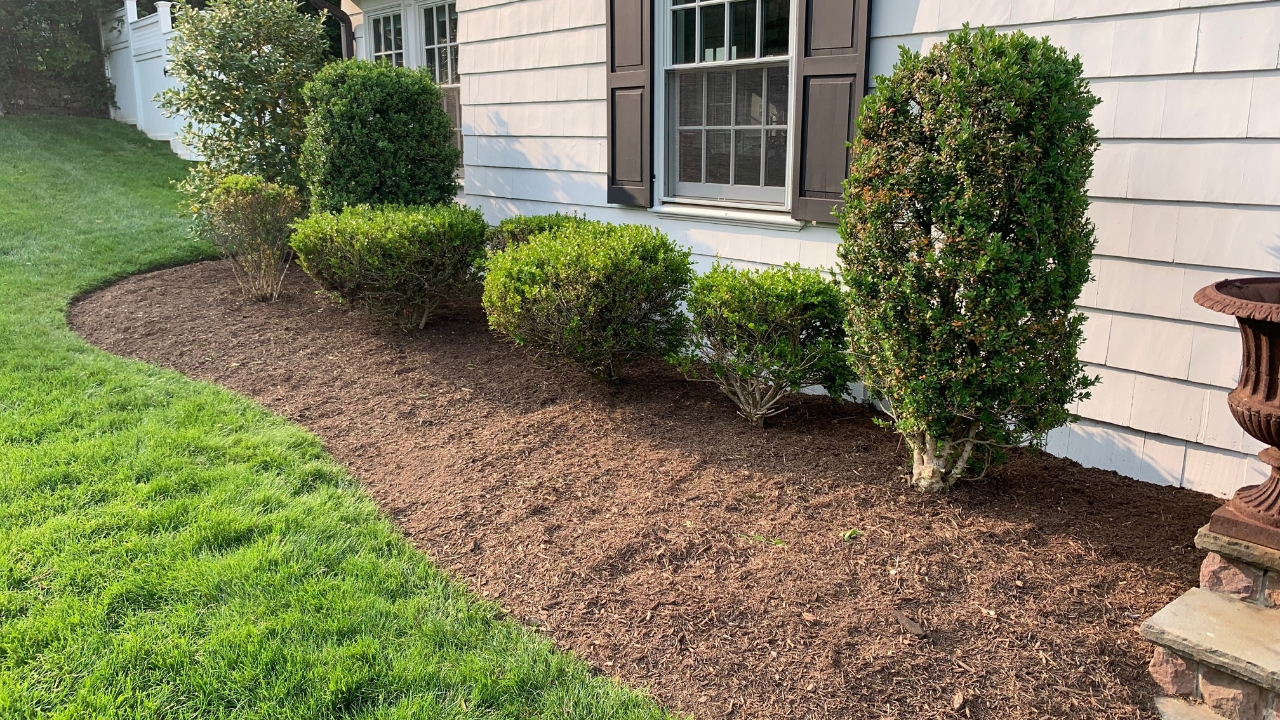
When shrubs, hedges, or tall plants grow right up against the house, you lose sight of what’s going on down low. Snakes use that overgrowth for cover and can hang out without being noticed.
Keep a buffer zone between plants and your home’s foundation. Trim low branches and don’t let shrubs grow wild around sheds, garages, or porches. That open space gives you better visibility and makes things less appealing for slithery visitors.
Like Fix It Homestead’s content? Be sure to follow us.