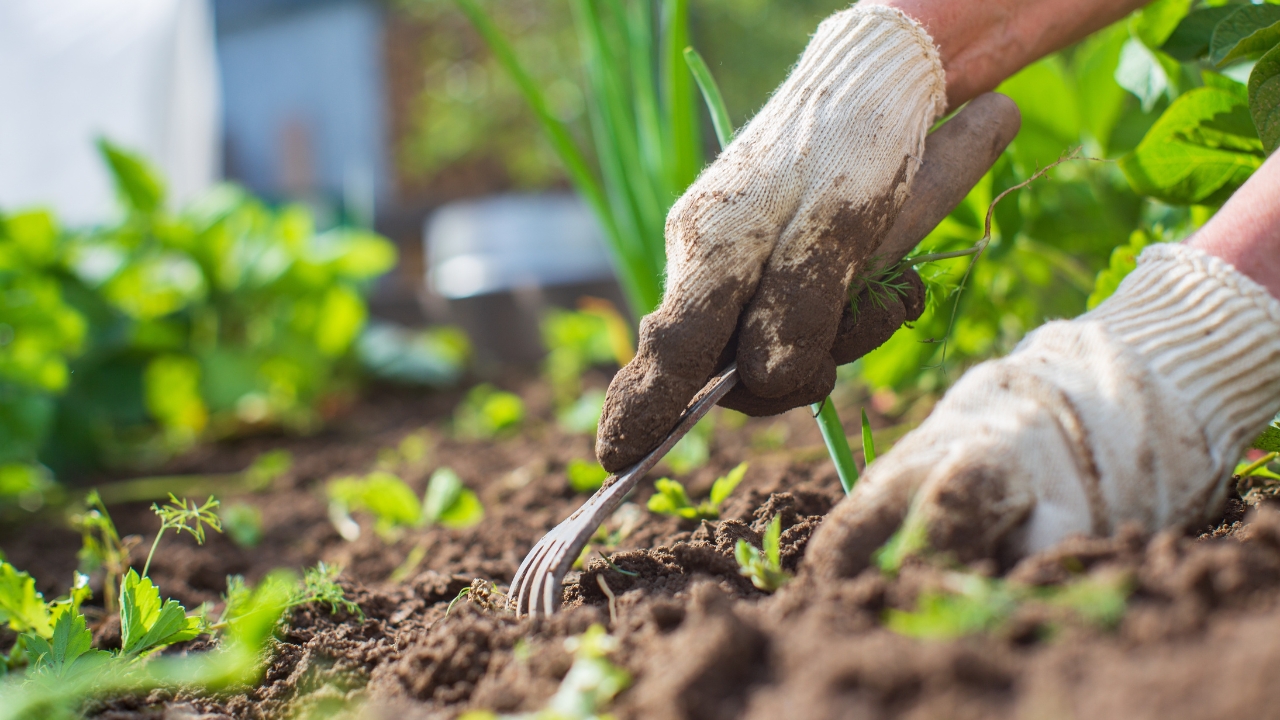
10 Weeds You Should Absolutely Never Ignore in Your Garden
Image Credit: Shaplov Evgeny/ Shutterstock.
Weeds have a way of sneaking into your garden and taking over before you even notice. Some spread through their roots, others scatter seeds everywhere, and the worst ones seem impossible to stop. If you don’t deal with them, they’ll crowd out your plants and make gardening way harder than it needs to be.
I get it—standing there looking at a patch of weeds that seems to have doubled overnight is frustrating. But, these weeds can actually harm your plants and make your hard work feel pointless. Knowing which ones to handle right away and how to deal with them can make all the difference.
Johnsongrass
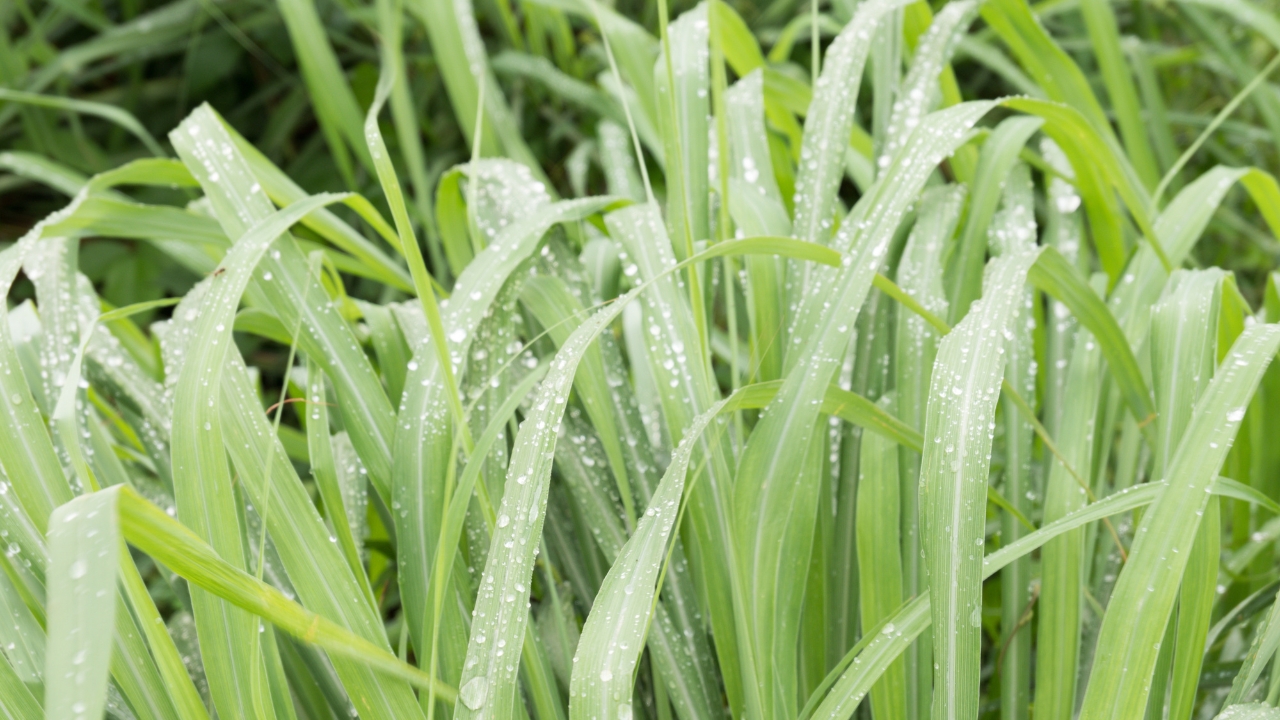
Johnsongrass spreads fast and puts up a fight. Its sharp-tipped roots can be annoying to deal with, but luckily, most of them stay close to the surface, so they’re not impossible to tackle. The key is catching it early—before it flowers and drops even more seeds all over your yard.
Grab a sturdy spade and dig around the plant, following those underground runners until you’ve got every last piece. Leave even a tiny bit behind, and it’ll sprout back like nothing happened.
Bermuda Grass
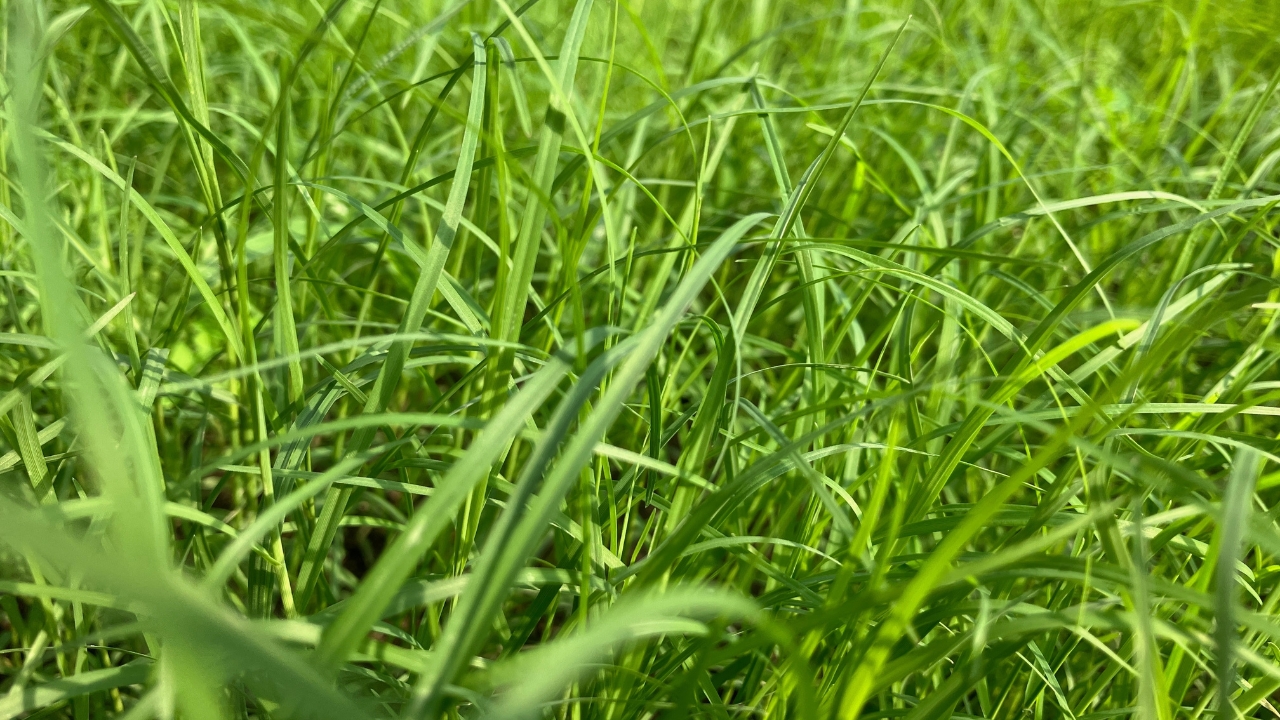
Bermuda grass is one of those weeds that refuses to quit. Its roots not only spread quickly, but they also release chemicals that harm other plants. Once summer hits, this grass grows like crazy, spreading up to 10 feet in just weeks. Its underground rhizomes break apart easily, so tilling often makes the problem worse instead of better.
To keep Bermuda grass in check, start with heavy mulching. It might still grow through, but the mulch makes it easier to pull. Covering the area with boards or plastic can also help block sunlight. If you’re up for it, dig out as much as you can, being sure to remove all the roots. Some gardeners swear by digging a shallow trench around their beds to stop it from creeping back in. Solarizing the soil is another option—slow but effective.
Quack Grass
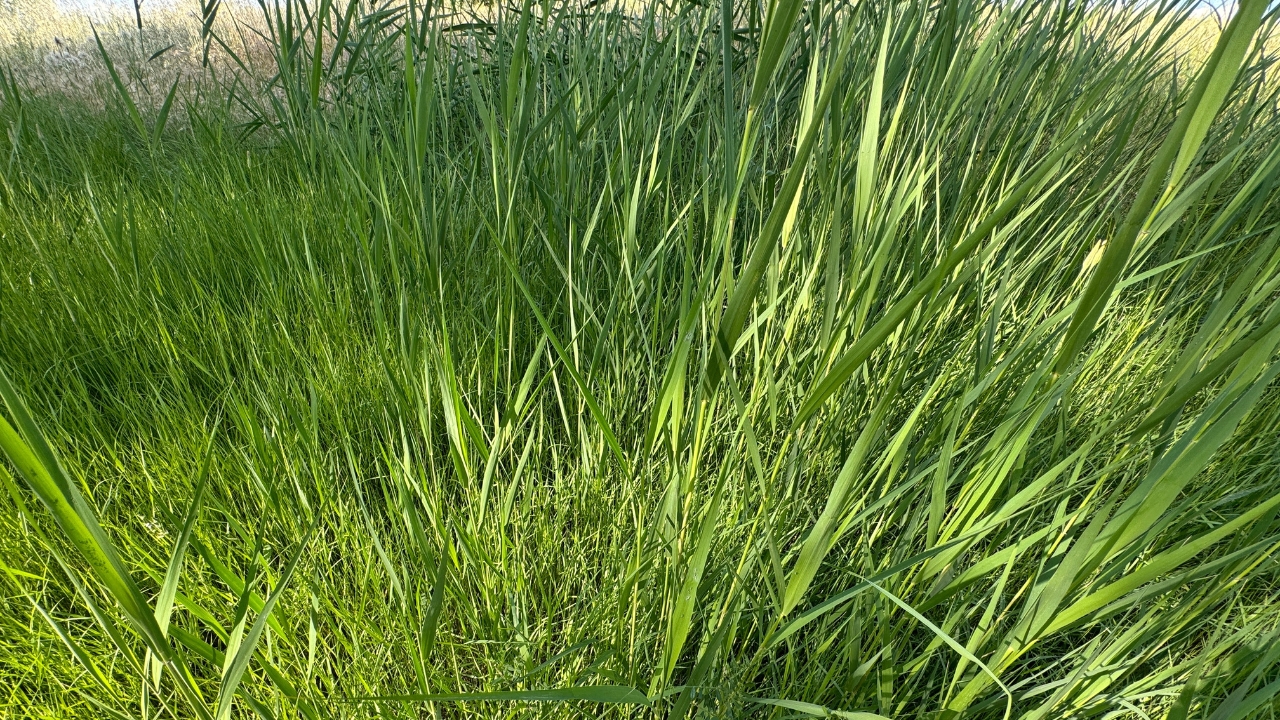
Quack grass is a tough weed that spreads through underground runners, making it a nightmare to remove. These thin rhizomes release chemicals that stunt nearby plants and are notorious for breaking apart while you’re digging. Miss even a small piece, and it’s back before you know it.
The best way to fight quack grass is with patience and the right tools. Use a garden fork to loosen the soil and carefully dig out the roots. Tilling is a no-go since it just spreads the weed. After pulling, let the grass dry completely in the sun before composting it. For extra help, try planting cover crops like buckwheat or clover to crowd it out. If you use hay or compost, make sure it’s free of quack grass seeds so you don’t accidentally bring it back.
Mugwort
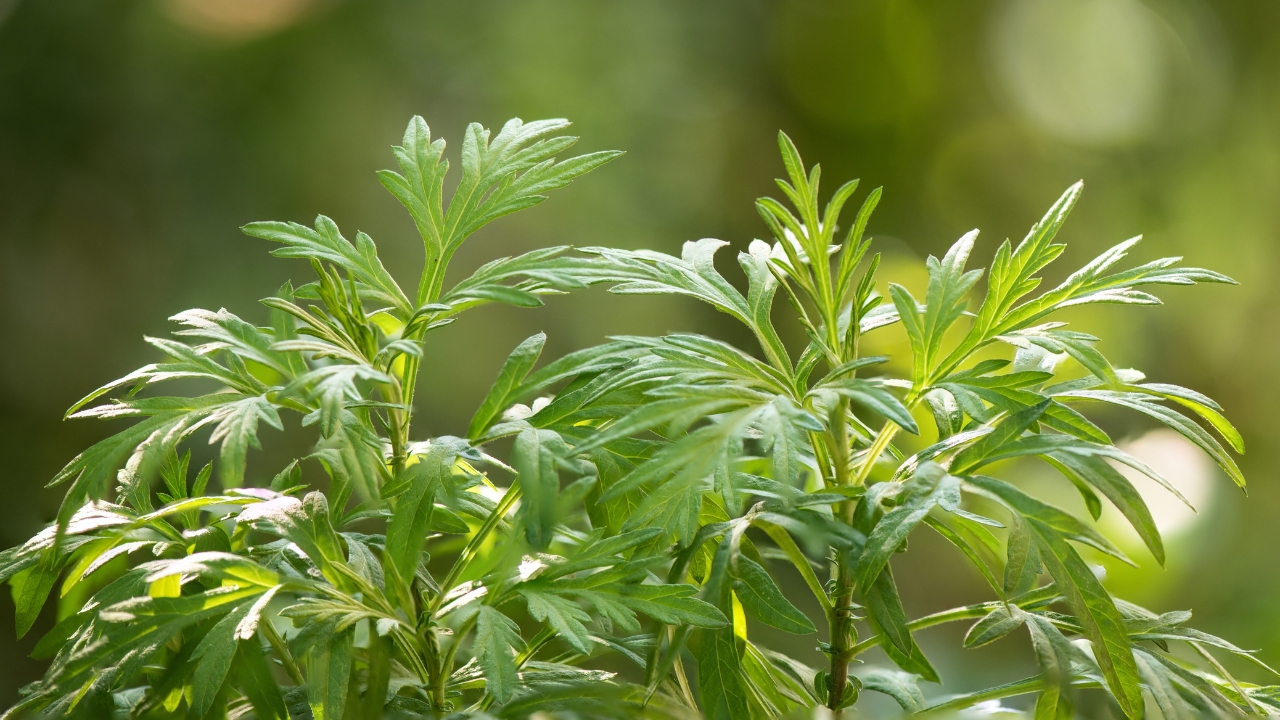
Mugwort might smell nice, but don’t let that fool you—it’s a major garden headache. Brought over as a medicinal herb, this weed now spreads like wildfire with its sneaky underground runners. They mostly stick close to the soil surface, but there are so many of them that removing it takes some effort.
To kick mugwort out of your garden, grab a spade and start digging. Make sure you get all the roots because this stuff loves to make a comeback. Stay consistent, and don’t let it get comfortable again—it’s the only way to keep it from taking over.
Nutsedge

Nutsedge isn’t just a weed—it’s a repeat offender. It spreads through little underground tubers called nutlets, and if you leave even one behind, it’s game on. Sure, those nutlets are technically edible, but when you’re trying to garden, they’re more of a pain than anything.
The trick is to dig it out completely, tubers and all. Spraying won’t do the job because the nutlets are tough enough to survive. Once the area is clear, throw down some mulch and keep an eye out for any new shoots trying to sneak in.
Poison Ivy
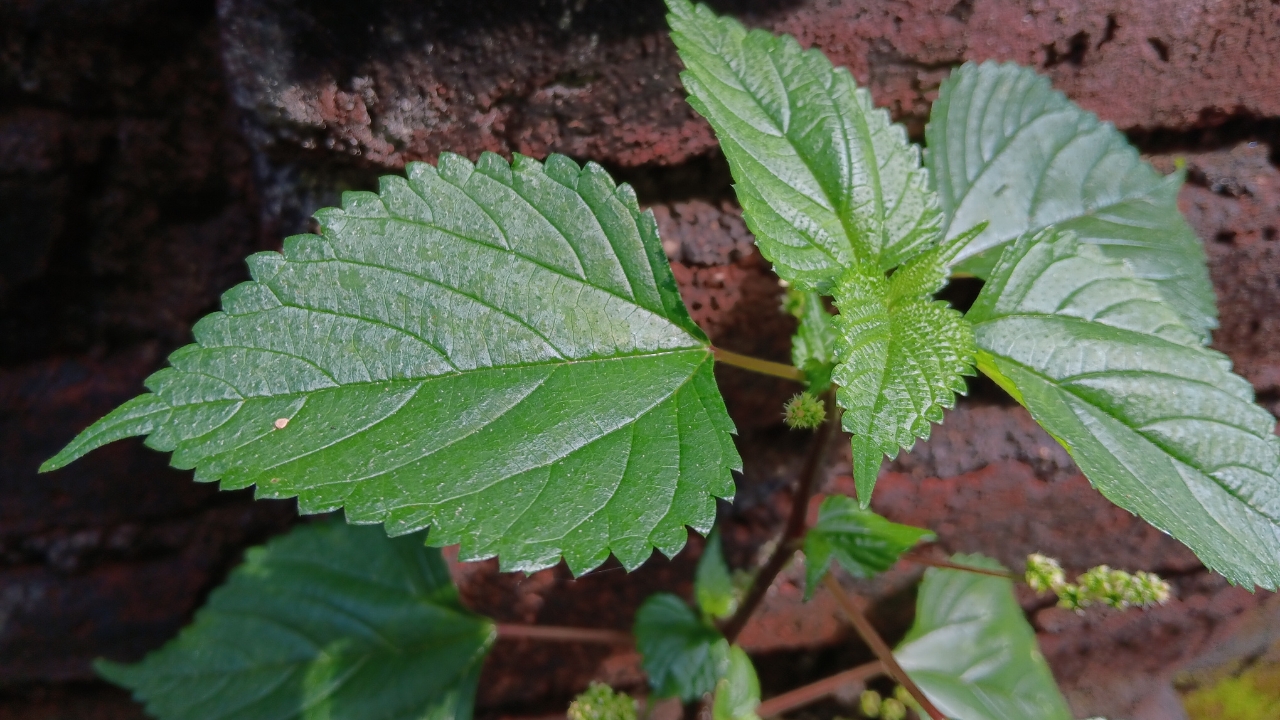
Poison ivy isn’t just annoying—it can ruin your whole week. Its toxic oil, urushiol, can cause nasty rashes and stays active even on dead plants. Removing it safely takes a bit of prep, but it’s worth the effort to avoid a trip to the doctor.
Suit up with long sleeves, gloves, and sturdy shoes. Carefully dig out the entire plant, roots and all, and bag it right away. For bigger vines, cut them at the base, bag the pieces, and then dig out the roots. Be thorough—anything left behind can still cause trouble. Afterward, scrub down your tools, clothes, and anything else that might’ve touched it. Oh, and never burn poison ivy. The fumes can be seriously dangerous. Take it slow, and you’ll have a poison-ivy-free yard in no time.
Field Bindweed
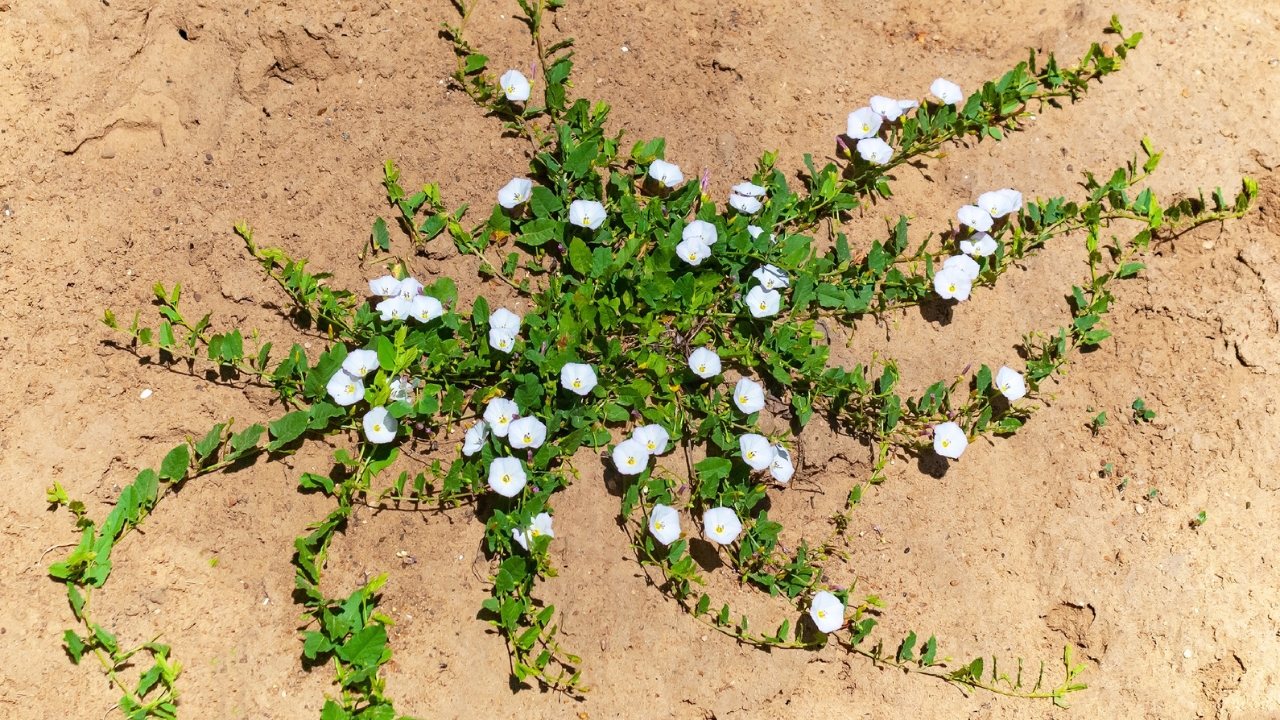
Field bindweed is one of those weeds that refuses to give up. Its white-rooted runners grow deep and spread far, making it almost impossible to get rid of entirely. Those small, white, morning-glory-like flowers might look harmless, but they produce a ton of seeds that add to the problem. Herbicides don’t work here, so it’s all about persistence and getting your hands dirty.
Start by carefully digging around the roots with a trowel, following each runner to its end. Even a small piece left behind will sprout back. If it’s tangled with other plants, you might need to dig them up, remove the bindweed, and replant. For heavily infested spots, cover the area with a mulch cloth and top it with a thick layer of mulch. Over time, this will smother the roots and give you a fighting chance to reclaim your garden.
Burdock
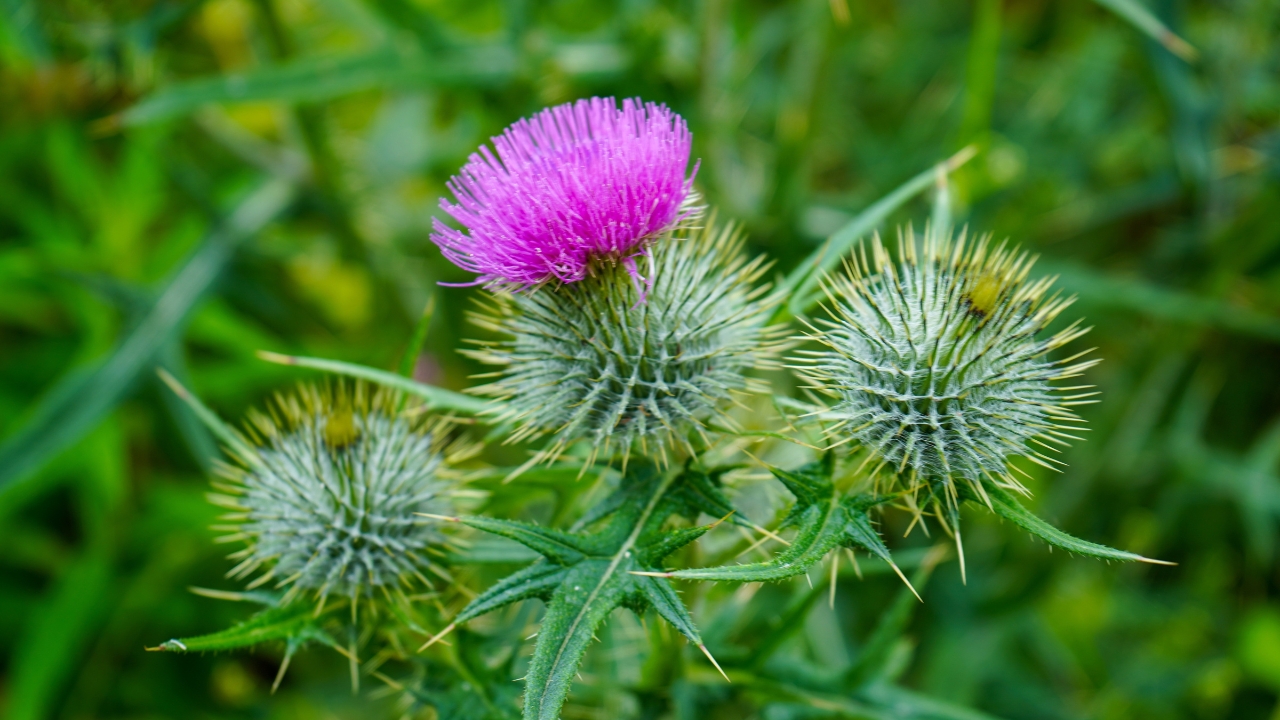
Burdock is a giant weed with even bigger problems. Its massive leaves grow from a deep taproot, and if you ignore it, it’ll produce spiky burrs that cling to your clothes, your pet’s fur, and anything else they touch. Once it’s established, burdock is tough to remove, but tackling it early makes a big difference.
To get rid of burdock, you’ll need a sharp spade to dig out the entire taproot. Make sure you get it all because any leftover pieces will grow back. Keep an eye out for young plants and pull them before they can develop those annoying burrs.
Ground Ivy
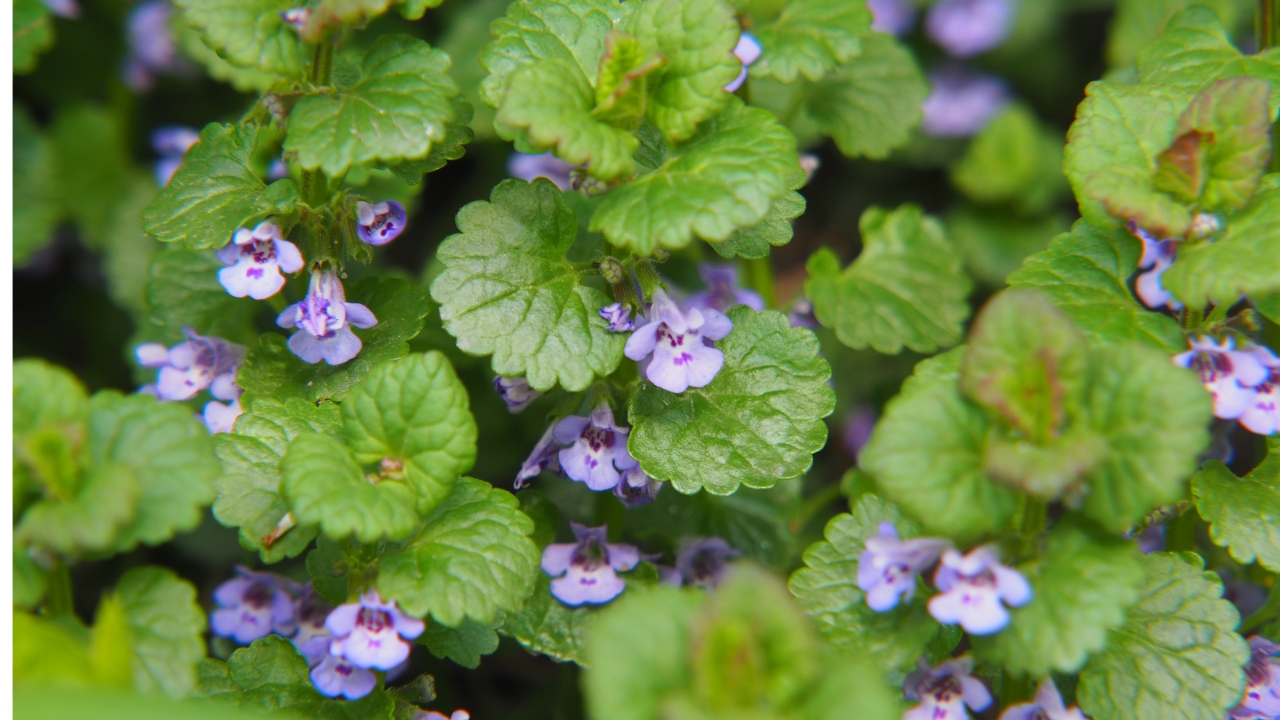
Ground ivy is a fast-spreading weed that can take over your garden and lawn in no time. It grows low to the ground, forming a thick mat that’s hard to miss. The good news? It’s easy to pull. The bad news? If you leave even a tiny piece behind, it’ll root and grow right back.
The best way to keep ground ivy in check is to get ahead of it early in the spring. Pull it as soon as you see it, and then add a thick layer of mulch to your garden beds to stop it from regrowing. If it’s already invaded your lawn, try using a broadleaf herbicide or an organic option like corn gluten. Staying consistent is the key to keeping this weed from coming back.
Canada Thistle

Canada thistle isn’t just prickly—it’s downright relentless. Its sharp leaves and fluffy seed heads spread far and wide, creating dense colonies connected by tough, deep roots. Herbicides don’t work well against it, so you’ll need a different approach to keep it under control.
Smothering is one of the best ways to handle Canada thistle. Cover the plants with a weed cloth and top it with mulch to block sunlight and weaken the roots. For thistles creeping into your lawn, use a broadleaf herbicide to keep them from spreading. Whatever you do, don’t let them go to seed—that’s just asking for a bigger problem next year. Remove plants before they spread, and you’ll save yourself a lot of trouble in the long run.
*This article was developed with AI-powered tools and has been carefully reviewed by our editors.