10 Cleaning Habits That Might Be Spreading Germs Around Instead of Removing Them
Photo credit: Thenongphoto/Shutterstock.com
You can scrub and wipe all day long, but if you’ve picked up a few bad habits along the way, you might be spreading more germs than you’re getting rid of. A lot of common cleaning shortcuts seem harmless but actually make things worse.
From cross-contaminating surfaces to using the wrong tools, these mistakes can leave your home feeling clean while still crawling with bacteria. Here’s what to stop doing if you actually want things sanitary.
Using the Same Rag for Everything
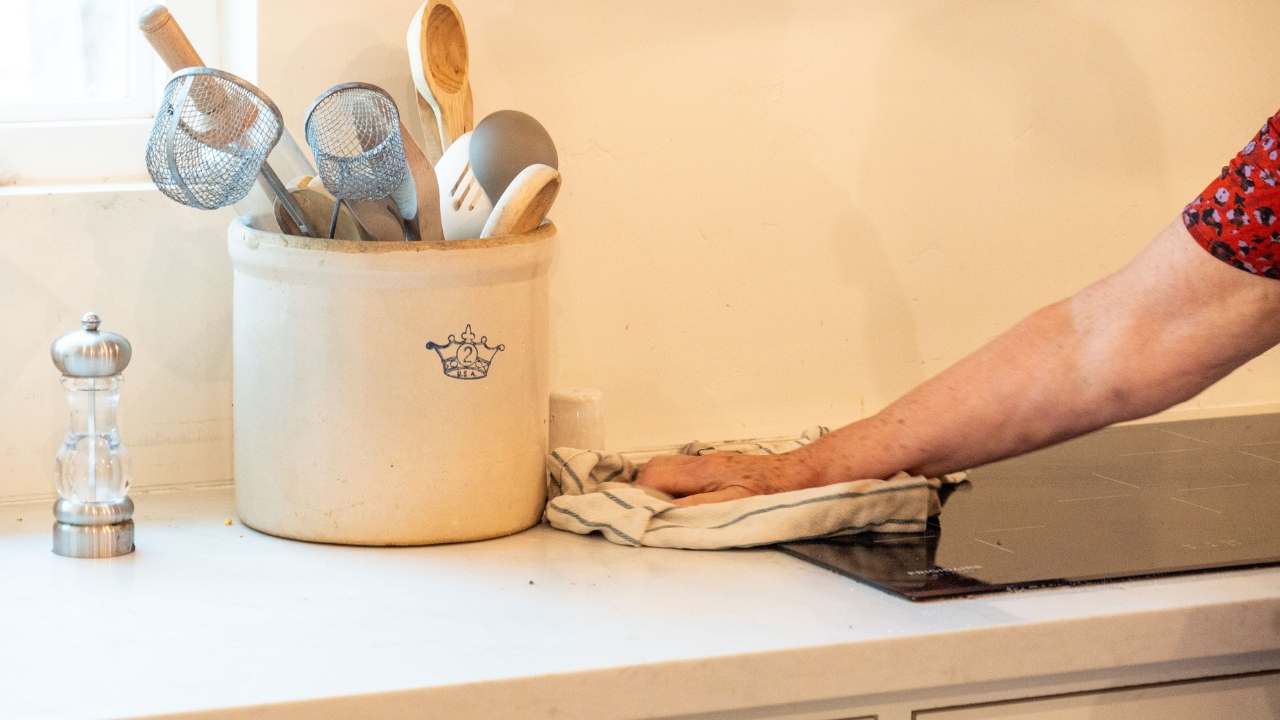
Grabbing the same rag to wipe down the counters, stove, and dining table might feel efficient, but all you’re doing is moving germs from one spot to another.
Even if the surface looks clean, bacteria and food residue linger on the rag. Use separate cloths for different jobs—or better yet, swap for paper towels when handling messes from raw meat or bathroom surfaces.
Forgetting to Sanitize Your Sponge
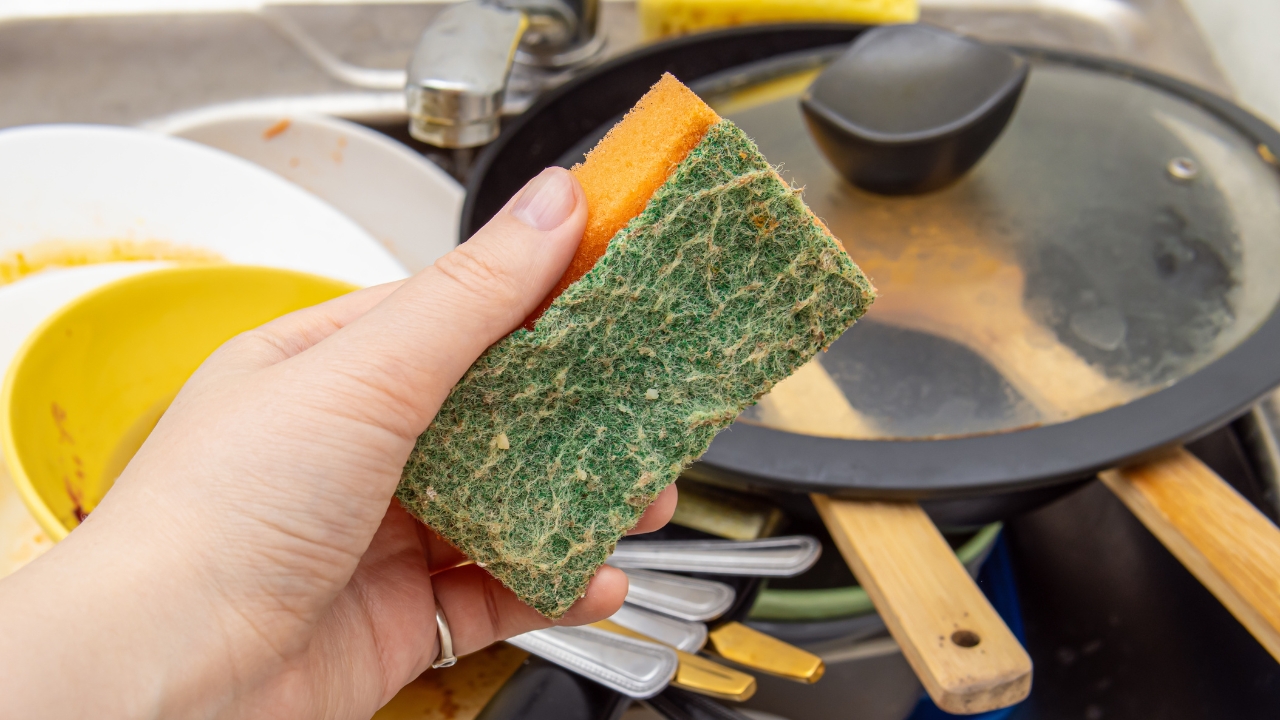
That kitchen sponge smells funky for a reason. It’s a breeding ground for bacteria—and if you’re wiping dishes or counters with it, you’re spreading those germs everywhere.
Toss sponges in the dishwasher regularly, microwave them (wet!) for a minute, or swap them out entirely every week or two. A dirty sponge does more harm than good.
Spraying and Wiping Too Fast
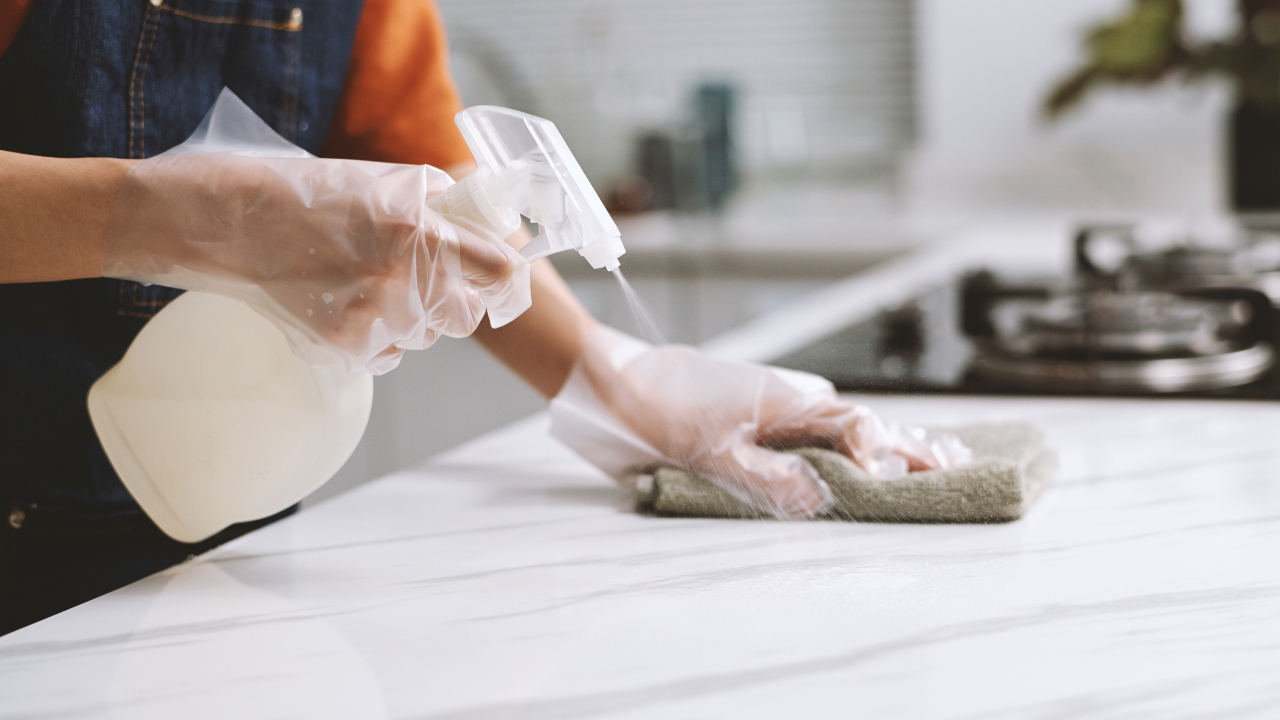
Spray-wipe-go doesn’t actually sanitize most surfaces. Disinfectants need time to work, and if you’re wiping them off immediately, you’re skipping the part where they kill bacteria.
Check the label for the “dwell time.” Usually, it’s anywhere from 30 seconds to a few minutes. Let it sit before you wipe it dry.
Cleaning Floors Last
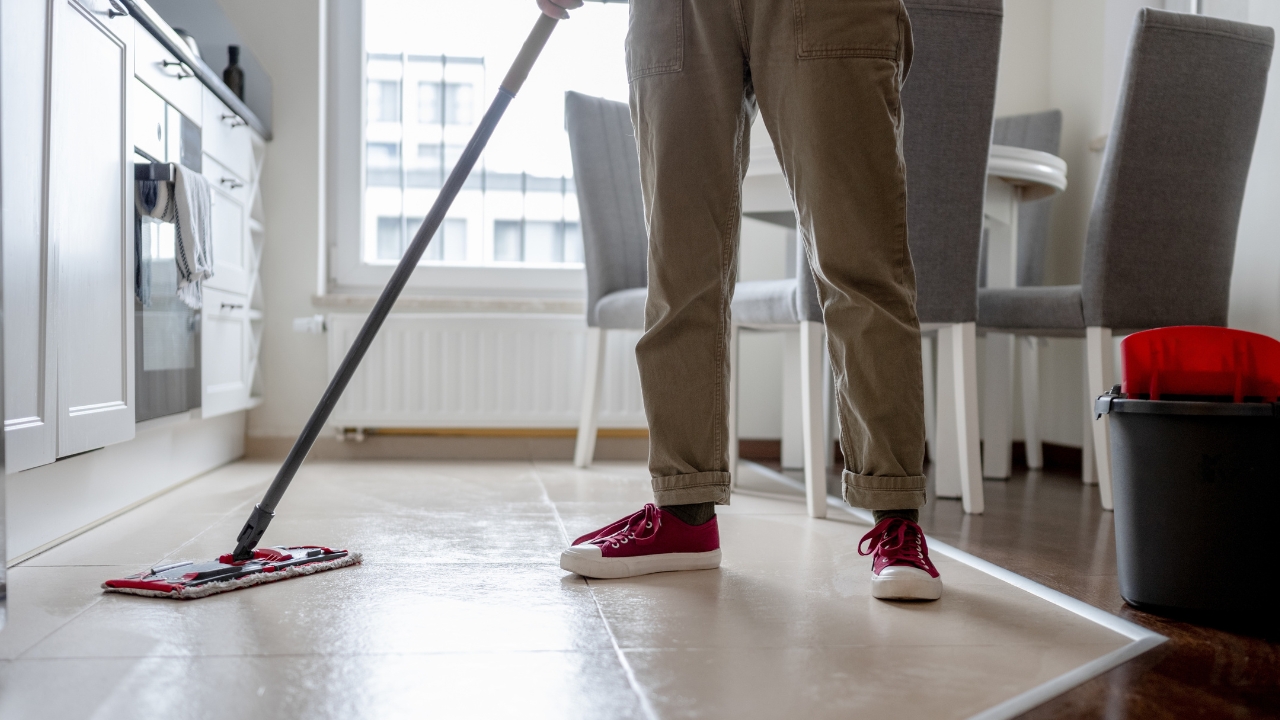
If you wipe counters and dust after mopping, guess what? All that dust and debris falls right onto your freshly cleaned floor.
Always start with dusting high surfaces, wiping counters, then finish with the floors. It keeps germs and dirt from undoing all your earlier work.
Using Dirty Mop Water
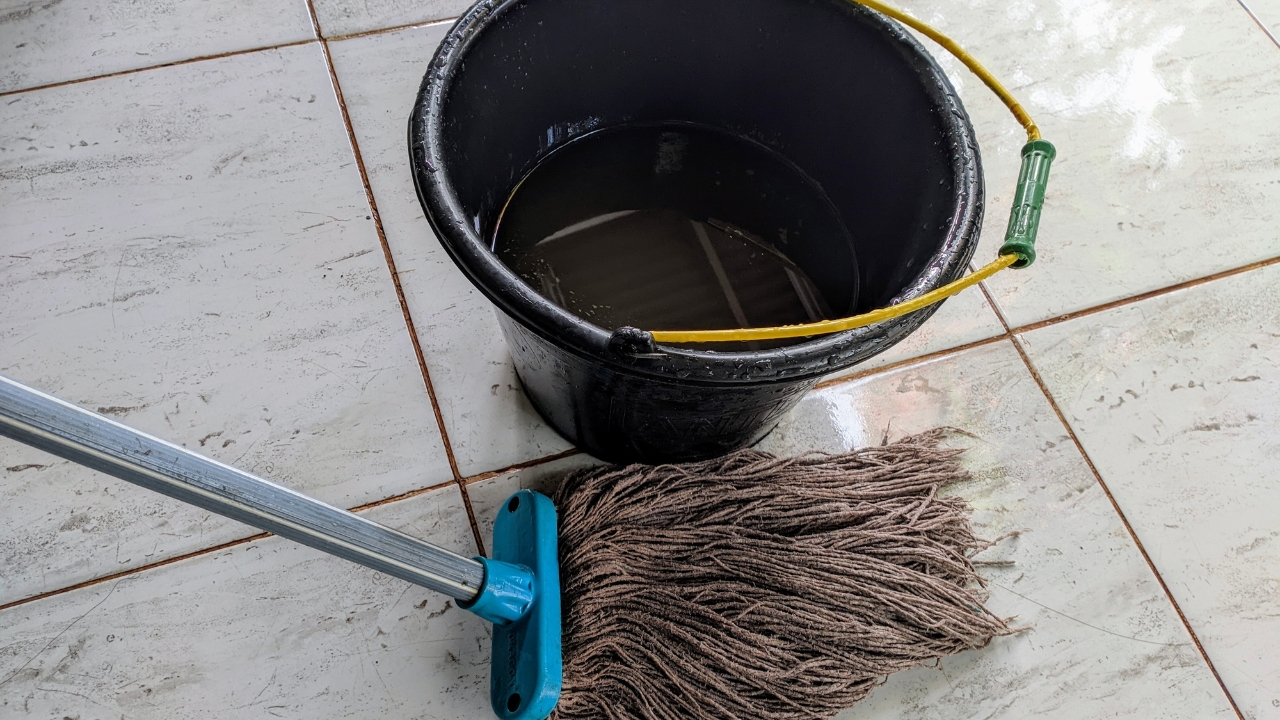
If your mop bucket water looks cloudy or gray, it’s time to change it. Mopping with dirty water just spreads that grime around.
Dump it halfway through the job, especially if you’re cleaning large areas. Otherwise, you’re not cleaning—you’re painting the floor with germs.
Reusing Disposable Wipes Too Much

Clorox wipes are handy, but once that wipe looks grimy or starts drying out, it’s done its job. Keep wiping, and all you’re doing is smearing germs around.
One wipe should cover a small area—think a bathroom sink or a few feet of counter. Then toss it.
Forgetting to Clean Handles and Switches

You might scrub sinks and toilets, but how often do you wipe the bathroom light switch? Or the fridge handle?
These are some of the dirtiest spots in the house because everyone touches them constantly. Make them part of your regular cleaning routine.
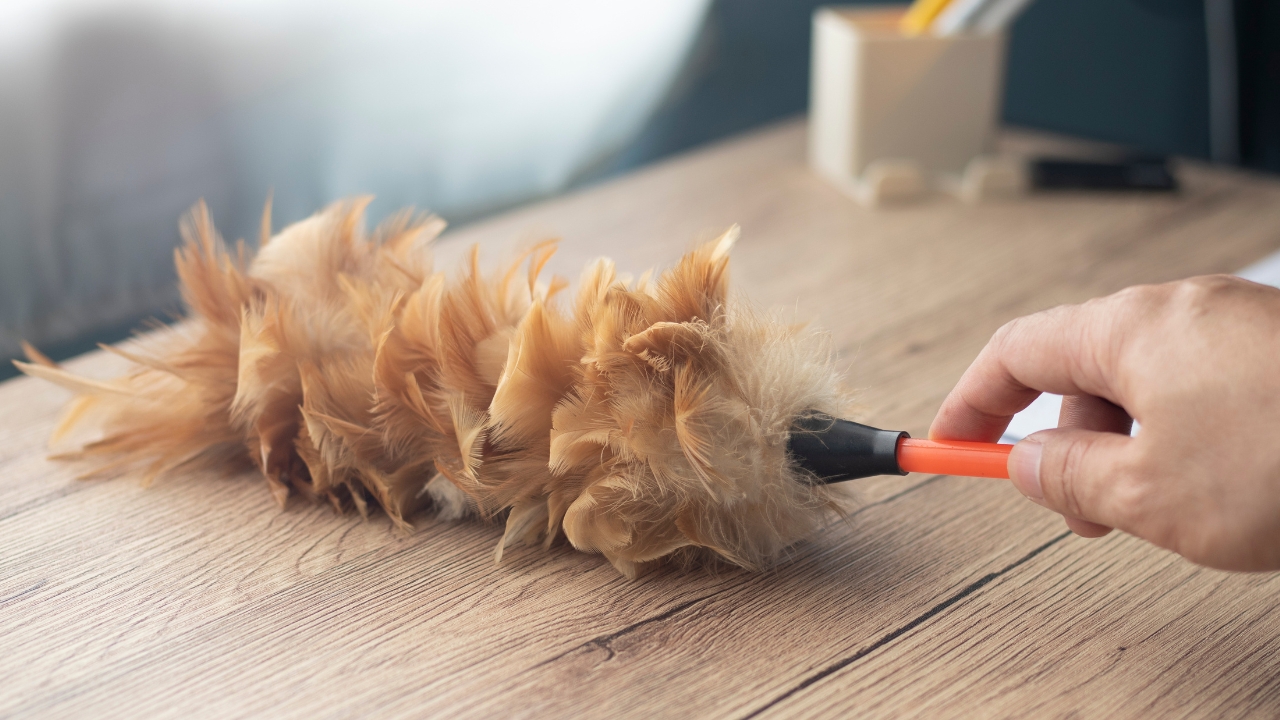
Using Feather Dusters
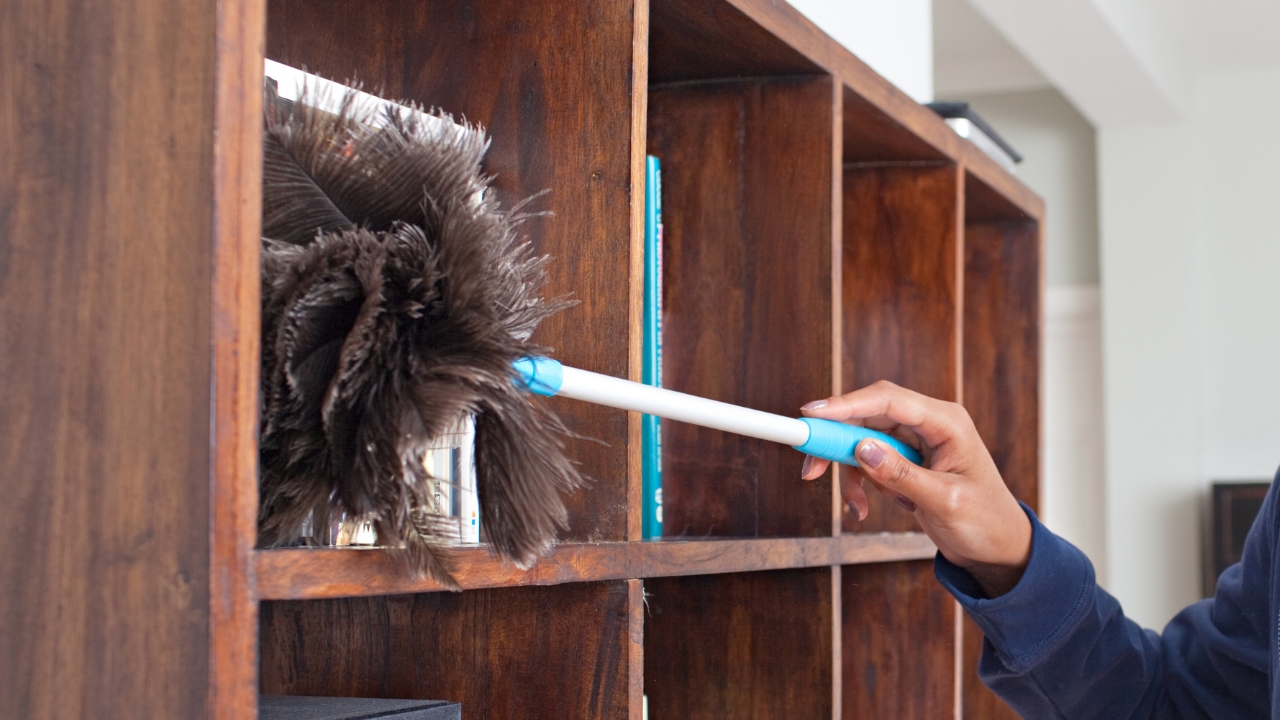
Feather dusters don’t trap dust—they fling it back into the air. That dust eventually settles right back on your furniture, floors, and breathing space.
Use a microfiber cloth or a damp rag instead. It grabs dust instead of spreading it around.
Vacuuming With a Full Canister or Dirty Filter
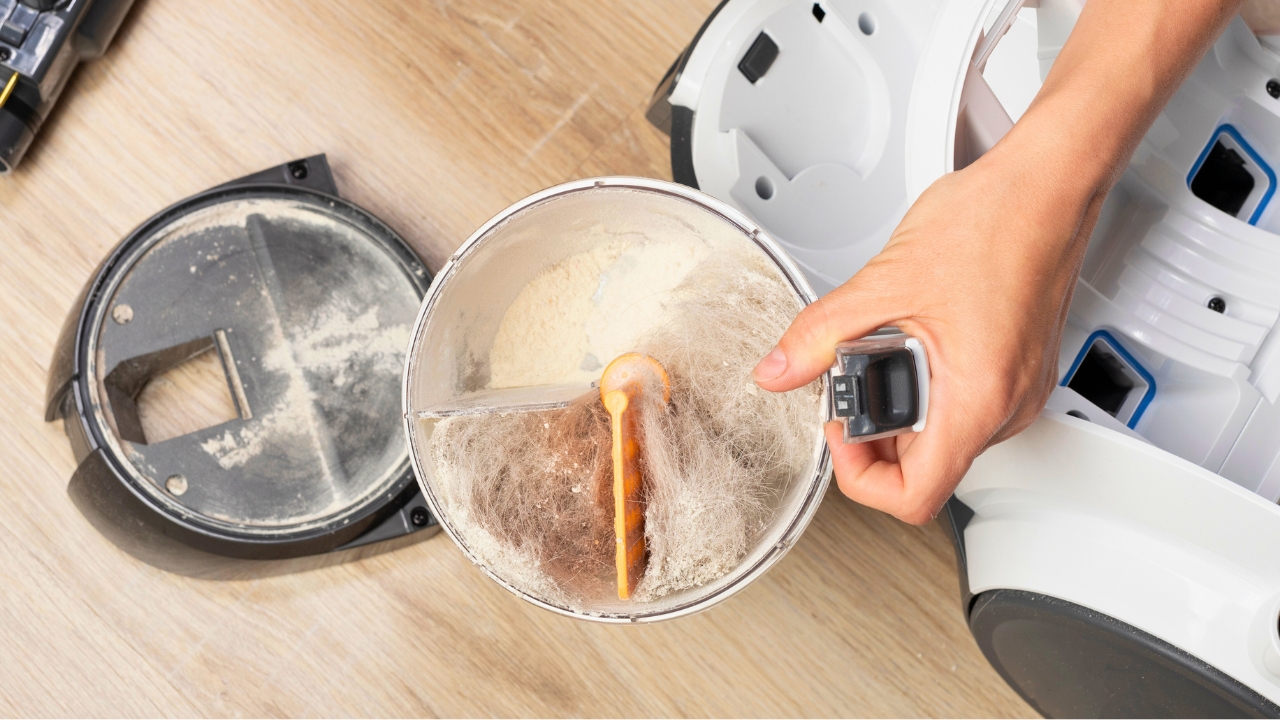
A vacuum with a full canister or clogged filter spits dust back out. You think you’re cleaning, but you’re actually blowing allergens and bacteria into the air.
Empty the canister when it’s about halfway full, and clean or swap filters often. Your vacuum works better, and your air stays cleaner.
Ignoring Your Cleaning Tools
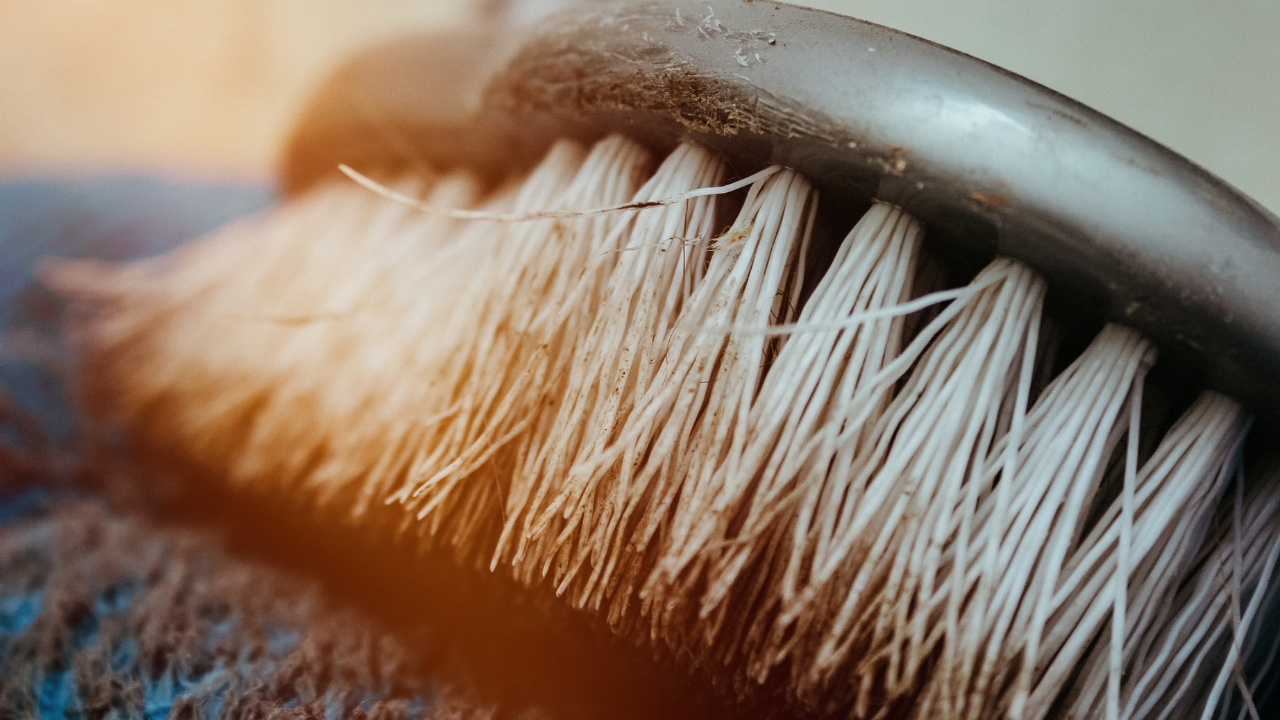
When’s the last time you washed your broom head or scrub brushes? Dirty tools spread bacteria from one job to the next.
Toss scrub brushes in the dishwasher, soak mop heads in hot soapy water, and rinse out buckets after every use. Clean tools actually clean better—go figure.
Like Fix It Homestead’s content? Be sure to follow us.