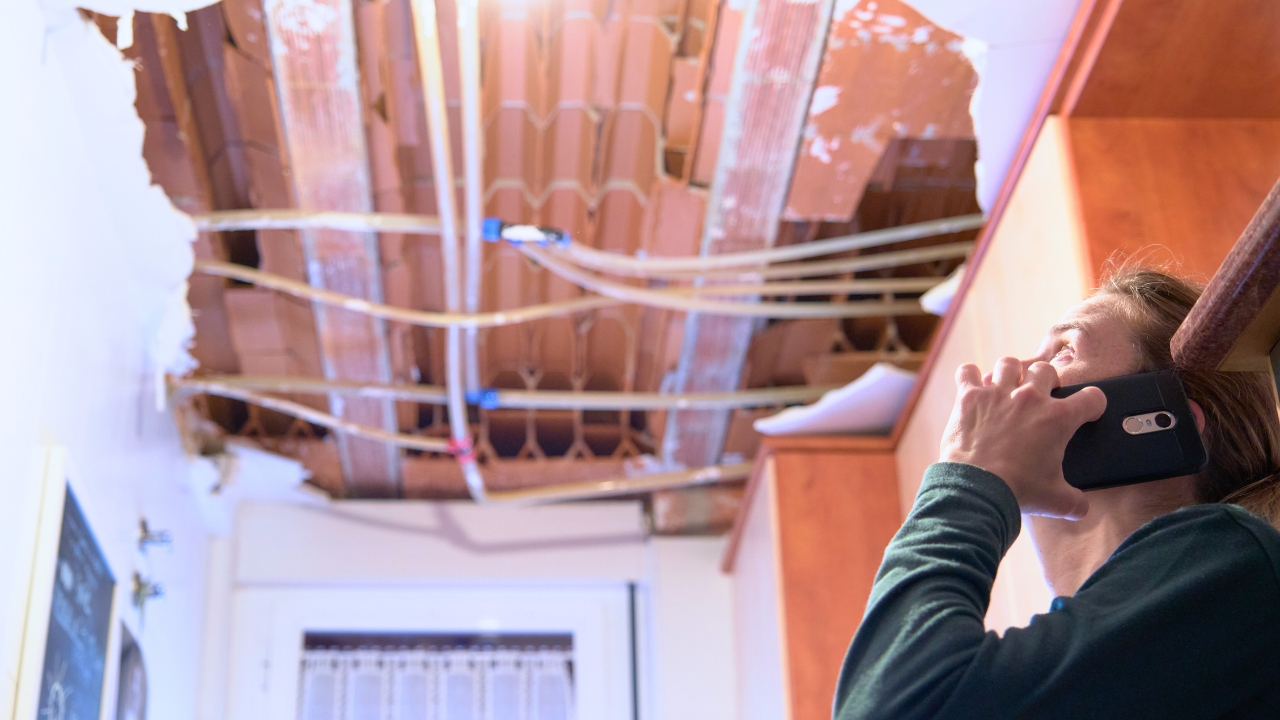
10 DIY Mistakes That Can Do Serious Damage to Your House
Photo credit: roberjzm/Shutterstock.com
Some DIY projects are harmless. If you mess up painting a wall or hanging a shelf, it’s annoying—but fixable. But there’s a whole other category of projects where getting it wrong can cause serious, expensive damage. I’m talking structural issues, water damage, electrical hazards—the kind of stuff that wrecks your house fast.
These are the DIY projects that are flat-out dangerous to tackle without the right skills. Skip them, or you might be calling a contractor and an insurance adjuster before you know it.
Removing a Load-Bearing Wall
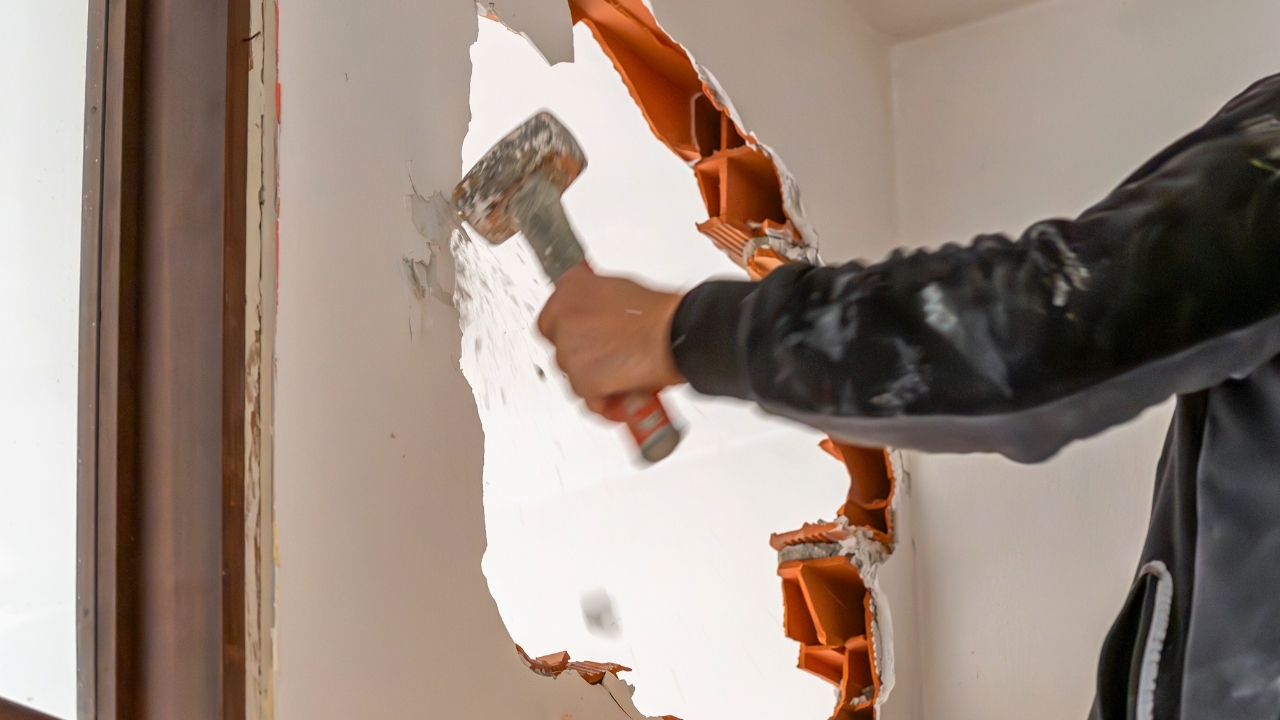
Taking out a wall seems easy until it isn’t. If it’s load-bearing, that wall is holding up part of your house. Remove it wrong, and you’re looking at sagging ceilings, cracked drywall, or even structural collapse.
It’s not always obvious which walls are load-bearing. You need to know how to read the framing layout, check joists, and calculate weight loads. This is one mistake that can tank your home’s value fast.
DIY Roof Repairs
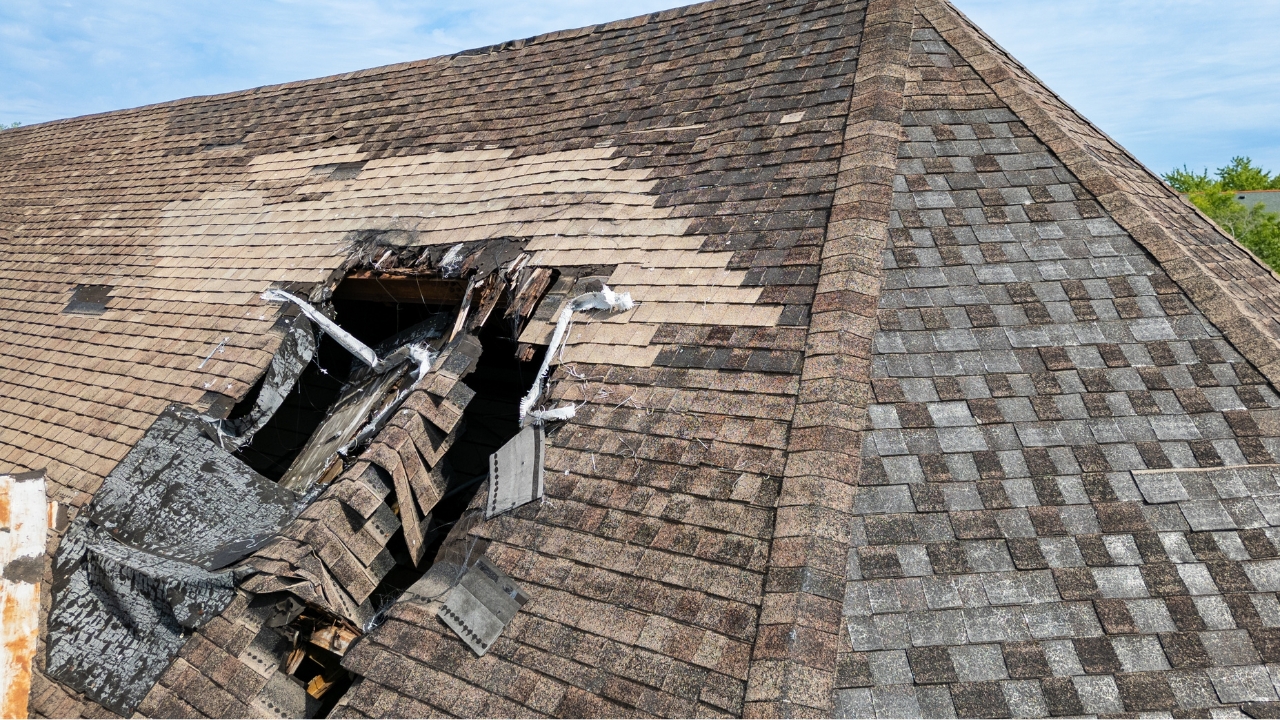
Replacing a shingle or two is one thing. But larger roof repairs or full replacements are risky. Get the slope, flashing, or underlayment wrong, and water will find its way inside.
Water damage from a bad roof job can ruin insulation, drywall, floors, and framing. Not to mention mold growth that spreads before you even realize it’s there.
Electrical Panel Work
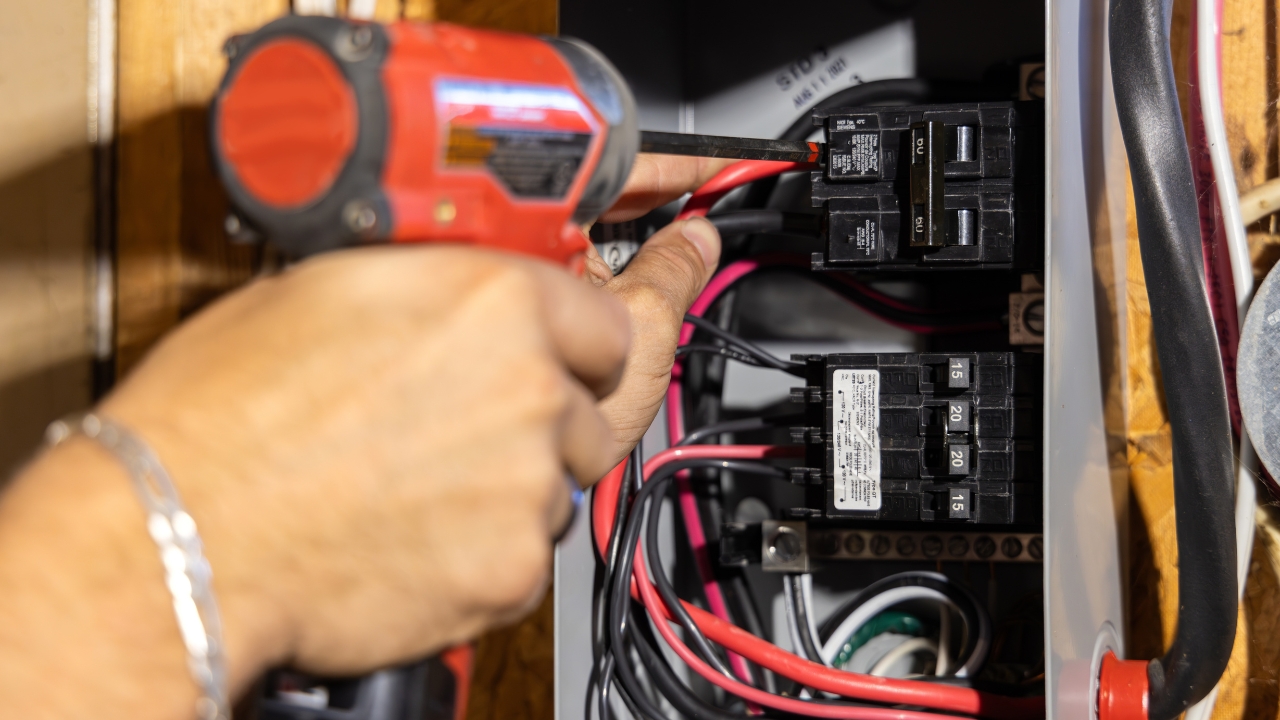
Messing with your breaker box isn’t like changing an outlet. One wrong wire can fry your electrical system—or you. Electrical fires from DIY panel work are more common than people think.
Even if it “works” afterward, bad connections, overloaded circuits, or incorrect breakers can cause long-term damage to appliances, wiring, and the panel itself.
Foundation Repairs
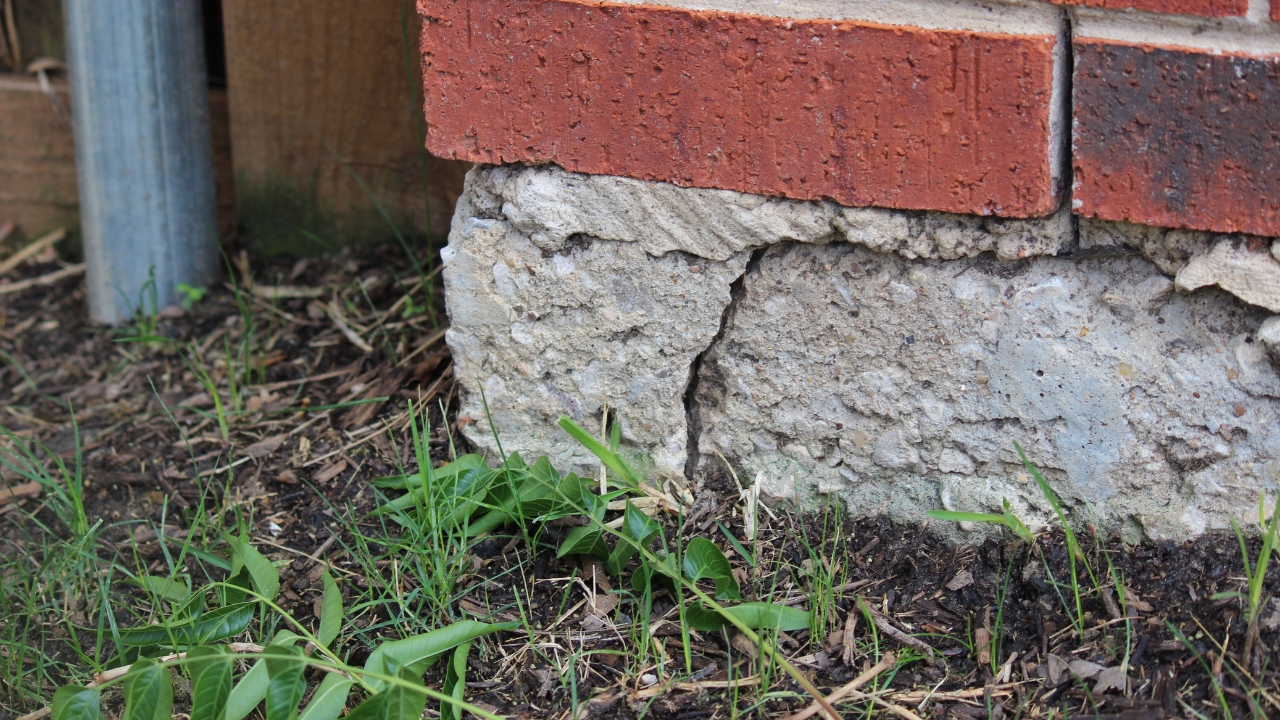
Cracks in your foundation might seem like a weekend fix with some concrete patch. But most of the time, cracks mean there’s movement, settling, or water pressure issues.
If you patch it without solving the cause, the problem spreads. Worse, doing it wrong can trap moisture, leading to even bigger structural headaches.
Rerouting Plumbing
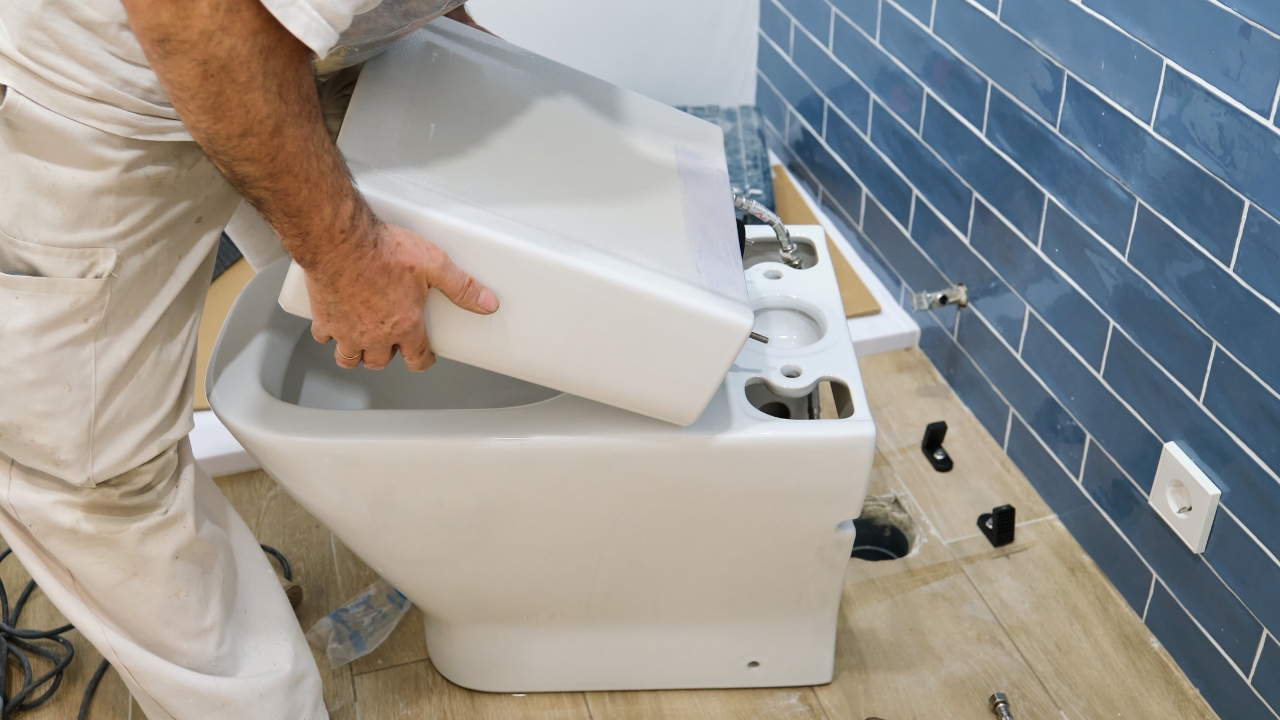
Changing where sinks, toilets, or drains are located seems manageable until you start cutting into pipes. If the slope isn’t perfect or the venting is wrong, it causes slow drains, backups, or leaks inside walls.
Water always finds the mistake. A bad plumbing job leads to hidden rot, mold, and eventually thousands in damage repairs.
Installing Windows and Doors Incorrectly

Poorly installed windows or doors don’t just look bad—they leak. Water sneaks into the frame, rots the wood, and damages the drywall and flooring before you even notice.
Missed flashing, bad caulking, or a wrong-sized frame can lead to drafts, skyrocketing energy bills, and structural rot.
Deck Building Without Permits or Proper Support

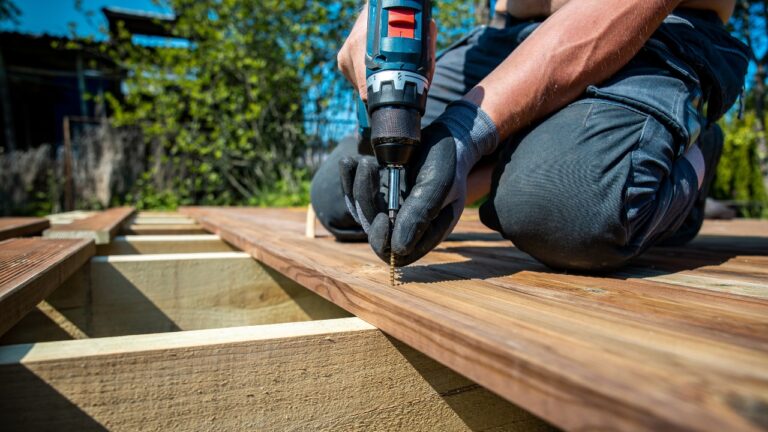
A deck looks easy—until it collapses. Undersized beams, improper footings, or bad fasteners mean the whole thing is a ticking time bomb.
Even if it doesn’t fall, decks not built to code can pull away from the house, cause water damage where they’re attached, or start sinking within a year.
DIY Chimney Repairs
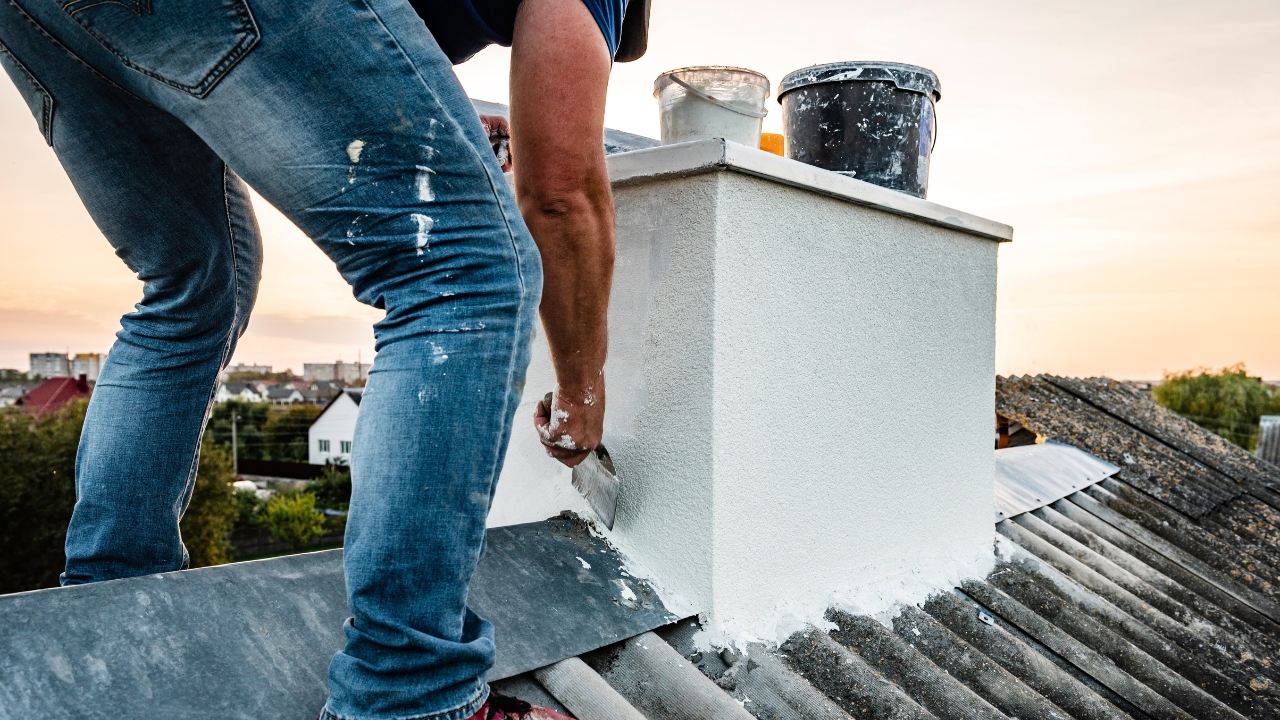
Chimneys handle fire, moisture, and wind. If flashing is done wrong or the mortar isn’t sealed correctly, water leaks straight into your attic or walls.
Worse, chimney liner damage from DIY work can lead to house fires or carbon monoxide leaks. Chimneys are way more technical than they look.
Attic Insulation Without Venting

Adding insulation sounds like a no-brainer. But do it without proper airflow, and you trap moisture in the attic. That moisture leads straight to mold, rot, and roof damage.
A bad insulation job can ruin shingles from underneath and cause hidden damage that costs thousands to fix—plus health problems from mold growth.
Like Fix It Homestead’s content? Be sure to follow us.