12 Basic Home Repairs Every Homeowner Should Know
Photo credit: Grigvovan/Shutterstock
Some home repairs are better left to the pros—but not everything. There’s a basic set of skills every homeowner should know. The kind of stuff that saves you from calling for help every time something breaks, leaks, or falls apart. Learning these repairs doesn’t just save money. It means less waiting, less stress, and a whole lot more confidence in handling everyday problems around the house.
Patching Small Holes in Drywall
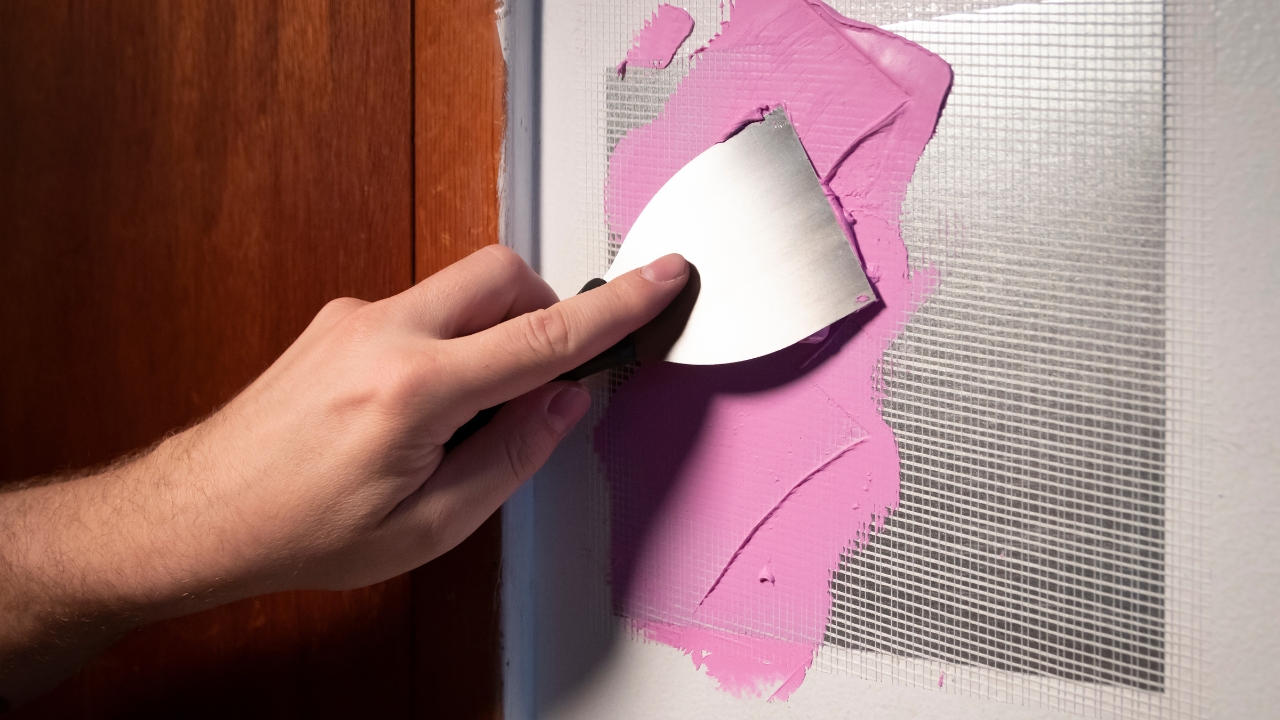
Dings, dents, and nail holes happen. Luckily, fixing them is easier than most people think. All you need is some spackle, a putty knife, and a sanding block.
If you skip this, your walls end up looking worn and neglected fast. Plus, learning to patch small holes is the first step toward tackling bigger drywall jobs down the road.
Unclogging a Drain
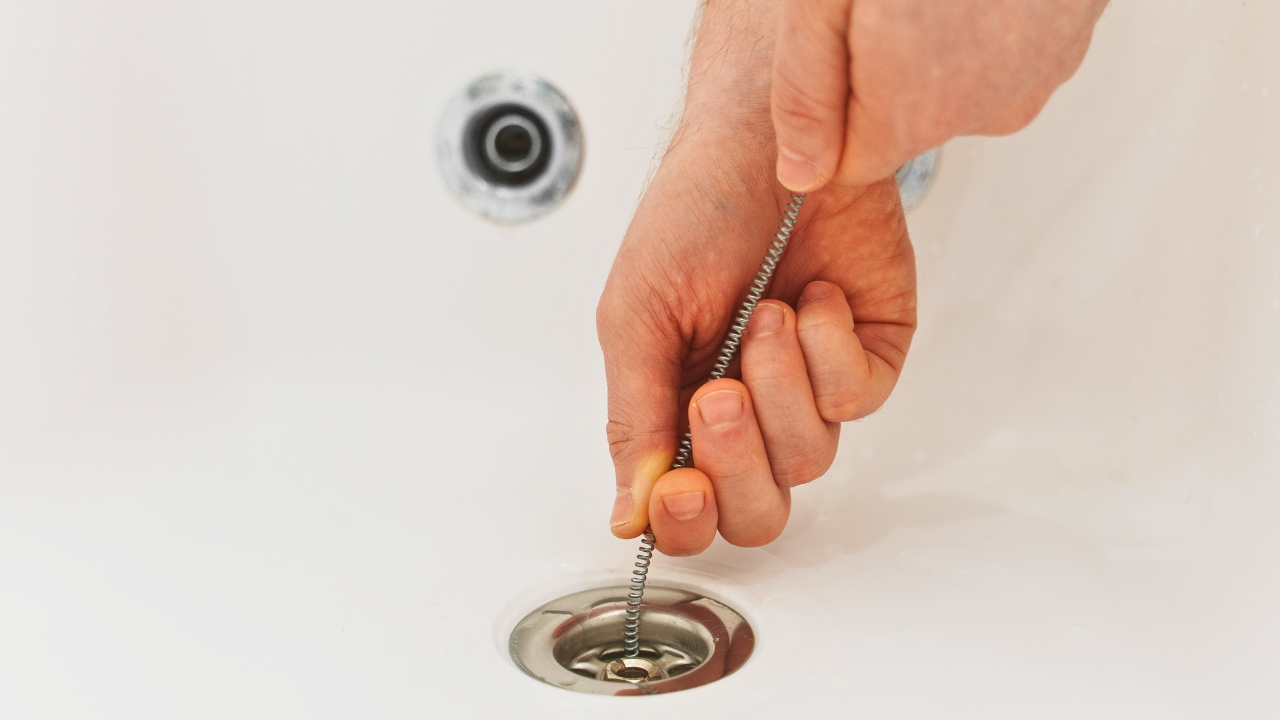
Clogs are going to happen. Hair, food, grease—you name it. Knowing how to use a drain snake or plunger correctly is a game changer.
Skip the harsh chemicals. They don’t work half as well as advertised and can wreck your pipes over time. Mechanical removal is faster, safer, and way more effective.
Resetting a Tripped Breaker

When a breaker trips, it’s tempting to panic. But most of the time, it’s a quick fix. You should know how to check the breaker box, spot the tripped switch, and reset it safely.
It’s also smart to learn why it tripped in the first place—whether it’s an overloaded circuit or something more serious that needs attention.
Stopping a Running Toilet
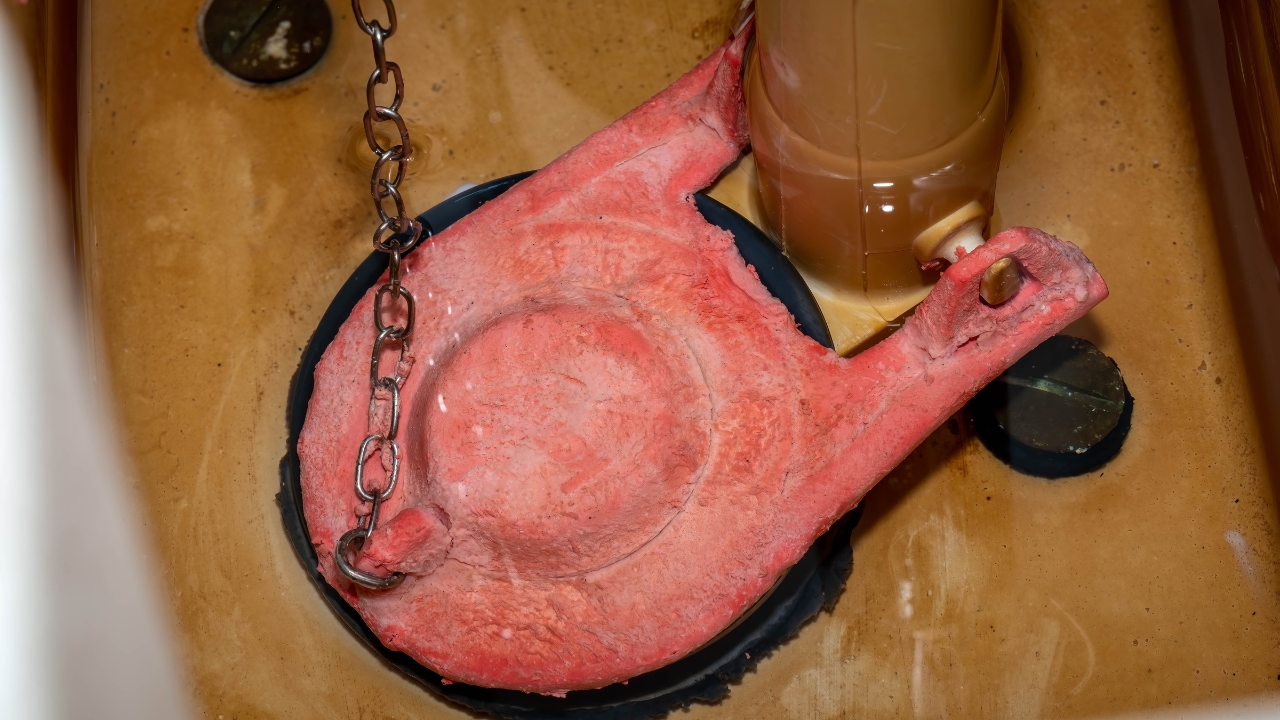
A running toilet can waste hundreds of gallons of water a day. Usually, it’s something simple like a worn flapper or a loose chain inside the tank.
The fix costs a few bucks and takes maybe 10 minutes. Ignoring it, though, runs up your water bill fast.
Replacing a Light Fixture
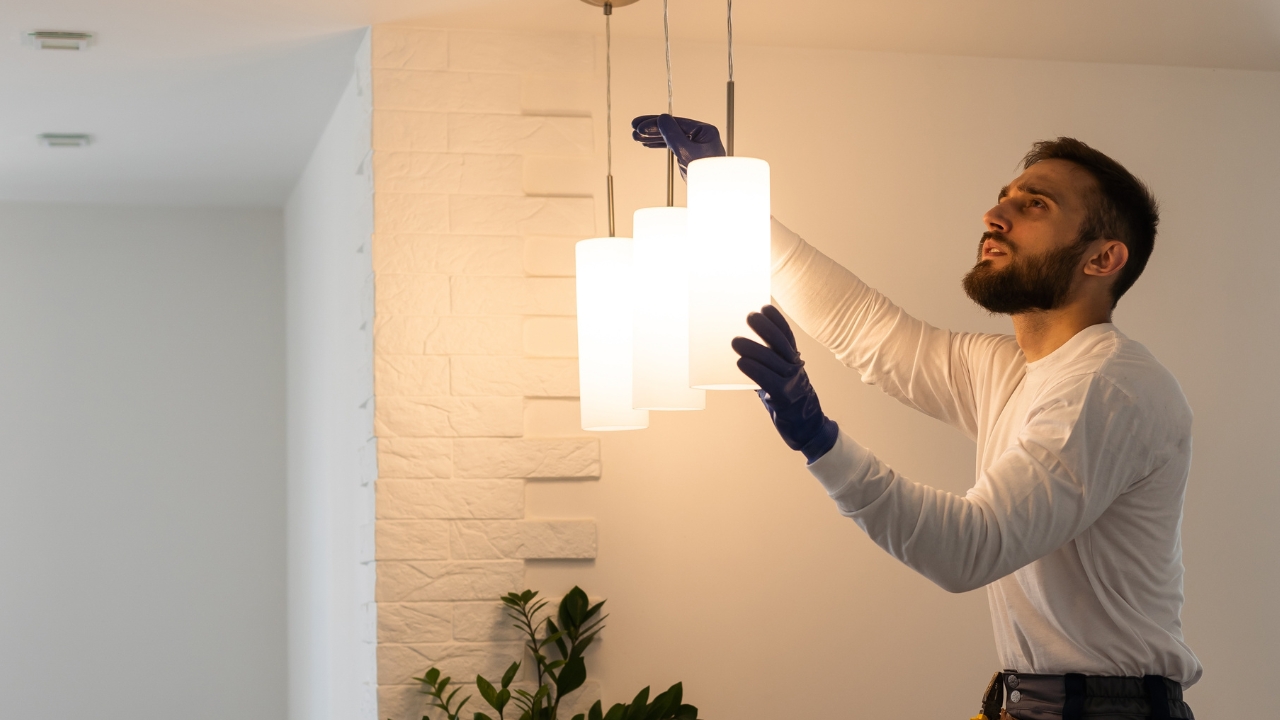
Swapping out a light fixture isn’t as scary as it seems. Flip the breaker, double-check that power’s off, and it’s a straightforward wire-for-wire swap.
This one saves a fortune over hiring an electrician for every upgrade. Plus, it’s a quick way to refresh a room.
Changing an Outlet or Switch
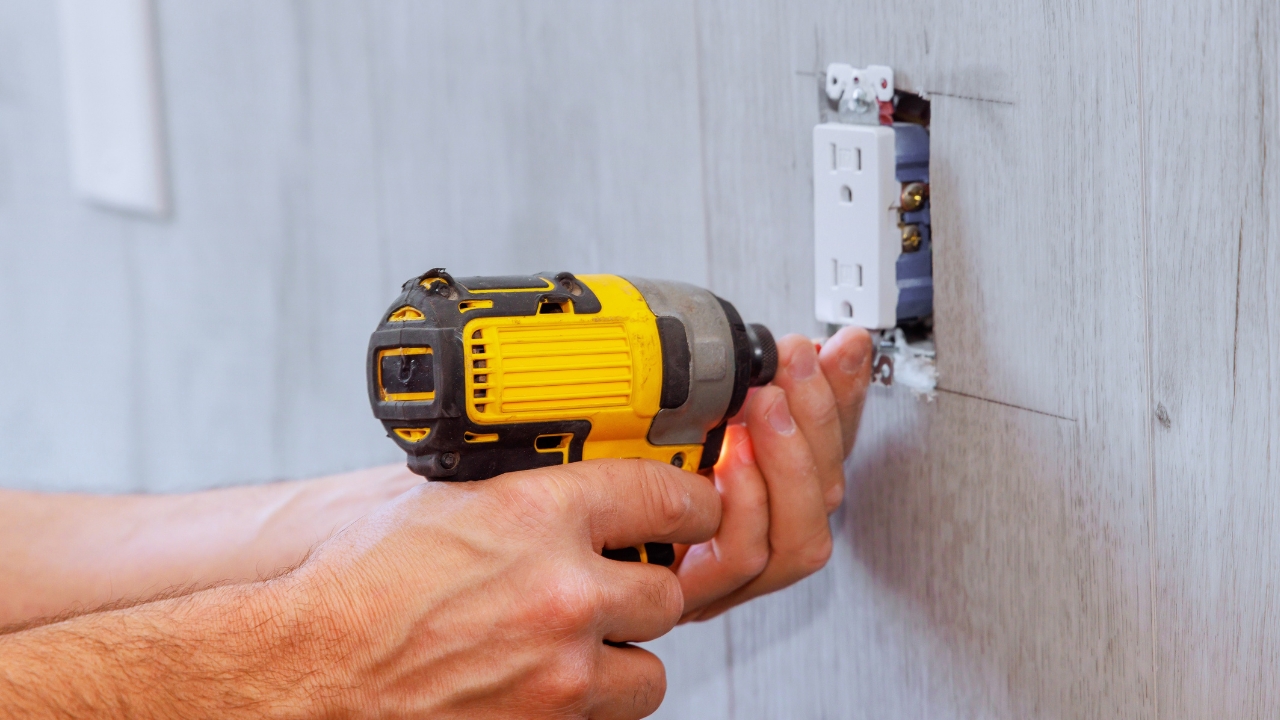
Old outlets wear out. Knowing how to replace a dead outlet or swap a switch is one of the handiest electrical fixes you can learn.
It’s safe if you shut off the breaker and double-check with a voltage tester. Once you do it once, you’ll realize how easy it actually is.
Fixing a Leaky Faucet
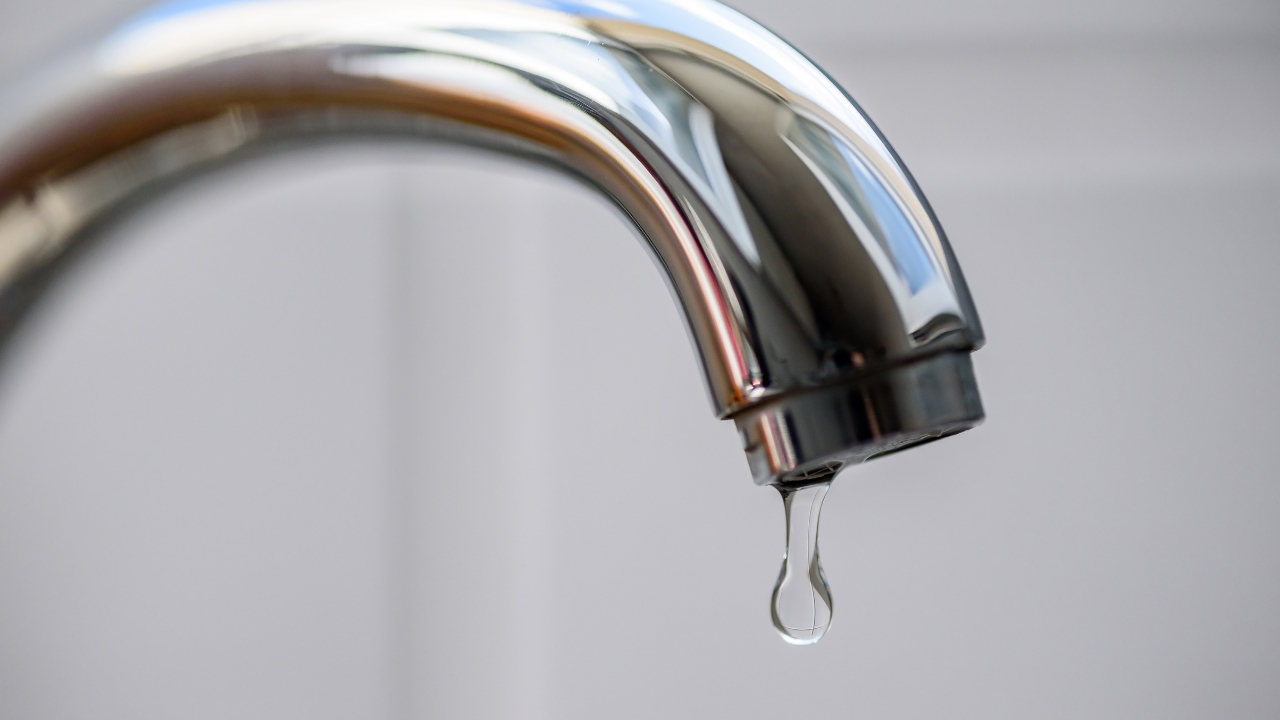
That constant drip isn’t just annoying—it adds up on your water bill. Most faucet leaks are worn washers, O-rings, or cartridges.
Basic tools and 15 to 30 minutes are all it takes to stop the drip and avoid calling a plumber for something this minor.
Cleaning Out Gutters
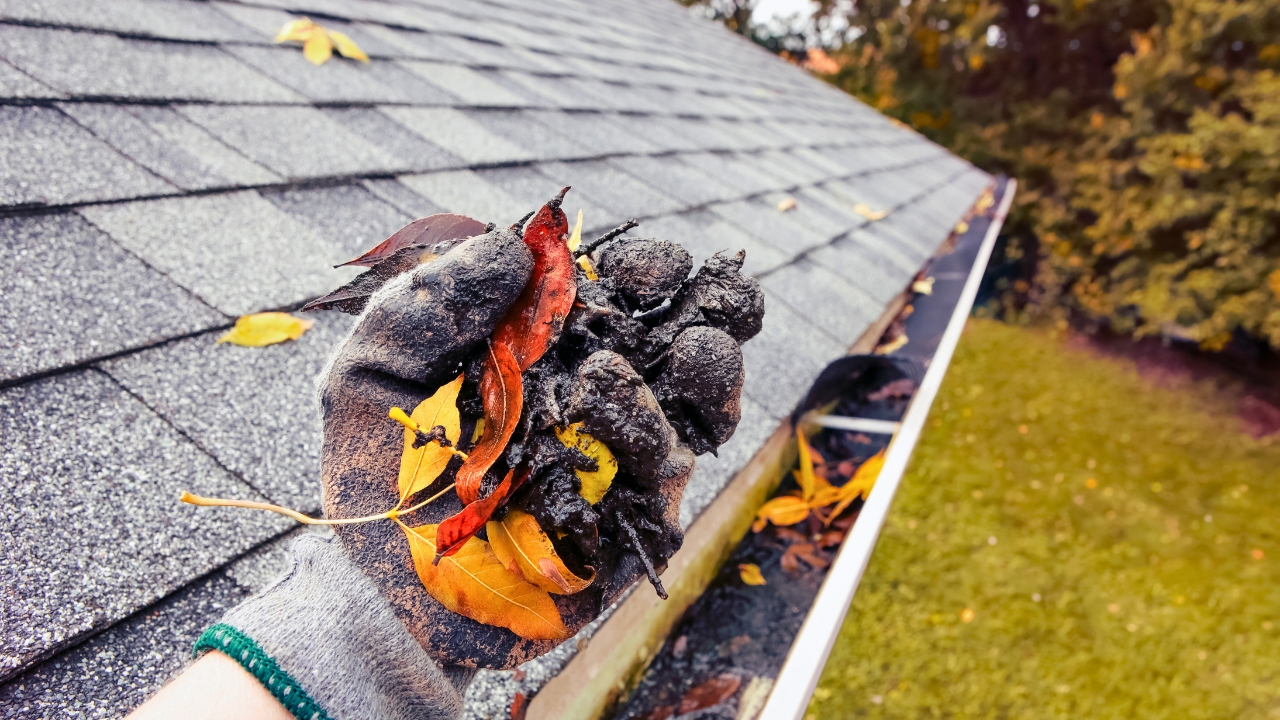
Clogged gutters cause serious water damage. Water overflows, soaks the siding, rots fascia boards, and even wrecks foundations.
You don’t need anything fancy. A ladder, gloves, and a scoop will do. Do it twice a year, and you’ll avoid thousands in repair costs later.
Replacing a Door Lock
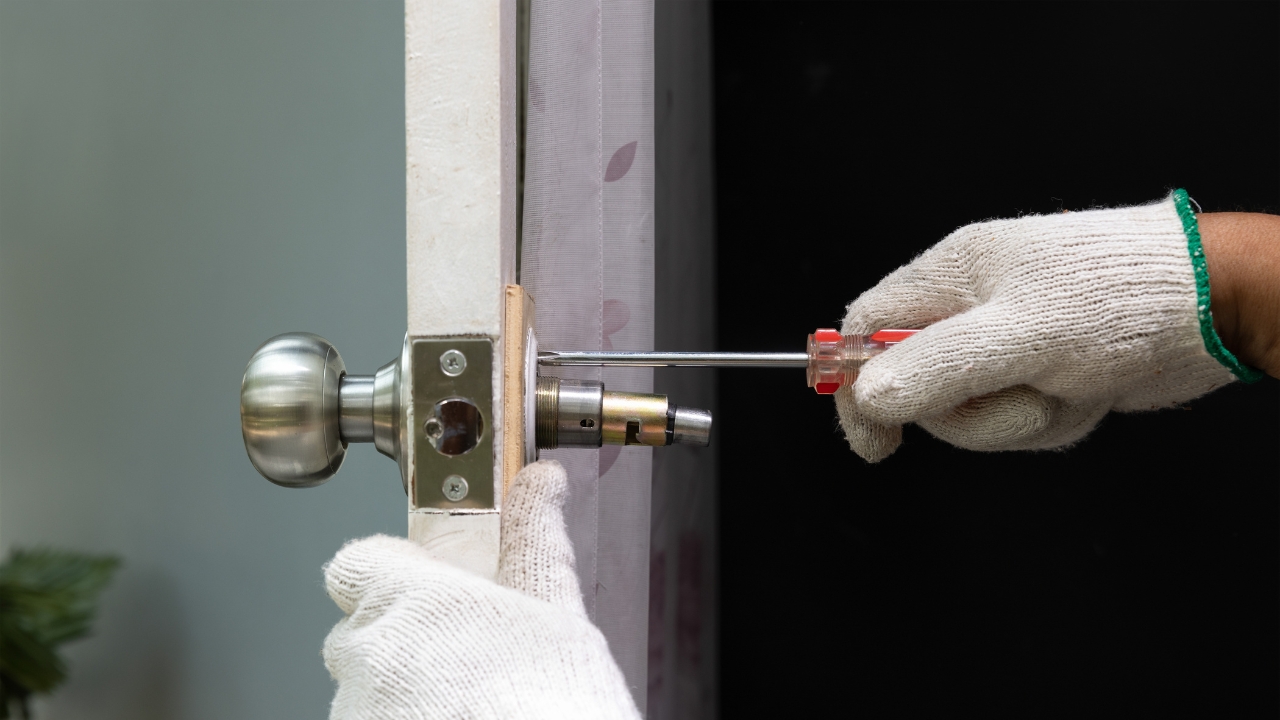
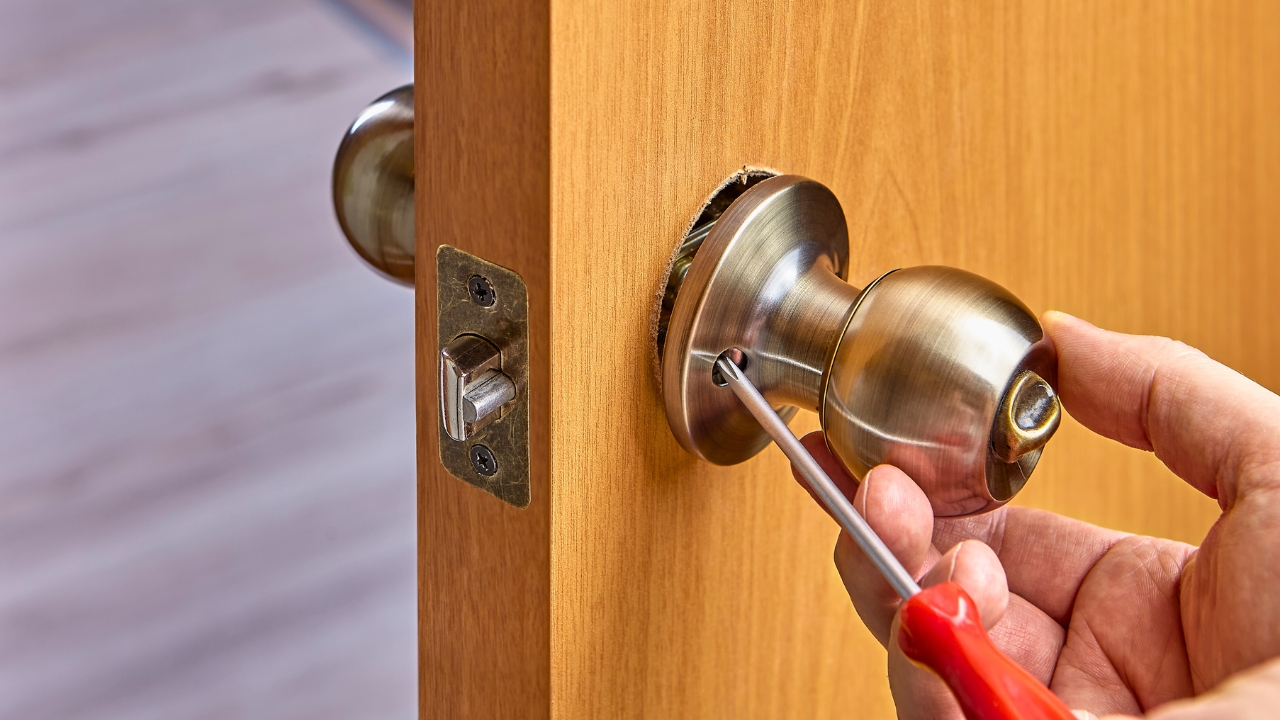
Swapping out a door knob or deadbolt is surprisingly easy. Whether it’s for a style update or added security, this is a repair every homeowner should be able to handle.
All you need is a screwdriver and about 10 minutes. Plus, you won’t have to wait on a locksmith next time something breaks.
Caulking Around Sinks, Tubs, and Windows
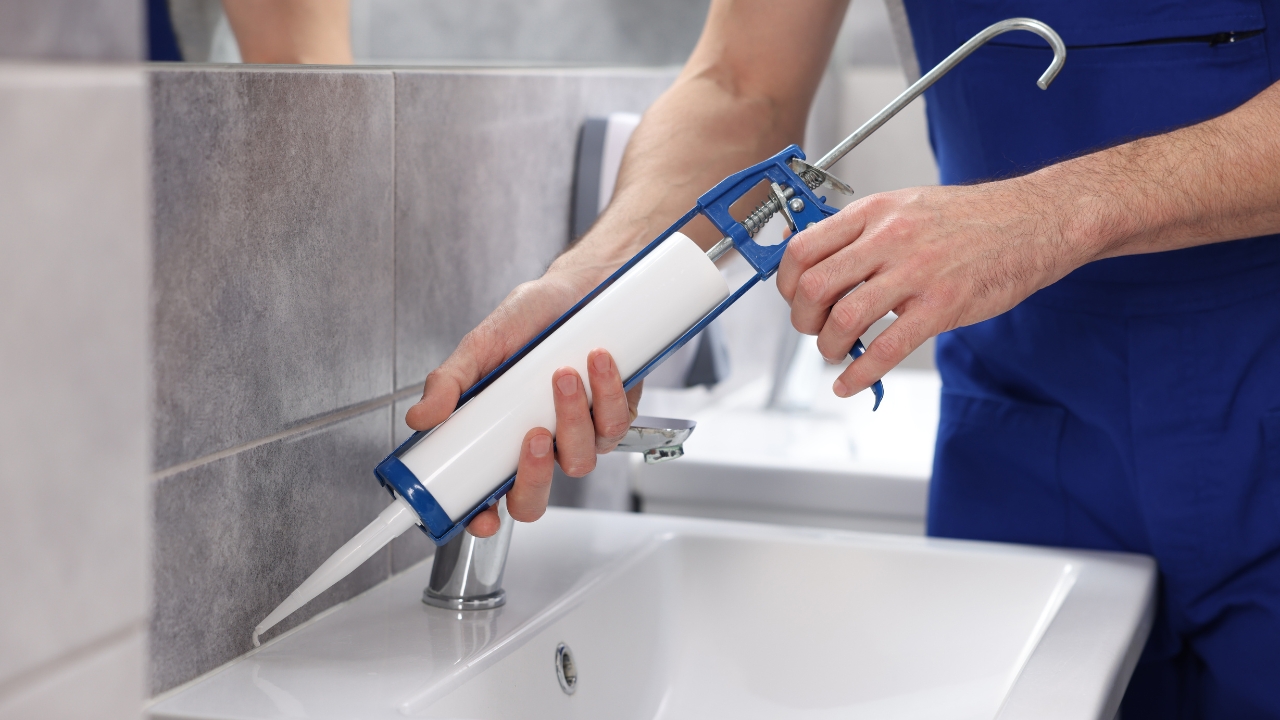
Old caulk breaks down, letting water sneak behind surfaces where it doesn’t belong. That’s how you end up with rot and mold.
Removing old caulk and laying a new bead is quick and cheap. Plus, it instantly makes a kitchen or bathroom look cleaner and newer.
Fixing a Loose Toilet Seat

It seems minor until it starts sliding around every time someone sits down. Most loose seats are caused by worn-out bolts or nuts underneath.
It’s usually a hand-tighten or simple replacement job that takes five minutes—and saves you from the embarrassment of a wobbly toilet.
Touching Up Paint and Trim

Scuffed walls, chipped trim, and scraped baseboards make a house look tired fast. Keeping a small stash of leftover paint for touch-ups is a smart move.
Knowing how to do a clean, crisp touch-up means your home stays looking fresh without repainting entire rooms.
Like Fix It Homestead’s content? Be sure to follow us.