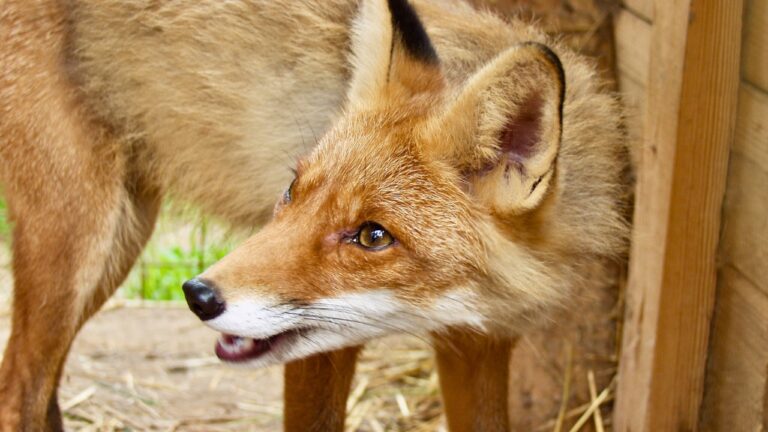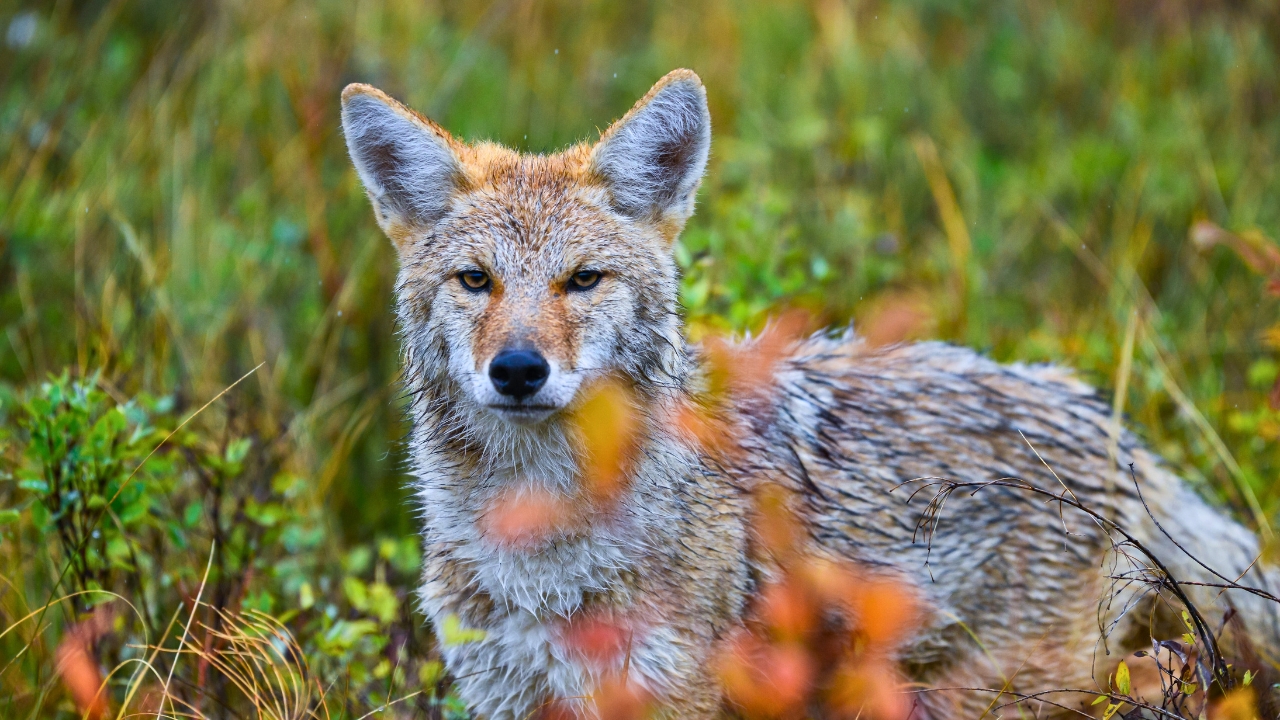
How to Keep Coyotes, Raccoons, and Other Predators Off Your Property
Photo credit: Sergey Demo SVDPhoto/Shutterstock.com
Coyotes, raccoons, foxes, and other predators can cause way more damage than most people realize. They dig through trash, harass pets, raid chicken coops, and even ruin gardens. Once they figure out your property has easy meals or safe hiding spots, getting rid of them isn’t so simple.
The trick is making your property uninviting before they settle in. Most of it comes down to cutting off food, water, and shelter—and being consistent about it.
Secure Your Trash

If there’s one thing that brings in raccoons and coyotes fast, it’s garbage. Loose lids, ripped bags, or even overflowed bins are all an open invitation.
Use heavy-duty trash cans with locking lids. Store them in the garage or inside a shed if possible. Even rinsing out food containers before tossing them can make a huge difference.
Lock Down Pet and Livestock Feed
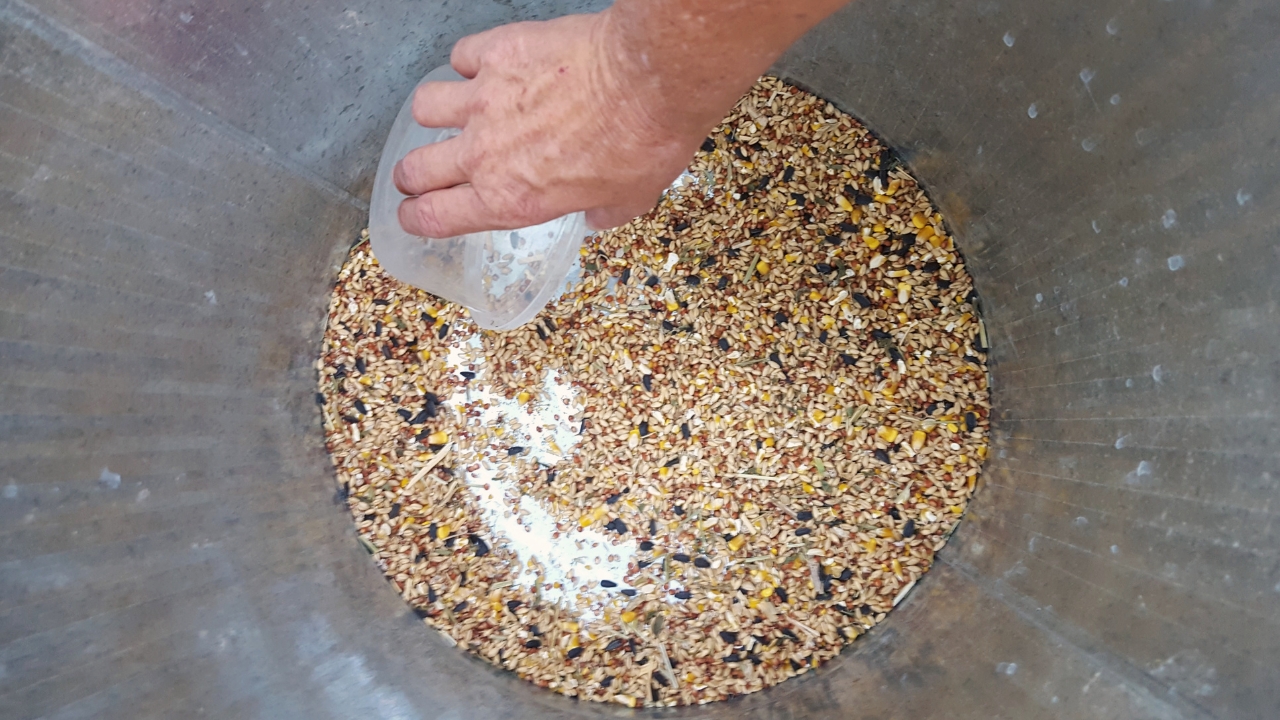
Feed left out—even for a short time—is like ringing the dinner bell for every predator within sniffing range. That includes dog food, chicken feed, and even wild bird seed.
Use sealed metal bins for storage, not plastic. Feed pets indoors, and only put out enough chicken feed for what gets eaten during the day. Anything left overnight is fair game for raccoons and coyotes.
Close Off Crawl Spaces
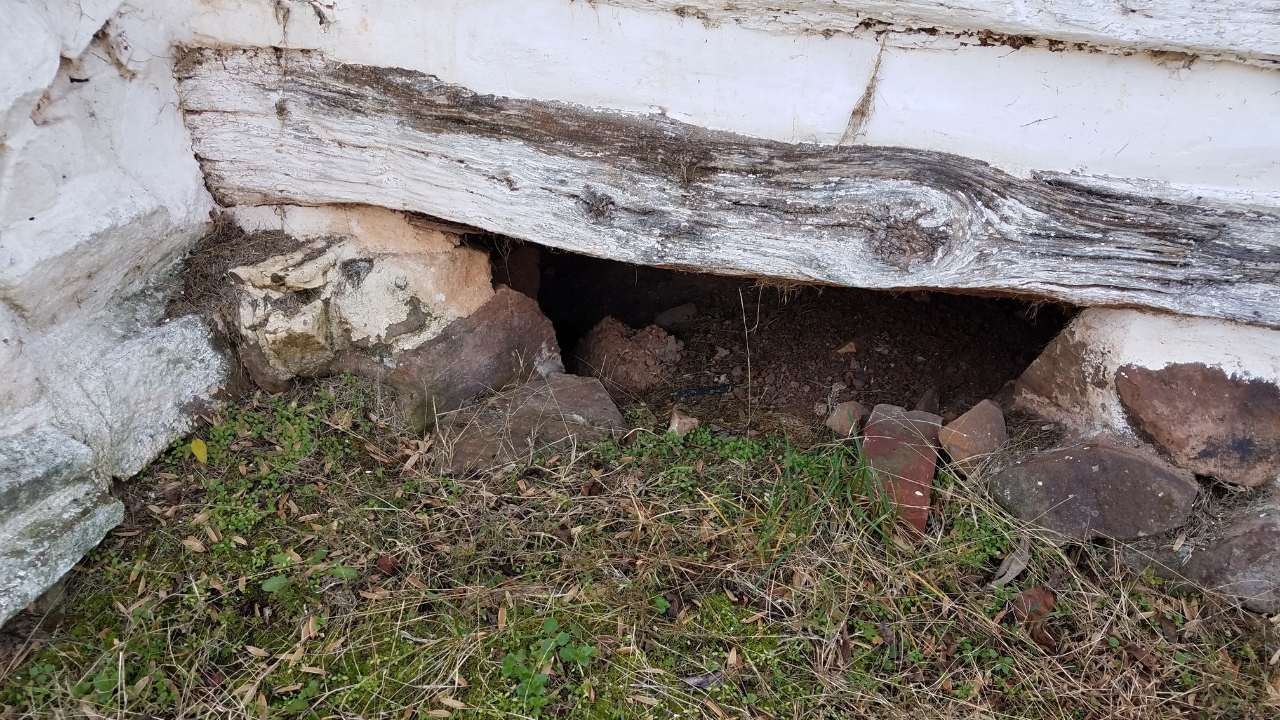
Coyotes might not squeeze under your porch, but raccoons, skunks, and opossums absolutely will. Any gap under buildings is prime shelter.
Skirt sheds, decks, and porches with hardware cloth or welded wire. Make sure it’s buried a few inches underground to stop digging. Check regularly for new holes or signs of damage.
Manage Compost Properly

An open compost pile with food scraps will attract wildlife like crazy. Even “compost-safe” scraps are still food to a hungry raccoon.
Use a closed compost bin or tumbling composter. Avoid adding meat, dairy, or anything with grease. If you do traditional pile composting, cover it with a tarp and bury food scraps deep within.
Install Motion-Activated Lights
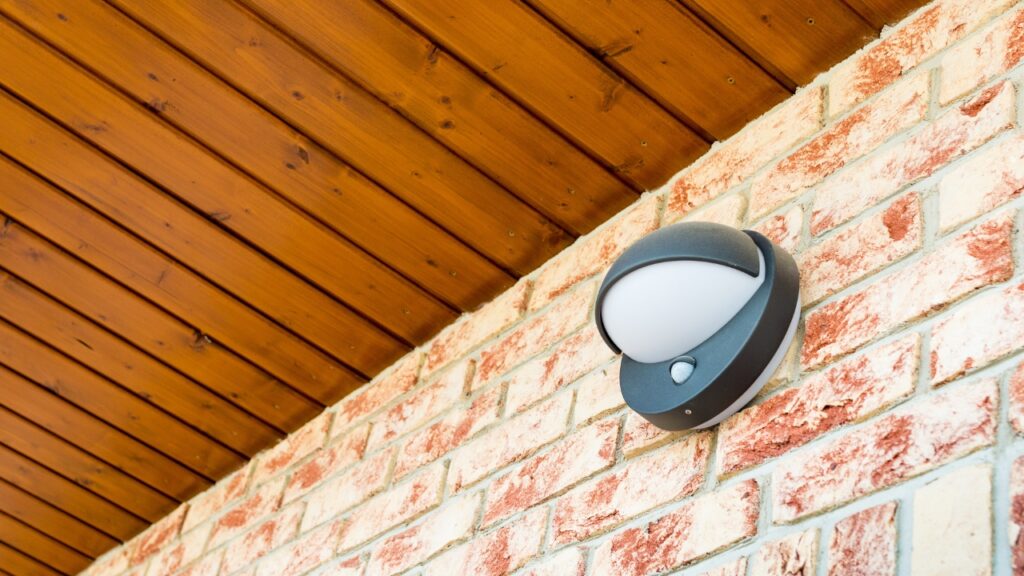
Coyotes and raccoons both prefer sneaking around in the dark. Sudden lights can startle them and send them running.
Set up motion-activated floodlights around the areas they’re likely to visit—near coops, trash, gardens, or backyards. Solar-powered lights work fine in most cases if electricity’s an issue.
Use Predator Deterrent Devices
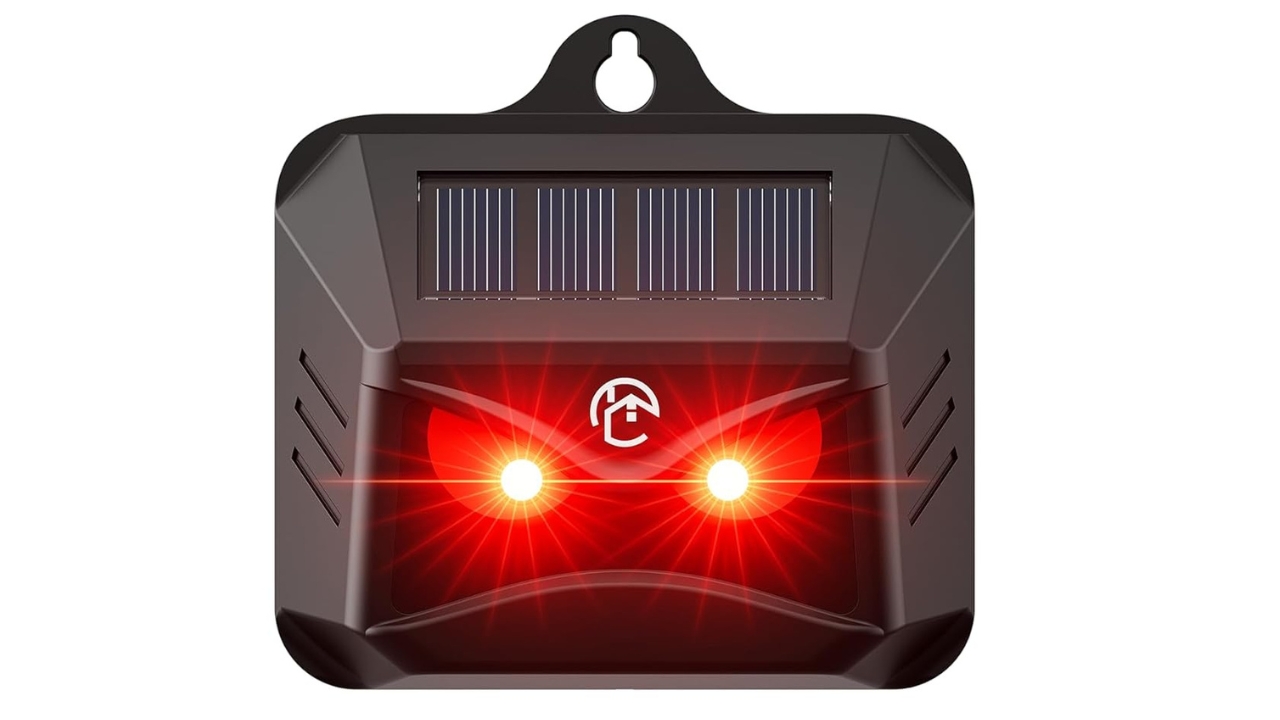
There are a ton of solar-powered deterrent gadgets that flash red lights at night to mimic the eyes of a bigger predator. They actually work pretty well for coyotes.
You can also try ultrasonic repellents or motion-triggered sprinklers. None are perfect alone, but paired with other steps, they’re a solid extra line of defense.
Fence It Right
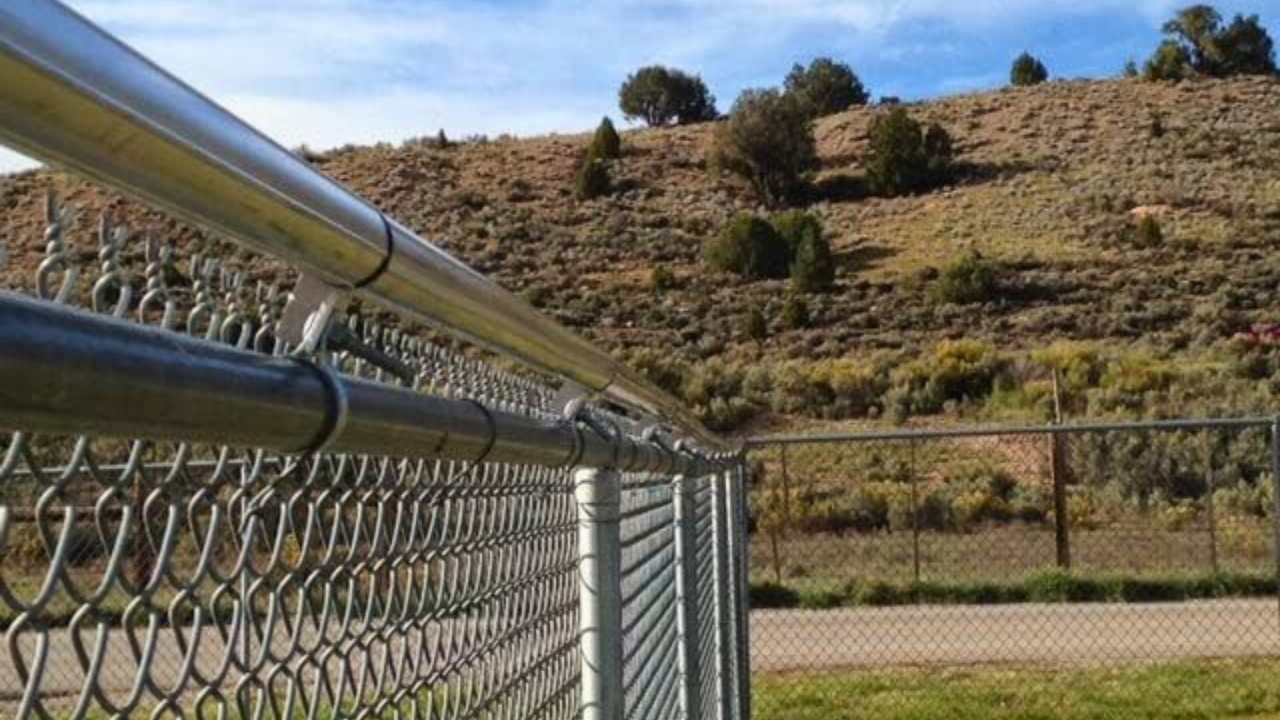
A regular fence won’t keep coyotes out unless it’s tall and secure. They’re excellent jumpers and climbers.
Go at least 6 feet tall with no gaps at the bottom. For serious coyote problems, use a coyote roller (a spinning bar that mounts to the top of the fence) to stop them from getting a grip when they try to climb.
Remove Water Sources

Bird baths, pet water bowls, dripping faucets, or standing water attract more than bugs. Every animal needs water, especially during dry spells.
Dump water bowls at night, fix leaky spigots, and empty anything that collects rainwater. This is one of the most overlooked reasons predators hang around.
Clean Up Fallen Fruit and Garden Scraps
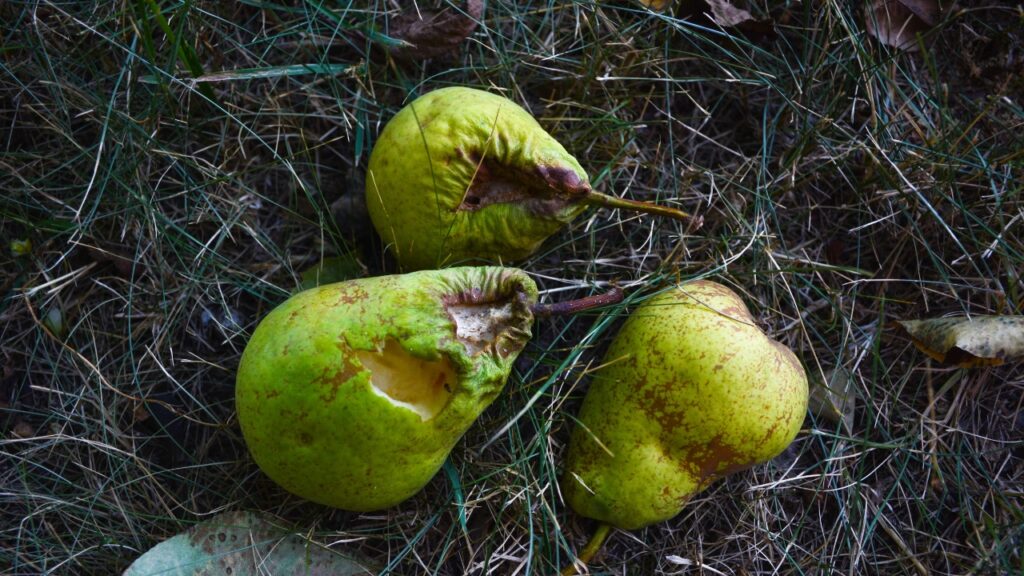
If you’ve got fruit trees, a vegetable garden, or even berry bushes, anything that drops to the ground can pull predators in.
Rake up fallen fruit regularly and pick produce as soon as it’s ripe. Fencing off gardens helps, but removing easy snacks is what really works.
Protect Your Chickens (And Other Livestock)
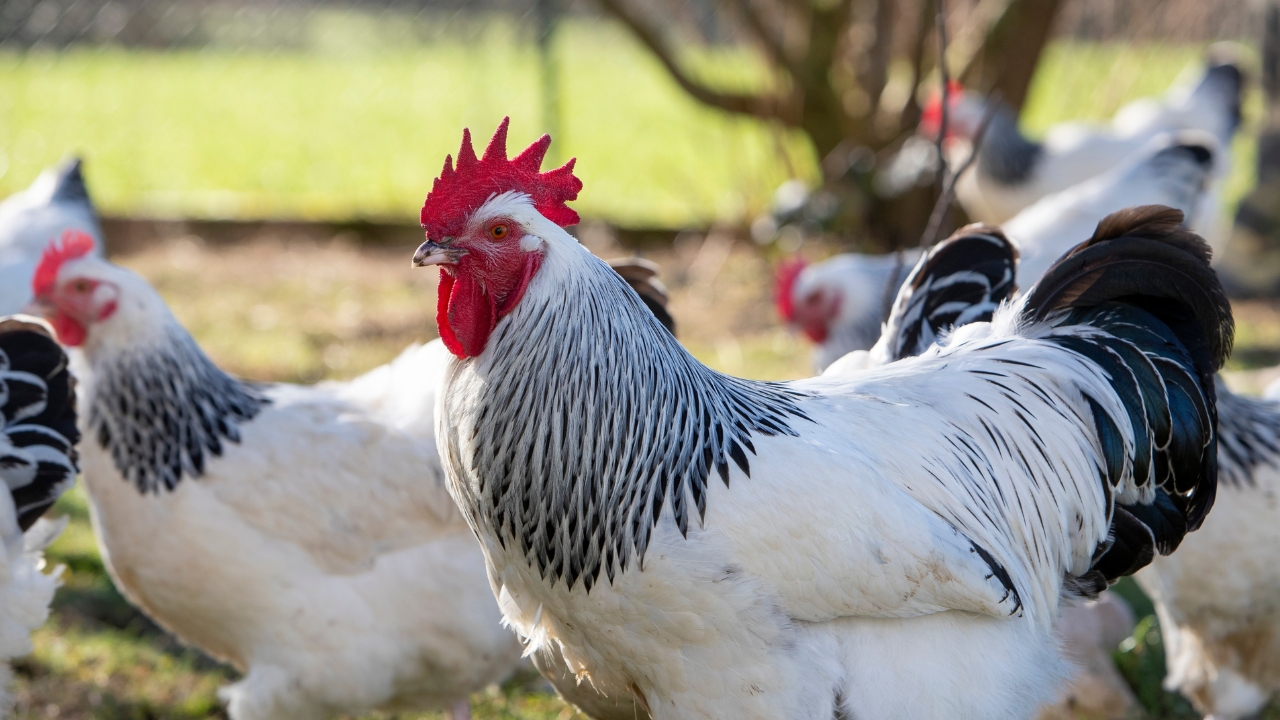
Once predators figure out where the chickens are, they don’t stop until something changes. Flimsy wire or makeshift coops won’t cut it.
Use hardware cloth, not chicken wire. Bury fencing at least a foot down to stop digging, and make sure the top is covered. Lock animals in at dusk without fail—every single night.
Like Fix It Homestead’s content? Be sure to follow us.