7 Things to Check Before Lighting the Fire Pit This Summer
Photo credit: ShyLama Productions/Shutterstock.com
A fire pit can be the best part of summer evenings—until something goes wrong. Whether it’s a loose spark, a crumbling base, or old ashes that never got cleaned out, skipping a quick check can turn a relaxing night into a headache.
Before you strike a match, take a few minutes to make sure your setup is safe and ready to go. These are the things worth checking every single time.
Make Sure the Area Is Clear
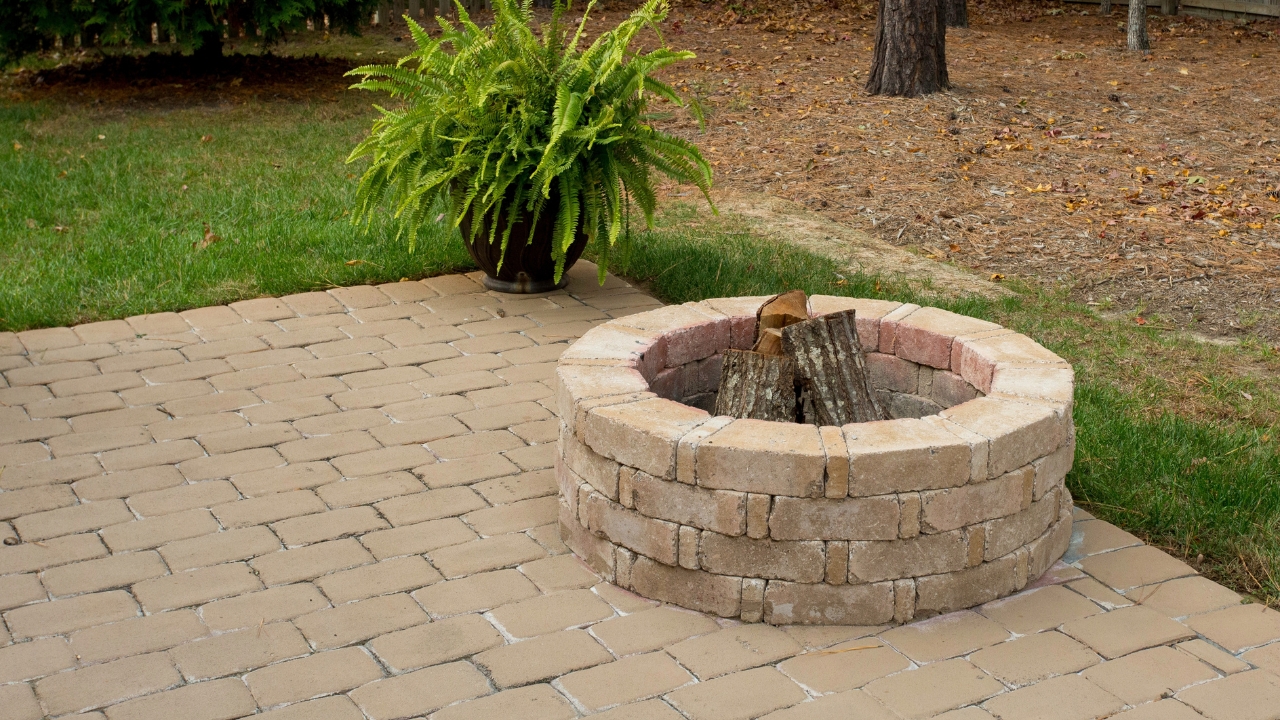
Before lighting anything, double-check the space around your fire pit. Dry grass, leaves, overhanging branches, or furniture that’s too close can all be fire hazards.
Clear at least a 10-foot radius, and don’t skip it just because you “did it last time.” Wind direction can change fast, and stray sparks don’t need much to catch. If it’s been a while since you’ve used the fire pit, it’s even more important to do a full sweep.
Check for Burn Bans
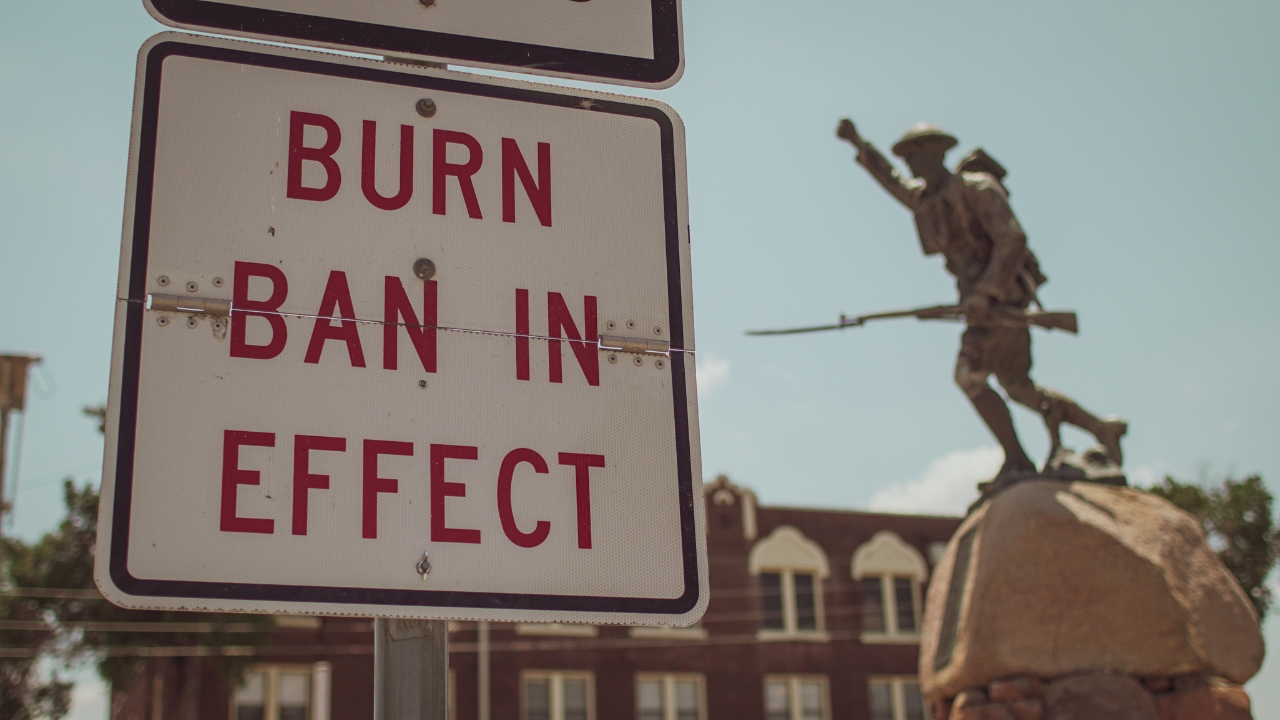
During dry months, counties and cities can issue burn bans without much warning. These are serious and often come with steep fines.
Even if you’re using a backyard pit and not burning trash, you’re still subject to the rules. Look up your local burn status before you light anything. If the area’s under a ban, skip the fire that night—it’s not worth the risk.
Inspect the Fire Pit for Cracks or Rust
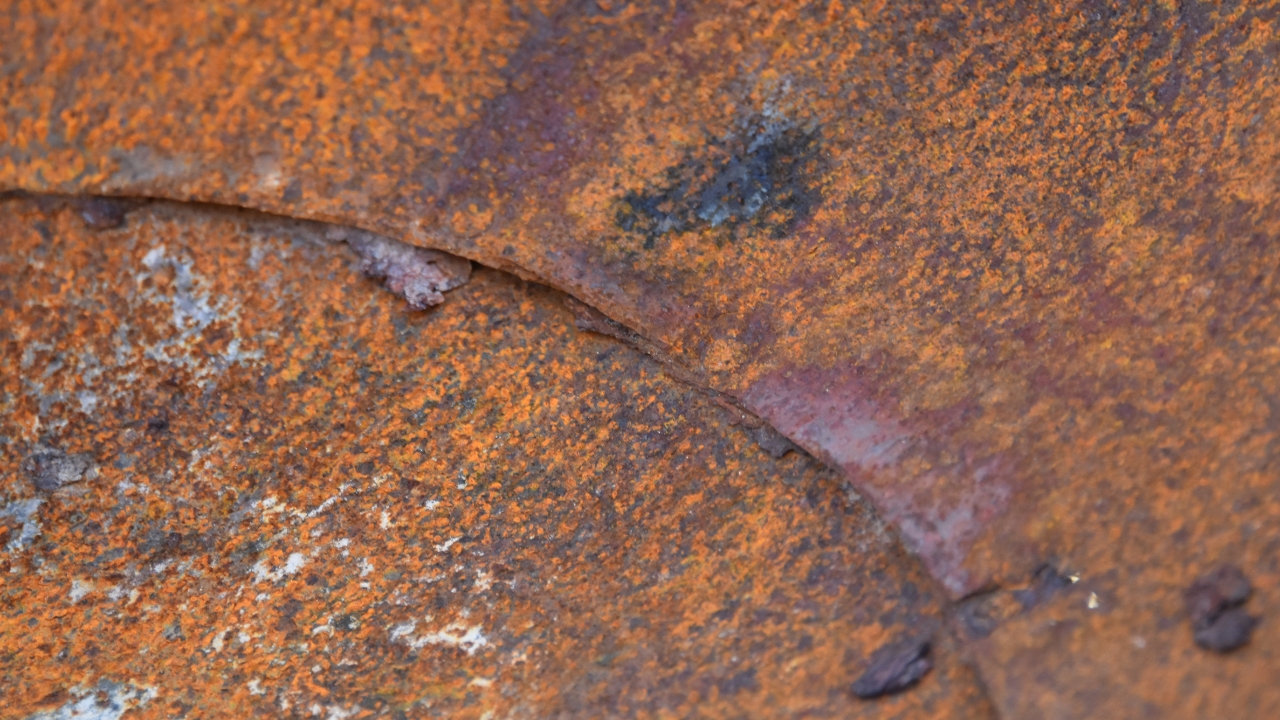
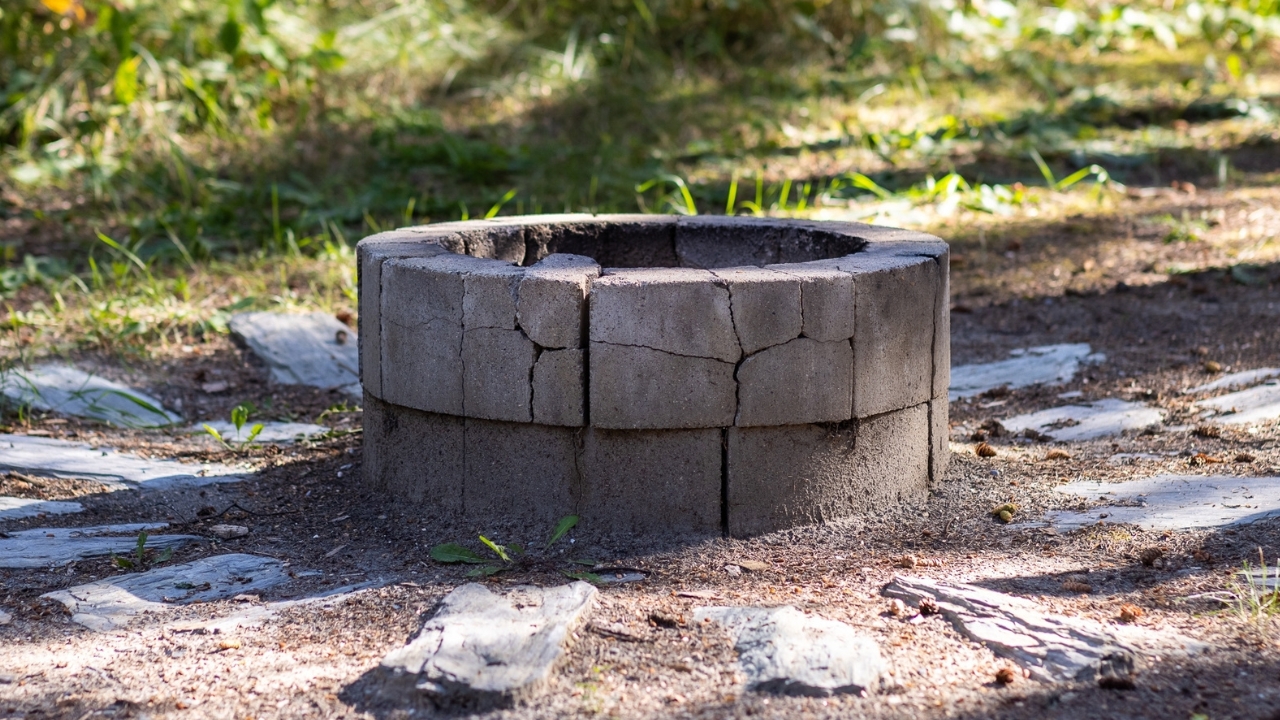
If your fire pit is made of metal or stone, it’s prone to wear over time. Cracks, rust spots, or warped panels can weaken the whole structure.
Even small damage can become a problem when things heat up. Do a once-over before each use and patch or replace anything that looks compromised. A collapsed pit or cracked ring can scatter embers fast.
Clean Out Old Ash and Debris
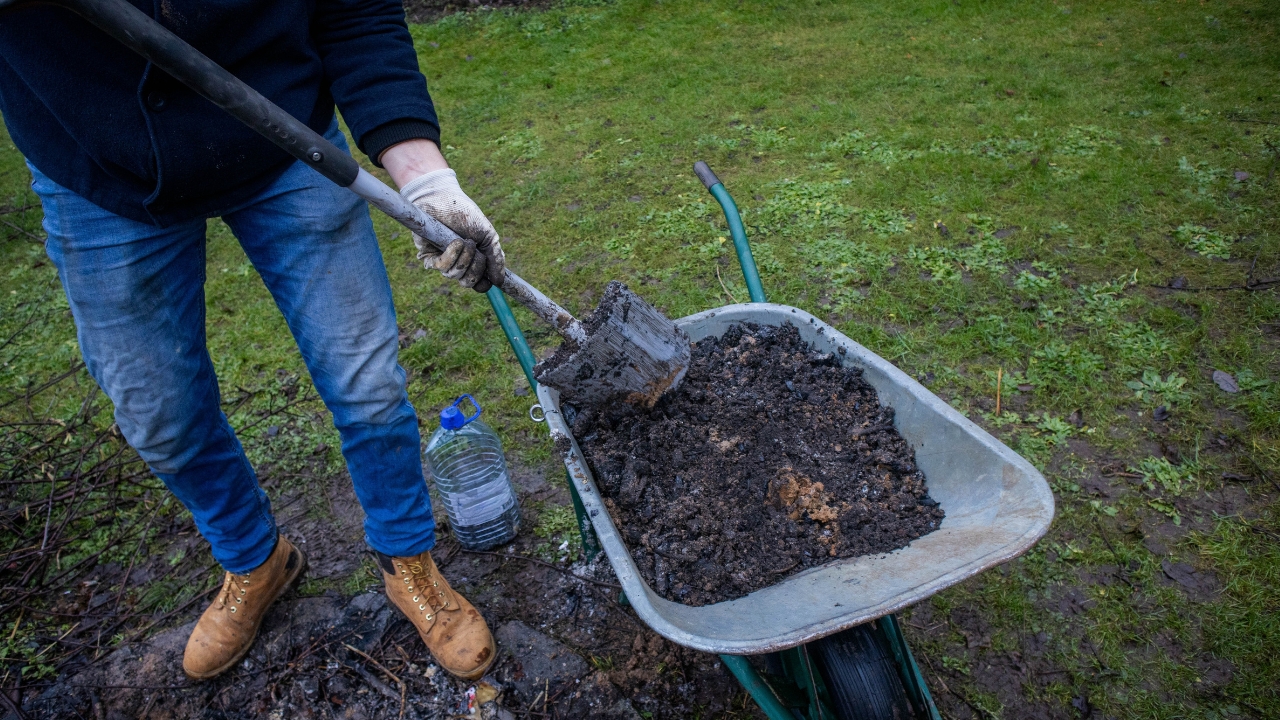
Leftover ash and half-burned wood might not seem like a big deal, but they affect airflow and can smother your new fire—or reignite unexpectedly.
Scoop out anything left from previous burns and give the base a clean slate. Be sure to check for trash, wrappers, or food scraps that could attract pests or burn in ways you don’t want.
Have Water or Sand Nearby
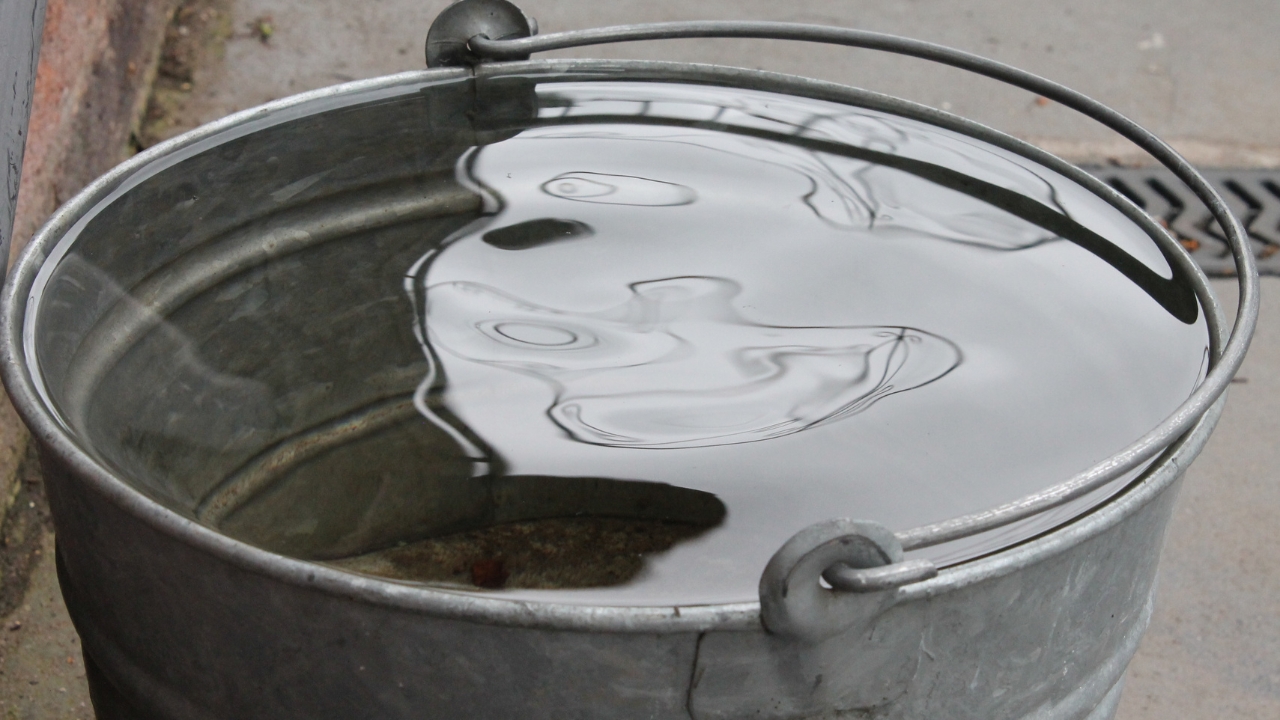
Even if you’re careful, things can still go sideways. Keeping a hose, water bucket, or a container of sand nearby is a basic safety step that too many people skip.
Don’t rely on running back into the house if something flares up. Have your extinguishing method ready and within arm’s reach before you light the first match.
Watch for Windy Conditions
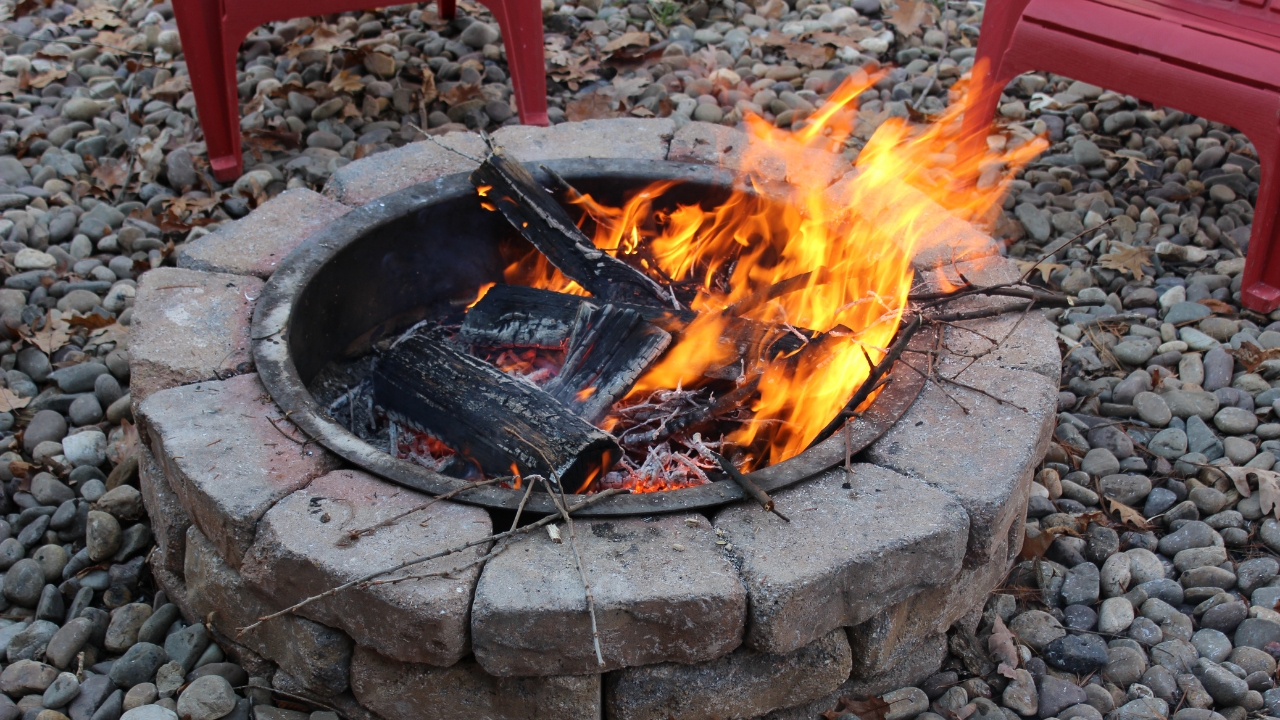
Wind changes how a fire behaves—and not in a good way. It can spread embers quickly and blow smoke right into your seating area.
Check the forecast and avoid lighting the fire if winds are strong or unpredictable. Even a light breeze can get annoying fast, especially if you’re using softwoods that pop or spark.
Use the Right Fuel
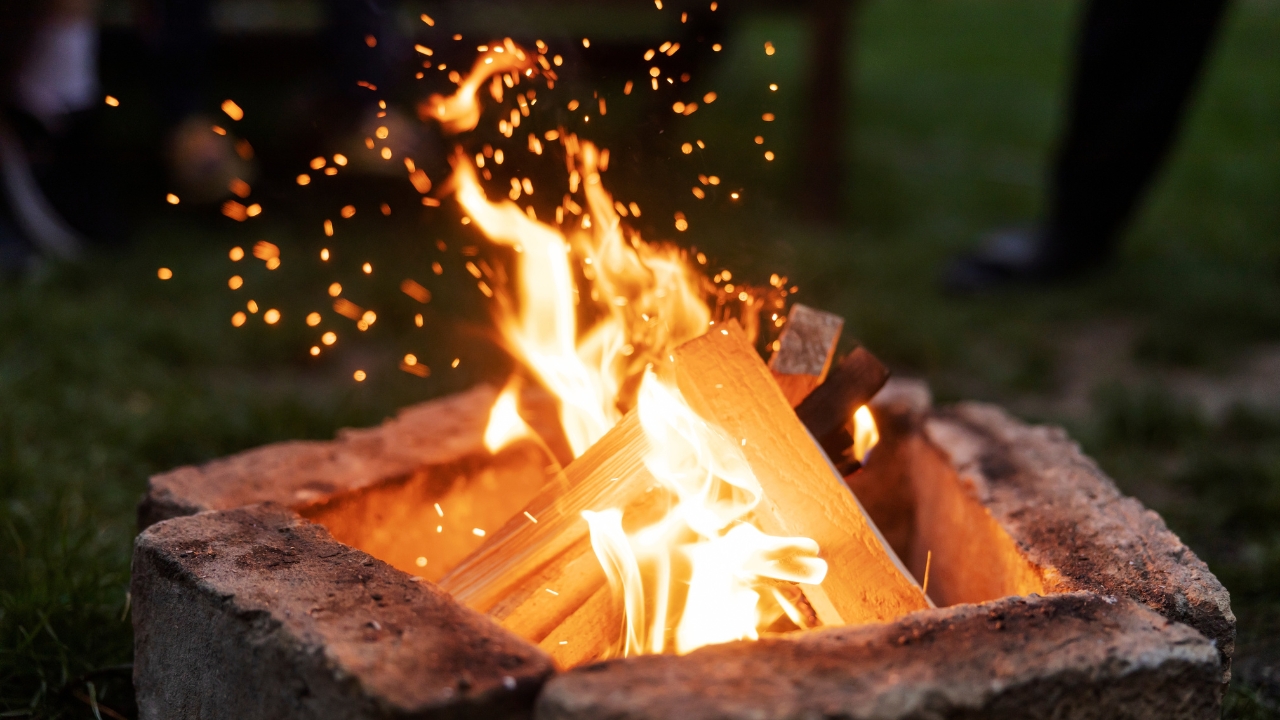
Stick to dry, seasoned wood. Avoid burning trash, leaves, pressure-treated lumber, or anything coated in chemicals or paint.
Wet or green wood creates more smoke and doesn’t burn as clean. If you’re using fire logs, make sure they’re safe for outdoor use. And never add lighter fluid or gasoline—those are dangerous shortcuts that can end badly.
Like Fix It Homestead’s content? Be sure to follow us.