9 Things to Do Before Brutal Heat Starts Damaging Your House
Photo credit: Miro Vrlik Photography/Shutterstock
When the heat drags on, it’s not just your comfort that takes a hit—your house does too. Intense sun, dry air, and high temps can all wear down materials faster than you’d think. From warped wood to worn-out seals, summer heat puts everything to the test.
Getting ahead of the damage doesn’t mean overhauling your entire place—it’s usually small checks and fixes that make the biggest difference. If you want your house to hold up through the worst of it, here’s what to handle now.
Check and Reseal Windows and Doors
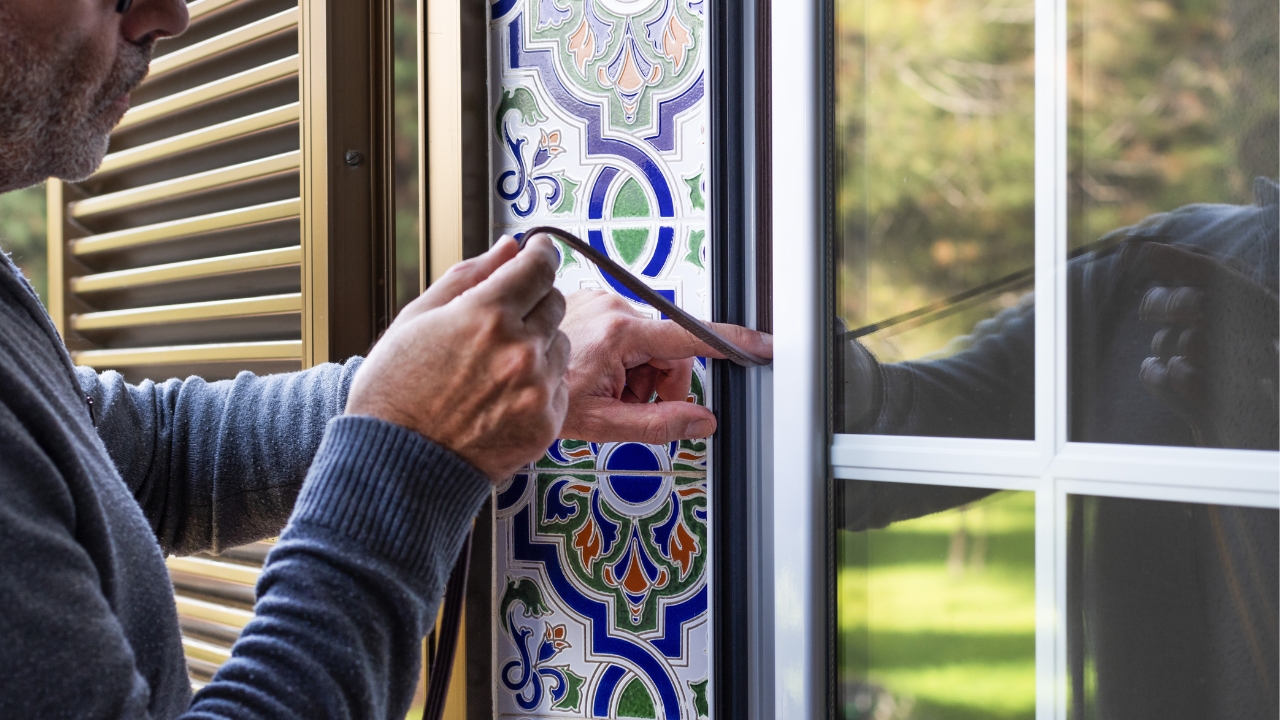
Heat dries out caulk and weatherstripping faster than cold weather does. If you haven’t checked your seals in a while, now’s the time. Gaps around windows and doors let cool air out and hot air in, which pushes your AC to work harder than it should.
Run your hand along the edges to feel for airflow or see sunlight peeking through. Replacing weatherstripping or applying fresh caulk is quick and inexpensive—and it helps keep your home cooler without raising your power bill.
Inspect and Clean Roof Vents
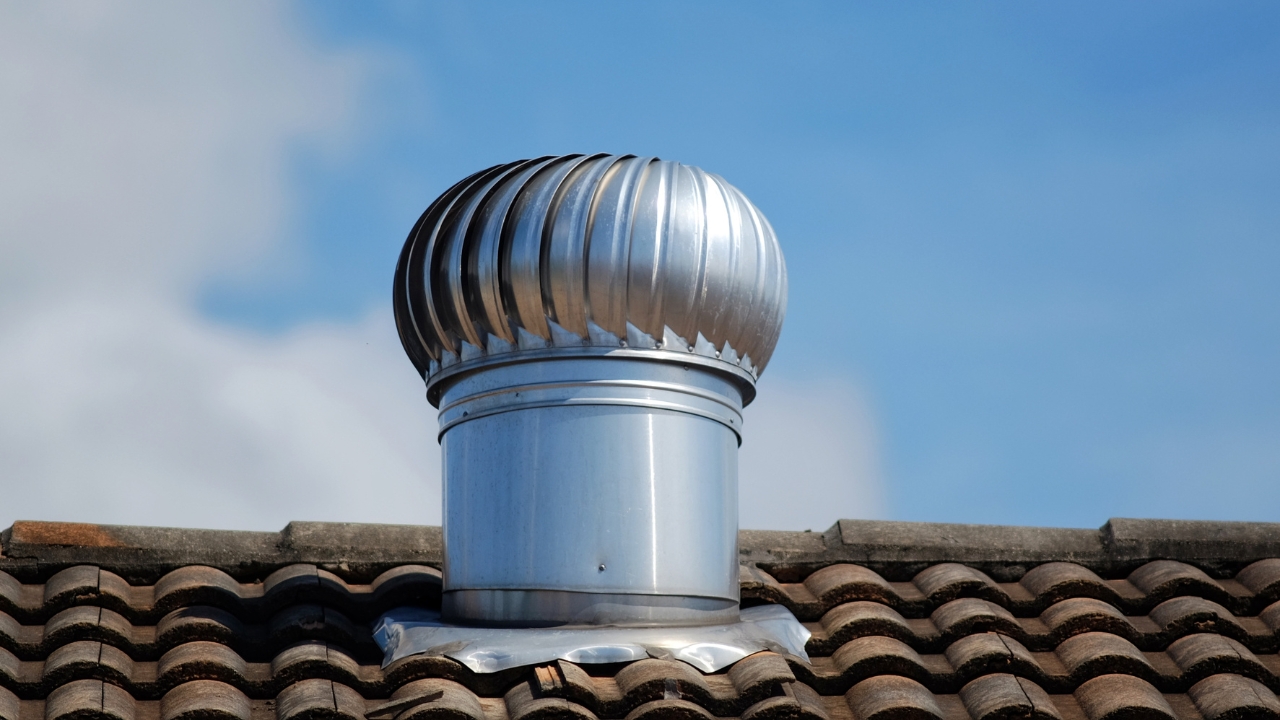
Attic temperatures can skyrocket in the summer, and if your vents are blocked or broken, that heat builds up fast. That trapped heat can warp shingles, age your roof, and make your entire house harder to cool.
Make sure gable, ridge, or soffit vents are clear of dust, leaves, or nests. If you have a powered attic fan, test it to make sure it’s working right. Good ventilation protects your roof and lowers your cooling load.
Protect or Seal Exposed Wood
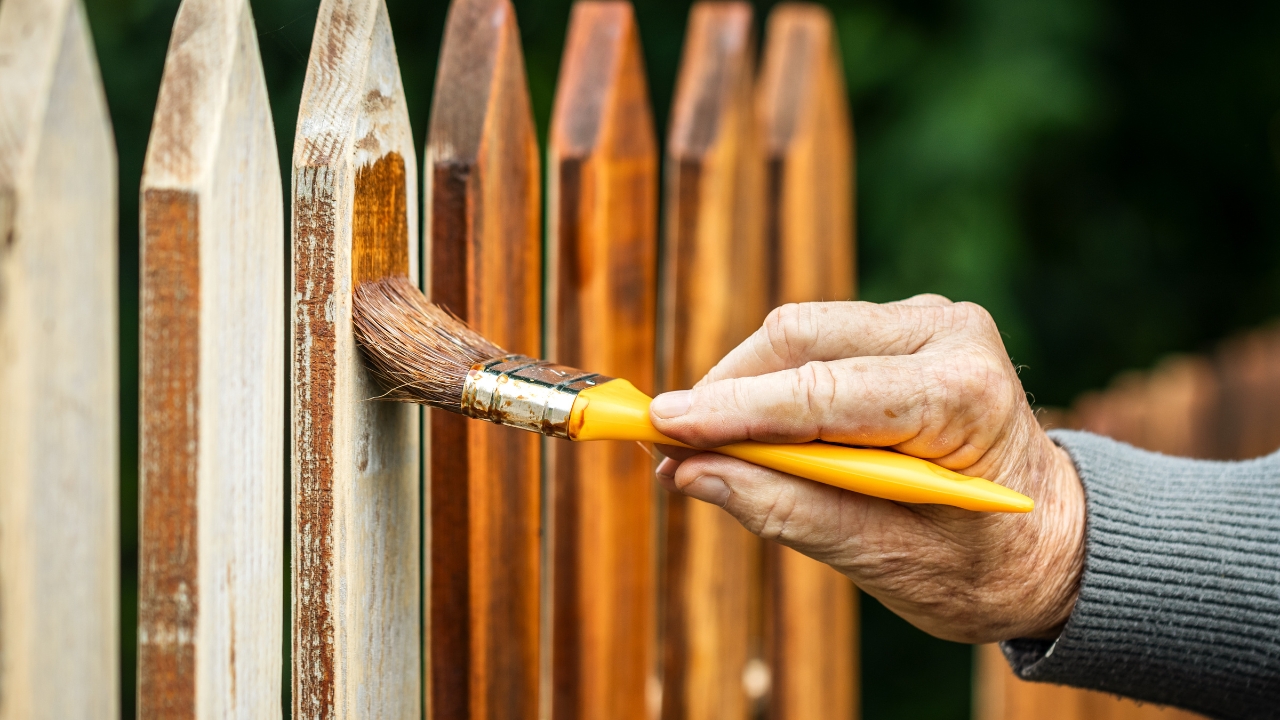
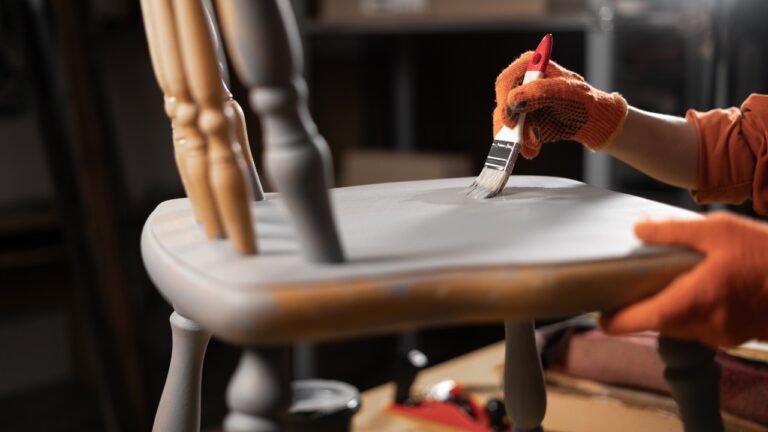
Porches, decks, trim, and fences all take a beating from summer heat. UV rays dry out wood, cause cracking, and fade the color fast. If it’s been a while since you sealed anything, chances are the sun’s already doing damage.
Look for signs of fading or splintering. A quick reseal or coat of UV-resistant paint or stain can help extend the life of the wood and keep it from becoming brittle or warped.
Flush and Inspect Your Water Heater
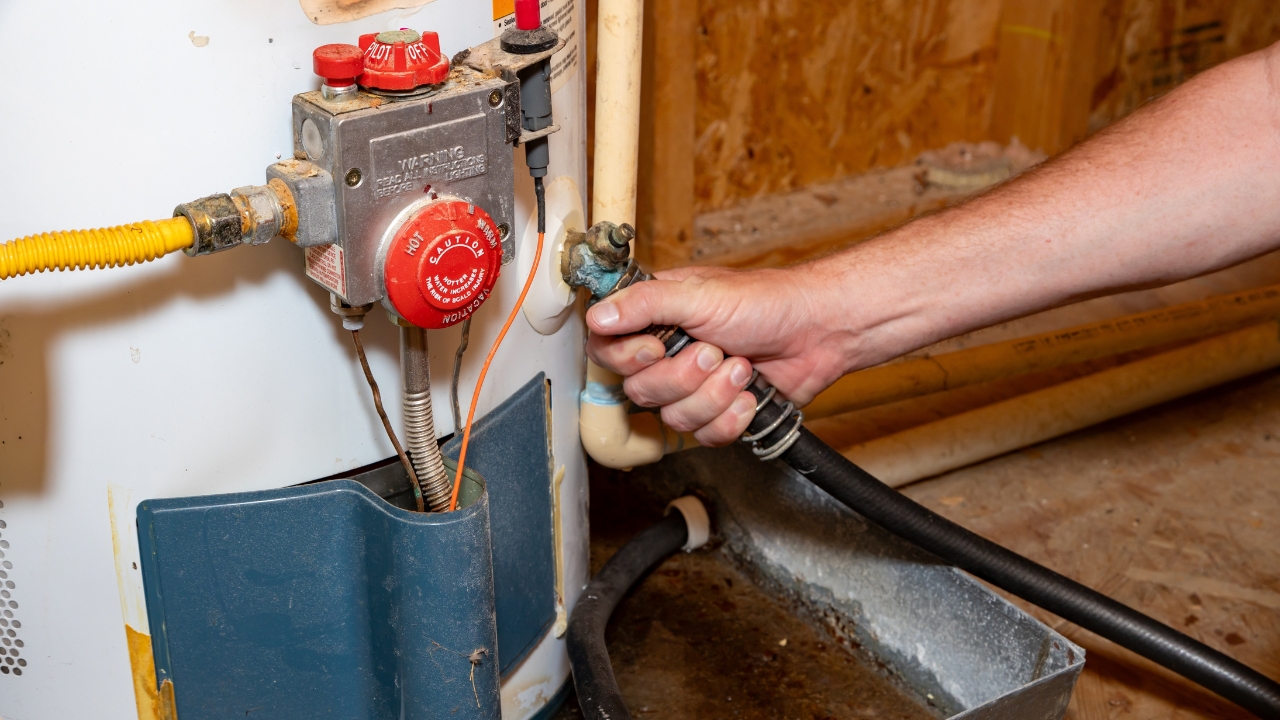
If your water heater sits in a hot garage or unconditioned space, summer heat adds even more pressure to the tank. Sediment build-up makes it worse by forcing the heater to work harder than it needs to.
Drain a few gallons from the tank to flush out sediment and make sure the pressure relief valve is working. If your heater’s older, it’s also smart to double-check the anode rod while you’re at it.
Examine Your Siding for Damage

Extreme temperatures can cause vinyl siding to warp or pull away from the house. Wood siding may crack or fade, and paint might start peeling or bubbling in spots that get hit with full sun.
Walk around your house and look for anything loose, warped, or discolored. Fixing it now helps avoid water damage or bigger issues when storms roll through later.
Clean Your Outdoor HVAC Unit

When leaves, grass clippings, and dirt clog up your AC’s outdoor unit, it can’t release heat efficiently. That forces the system to run longer, which can cause wear and drive up your energy bill fast.
Turn off the power, then gently hose down the fins to wash out debris. Trim back any nearby plants or weeds to give it some breathing room. A quick clean can make a big difference in how well your AC performs.
Test Smoke and Carbon Monoxide Detectors
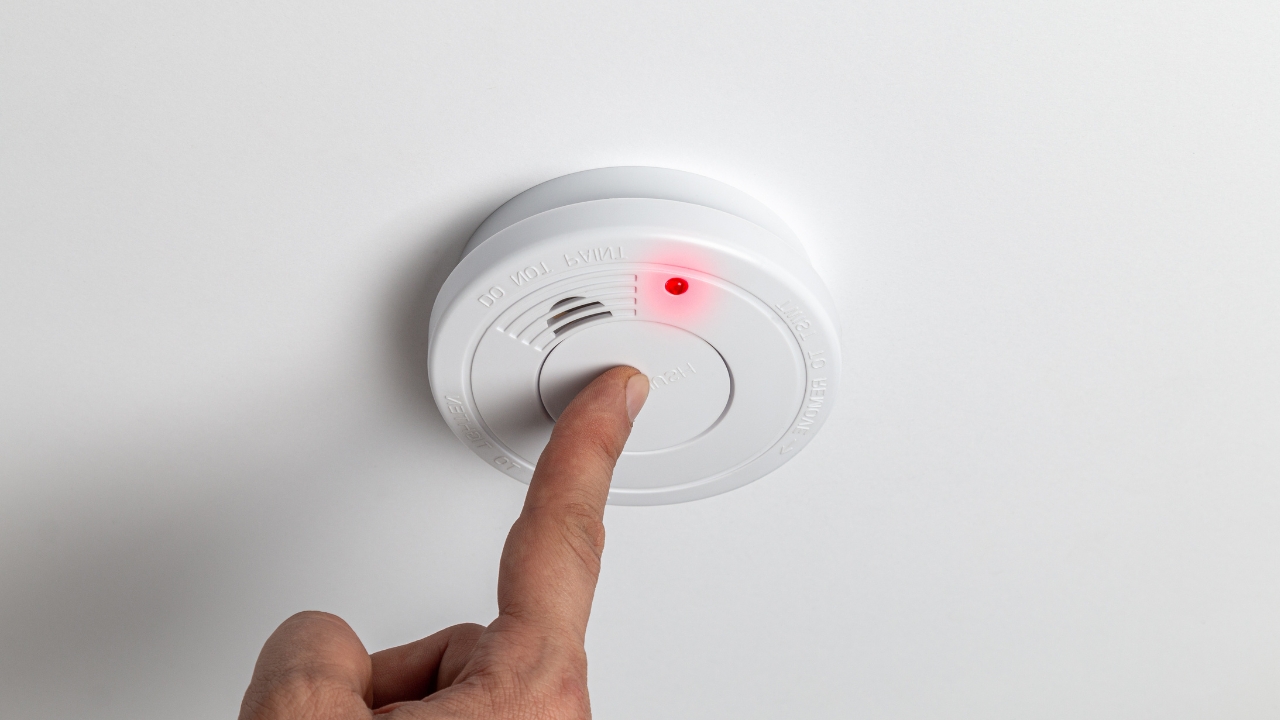
It’s easy to forget, but summer heat can mess with battery life in your detectors—especially if they’re near hot attics or poorly ventilated areas. High temps can also increase the risk of electrical issues.
Test each one and replace any batteries that are running low. This is a quick win for safety, and it’s one less thing to worry about while your house is under heat stress.
Watch for Cracks in Concrete

Driveways, patios, and walkways expand in the heat and contract when they cool down. That constant shift can create new cracks or make old ones worse. Water seeps in and expands the damage even more later.
Seal cracks now to prevent them from spreading. If they’re already large, consider using a concrete filler or having a pro take a look before they turn into trip hazards or eyesores.
Clear Out Dryer Vents
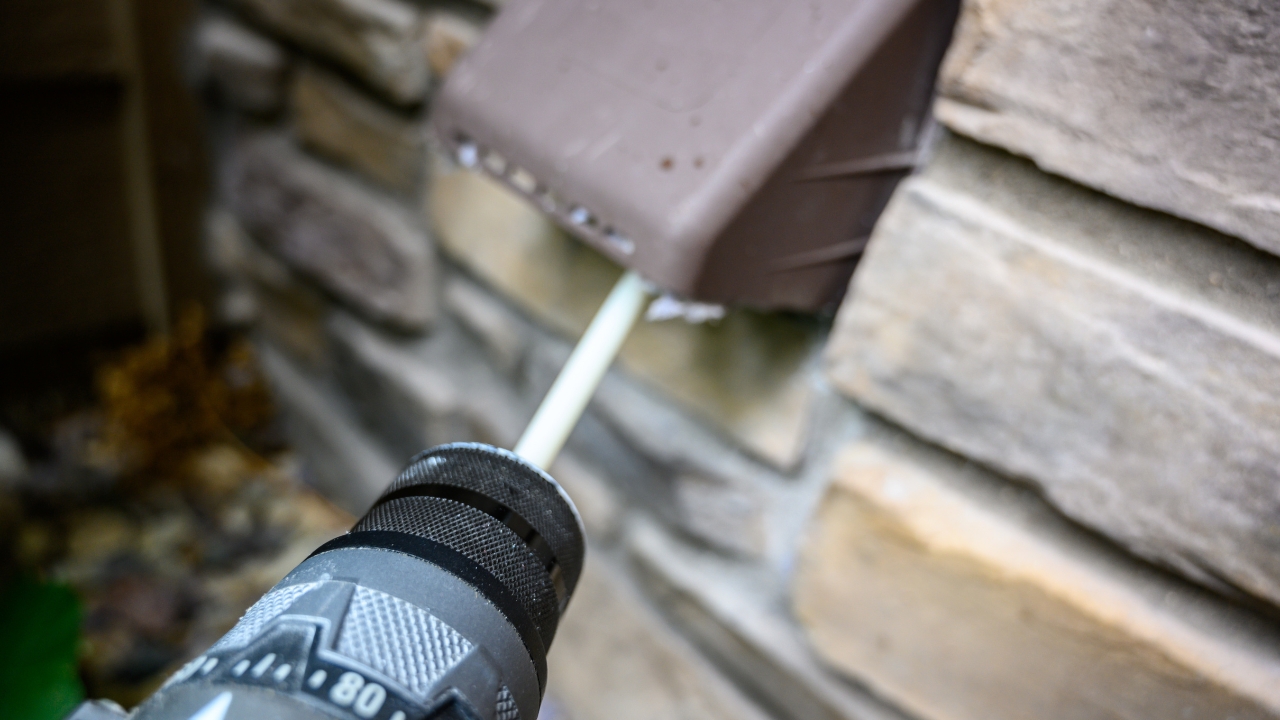
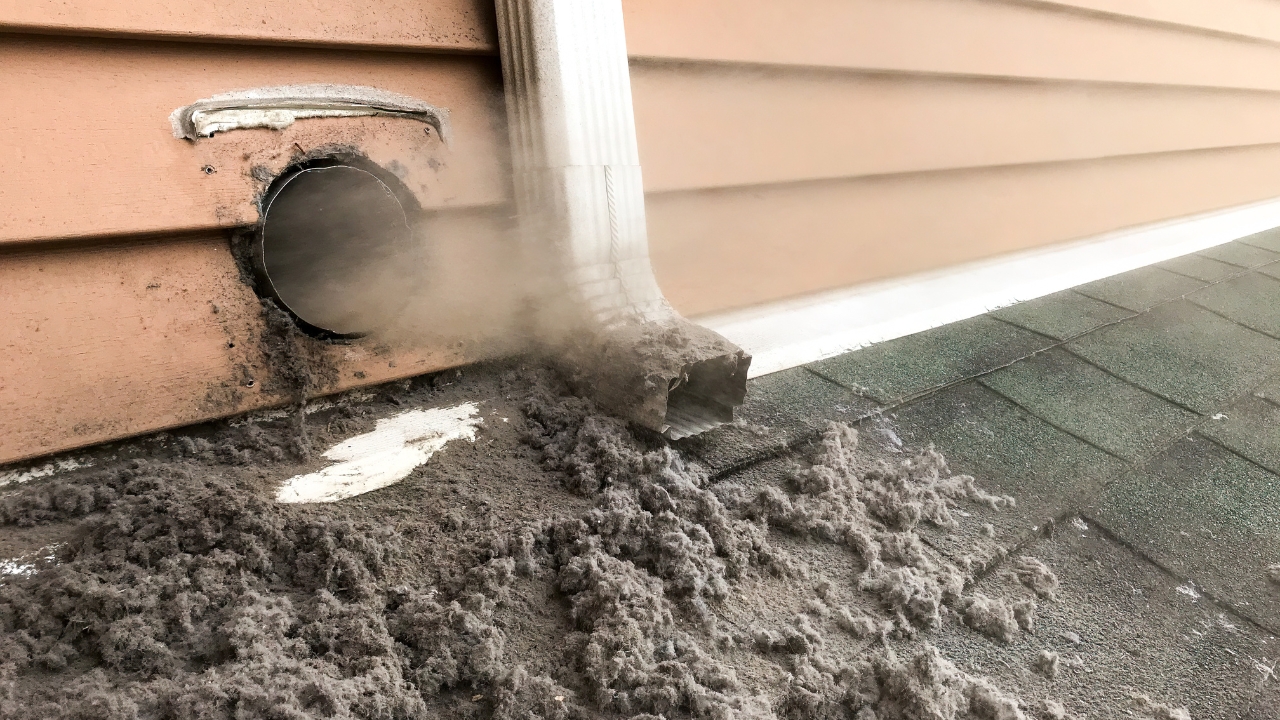
Running your dryer in a hot house makes everything feel warmer. But if the vent is clogged, it’s not just inefficient—it can be a fire hazard. Lint buildup and summer heat don’t mix well.
Disconnect the vent hose and vacuum out both ends, including the exit flap outside. It helps your dryer run cooler and faster, and it reduces heat buildup inside your house.
Like Fix It Homestead’s content? Be sure to follow us.