11 Summer Lawn Problems You Still Have Time to Fix
Photo credit: Mike Higginson/Shutterstock.com
When summer hits full swing, your lawn doesn’t always keep up. Brown patches, weeds, uneven growth—it can all sneak in fast. But even if things are starting to look rough, you’re not stuck with it. A lot of common lawn problems are still fixable if you act now.
You don’t need to wait until fall to get your grass back on track. Here’s what to watch for and what you can still do about it before the season runs out.
Brown Spots from Dog Urine
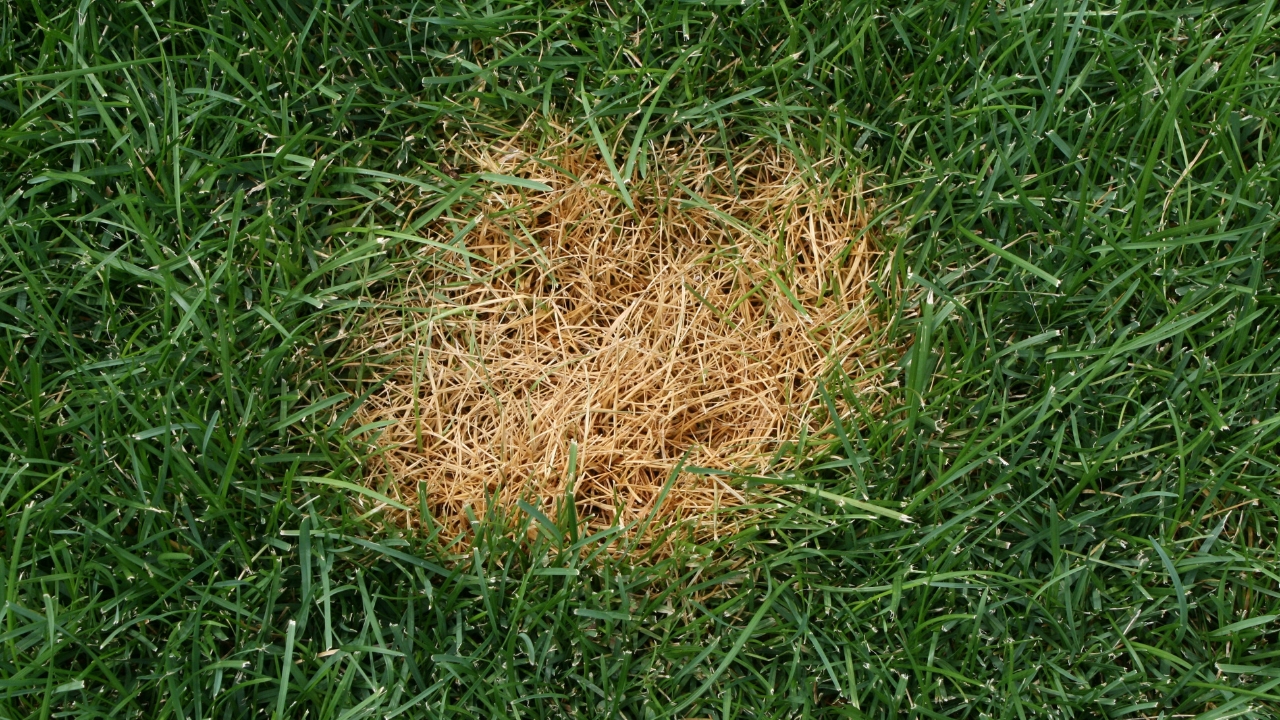
If your dog uses the yard as their bathroom, you’re probably seeing little dead patches. The high nitrogen in their urine burns the grass. You can still fix this by flushing the area with water right after they go and reseeding bare spots.
Train them to use one part of the yard if possible, or consider adding a gravel potty corner. A quick reseed with heat-tolerant grass can fill things in fast if you keep it watered for a week or two.
Compact Soil from Foot Traffic

If you’ve had a lot of backyard hangouts or kids playing outside, your soil might be compacted. That keeps air, water, and nutrients from reaching the roots, and your grass ends up looking thin and patchy.
Use a manual aerator or garden fork to loosen the soil in high-traffic zones. You don’t need a big machine. Then water deeply, and if needed, overseed. You’ll see improvement in just a few weeks.
Dull Mower Blades Tearing Grass

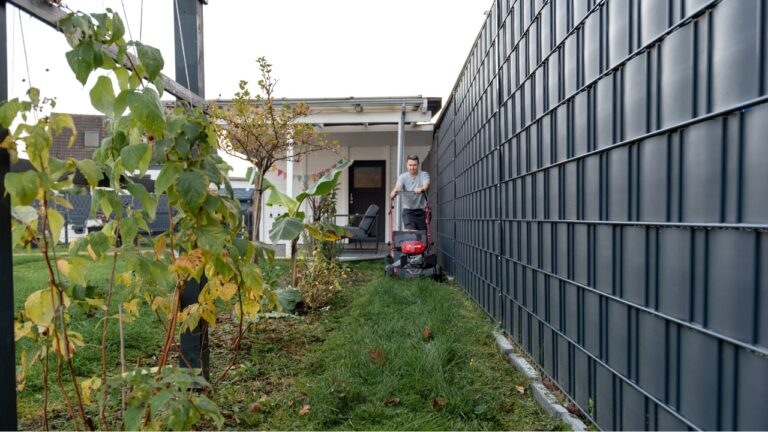
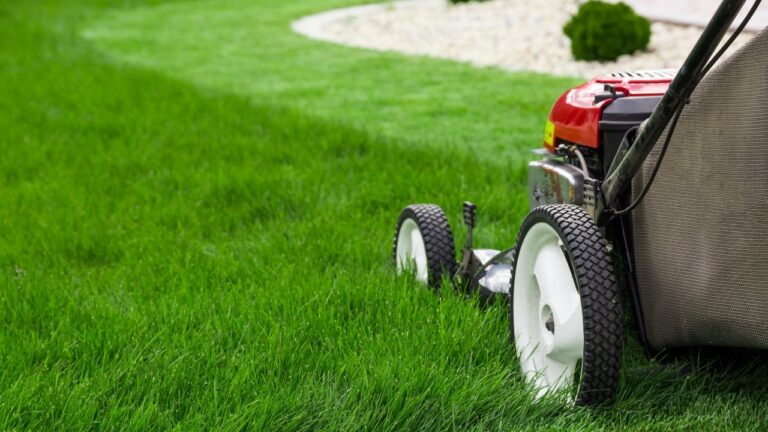
If your mower blade is dull, it’s not cutting—it’s ripping. That frays the tips of the grass and leaves it more prone to browning and disease. It’s an easy fix, but most people overlook it.
Sharpening your blade can make an immediate difference in how healthy your lawn looks. If the edges of your grass blades are turning brown or feel rough to the touch, it’s time to check your blade.
Scalped Patches from Mowing Too Short
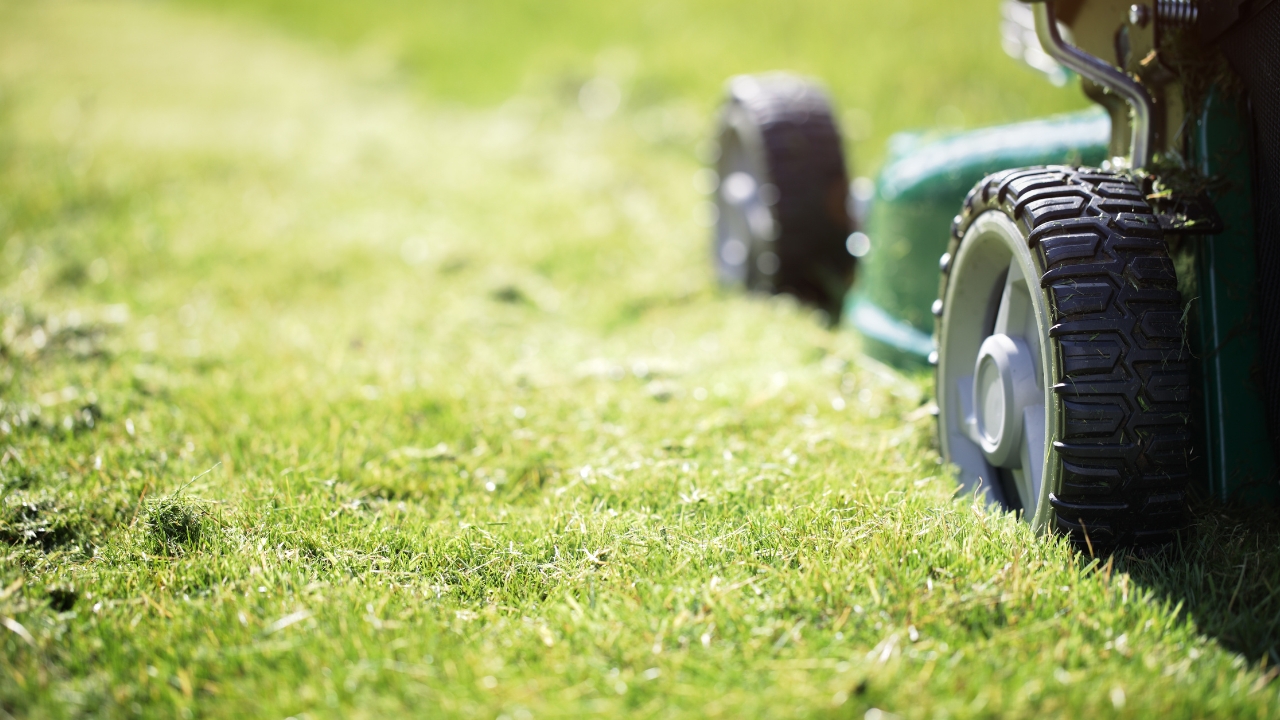
Cutting your grass too short might seem like a good way to mow less, but it’s a fast way to fry your lawn. Short grass loses moisture faster and is more vulnerable to heat stress.
Set your mower height higher—around 3 to 3.5 inches for most grasses. That extra length helps shade the soil and keep roots cool. It also helps crowd out weeds, so you’re solving multiple problems at once.
Bare Spots That Never Filled In
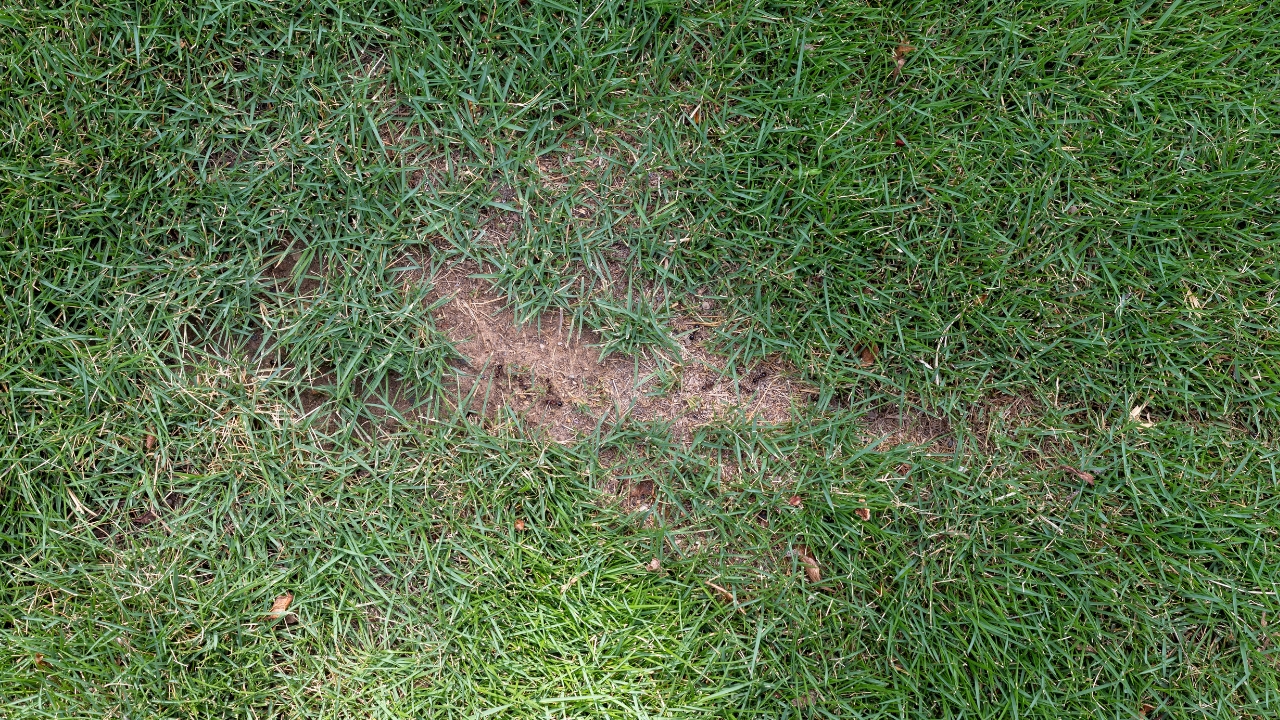
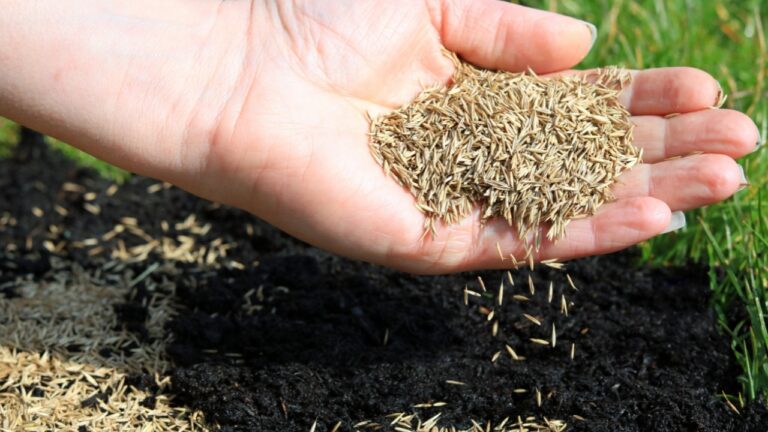
Bare spots won’t fix themselves. If you’re seeing thin areas that haven’t bounced back by now, it’s time to act. Mid-to-late summer can still be a good time to overseed—especially with fast-germinating blends.
Rake the area, loosen the topsoil, toss down seed, and water consistently for a couple of weeks. Keep foot traffic off those spots until it takes root. You’ll see green again faster than you think.
Weed Overload from Skipped Treatments
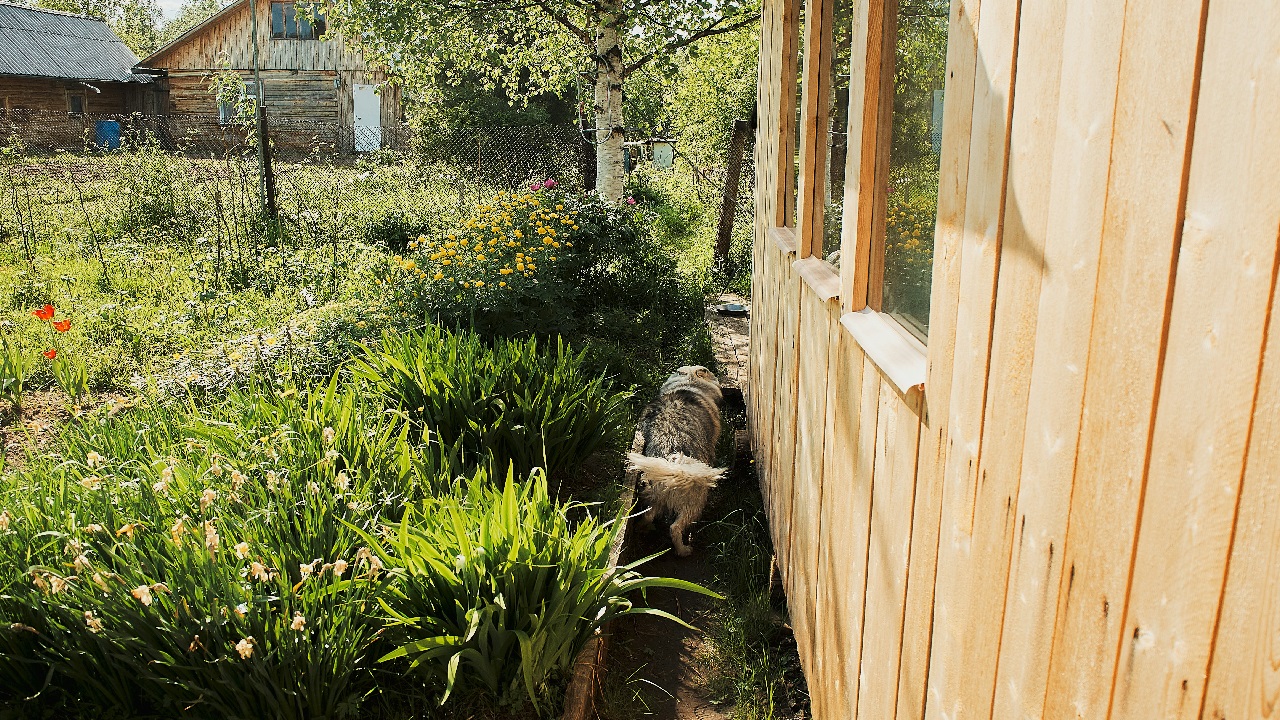
If weeds have taken over this summer, it’s not too late to regain control. Spot treat with a post-emergent spray made for your grass type. Even if it doesn’t clear every weed, it can stop them from seeding out.
Pulling them by hand can still make a big impact too—especially the bigger ones. Follow up with a slow-release fertilizer to help your grass compete better. Healthier turf means fewer weeds down the line.
Fungus Starting to Spread
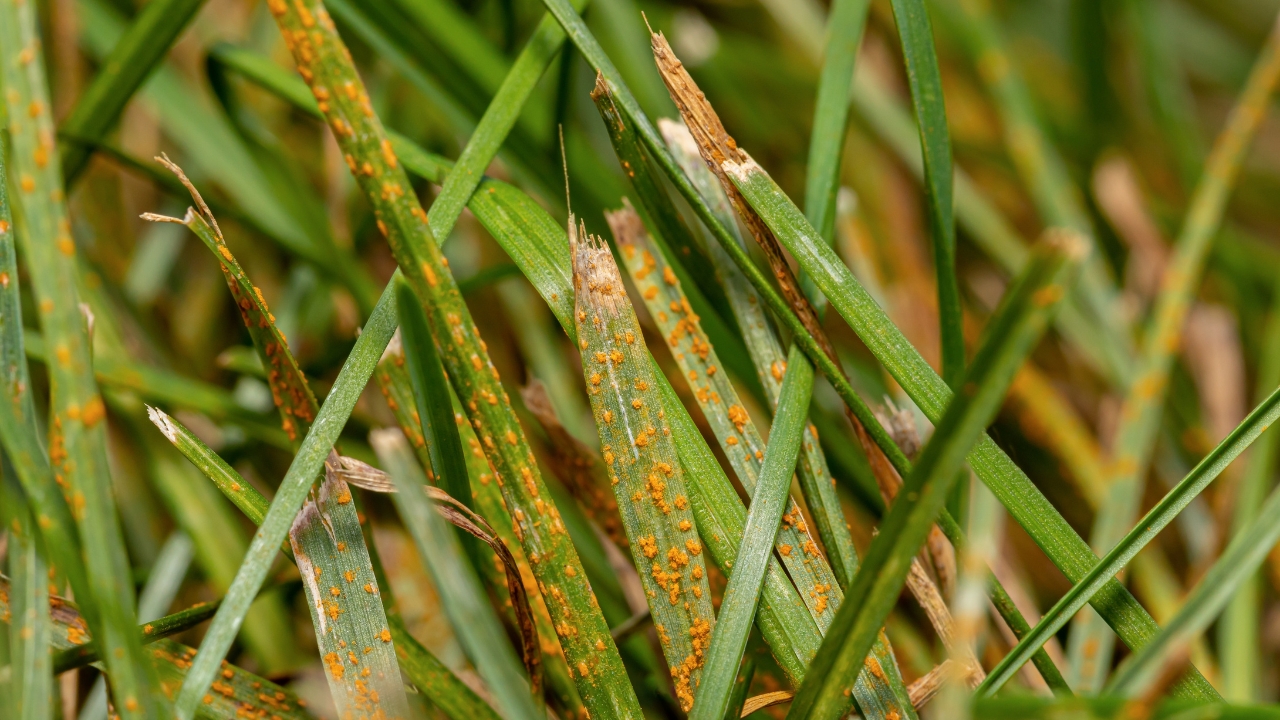
High humidity and poor drainage can lead to lawn fungus, especially if you’ve seen brown or gray patches spreading. If it looks slimy or feels mushy, that’s a red flag.
Hold off on watering in the evenings, and stick to early morning instead. You can apply a lawn-safe fungicide, but improving air circulation and watering practices usually does most of the work.
Uneven Water Coverage
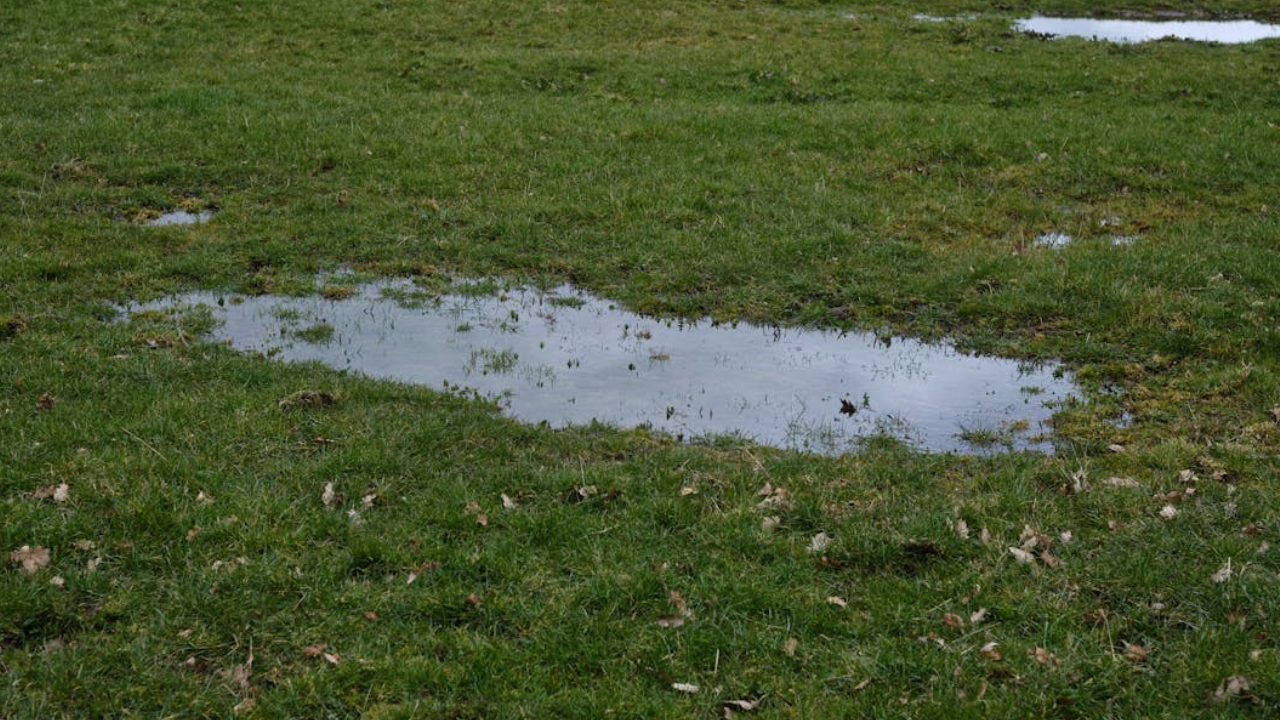
Dry patches next to soggy ones usually mean your sprinkler system needs some attention. Summer heat will make this worse fast if you don’t fix the coverage.
Check your sprinkler heads for clogs or poor spray patterns. You can do this in under 10 minutes while the system runs. A few adjustments or cleaning the heads might be all it takes to fix the uneven growth.
Lawn Burn from Fertilizer
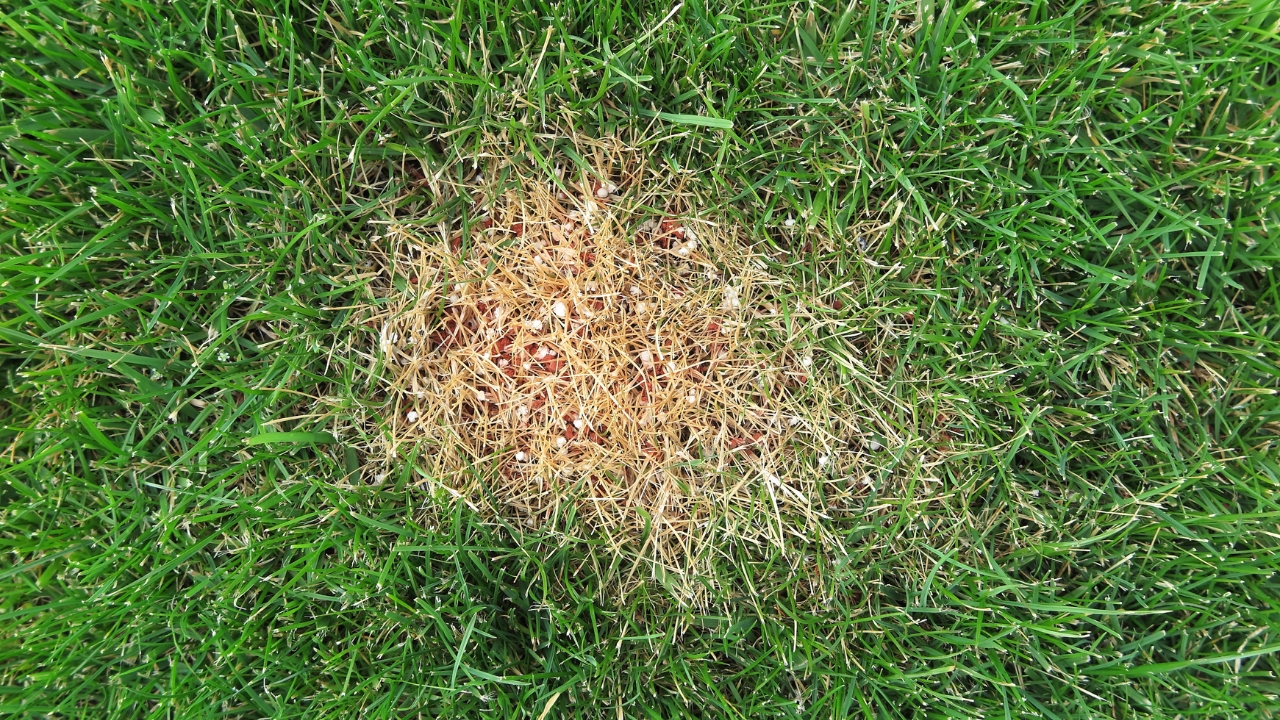
Over-fertilizing in summer can do more harm than good. If your grass looks scorched after a feeding, you may have applied too much or used the wrong type.
Flush the area with water to dilute any excess. From there, wait and watch—sometimes the grass recovers on its own. Hold off on any more feeding until fall and stick to a slow-release blend when you do.
Thatch Build-Up Smothering Growth
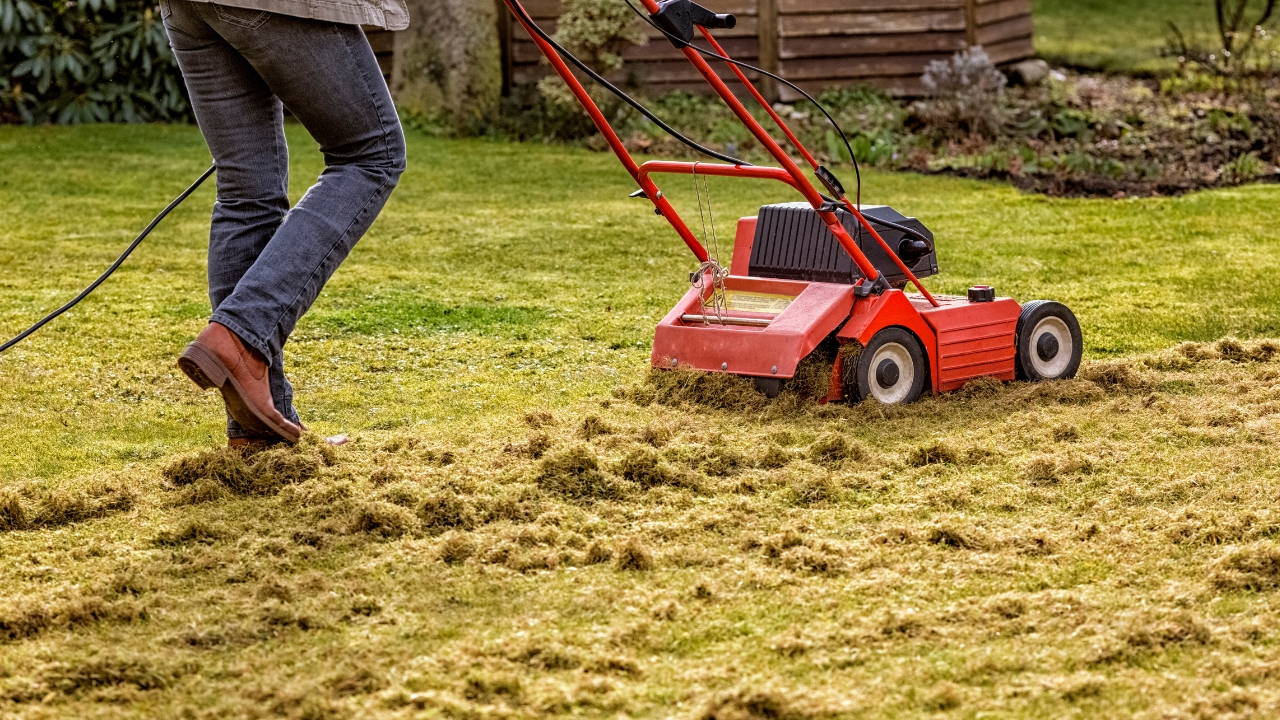
If your lawn feels spongy or you can see a thick layer between the soil and blades, you’ve got thatch buildup. That layer can block moisture and nutrients from reaching the roots.
Use a dethatching rake or machine if it’s thick. Even a hard raking can help break it up and let air and water back in. Follow with a good watering and some compost if needed, and your grass will perk up.
Grass Going Dormant Too Early
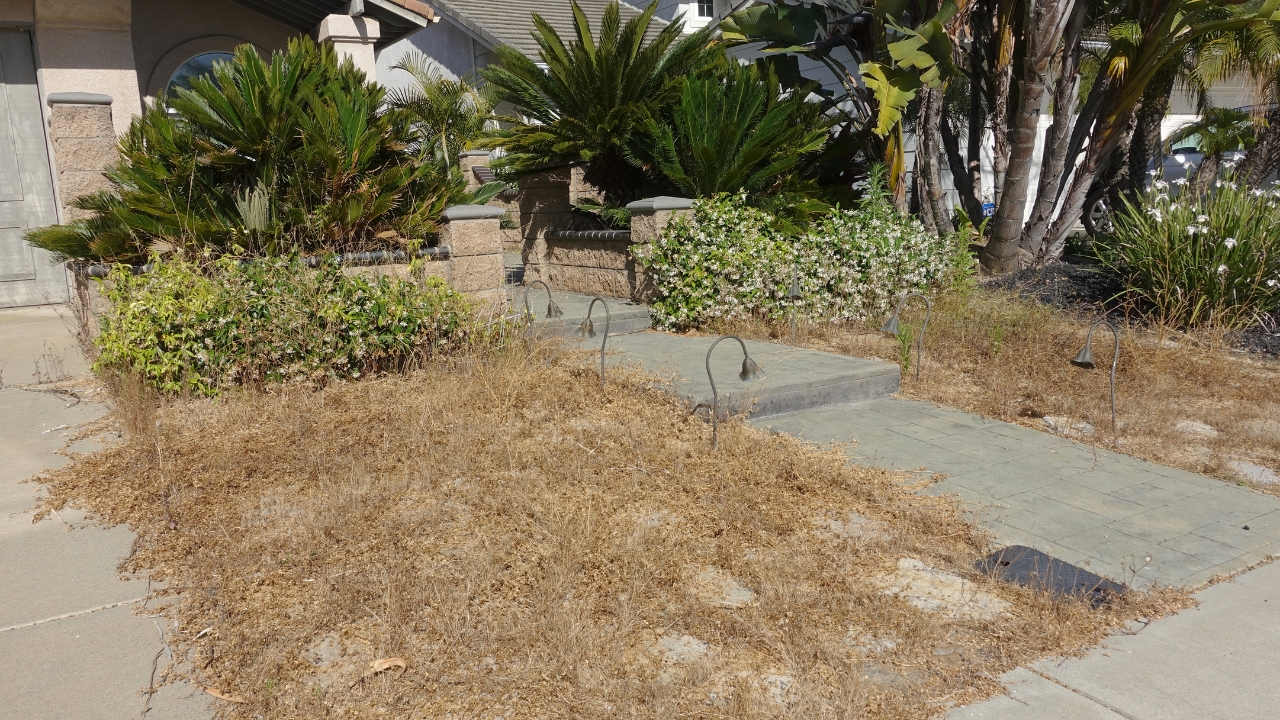
If your lawn is already going yellow or crispy and it’s not the end of summer yet, it might be shutting down early due to stress. This can happen with drought, compacted soil, or poor watering habits.
Before you write it off, give it a deep soak every few days instead of frequent light watering. If the crown of the grass is still alive, it can bounce back. Don’t mow while it’s stressed—let it rest and recover first.
Like Fix It Homestead’s content? Be sure to follow us.