9 Things to Remove From the Yard Before Lightning Season Peaks
Photo credit: Kevin Cass/Shutterstock.com
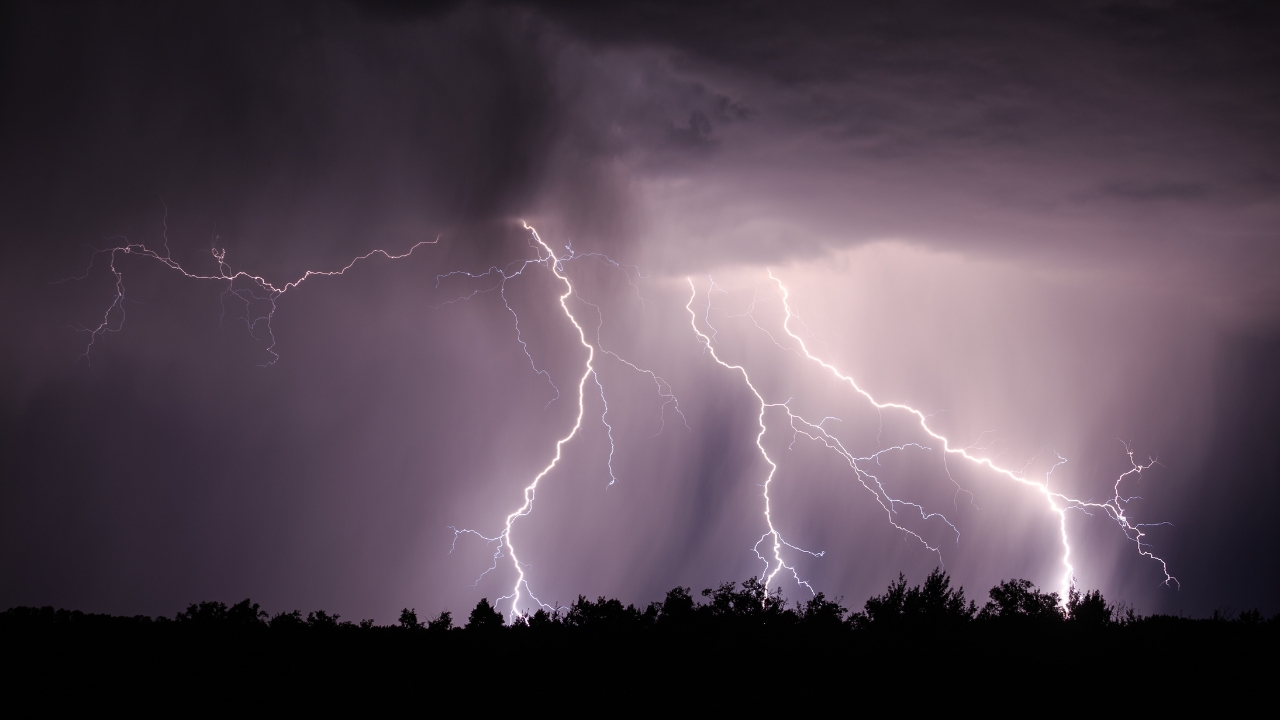
Summer storms can roll in fast, and lightning season always seems to sneak up on people. But lightning doesn’t need a direct strike to cause damage—plenty of fires and power surges come from stuff that gets left out or hooked up when it shouldn’t be.
If you’re trying to prep before the weather turns loud and unpredictable, there are a few things you should absolutely clear out, unplug, or move before those storm clouds roll in.
Metal Lawn Decorations

Metal decor like wind spinners, garden stakes, or shepherd hooks might look harmless, but they can act like little lightning rods if a strike hits nearby. Even if they don’t get hit directly, they can conduct electricity if the ground gets charged.
Go around the yard and pull anything metal that’s stuck in the ground, especially if it’s tall or exposed. Store it in the garage or shed until the season settles down. You’ll reduce risk and save them from storm damage, too.
Plugged-In Outdoor Electronics
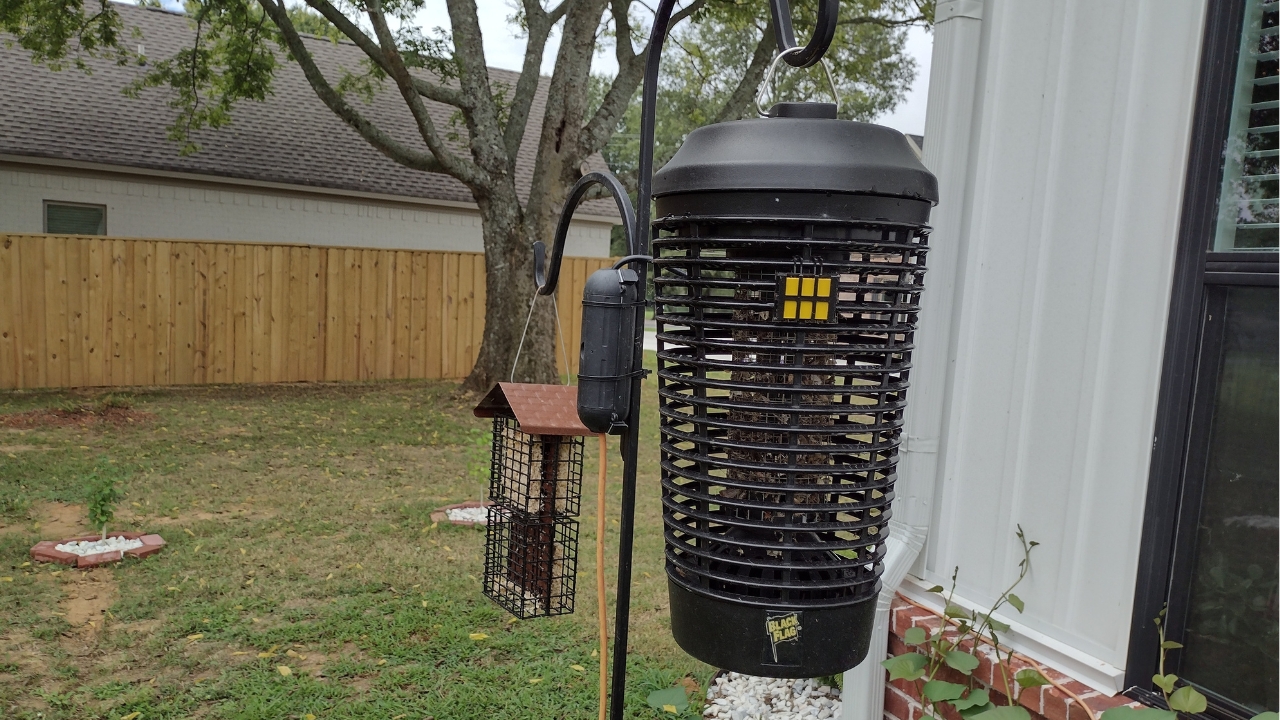
Outdoor string lights, bug zappers, speakers, or anything else you leave plugged in outside can become a fire hazard during a lightning storm. Even a surge through the line can fry the circuit or start a spark.
Unplug everything when storms are in the forecast, especially if it’s exposed or connected to a cheap extension cord. Surge protectors can help a little, but nothing beats pulling the plug when lightning starts popping.
Dead Trees or Large Branches

If a lightning strike hits a dead tree, it doesn’t smolder—it usually explodes. Dry, brittle wood can’t handle the heat, and the shock travels fast. Big, dying limbs can also snap and fall if lightning hits nearby.
Walk your property and look for anything that’s rotting, cracked, or leaning too close to your house or power lines. If you can’t handle the removal safely, call someone who can before storm season kicks into high gear.
Satellite Dishes or Antennas
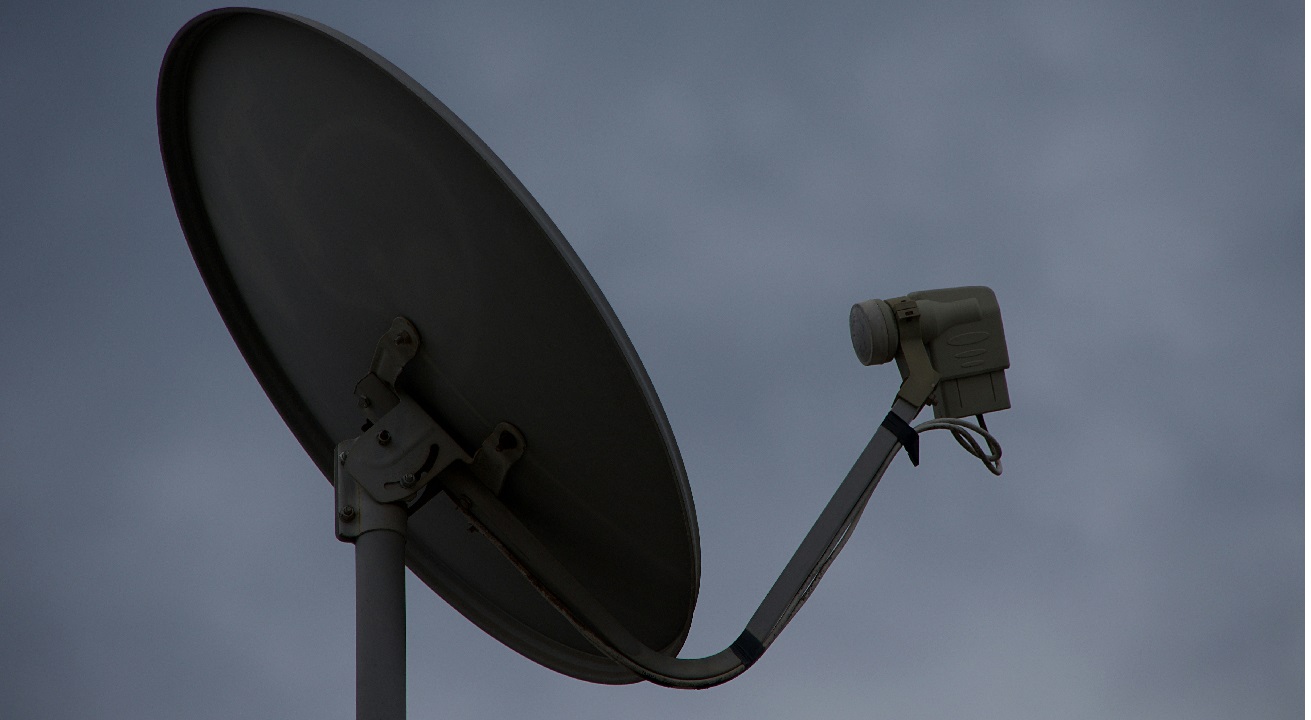
Old satellite dishes or TV antennas—especially if they’re mounted on poles—can attract lightning. They’re often grounded, but that doesn’t mean they’re safe to leave up in extreme conditions.
If you’re not using them, take them down. If you are, make sure the grounding system is solid and inspected. Better safe than dealing with a blown-out TV or a scorched roof.
Tools Left in the Yard
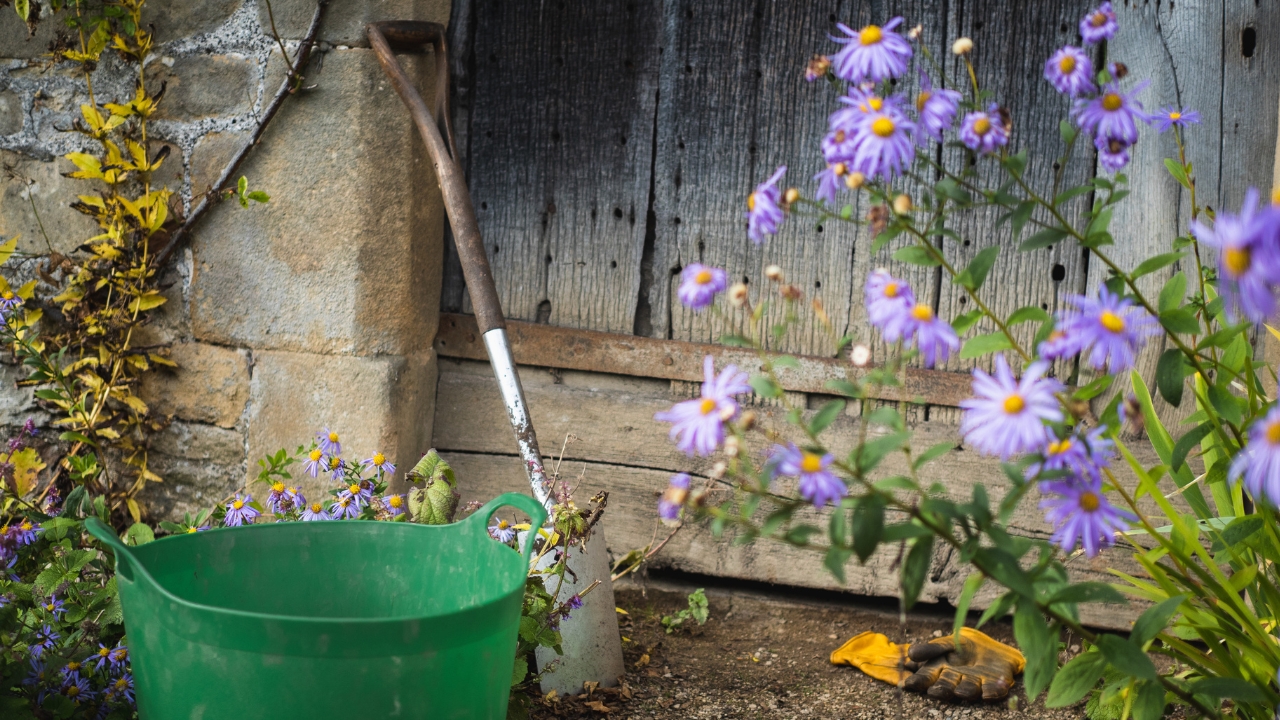
Shovels, rakes, or any other metal tools left in the yard can conduct electricity and even spark a ground fire if lightning strikes nearby. They also become dangerous projectiles if high winds hit.
Pick up anything metal after a day of yard work and store it in the garage or under cover. It’s one of those small things that’s easy to overlook—until it becomes a problem.
Plastic or Vinyl Pools
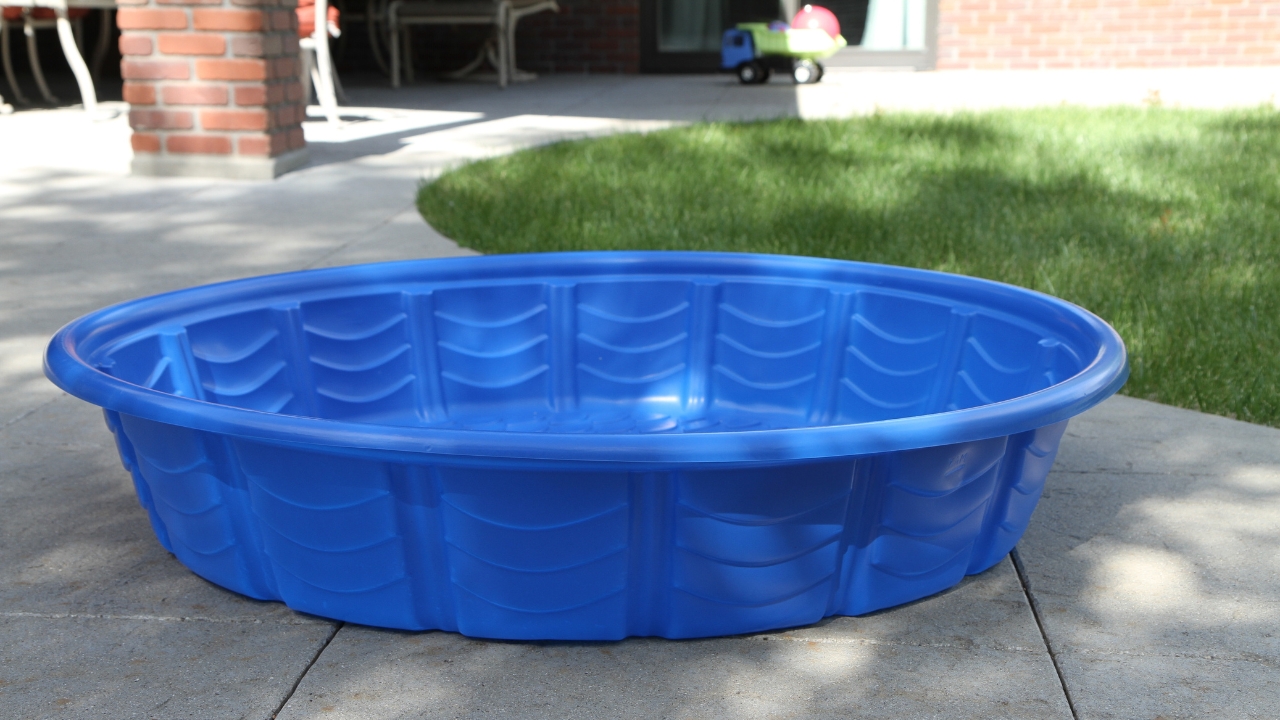
Kiddie pools, inflatable slides, or large water toys might seem safe, but they’re full of water—and water conducts electricity. If lightning hits nearby, that pool becomes a dangerous spot fast.
Drain and flip smaller pools when they’re not in use, and bring kids inside when storms start building. Don’t wait until you hear thunder—lightning can travel far ahead of a storm and still strike.
Aluminum Ladders
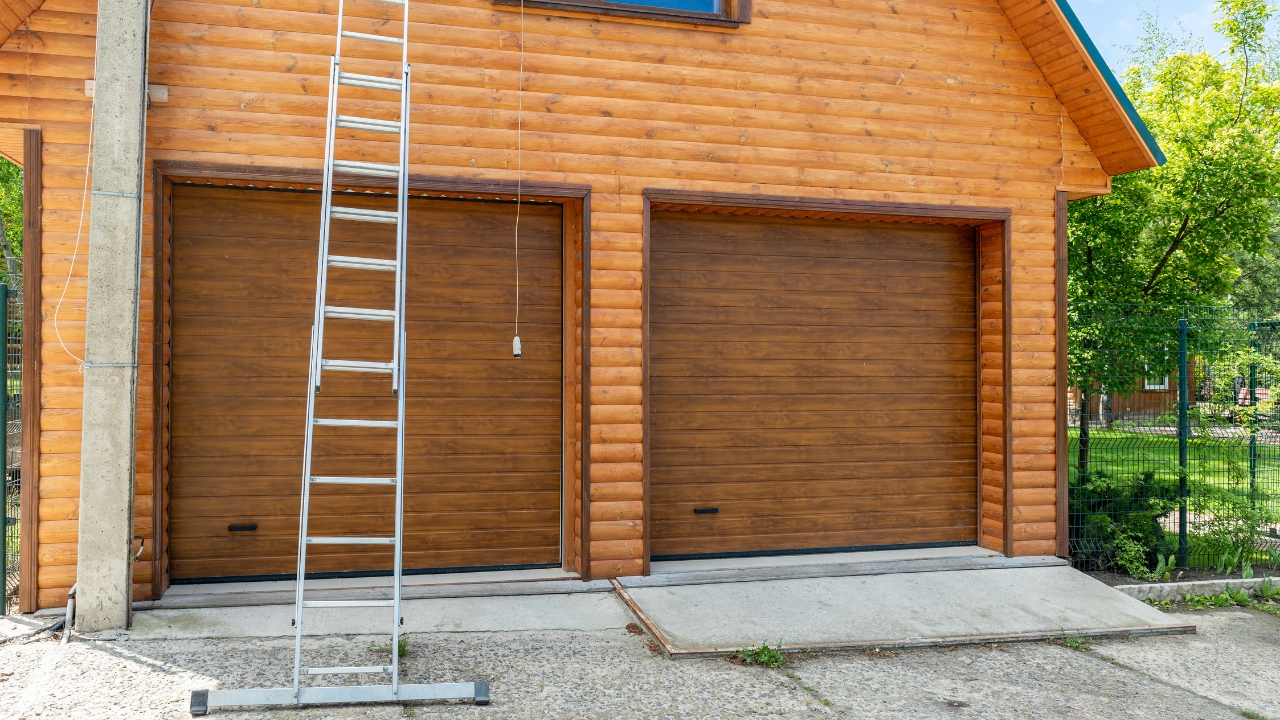
If you’ve got a ladder leaned against the house or left out from a project, now’s the time to put it away. Aluminum ladders are especially risky—they’re tall, lightweight, and highly conductive.
Store them in the garage or lay them flat where they can’t be hit or picked up by wind. If you’ve been doing roof work, make sure you’re down and packed up well before the storm rolls in.
Unused Propane Tanks
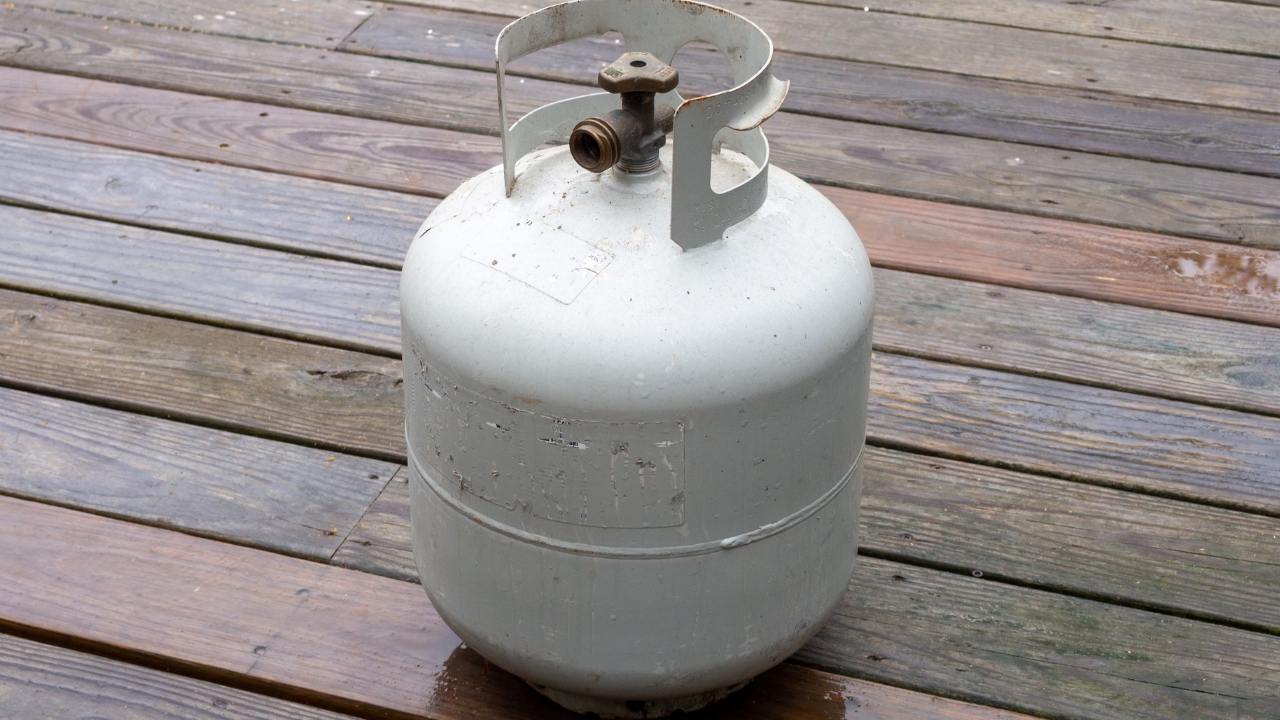
Extra propane tanks for grills, patio heaters, or fire pits should never be left out during storm season. Lightning doesn’t have to strike them directly to cause trouble—extreme heat or power surges nearby can still lead to combustion.
Store unused tanks in a shaded, ventilated area away from the house. Don’t leave them next to metal furniture, siding, or under low eaves where heat and gas could build up if something sparked nearby.
Tall Planters on Patios or Decks

Tall ceramic or plastic planters that sit on wood decks or near railing posts can crack, tip, or even spark if they’ve got metal edging or hangers. Some can also trap moisture and transfer ground current if lightning hits close.
If you’ve got large planters in exposed areas, move them closer to the ground or into sheltered spots. It’ll help protect your deck and keep the containers from becoming unstable during high winds or heavy strikes.
Like Fix It Homestead’s content? Be sure to follow us.