6 Ways a Poorly Planned Fire Pit Can Ruin Your Yard
Photo credit: Alyssa Coulter/unsplash.com
Fire pits are great for summer nights—but they can also be a quick way to wreck your lawn, scorch your patio, or put your family at risk if you’re not careful. Some of the biggest fire pit mistakes aren’t dramatic—they’re small things that go unnoticed until something’s damaged or someone gets hurt.
If you’re firing one up this season, make sure you’re not falling into one of these easy-to-miss traps.
Placing It Directly on Grass or a Wooden Deck
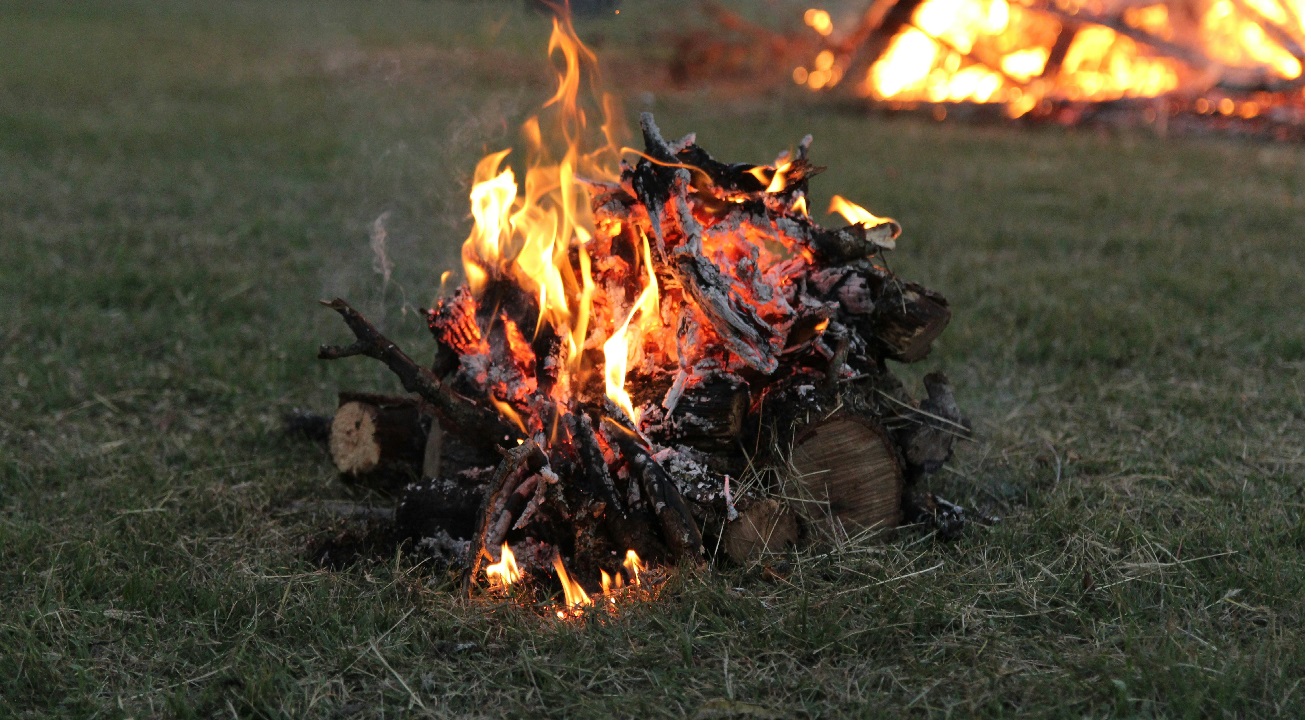
If you set your fire pit right on the grass, it’s going to leave behind a dead, blackened patch that won’t come back easily. Even worse, if it’s on a wooden deck or too close to your home’s siding, you’re asking for a fire to spread.
Always place your fire pit on a fire-safe surface like pavers, gravel, or heat-resistant patio blocks. Even portable pits need clearance underneath. That radiant heat builds up fast and can turn into damage you can’t undo.
Using the Wrong Type of Wood
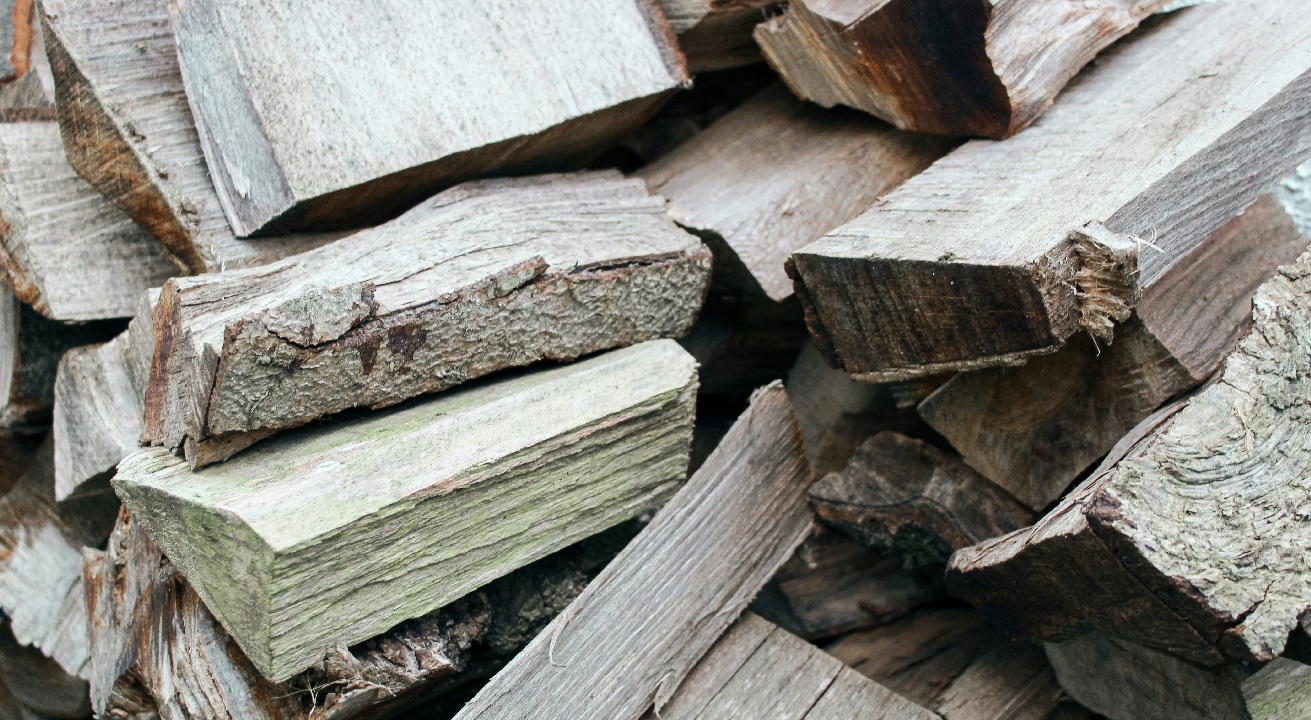
Burning softwoods like pine or cedar may smell nice, but they pop, crackle, and throw embers like crazy. That can mean scorched grass, burn holes in your outdoor cushions, or a fire that jumps where it shouldn’t.
Stick to seasoned hardwoods like oak, hickory, or maple. Avoid burning painted, stained, or pressure-treated wood too—those release toxic fumes and leave behind nasty residue. What you burn matters as much as where you burn it.
Ignoring Wind Direction and Speed
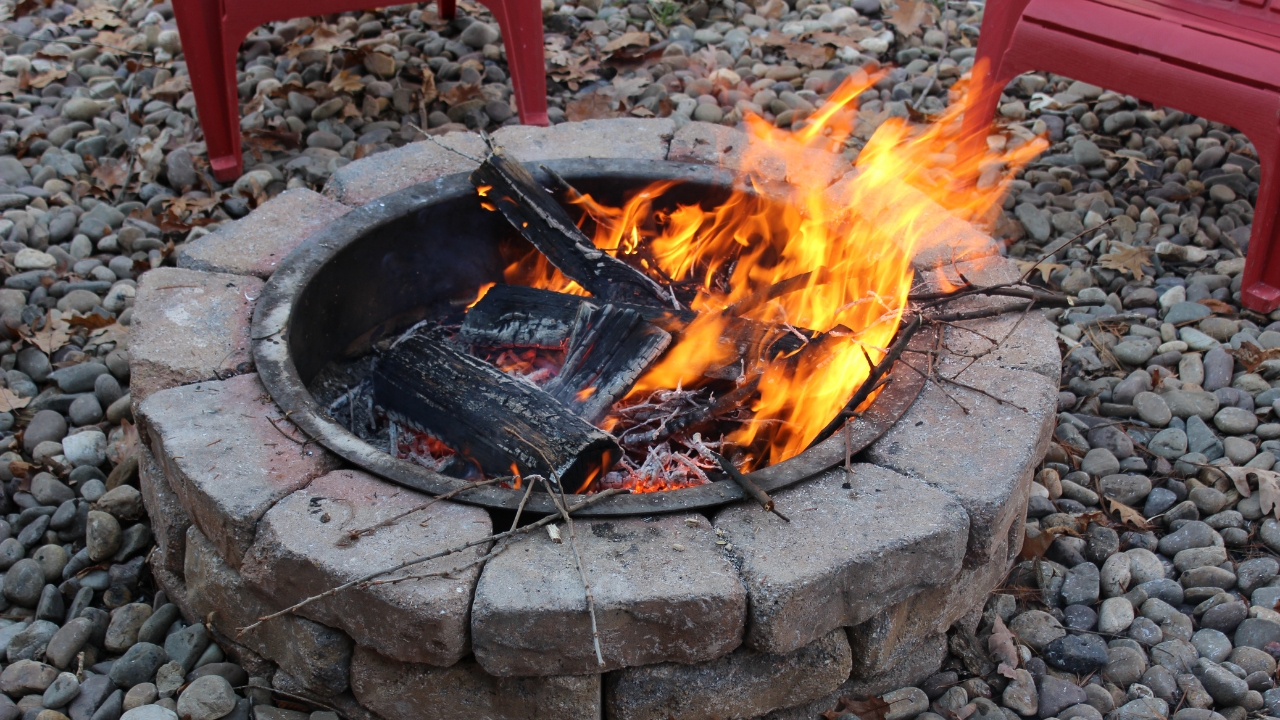
Even a light breeze can send embers sailing into your yard—or worse, toward your house. Wind makes a fire unpredictable, and it doesn’t take much to turn a backyard hangout into a dangerous situation.
Before you light anything, check the forecast. Avoid using your fire pit on especially dry or windy days. And always keep seating and flammable materials (like dry grass or woodpiles) out of the line of fire.
Letting Ashes Sit for Days
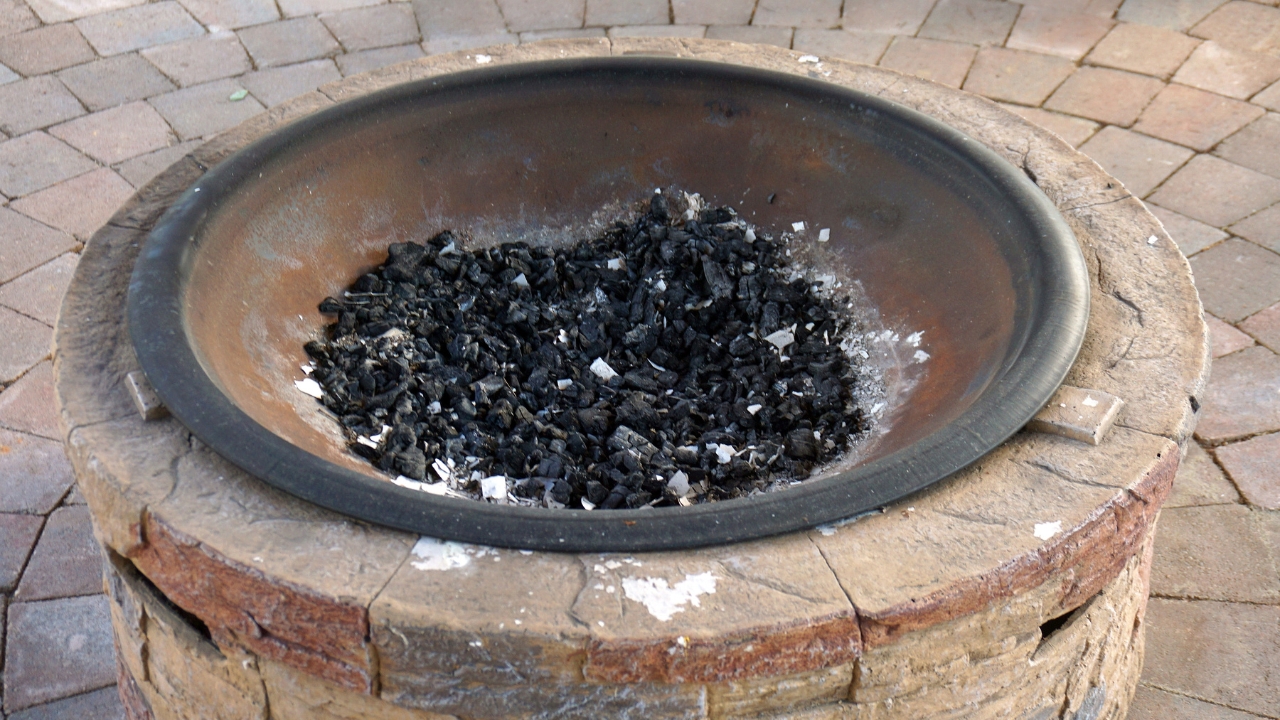
Ash might look harmless once the fire’s out, but it can stay hot for hours—or even longer. Leaving it behind invites wind to stir it up and scatter hot debris across your yard, especially near dry leaves or mulch.
Wait until ashes are completely cold before cleaning them out. Use a metal scoop and store them in a metal container with a lid. Never dump them into the trash or compost until you’re absolutely sure they’ve cooled.
Skipping the Fire Ring or Barrier
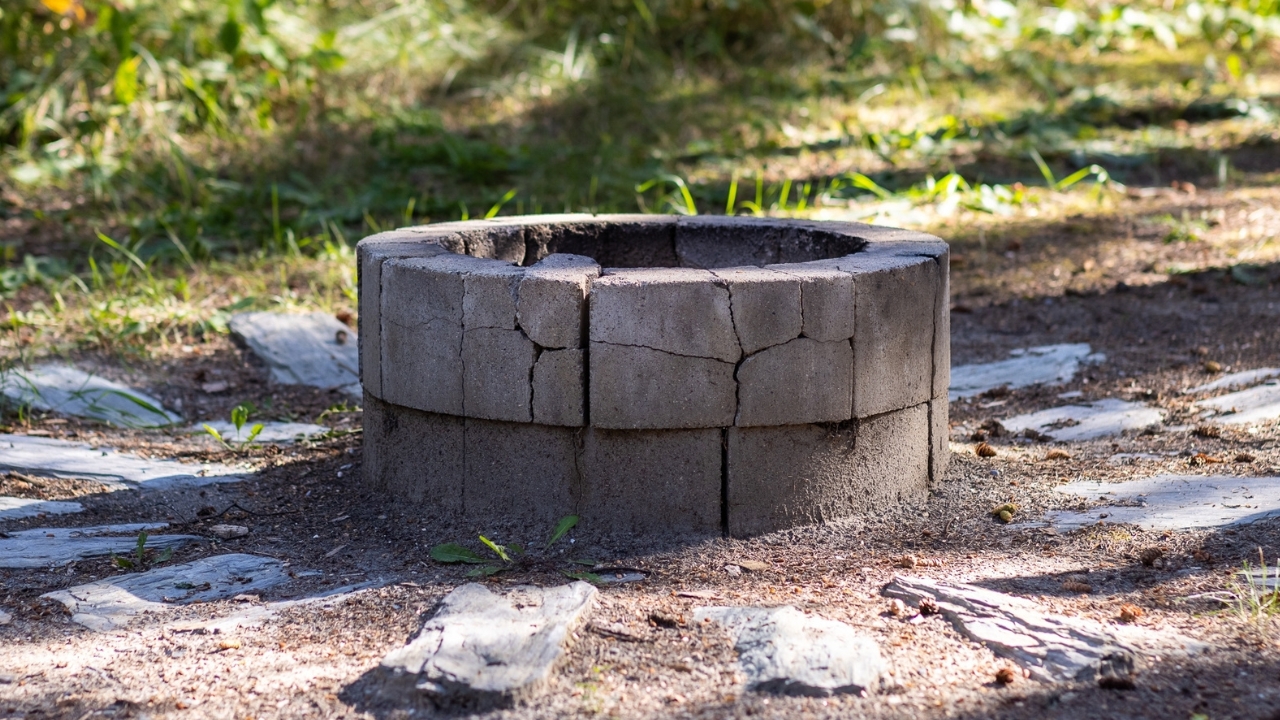
If your pit doesn’t have a ring or a raised edge, flames and embers are more likely to creep out. That’s especially true on uneven ground or when the fire grows larger than expected.
A fire ring keeps things contained and helps you keep the flames where they belong. Even if you’re using a metal bowl-style pit, placing it inside a stone surround or ring gives you more peace of mind.
Leaving It Unattended
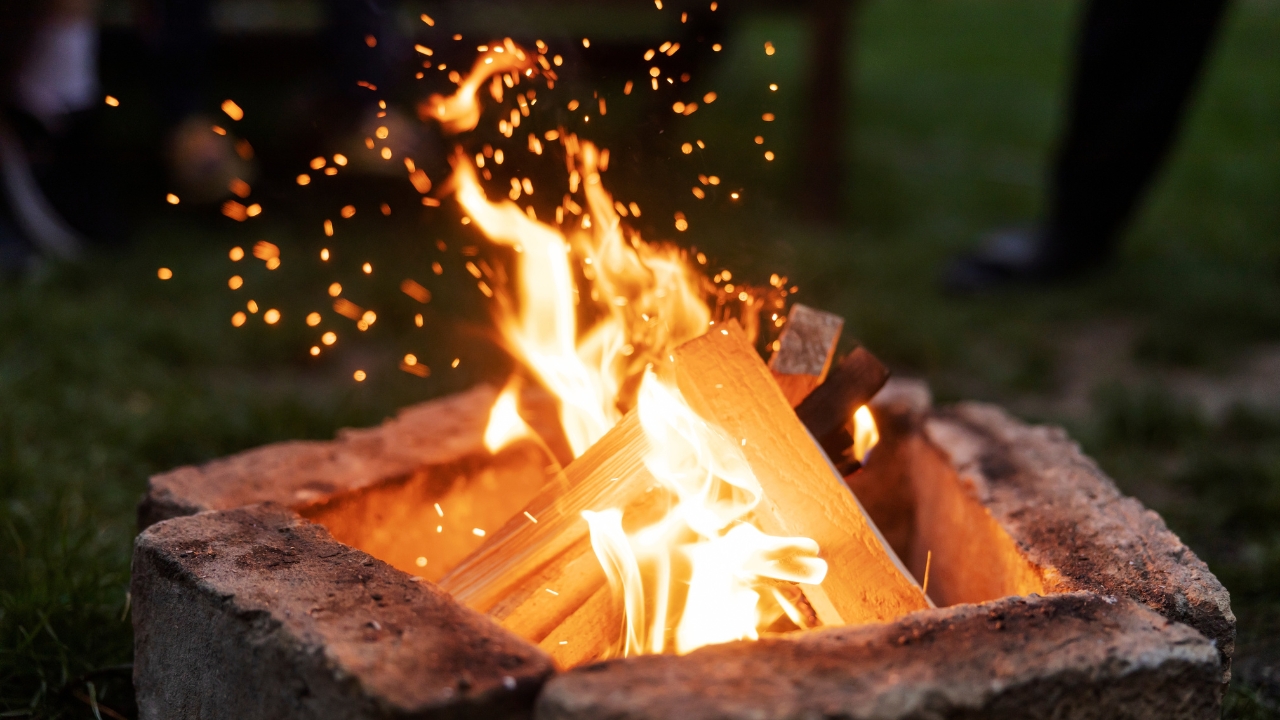
It’s tempting to walk inside for a drink or step away once the fire dies down—but unattended fires are responsible for more backyard disasters than you’d think. One gust of wind or falling log is all it takes.
Always have someone keeping an eye on it, even when it looks “out.” Keep water or a hose nearby and never head to bed before the fire’s fully cold. A little caution goes a long way.
Like Fix It Homestead’s content? Be sure to follow us.