10 Fixes That Make a Humid House Feel Far Less Muggy
Photo credit: Michael O'Keene/Shutterstock.com
If your house feels sticky or heavy in the summer, it’s probably not just in your head. Excess humidity can sneak in through bad habits, overlooked repairs, or even the way your home is set up. That muggy feeling makes it harder to sleep, causes musty smells, and can even invite mold if it sticks around too long.
The good news is you don’t have to live with it. These fixes can help your space feel drier, cleaner, and way more comfortable without cranking the AC nonstop.
Use the Exhaust Fans You Already Have
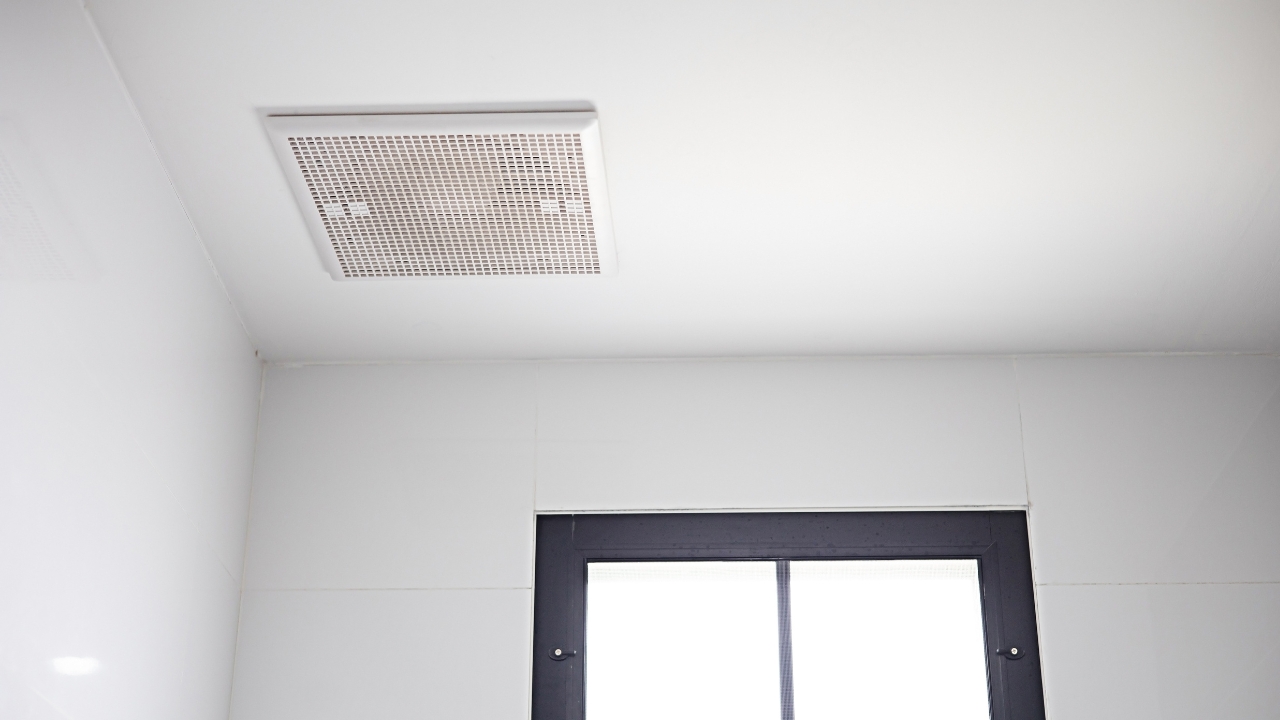
Your bathroom and kitchen fans aren’t just for smoke or steam—they’re your first line of defense against indoor humidity. If you’re not turning them on during showers or while cooking, you’re letting a lot of moisture settle into your house.
Run the fans longer than you think you need to—at least 15 to 20 minutes after high-moisture activities. And check to make sure they’re actually venting outside, not into your attic or walls. If they’re weak or noisy, it may be time for a better unit.
Set Your Thermostat to the Right Temperature
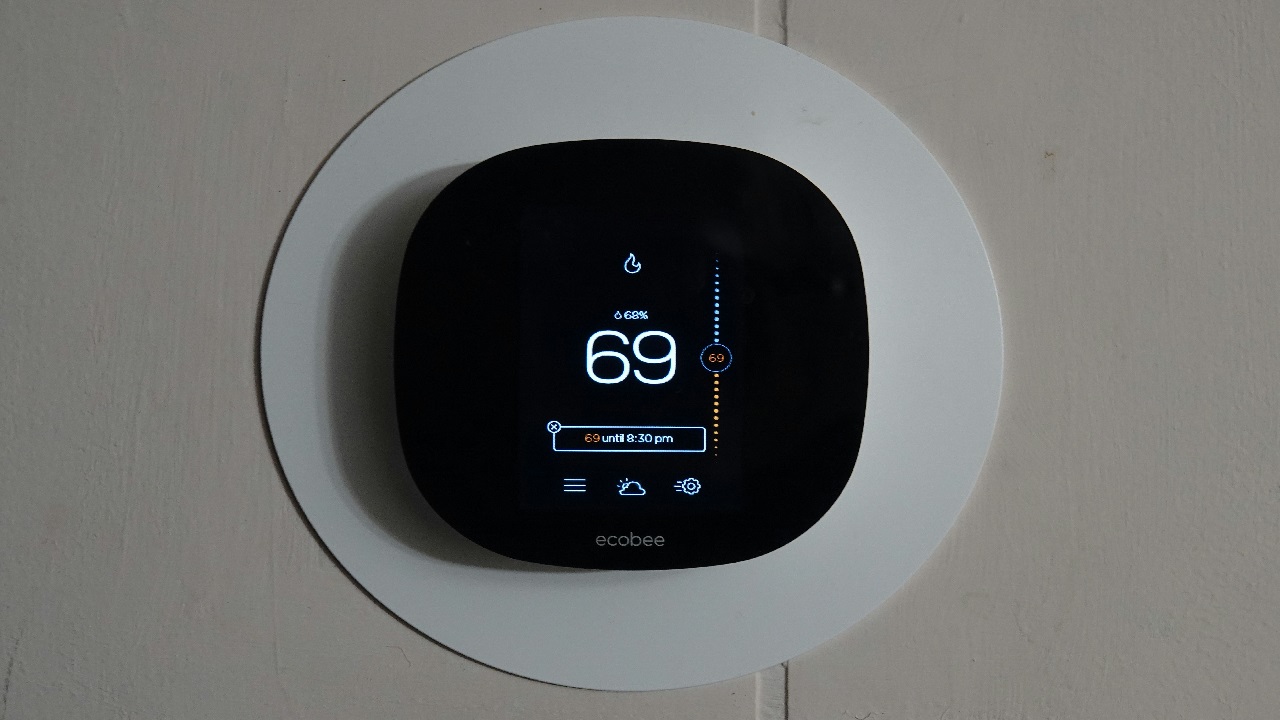
Setting your thermostat too low can backfire. Your AC might cool the air, but if it doesn’t run long enough, it won’t pull much moisture out. On the flip side, if it runs nonstop, you’re paying way more than you need to.
Try setting it around 74–76°F and use a fan to help circulate the air. If your house still feels muggy at that temp, humidity is probably the problem—and you’ll need to focus on that directly instead of chasing a colder setting.
Add a Dehumidifier Where It Matters Most
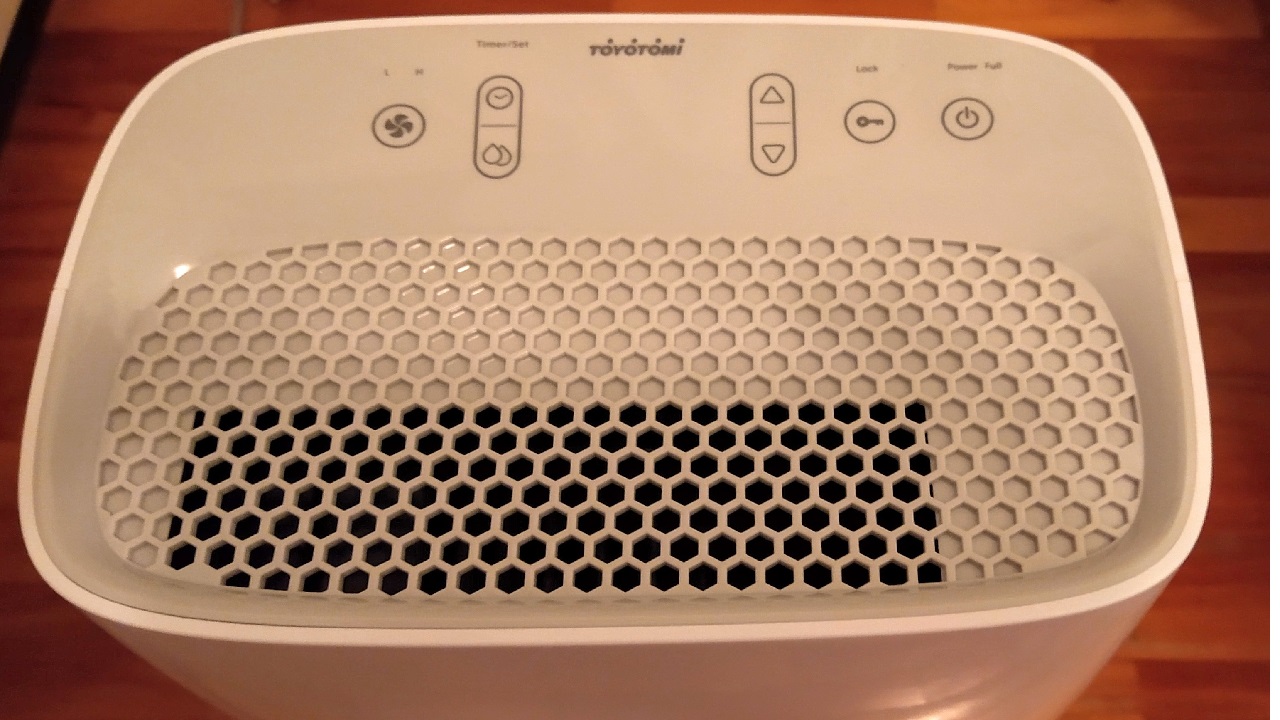
If you’ve got hot spots in your home—like a damp basement, musty laundry room, or stuffy upstairs—a dehumidifier can make a big difference. Some people think of them as optional, but in high-humidity areas, they’re pretty essential.
You don’t have to buy a whole-home system. Even a good portable unit can pull out several gallons of moisture a day. Keep an eye on the humidity level too—anything above 60% indoors starts to feel sticky and encourages mold.
Seal the Gaps You Keep Ignoring
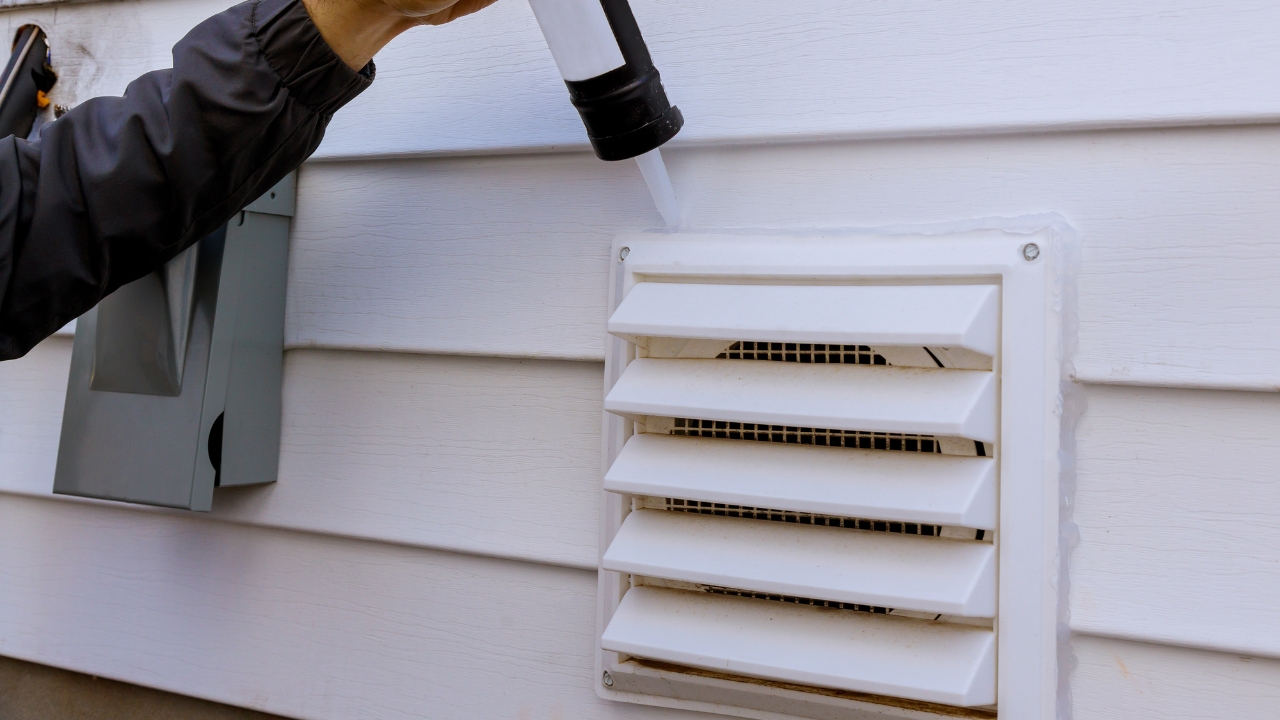
Hot, humid air can creep in from all kinds of places—window frames, door thresholds, attic hatches, dryer vents, even electrical outlets on exterior walls. If your house isn’t well sealed, that muggy air will make itself right at home.
Walk around with weatherstripping and caulk, especially if it’s been a few years since you did it last. You don’t need a full overhaul—sealing the obvious leaks can still make a noticeable difference in how your house feels.
Clean or Replace the AC Filter
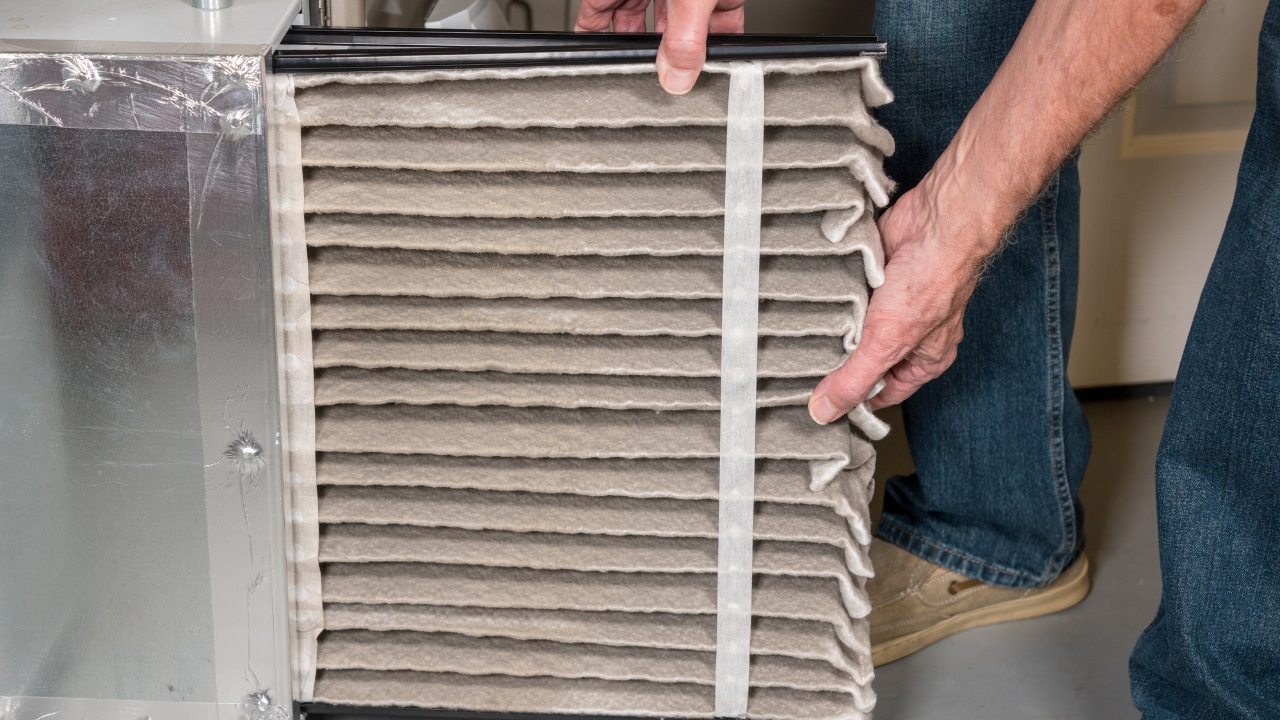
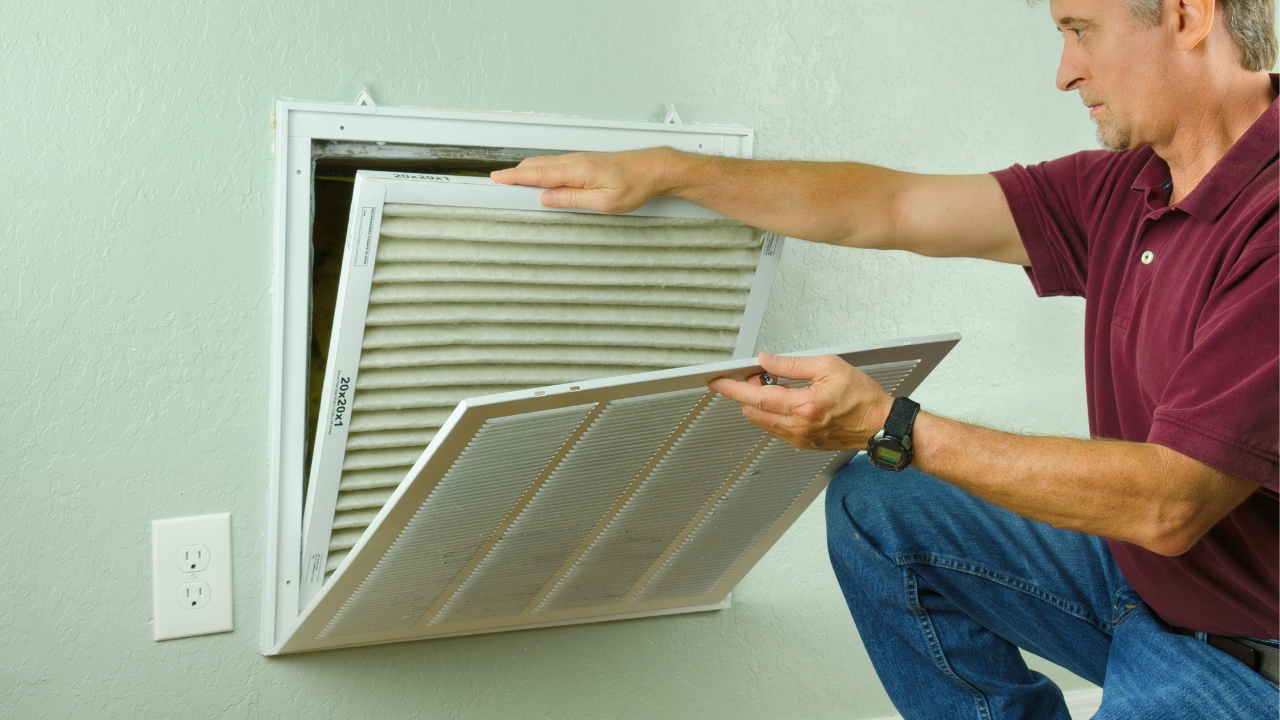
A clogged AC filter can slow down airflow and keep your system from working the way it should. If your air feels stale or damp, the filter is one of the first things to check.
Most filters need to be replaced every 1 to 3 months in the summer. If you live somewhere dusty or have pets, it might need to be more often. A clean filter helps your system pull moisture out of the air faster and more efficiently.
Don’t Air-Dry Laundry Inside

Hanging wet clothes indoors might save on energy bills, but in summer, it’ll spike your indoor humidity fast. Each load holds a lot of moisture, and when you let it evaporate inside, it has nowhere to go.
If you don’t want to use the dryer, hang clothes outside instead. Even better, do laundry in the early morning or late evening when the air’s cooler. Keeping extra moisture out of the air to begin with is half the battle.
Check for Slow Plumbing Leaks

You don’t need a burst pipe to have a humidity issue. A slow leak under the sink, behind the washer, or near the water heater can raise the moisture level without you noticing. Over time, it’ll start to feel muggy—and smell musty.
Do a once-over of your plumbing lines, and don’t ignore drips or water stains. If something feels damp or you notice mildew forming, you’ve probably found one of the culprits.
Avoid Leaving the AC Fan on “On”
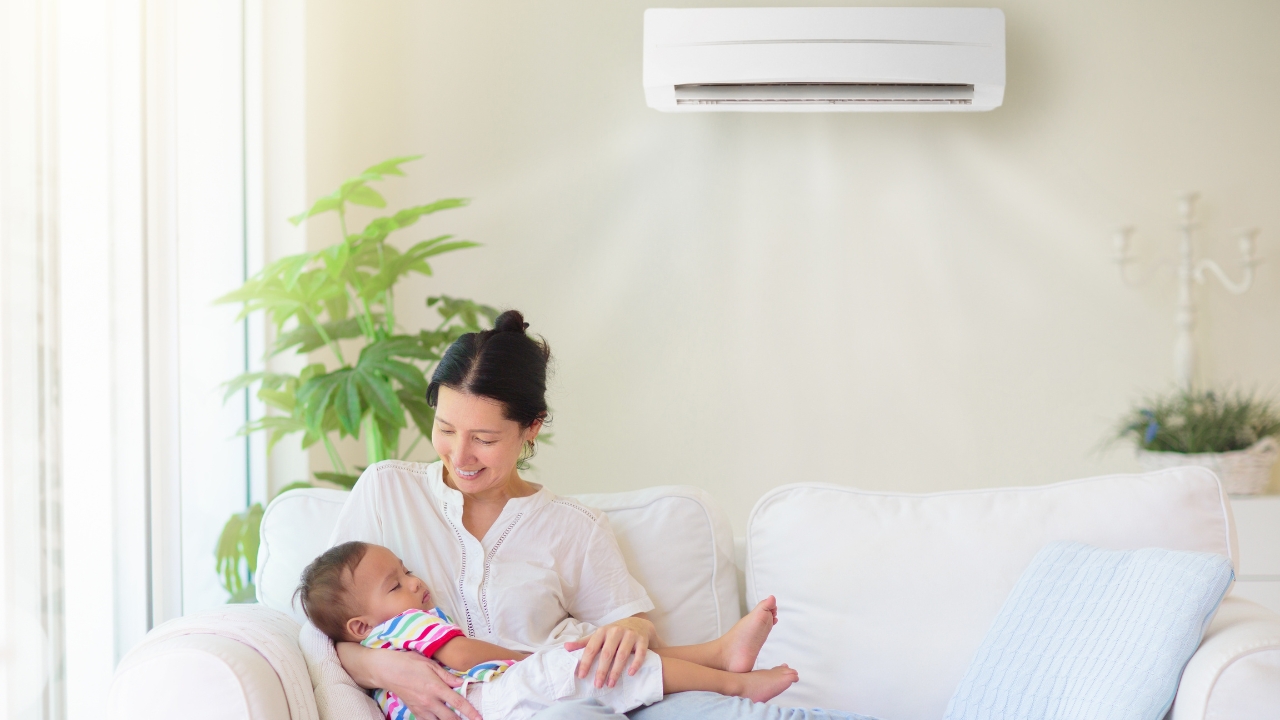
It seems harmless, but leaving your thermostat fan setting on “On” instead of “Auto” can actually make your house feel worse. That setting keeps air moving even when your AC isn’t cooling, which means it might just be circulating humid air.
When the AC isn’t removing moisture, you don’t want to push that damp air around the house. Switching the fan back to “Auto” will help your system run more efficiently and dry the air better.
Keep Your Gutters and Downspouts Clear

This one’s easy to overlook, but when your gutters clog or back up, water spills too close to your foundation. That can cause moisture to seep into crawl spaces or basements, which raises the humidity indoors.
Make sure your downspouts are pushing water away from the house, and give your gutters a mid-summer cleaning if you’ve had storms or heavy tree debris lately. Dry ground around your house helps keep the air inside from getting swampy.
Use Ceiling Fans the Right Way
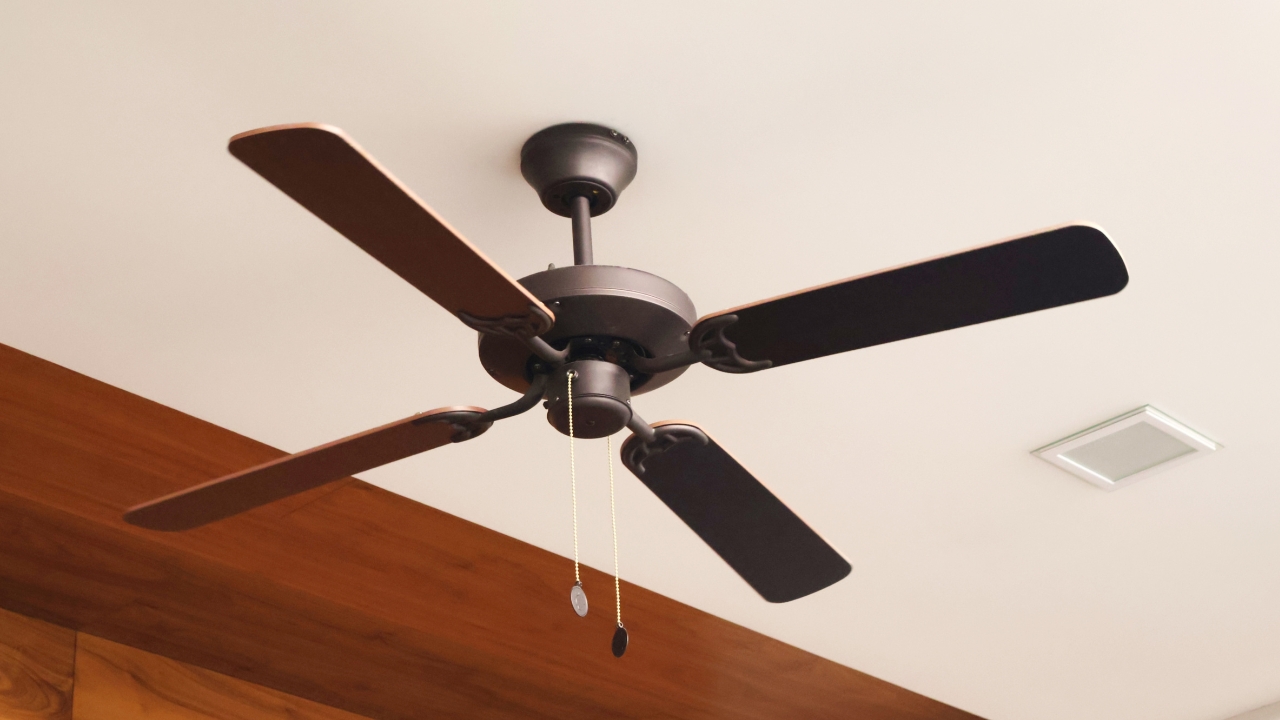
Ceiling fans don’t cool the air, but they do help it feel less heavy by increasing airflow across your skin. If your rooms feel muggy even when the AC is running, fans can help break that still, sticky feeling.
Set your fans to spin counterclockwise in the summer—they should push air down. You’d be surprised how much more comfortable a room feels with better circulation, especially in the evening when the house holds heat.
Like Fix It Homestead’s content? Be sure to follow us.