12 Things You Can Permanently Damage With a Pressure Washer
Photo credit: haveseen/Shutterstock.com
There’s something so satisfying about pressure washing—but that power comes with risk. Some materials can’t take the force, even on the lowest setting. If you go blasting the wrong thing, you’re not just cleaning it—you’re wrecking it.
From water damage to stripped coatings to serious safety issues, these are the things you should never aim your pressure washer at.
Electrical Panels and Meters
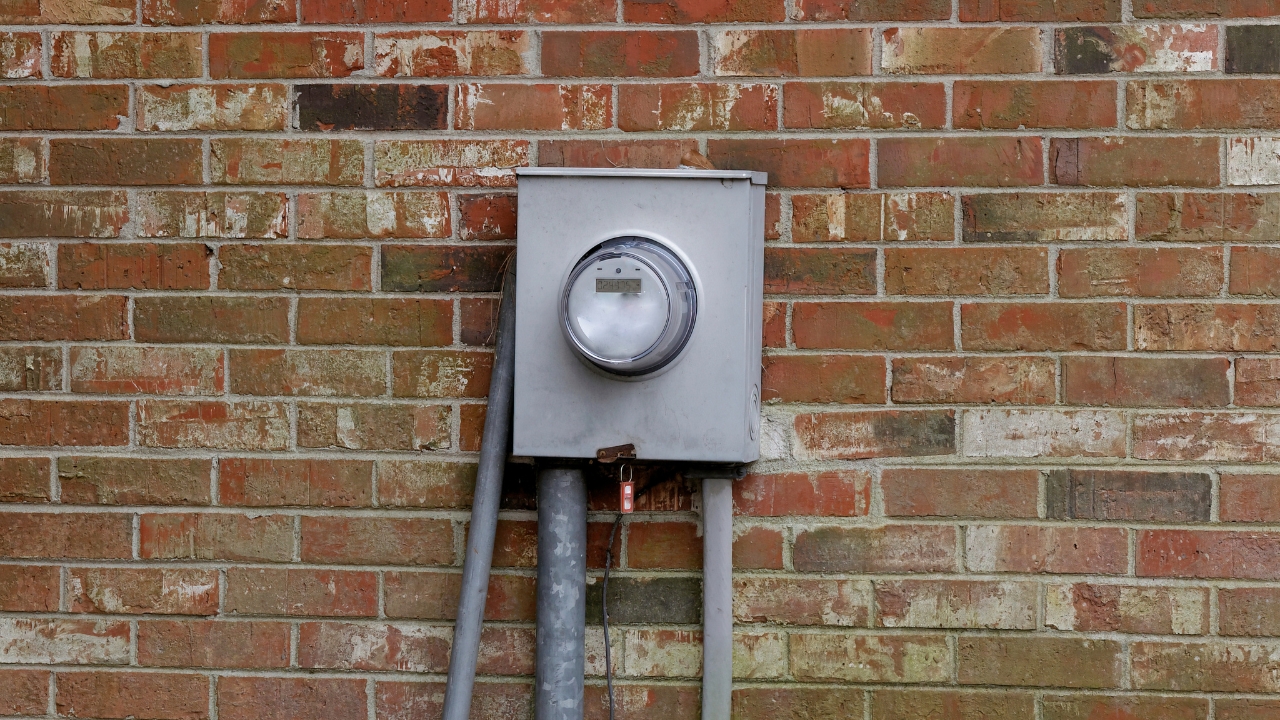
It might sound obvious, but people still do it. Spraying your electrical panel, meter, or outdoor outlets can force water into places it’s not supposed to be. That can lead to corrosion or even fire hazards later on.
Even if the panel’s in a waterproof box, pressure washers push water much harder than rain does. Stick to dry methods or a damp cloth if you need to clean around your service area.
Asphalt Shingles

Power washing your roof might seem like a fast way to knock off debris, but it’ll also knock off the granules that protect your shingles. That weakens the roof and shortens its life.
Even a low PSI setting is too aggressive for most asphalt. If your roof needs a clean, use a soft wash method or hire someone who knows how to clean it without doing long-term damage.
Air Conditioning Units

That outside A/C unit gets dusty and grimy, but don’t hit it with a pressure washer. Those fins and coils are delicate and can easily bend or break under high pressure.
Damaging them reduces airflow and can lead to bigger problems with efficiency or even burnout. Use a vacuum or garden hose on a gentle setting if you need to clean the coils yourself.
Windows and Window Seals
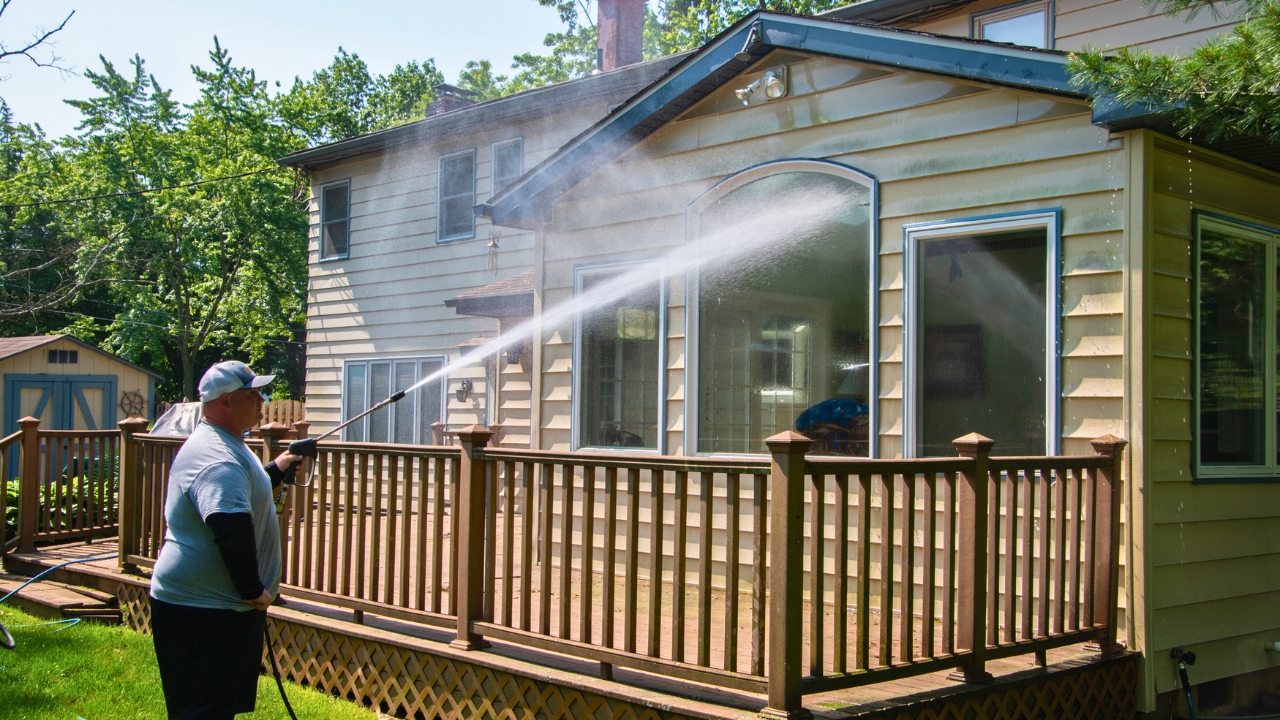
The pressure from a washer can crack glass, especially older panes. But even if the glass holds up, you can still blow out the seal, which leads to fogging or leaks.
Once water gets between the panes or into the frame, you’re looking at expensive repairs. Stick with a garden hose or soft cleaning tools designed for windows.
Vehicles

Unless you’re using a washer made specifically for car detailing, spraying your vehicle with full pressure is asking for paint damage. It can chip the clear coat, force water behind trim, or damage sensors.
Even your tires can suffer if the nozzle’s too close. Use a car-safe setting, nozzle, and cleaner if you want the job done fast without hurting anything.
Painted Surfaces That Aren’t Fully Cured

Freshly painted siding, fences, decks, or furniture should never be hit with a pressure washer. Even if it feels dry, it takes time for paint to fully cure and bond to the surface.
A pressure washer can strip it right off, especially around edges and joints. Give it weeks to cure (depending on the product), and when in doubt, clean gently by hand.
Old Mortar and Brick
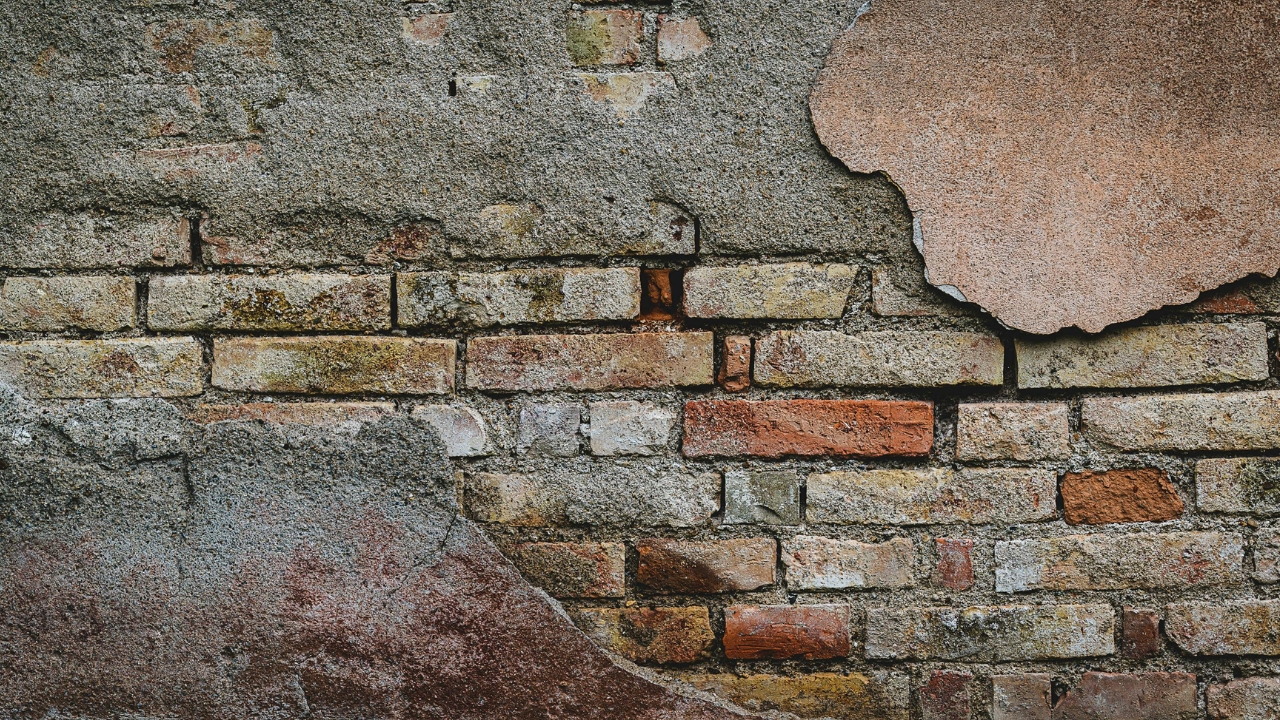
Pressure washing can erode soft or aging mortar, especially on older brick homes or garden walls. Once that mortar starts crumbling, you’re dealing with structural issues.
Even if the brick looks solid, it might be more fragile than you realize. A soft wash with appropriate cleaner is a better option if you want to preserve it long-term.
Wood Siding
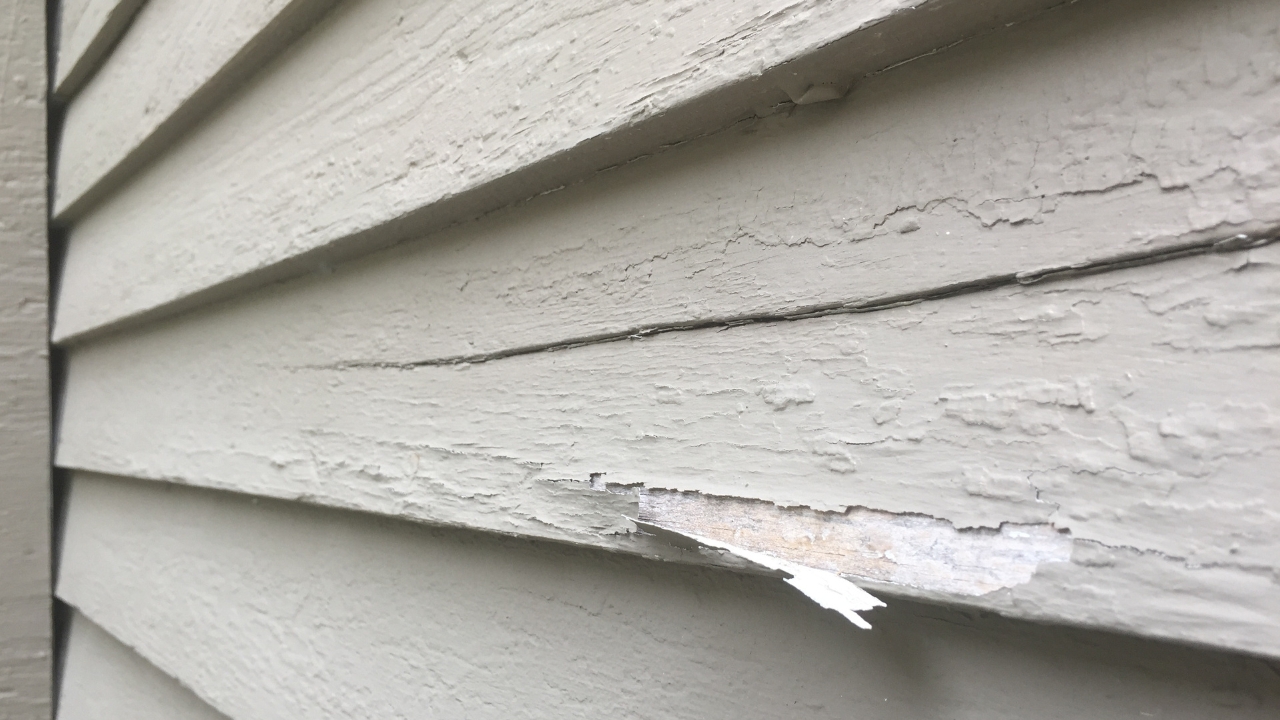
Wood siding can seem tough, but power washing it often leads to splintering or cracking. Water can also get forced under the siding, where it can’t dry out—and that’s when mold and rot show up.
If your siding needs a good clean, go with a low-pressure soft wash or a garden hose and siding brush. It might take longer, but it won’t damage your house.
Outdoor Lighting Fixtures

Even if your lights are rated for outdoor use, blasting them with pressure can break seals, loosen wiring, or knock parts loose. Once moisture gets in, it’s game over.
Stick to wiping them down or using a hose with low pressure. If something needs deeper cleaning, take it apart and clean it by hand.
Gutters
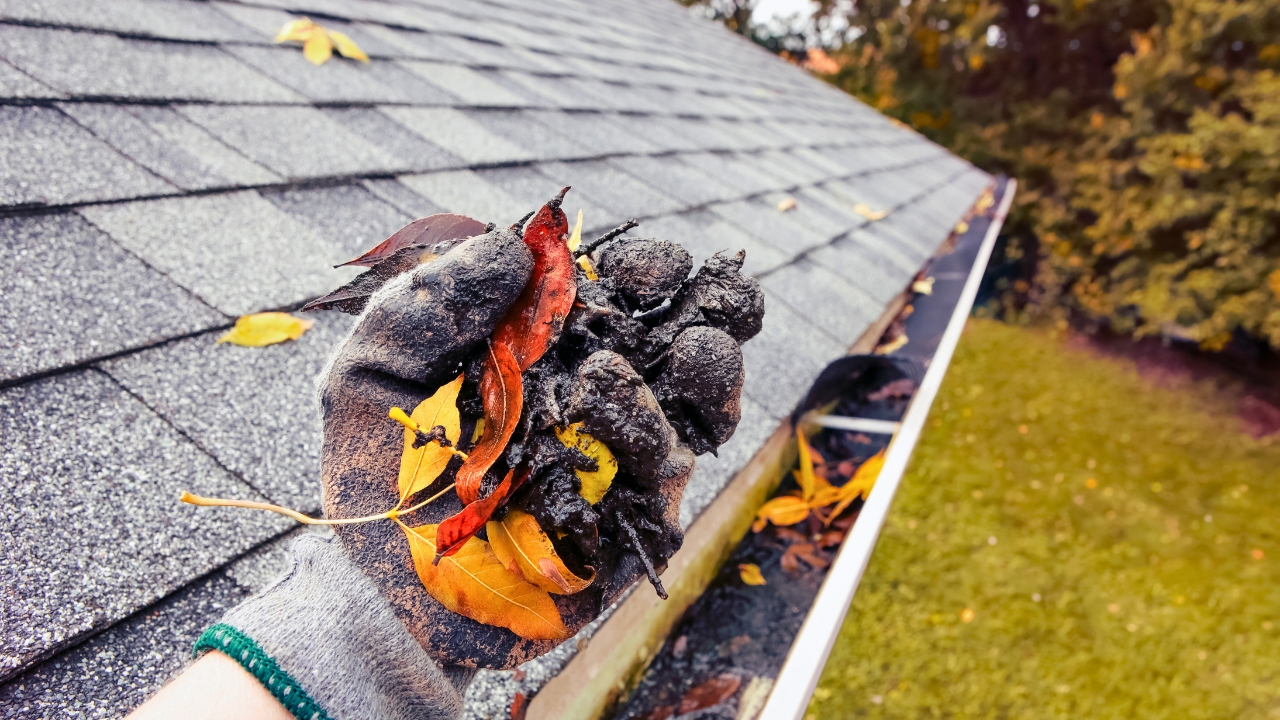
Gutters are thin aluminum or vinyl. Power washing them—especially from the ground up—can bend or detach sections, damage the joints, or force water into the soffit.
A better approach is to clear out clogs by hand and rinse gently. Use a gutter cleaning attachment if you need to stay on the ground, but keep the pressure way down.
Outdoor Cushions and Patio Umbrellas

It’s tempting to blast mildew or bird droppings off cushions or umbrellas, but pressure washing can tear the fabric or break down the water-resistant coating. Once that’s gone, they’ll soak up water and stay damp—which invites mold.
Most of these fabrics are meant to be spot-cleaned or gently scrubbed with a soft brush. Lay them out in the sun to dry fully, and they’ll last a lot longer.
Decks with Loose or Weathered Boards
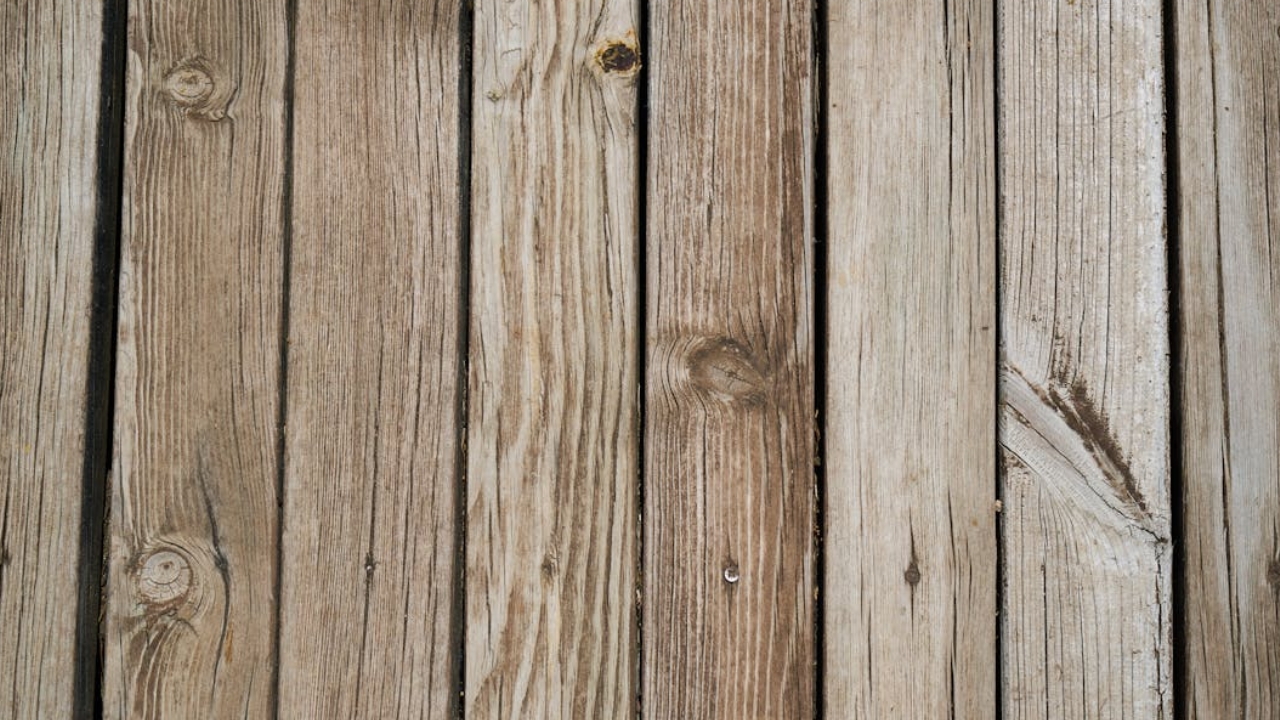
If your deck has even a few splintered, cracked, or loose boards, a pressure washer will make the problem worse. High pressure can split soft wood and widen cracks, and the water can soak in deep and speed up rot.
Before washing, secure or replace any weak boards. Then use a low-pressure setting and hold the nozzle farther back than you think. A cleaner made for wood decks helps you get results without blasting the surface apart.
Like Fix It Homestead’s content? Be sure to follow us.