10 Things You Should Never Clean With Bleach
Photo credit: RYO Alexandre/Shutterstock.com
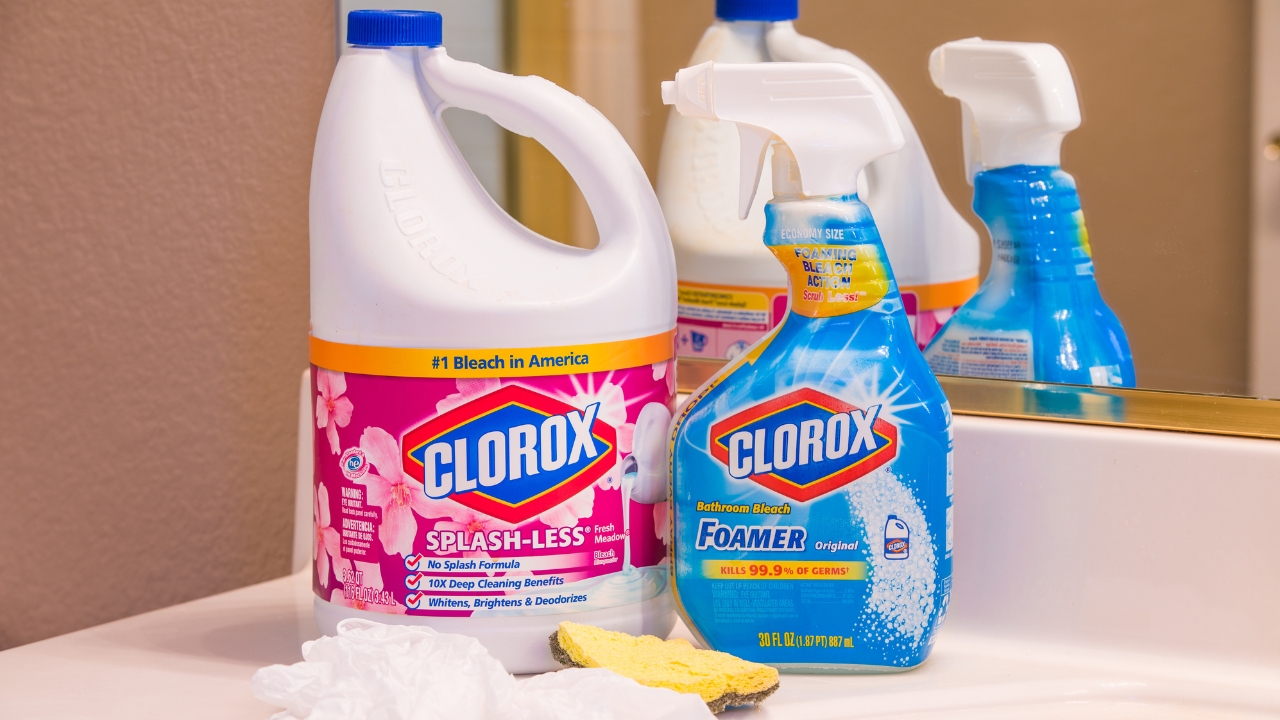
Bleach feels like the go-to for deep cleaning, disinfecting, or getting rid of tough stains. But it’s not the fix-all a lot of people treat it as. It’s strong—strong enough to damage certain surfaces, break down materials, and create toxic fumes when used the wrong way.
Using bleach where it doesn’t belong can shorten the life of your stuff, make your home less safe, and cost you more in repairs or replacements. These are the things you should absolutely keep it away from.
Wood Surfaces
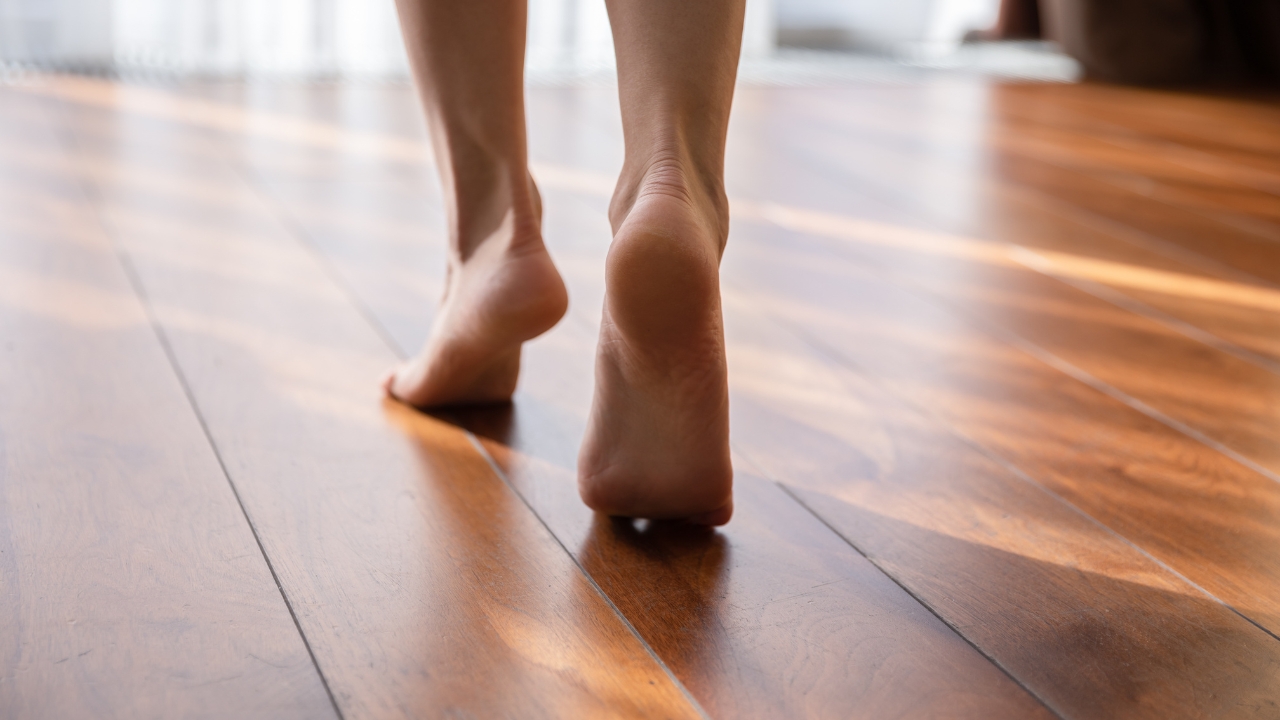
Bleach can strip the finish right off wood and dry it out in the process. It seeps into the grain, leaving uneven discoloration or even permanent stains.
That includes hardwood floors, cutting boards, furniture, and butcher block counters. If you’re trying to sanitize something wood, stick to white vinegar or a mild dish soap and water combo. You’ll clean the surface without wrecking the look or causing long-term damage.
Stainless Steel
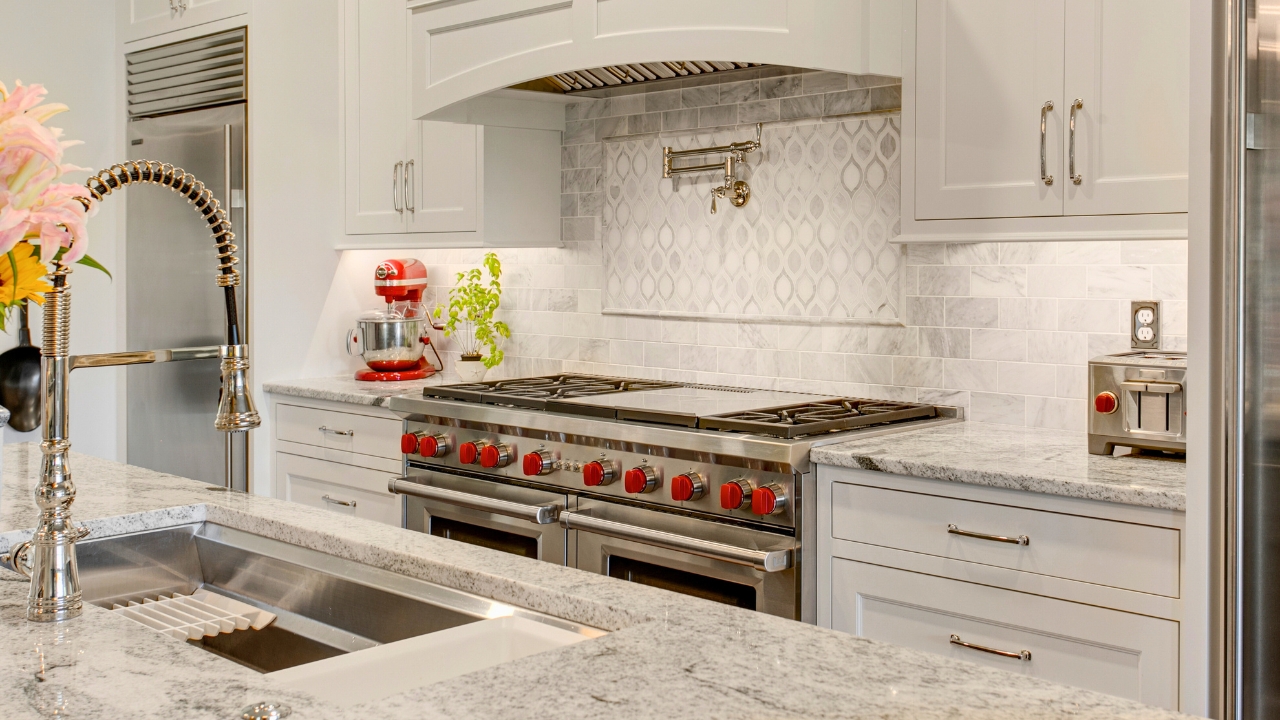
Bleach and stainless steel don’t play nice. It can cause pitting, corrosion, or dullness—especially if the bleach sits for too long or isn’t rinsed thoroughly.
Many kitchen sinks, appliances, and utensils are made with stainless, so it’s worth reading the care instructions before grabbing a bleach-based cleaner. A baking soda paste or vinegar usually does the job without the risk of ruining the surface.
Colored Fabrics

Unless you’re going for a tie-dye effect, bleach is a hard no on colored clothes, towels, or bedding. Even small amounts can pull out color and leave yellow or white splotches behind.
If you’re trying to disinfect or remove stains, oxygen bleach or hydrogen peroxide is a safer option for most fabrics. Always check the care label, and test in an inconspicuous spot if you’re not sure how it’ll react.
Painted Walls

Bleach can break down paint over time, causing it to bubble, fade, or peel. Even diluted bleach can leave behind streaks or dull patches that are hard to cover later.
For marks or mildew, use a gentle cleanser like dish soap and warm water or a product labeled safe for painted surfaces. If you’re fighting mold, vinegar does the trick without ruining the finish.
Electronics
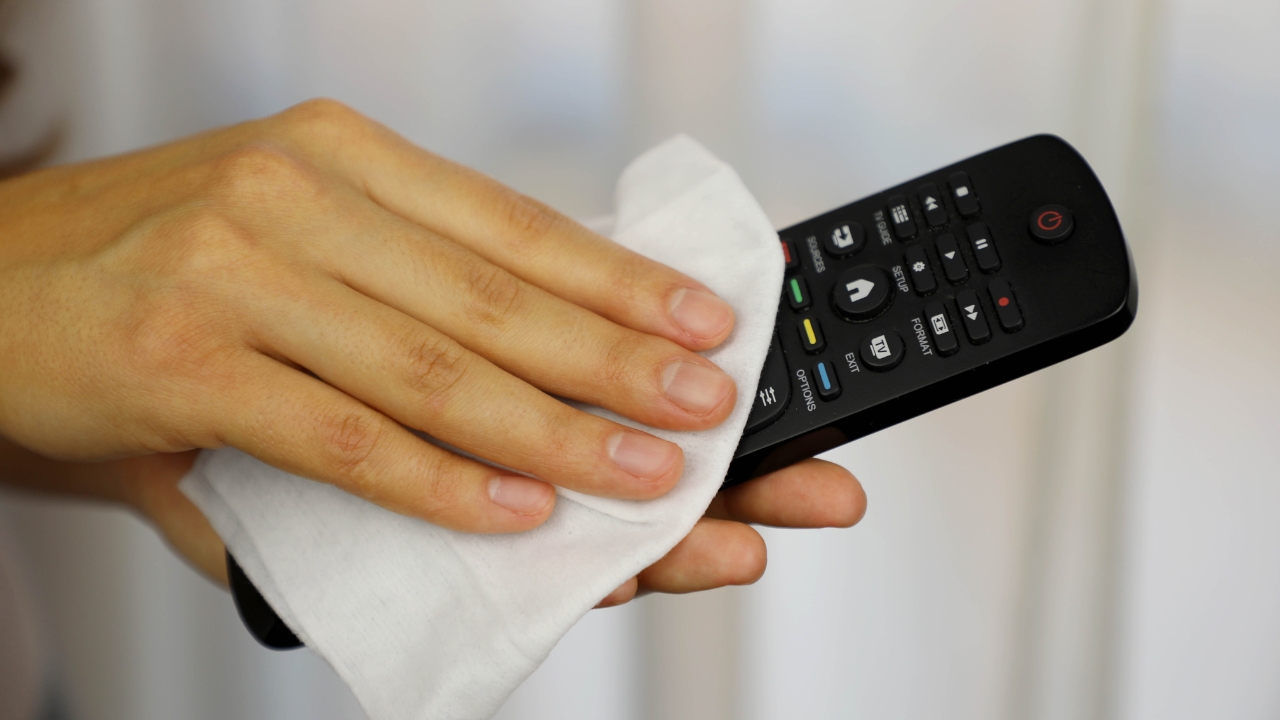
Cleaning keyboards, remotes, or any other electronic surface with bleach is asking for trouble. It’s corrosive and can damage screens, plastic casings, and internal parts if any moisture seeps in.
Use alcohol wipes or a microfiber cloth slightly dampened with rubbing alcohol instead. They’ll disinfect without the harsh effects—and you won’t risk short-circuiting your gear.
Stone Countertops

Granite, marble, and other natural stones are porous, and bleach can eat away at the sealant or cause the surface to dull and discolor. Over time, it can lead to etching or permanent marks.
A pH-neutral stone cleaner is a much better choice. Even warm water and dish soap can keep things clean without harming your countertop’s finish or structure.
Carpet

Bleach can ruin carpet fibers and change the color instantly—often in ways you can’t fix. Even small drops can leave visible light spots or make the fabric brittle.
For stains or odors, use a carpet-safe cleaner or a mixture of vinegar and water. There are also enzyme-based cleaners that tackle smells without messing with the material itself.
Rubber Seals and Gaskets

Using bleach on things like fridge seals, washing machine gaskets, or other rubber parts can cause them to crack and wear out faster. It weakens the rubber and shortens the life of the appliance.
A better option is a mix of baking soda and water or diluted vinegar. It’ll help kill mold or mildew without breaking down the seal.
Aluminum
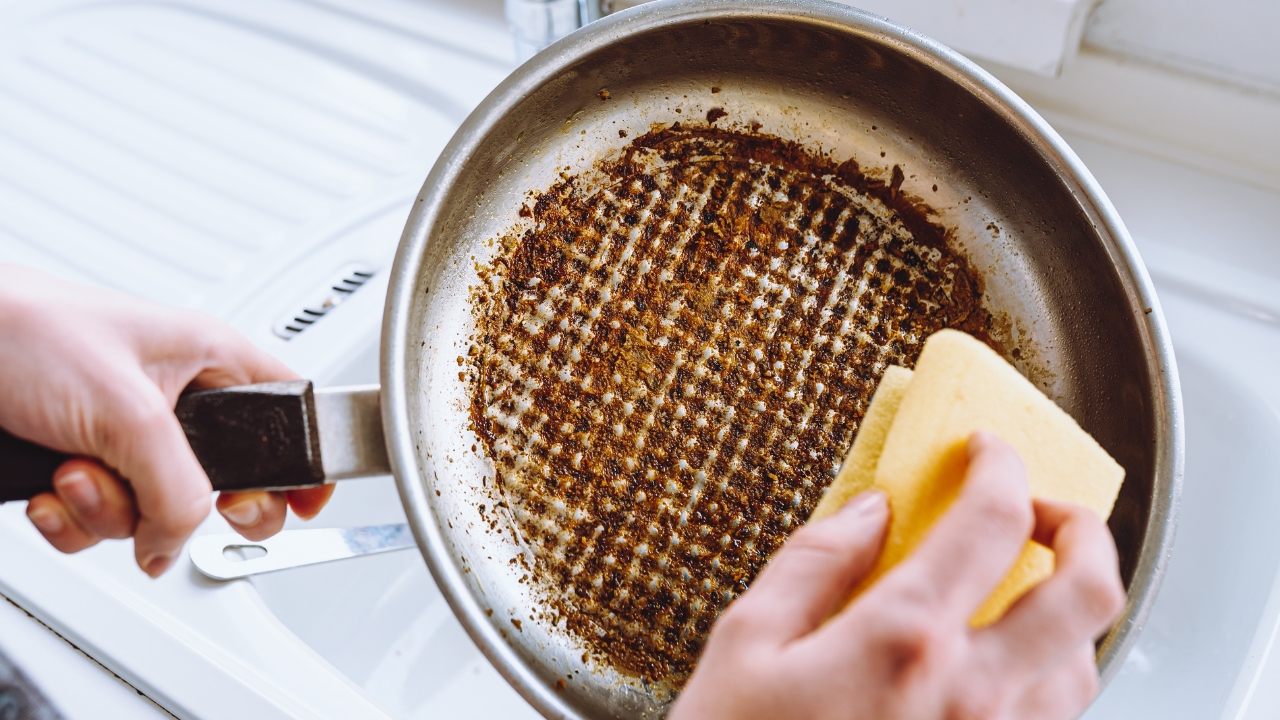
Bleach reacts with aluminum and can cause it to oxidize or weaken. You might see black spots, streaks, or surface corrosion if you use it on aluminum pots, vents, or trim.
Stick to dish soap and water or a specialty cleaner labeled safe for aluminum. It’ll clean effectively without the weird reactions or damage.
Anything Mixed with Ammonia
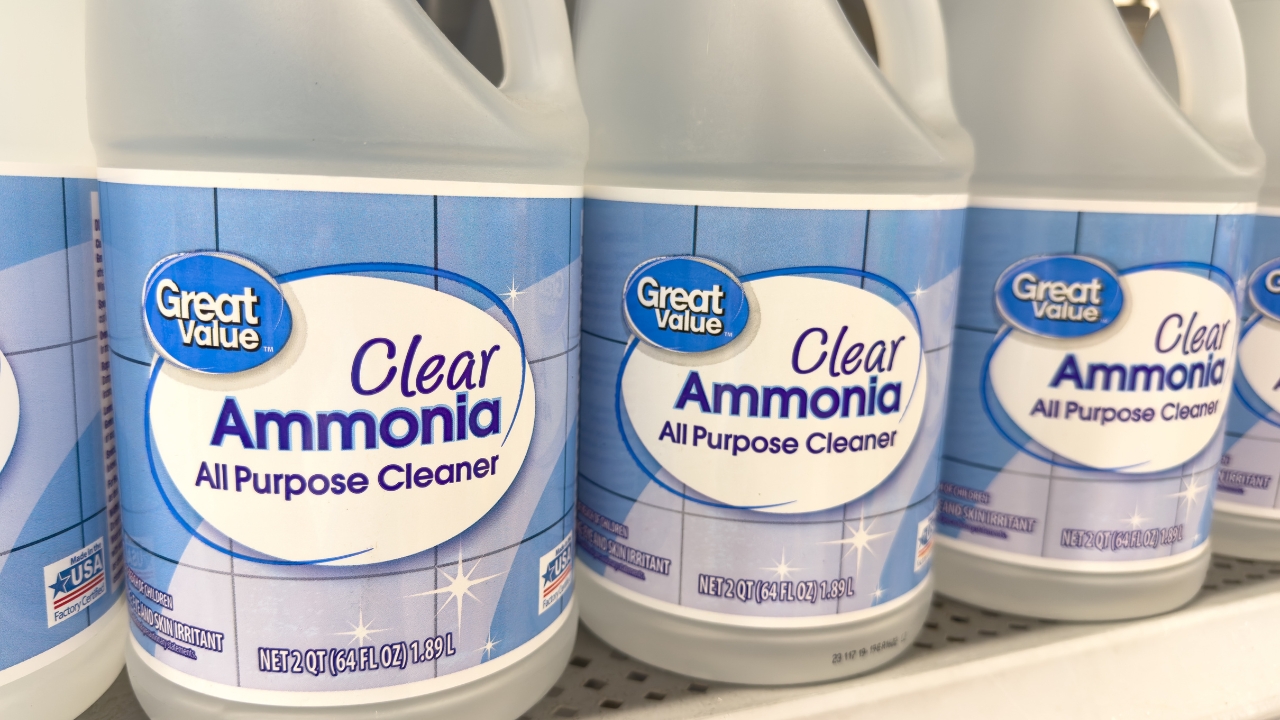
This isn’t about a specific surface—it’s about safety. Bleach should never be mixed with ammonia, even in small amounts. The combo creates toxic chloramine gas, which can irritate your lungs and eyes and, in large amounts, be life-threatening.
Always read labels and keep cleaning products separate. If you need to disinfect, choose one method at a time, and rinse thoroughly between different cleaners.
Like Fix It Homestead’s content? Be sure to follow us.