7 Homemade Bread Mistakes That Make It Go Stale Too Fast
Photo credit: Busra Ispir/Shutterstock.com
Nothing’s more frustrating than pulling a warm loaf out of the oven, slicing off a perfect piece… and then finding it dried out the next day. Homemade bread doesn’t have the preservatives store-bought stuff does, so it takes a little more care to keep it fresh. But if yours is going stale too fast, chances are it’s not the recipe—it’s what you’re doing after the bake.
Here’s what’s likely going wrong.
Cutting It While It’s Still Hot
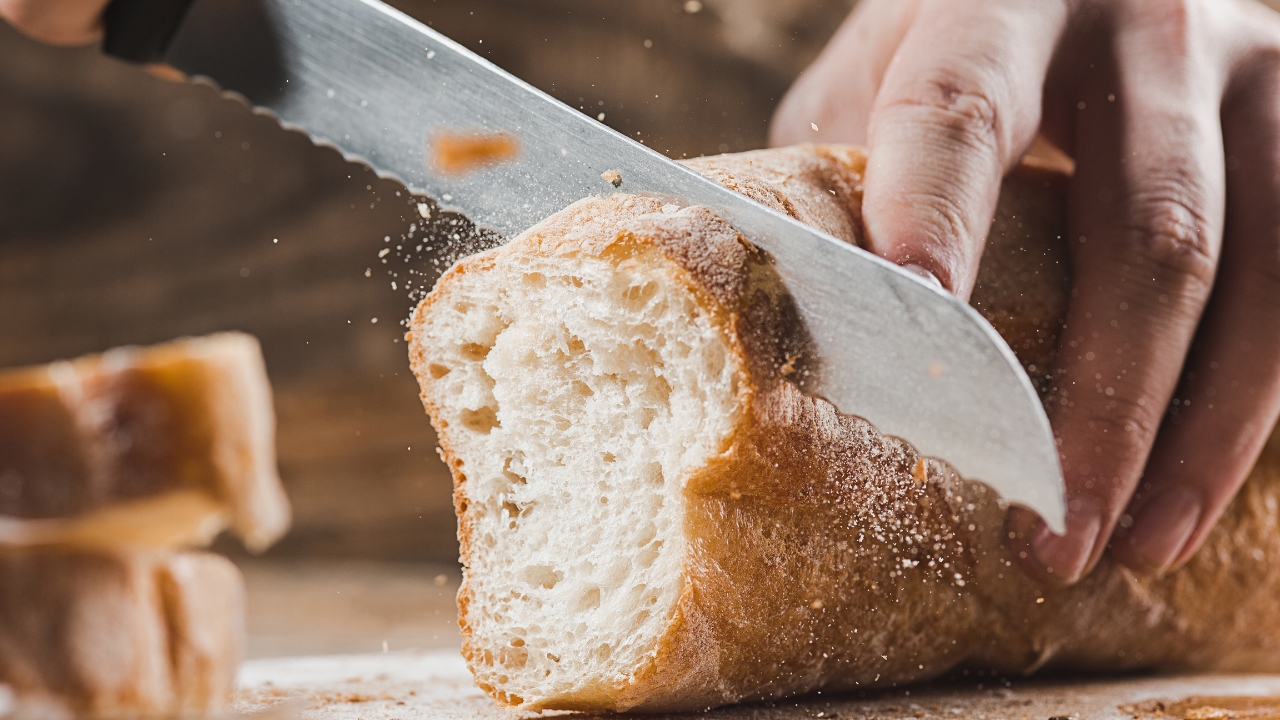
It’s tempting to slice in right away, but cutting into bread while it’s still hot lets all the steam escape. That moisture is what keeps the inside soft for longer.
Let your bread cool completely—ideally for an hour or more—before you cut into it. That way, the crumb sets properly, the crust stays crisp, and you aren’t losing all the internal moisture before it has a chance to settle in.
Storing It in the Fridge

Refrigerating bread seems like a smart way to keep it fresh, but it actually makes it go stale faster. Cold temperatures cause the starches to crystallize, which dries out the texture in a hurry.
If you won’t eat it within a couple days, freeze it instead. Bread freezes well, especially when it’s sliced ahead of time, and it thaws much better than anything that’s been sitting in the fridge.
Leaving It on the Counter Uncovered
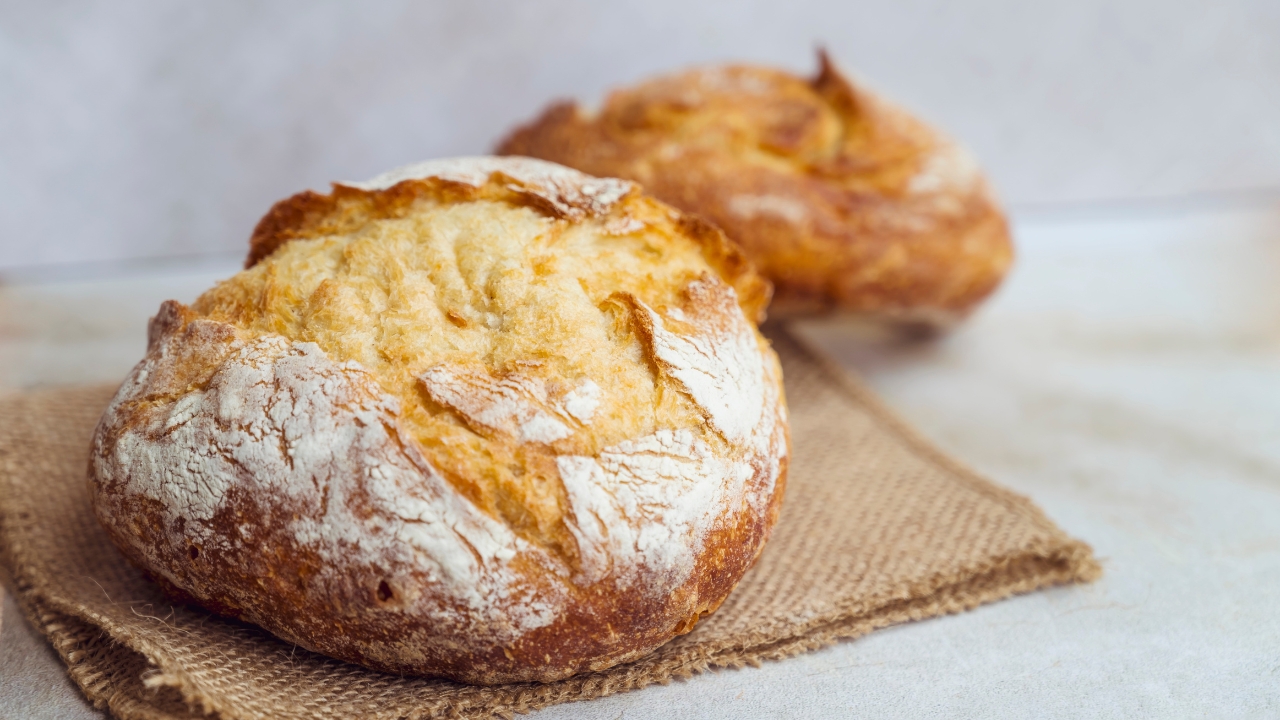
Leaving bread out without any covering exposes it to air, which pulls moisture from the crust and crumb. Even a few hours uncovered can make it feel like it’s a day old.
If you’re keeping it at room temperature, wrap it in a clean kitchen towel or store it in a paper bag. That protects the crust without trapping too much moisture, which can also cause issues.
Using Plastic Wrap or Zip-Top Bags

Sealing bread in plastic traps moisture, which can make the crust soggy and encourage mold. It might stay soft a little longer, but it won’t taste or feel fresh.
For short-term storage, go with breathable options like cloth or paper. If you do use plastic, only do it after the bread has fully cooled, and try to eat it quickly. Otherwise, you’re trading shelf life for quality.
Not Freezing It the Right Way
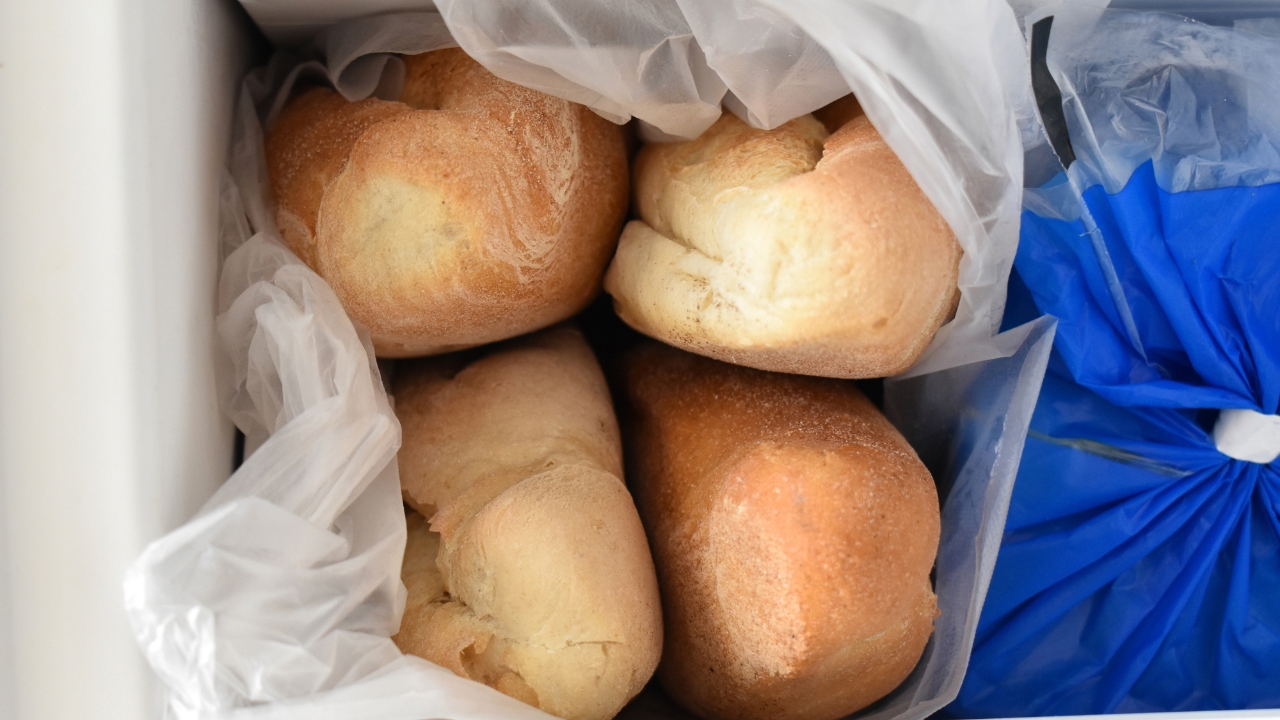
Freezing can be great—but only if you prep it right. Tossing a warm loaf straight into the freezer leads to ice crystals and freezer burn. And freezing an unwrapped loaf dries it out over time.
Let the bread cool completely, then wrap it tightly in foil or freezer paper, followed by a freezer-safe bag. If it’s a big loaf, slice it first so you can thaw individual pieces as you need them.
Using the Wrong Flour

Flour choice affects moisture retention more than you’d think. All-purpose and bread flours tend to produce loaves that stay softer longer, while some whole grain or alternative flours lead to drier bread faster.
If your bread consistently goes stale within a day, consider tweaking the flour or adding something like fat (butter, oil, or eggs) to help it retain more moisture during baking and storage.
Overbaking It

Even five extra minutes in the oven can start drying your loaf out. Overbaked bread might look fine at first but tends to harden quicker as it sits.
Use a thermometer to check doneness—190°F to 200°F in the center is plenty for most loaves. That way, you get a fully baked interior without sacrificing the next-day texture.
Like Fix It Homestead’s content? Be sure to follow us.