9 Household Items That Belong Far Outside Your Dog’s Reach
Photo credit: unsplash.com
Dogs have a way of getting into things you thought were safe—especially if they’re bored, curious, or food-motivated (which most are). Even well-trained dogs will test the limits now and then. The problem is, a lot of everyday stuff around your house can turn dangerous fast once a dog gets into it.
Whether it’s toxic, choking-sized, or messy, some things need to be stored way out of reach.
Human Medications

Even small amounts of common medications like ibuprofen, acetaminophen, or allergy pills can be toxic to dogs. Pain relievers are especially dangerous and can cause organ failure if ingested.
Keep all medications in a secure cabinet or drawer—not on a nightstand or counter. If your dog has a habit of counter-surfing, consider childproof containers and higher shelves. Pills dropped on the floor should be picked up immediately, even if you think your dog wasn’t looking.
Sugar-Free Gum and Candy

Anything that contains xylitol should be treated like poison in a dog household. This sweetener is in a lot of sugar-free gum, mints, and even some peanut butters. It can cause a severe drop in blood sugar or liver failure.
Even a single piece of gum with xylitol can be life-threatening for a small dog. Keep purses, gym bags, and candy bowls out of reach. Don’t assume wrappers will keep them safe—dogs can smell right through them.
Cleaning Products
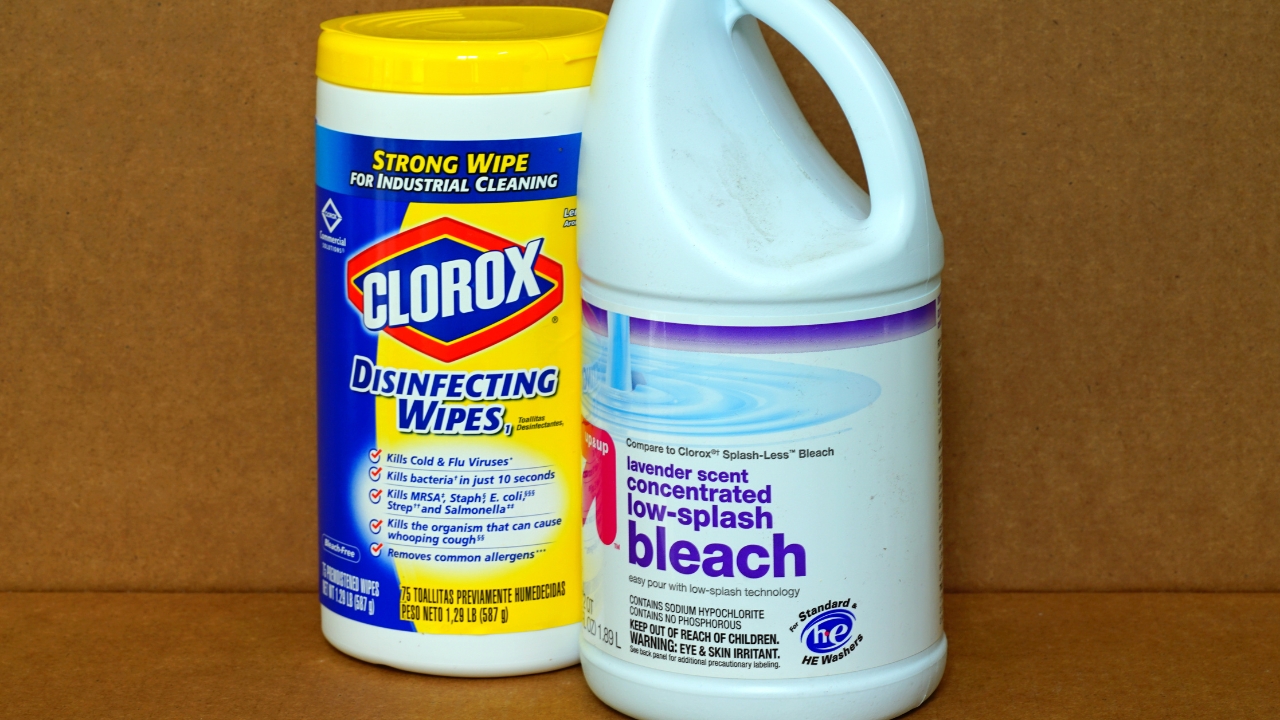
Bleach, toilet bowl tablets, and surface sprays are all risky for dogs. They can irritate the skin, damage internal organs, or cause chemical burns if licked or chewed.
Store cleaners in cabinets with doors that latch or close tightly. If you use products on the floor or low surfaces, wait until they’ve dried completely before letting your dog back into the space. Don’t leave sponges or cleaning cloths lying around either—they absorb chemicals.
Raw Dough and Rising Bread

If your dog eats rising dough, the yeast can expand in the stomach and release alcohol during fermentation, which can lead to bloating and serious illness.
Don’t leave dough on the counter unattended. If you’re proofing bread or rolls, keep the bowl or pan in the oven (turned off), a microwave, or behind a closed door. It’s one of those risks people don’t think about until it’s too late.
Socks, Underwear, and Hair Ties
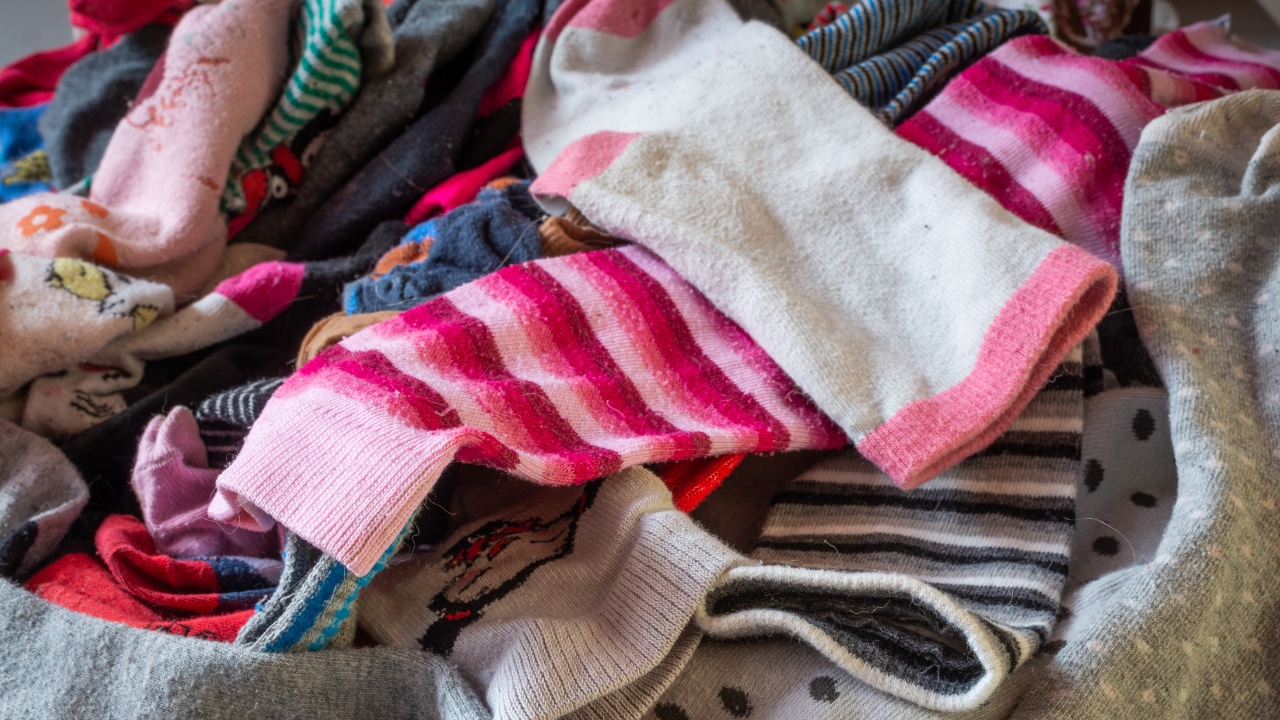
These items might seem harmless, but they’re some of the most common causes of intestinal blockages in dogs. Many dogs love chewing on things that smell like you, and once swallowed, fabric and rubber can be hard to pass.
If you’ve got a dog who loves laundry baskets or bathroom trash, move those items out of reach. Keep closets shut and hampers covered. Catch it early if they’ve swallowed something—blockages can become emergencies quickly.
Grapes and Raisins

Even a small number of grapes or raisins can lead to kidney failure in dogs. No one’s totally sure why, but the reaction is well documented, and it doesn’t take much.
Make sure snacks like trail mix, granola bars, and oatmeal cookies are stored in sealed containers or high cabinets. If you drop a grape on the floor, treat it like a spilled pill—grab it fast before your dog does.
Trash Cans

Household trash is a treasure trove of danger for dogs. Chicken bones, spoiled food, plastic wrap, coffee grounds—it’s all fair game to a curious pup and most of it can hurt them.
Use trash cans with locking lids or store them inside a cabinet. If you leave the house for long periods, make sure your dog can’t access any bins. Bathroom trash is especially risky with items like floss, feminine products, and medications.
Craft Supplies and Small Toys

Glue sticks, beads, string, crayons, and tiny plastic pieces are all choking hazards—and some craft supplies contain harmful ingredients too. Dogs don’t always chew things thoroughly before swallowing.
Keep art supplies and toys boxed up and stored out of reach when not in use. If you’ve got kids, teach them to clean up when they’re done. It’s easier than explaining to the vet how your dog ended up with glitter glue in their stomach.
Houseplants That Are Toxic to Dogs
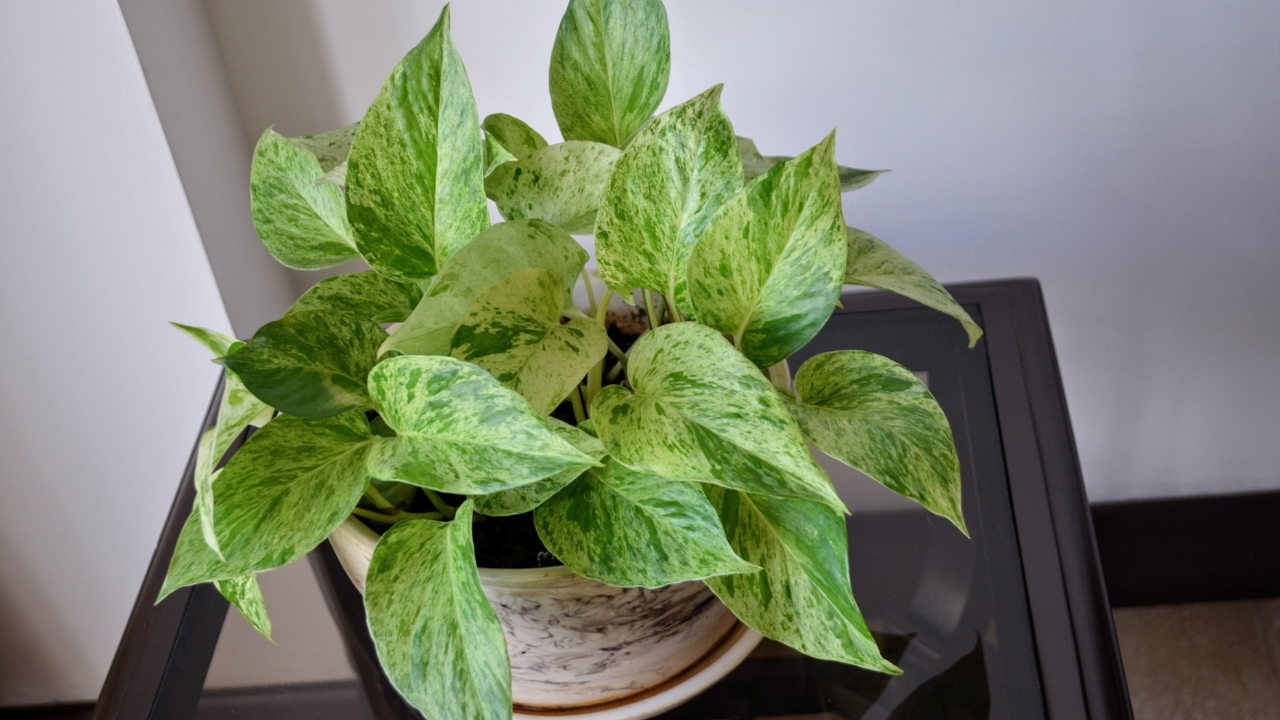
Many popular houseplants like pothos, peace lilies, and snake plants can make dogs sick if chewed or eaten. Symptoms vary from vomiting and drooling to more serious issues depending on the plant.
Before bringing a new plant home, look up whether it’s pet-safe. Put toxic plants on high shelves or in hanging baskets where your dog can’t reach them—or skip them altogether if your dog’s a known plant chewer.
Leftovers and Table Scraps

Bones, onions, garlic, fatty meat, and rich sauces can all mess with a dog’s digestive system—or worse. It’s tempting to toss a scrap now and then, but it creates a habit that can get risky fast.
Don’t leave plates on the table or food on the counter if your dog has access. Train everyone in the house not to feed from their plate, and store leftovers in sealed containers away from your pup’s reach.
*This article was developed with AI-powered tools and has been carefully reviewed by our editors.
Like Fix It Homestead’s content? Be sure to follow us.