9 Types of Firewood That Make Your House Smell Awful
Photo credit: pexels.com
There’s nothing like the smell of a wood fire—unless you picked the wrong wood. Some types stink to high heaven once they hit the flame. That nasty smell can fill your house, stick to your clothes, and even linger in your chimney.
If you’re heating with wood or lighting up a backyard fire pit, knowing which woods to avoid can save you a whole lot of nose-wrinkling and regret. Here’s what to steer clear of if you want a clean, comfortable burn.
Boxelder

Boxelder might be easy to find, but it’s known for smelling downright foul when it burns. Think of a sour, funky odor that’s hard to ignore once it’s going.
It also doesn’t burn very hot or long, so you’re not gaining much even in terms of heat. If you’ve got it stacked, go ahead and use it for outdoor fires where smell isn’t a big deal—but skip it for the wood stove or fireplace.
Poplar
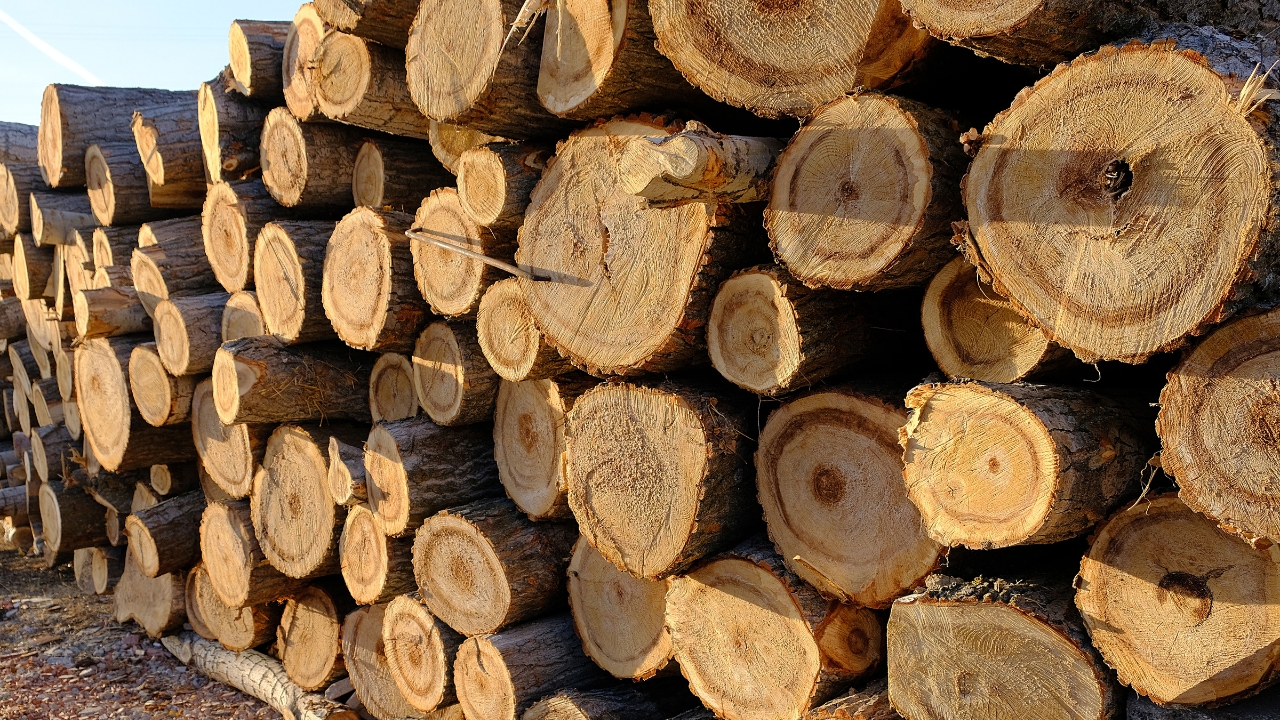
Poplar burns fast and produces a lot of smoke, but the smell is what really turns people off. It’s got a damp, almost musty odor that’s hard to enjoy indoors.
It doesn’t put out much heat either, so you’re not getting a great return for your effort. It’s okay for kindling or quick outdoor burns, but most people avoid using it in enclosed spaces.
Elm

Elm is infamous for being a pain to split, and to top it off, it has a distinct, almost urine-like smell when burned. It’s one of the more off-putting options if you’re heating your home.
Even when well-seasoned, elm’s odor tends to linger. Some folks get used to it, but if you’re sensitive to smells, this one’s better left out of your stack.
Willow

Willow is full of moisture, even when it looks dry. That means it smokes like crazy—and not in a good way. The smell is sour and swampy, especially indoors.
It also doesn’t throw off much heat. You’re better off composting or chipping it than trying to burn it for warmth. It’s more hassle than it’s worth in a fireplace.
Cottonwood
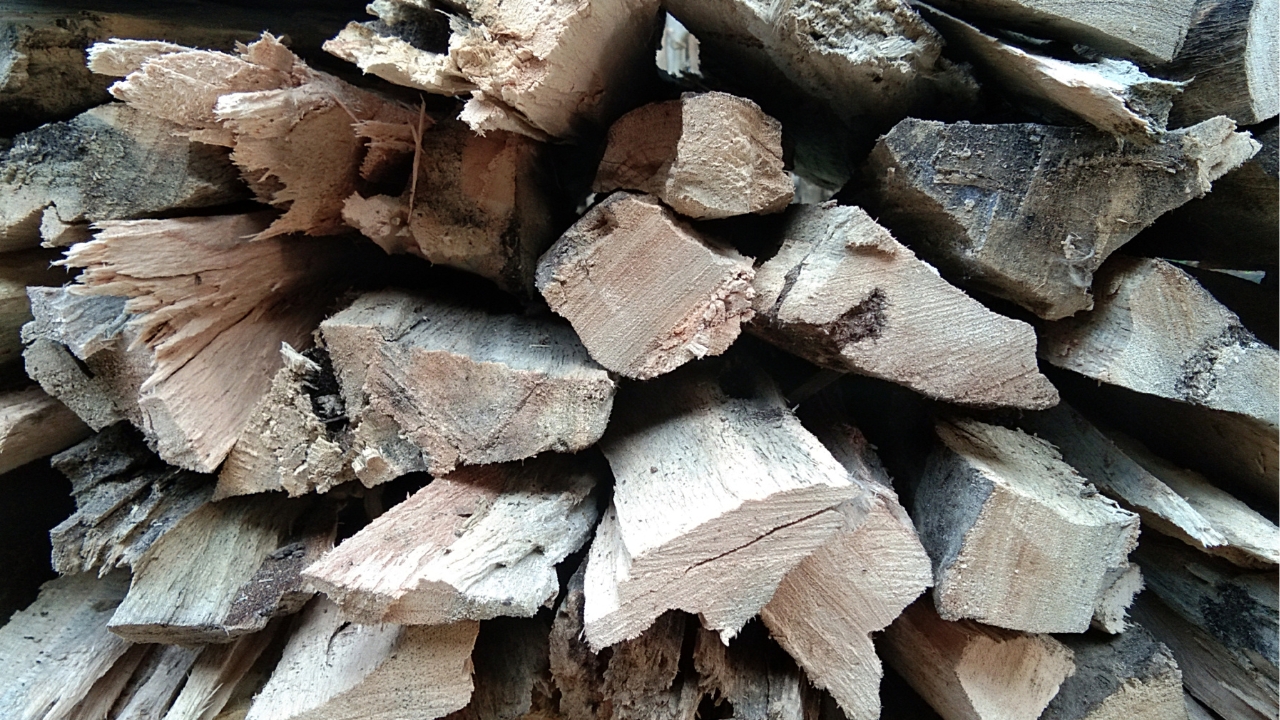
Cottonwood has a wet, bitter smell when burned, especially if it’s not fully seasoned. Even when dry, it still puts out an unpleasant aroma that most people don’t care for.
It also pops and smokes a lot, which makes it even worse for indoor use. It’s often used outdoors for bonfires, but you’ll notice the smell in your clothes afterward.
Pine (Unseasoned)
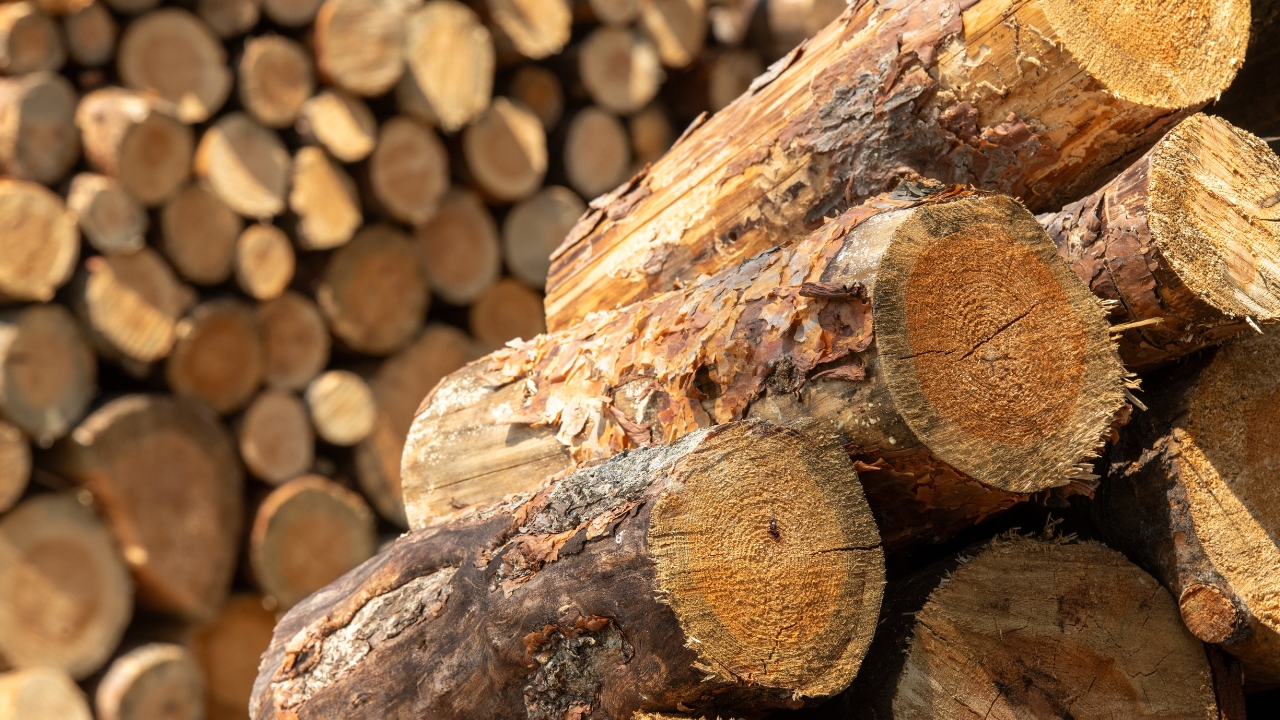
Unseasoned pine smells harsh and resinous when it burns—and not in a good way. It can fill your house with a sharp, smoky scent that lingers long after the fire’s out.
On top of that, the sap can gum up your flue and cause creosote buildup, which is a safety hazard. If you’re going to burn pine, make sure it’s well-seasoned and save it for outdoor use.
Osage Orange
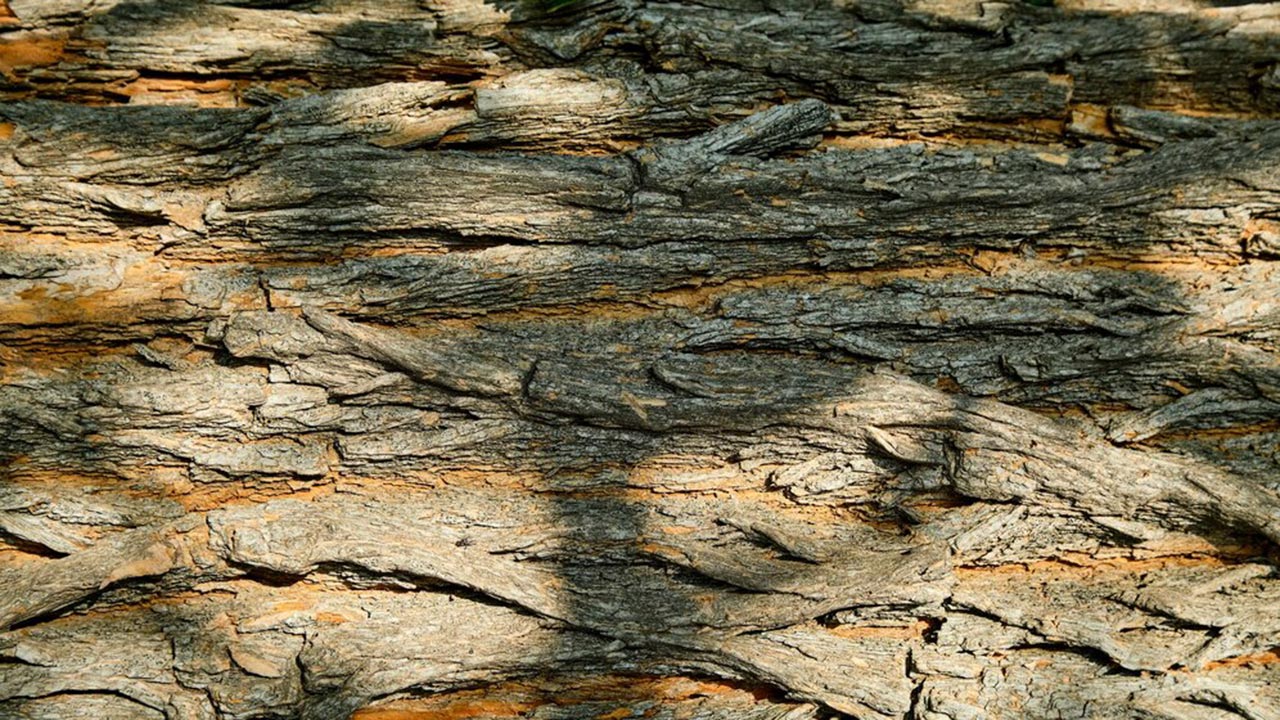
Osage orange burns hot—so hot it can warp your stove or grate—but it also smells like burning rubber to some people. It’s not a scent most folks want in their living room.
Some say the smell’s tolerable if you’re outdoors, but it’s too intense for indoor use. If you’re going to burn it, mix it with better-smelling hardwoods or keep it outside.
Black Locust
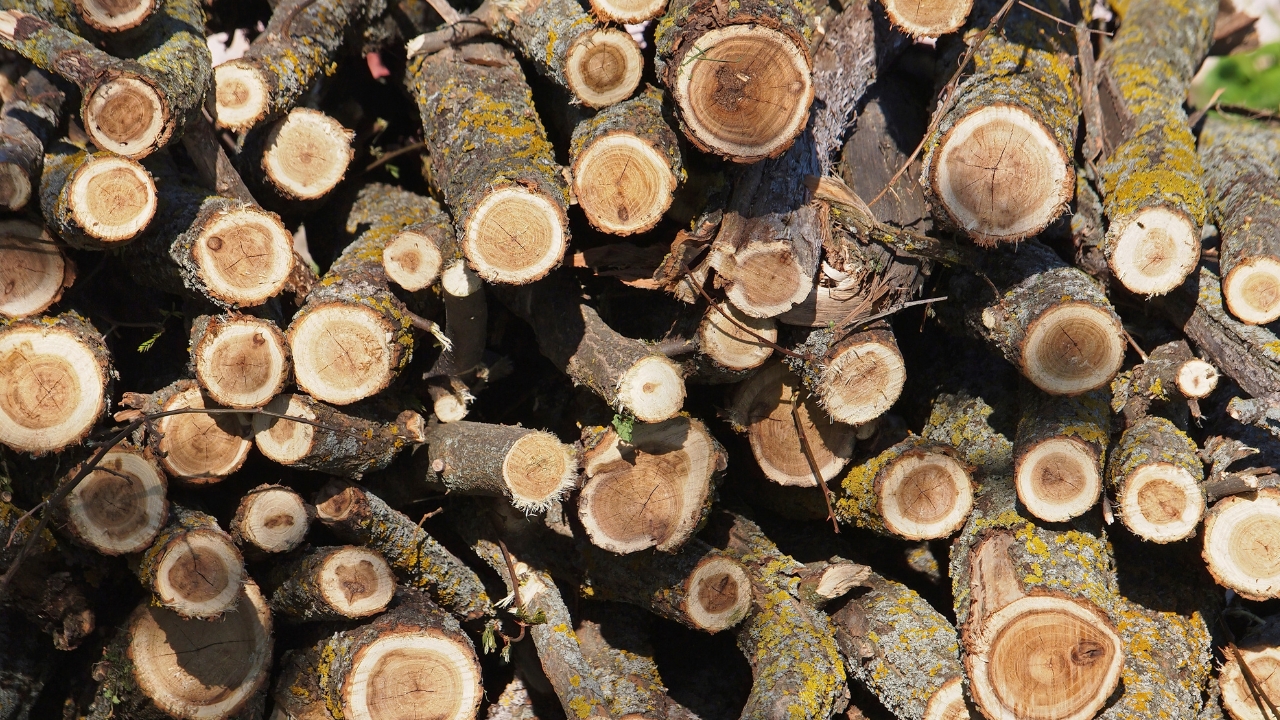
Black locust is great for heat but has a pungent, chemical-like smell that can bother some people. It’s not as universally hated as others on this list, but it’s still one to be cautious with indoors.
It also sparks a lot, which makes it risky for open fireplaces. If the smell doesn’t bother you, it’s a good high-BTU option—just know what you’re getting into.
Tree of Heaven

Despite the name, Tree of Heaven smells awful when it burns. The odor is harsh, bitter, and chemical-like, and many folks say it’s one of the worst-smelling woods out there.
It’s also invasive, so people are often tempted to burn it after cutting it down. But even seasoned, it stinks. You’re better off hauling it away or letting it rot than trying to heat with it.
*This article was developed with AI-powered tools and has been carefully reviewed by our editors.
Like Fix It Homestead’s content? Be sure to follow us.