10 Repairs to Avoid When the Weather Is Humid or Rainy
Photo credit: unsplash.com
When the weather’s sticky or stormy, some projects are better left alone. Moisture messes with a lot of materials—from adhesives to paint—and can cause more harm than good if you push through it. Even indoors, humidity can affect how things dry, bond, or hold up. If you want your repair to last (and not create a bigger mess down the line), timing matters.
Here are ten repairs worth rescheduling when the forecast’s not on your side.
Painting Indoors or Out

Humidity slows down drying and can make paint bubble, streak, or never fully cure. Even indoors, too much moisture in the air keeps the paint tacky and invites mildew.
If you’re painting a room, cabinets, or siding, wait for drier weather so the finish comes out smooth and actually lasts. Rushing a paint job in muggy weather usually means doing it again later.
Caulking Windows or Sealing Gaps
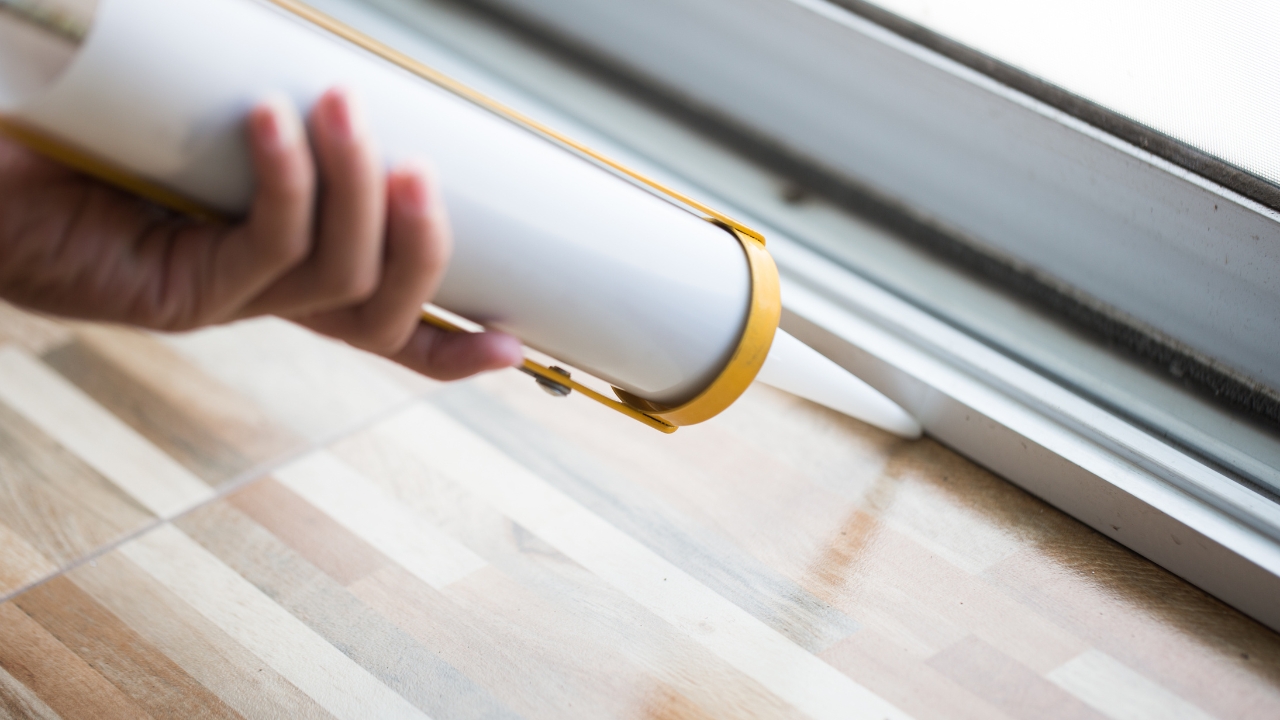
Caulk doesn’t stick well when surfaces are damp—or when the air is saturated. You might think it’s dry enough, but the moisture can get trapped and ruin the seal.
Even if you’re working under a covered area, humidity can keep the caulk from curing correctly. That leaves you with cracks, gaps, or mold down the road. Best to wait until everything is dry inside and out.
Roof Repairs or Shingle Replacement
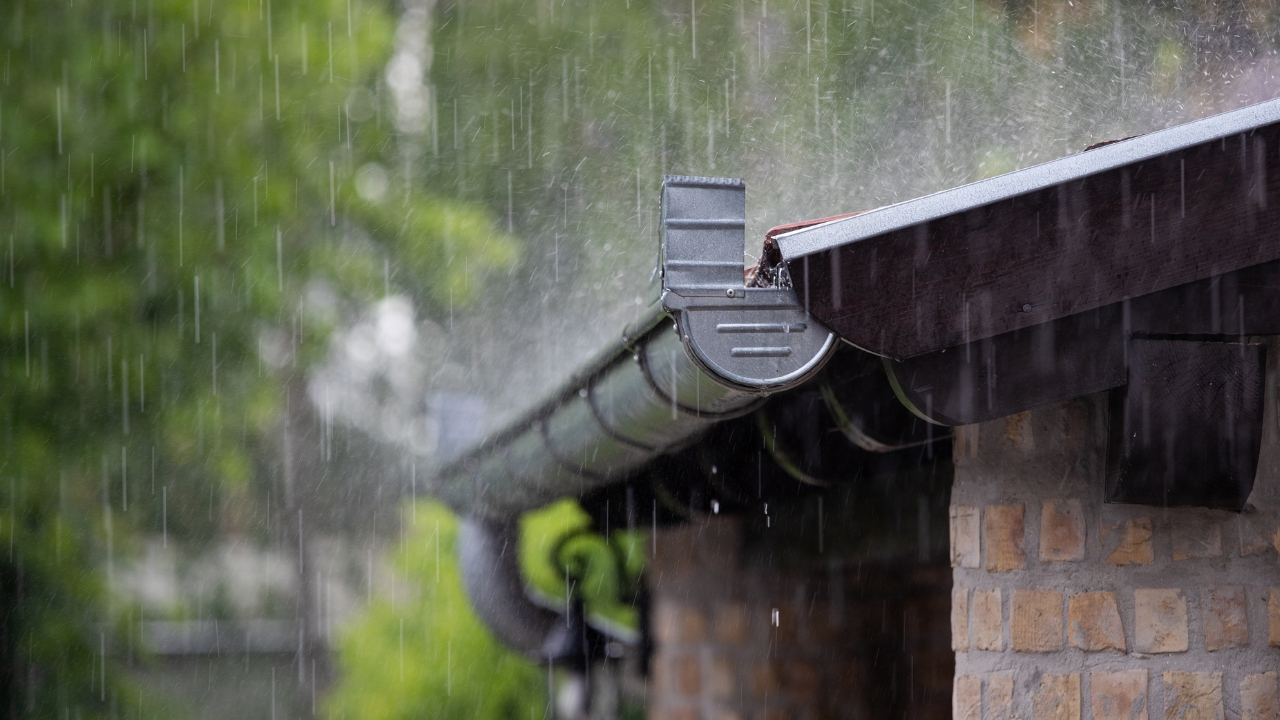
Wet shingles are slippery and dangerous to work on. But even beyond safety, you’ll struggle to get proper adhesion. Roofing materials don’t seal right when the surface is damp.
Trying to patch or replace a roof in the rain can actually let more moisture in, especially if you disturb the layers underneath. You need a dry, clear day to do this safely and correctly.
Concrete or Cement Work
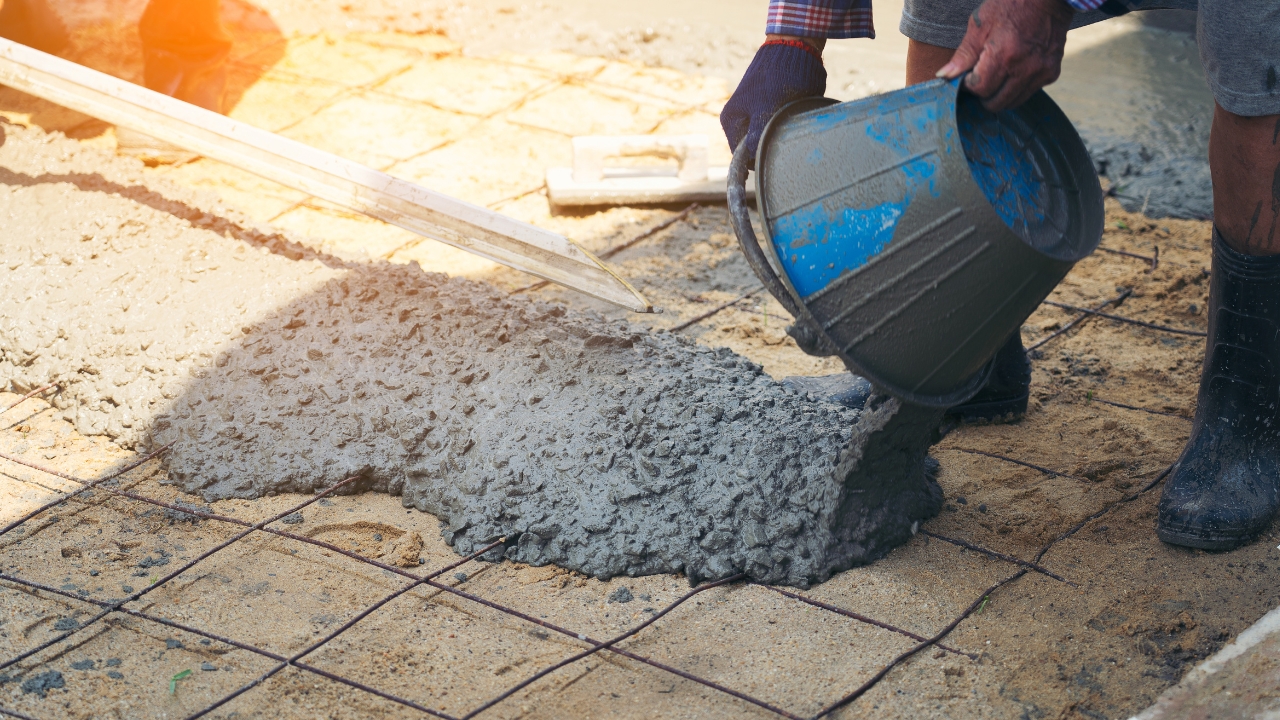
Humidity and rain can seriously mess with curing times. Pouring concrete or patching with cement on a humid day can lead to surface cracks, weak spots, or uneven drying.
If moisture sneaks in before it sets, the end result won’t be as strong or smooth. Let the weather pass so your mix can cure the way it’s supposed to.
Drywall Patching or Installing
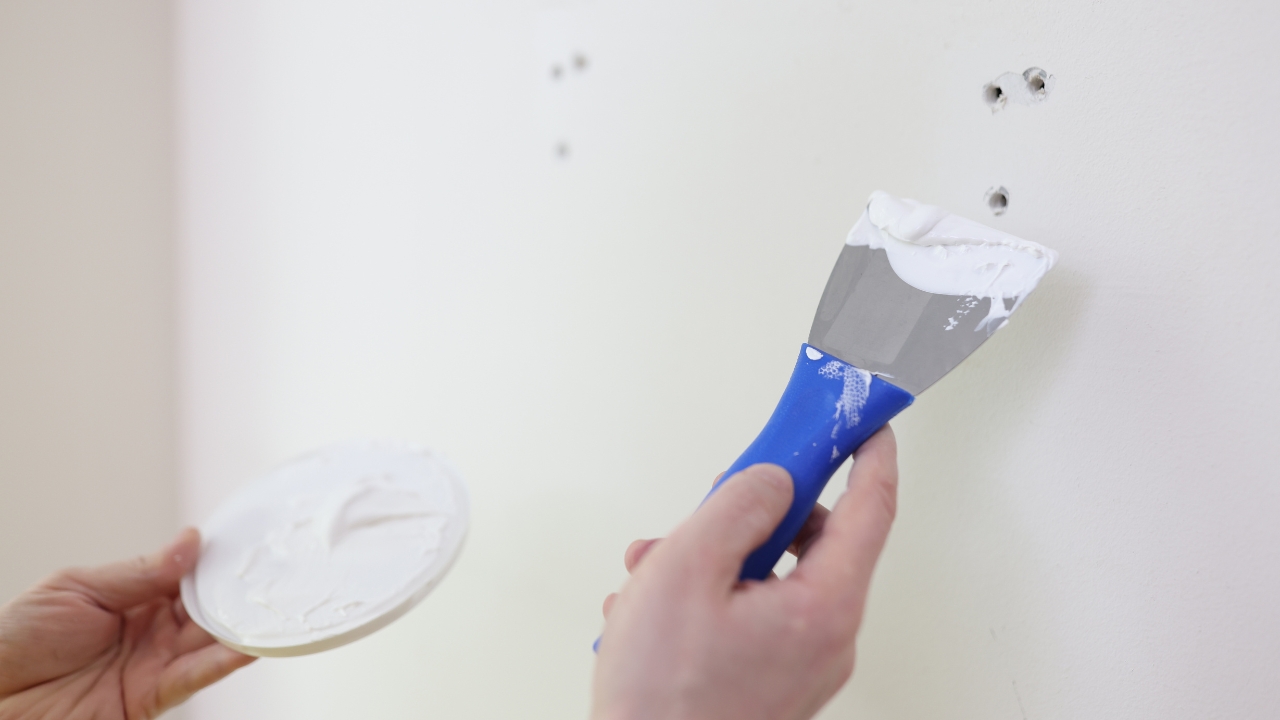
Drywall mud takes forever to dry in high humidity—and when it does, it may shrink or crack. That means more sanding, more coats, and more frustration.
If you’re hanging new drywall, the boards themselves can absorb moisture from the air and warp slightly before you even tape them up. You’ll get better results in drier conditions.
Electrical Work
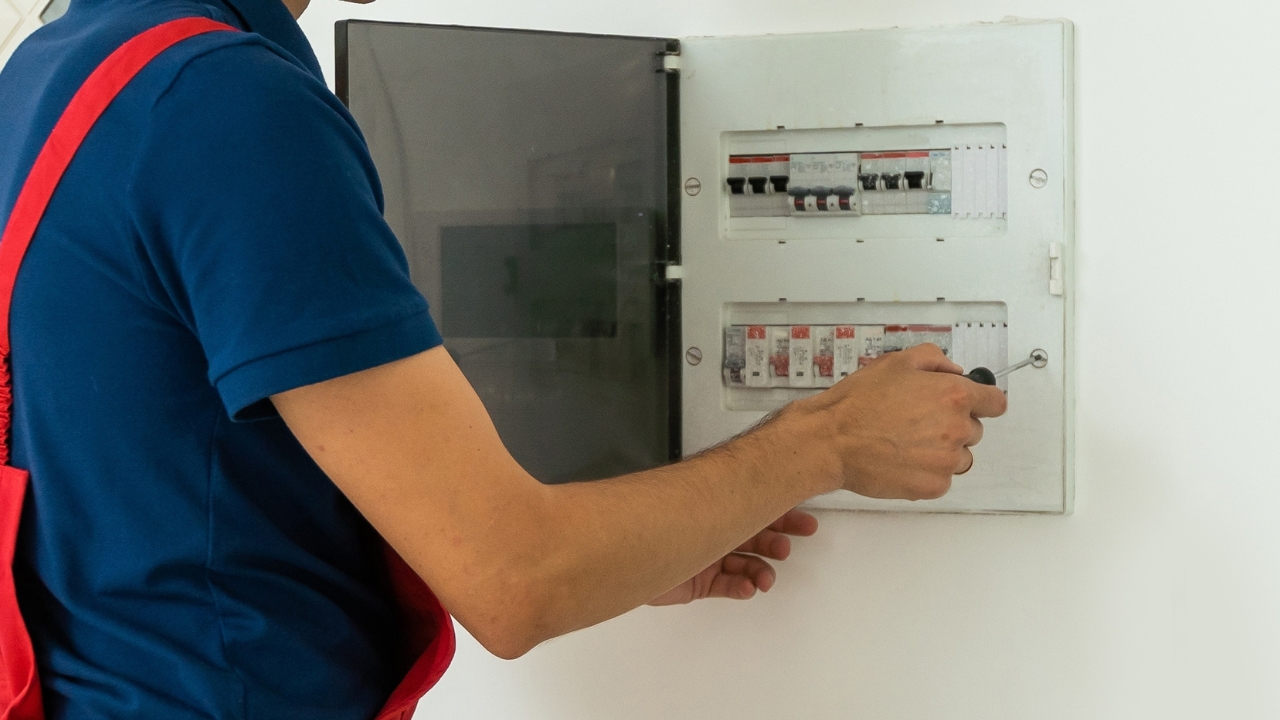
Even small electrical repairs can turn dangerous when the humidity’s high—especially in basements, garages, or crawl spaces. Moisture raises the risk of shock or short circuits.
Unless you’re dealing with a true emergency, don’t mess with electrical systems until the area is bone dry. It’s not worth the risk to you or the wiring.
Fence or Deck Repairs

Wood absorbs moisture quickly, and when it does, it swells. Trying to replace boards or drive in fasteners during a rainy stretch can leave you with gaps and shifts when everything dries out again.
Whether you’re staining, sealing, or hammering things back together, wait for a stretch of dry days. That gives the wood a chance to return to normal before you lock anything in place.
Tiling or Grouting
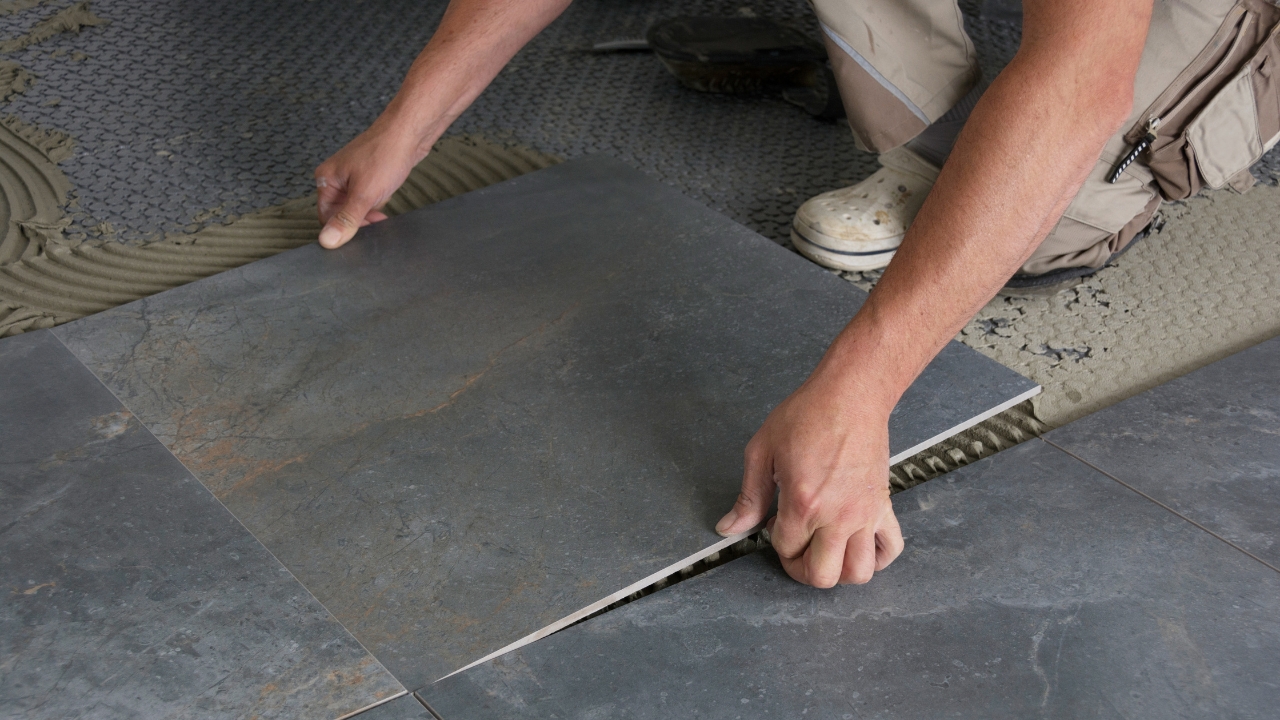
Humidity slows down curing and makes grout more likely to stay soft or discolor. Tiles might also shift slightly if the surface underneath is holding moisture.
For floors, walls, and backsplashes, the materials need a stable environment to stay in place and seal tight. You’ll save yourself from rework by giving it time and dry air.
Replacing Weatherstripping or Adhesive Strips
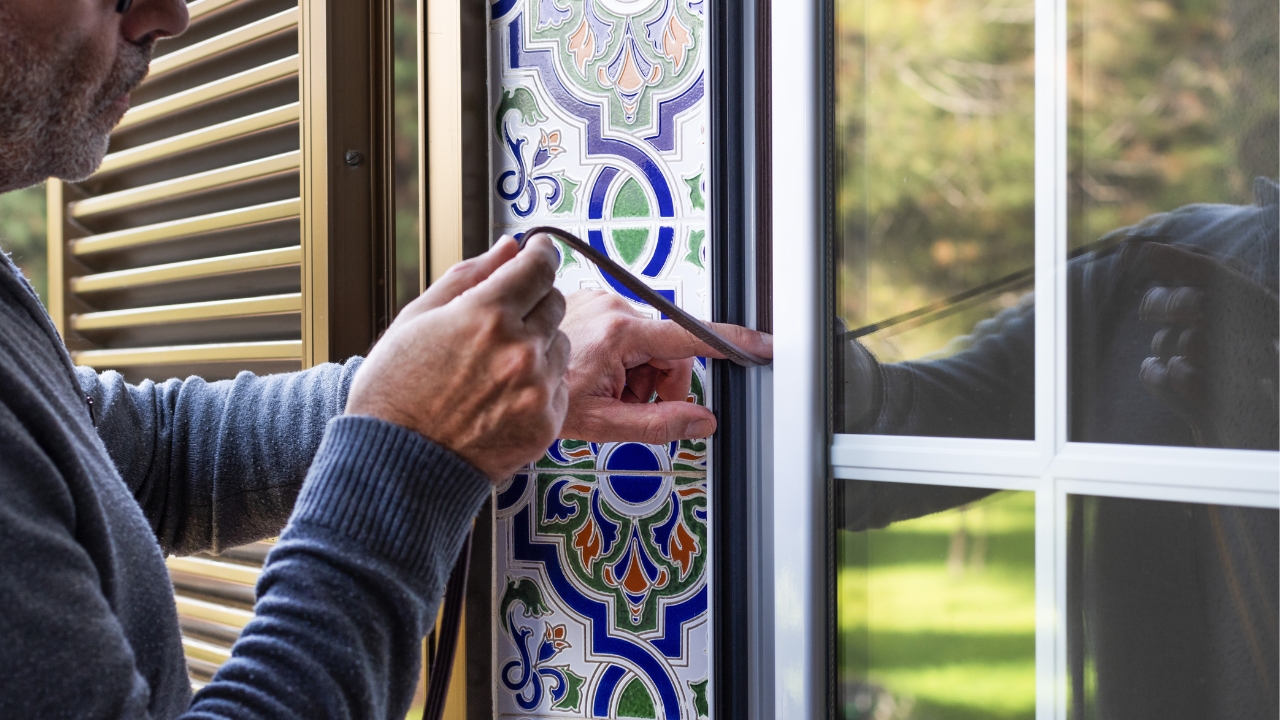
Adhesive-backed materials don’t bond well in humidity. You might get them to stick for a day, but they’ll peel up fast—especially near doors or windows where air moves more.
If you’re sealing for energy efficiency or weatherproofing, doing it right means waiting until the surfaces are clean, dry, and ready to grab hold.
Fixing Anything Around a Crawl Space
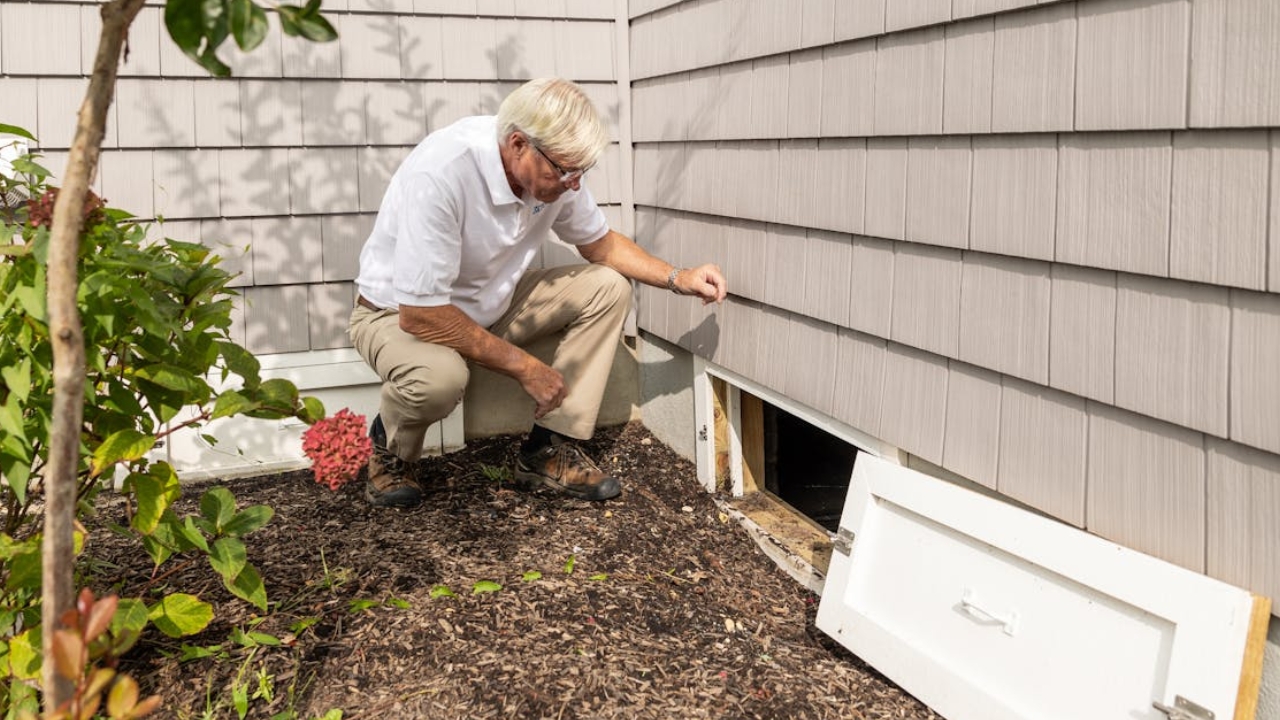
Crawl spaces are notorious for trapping humidity. On a rainy day, they’re even worse. Whether you’re checking insulation or dealing with wiring or plumbing, the moisture makes it harder and less safe.
Give things time to dry out, especially if the work involves being on your hands and knees in a tight, damp space. It’s better for your health and the quality of the repair.
*This article was developed with AI-powered tools and has been carefully reviewed by our editors.
Like Fix It Homestead’s content? Be sure to follow us.