10 Scariest Places to Be in Your House During a Tornado
Photo credit: Silverszay/Shutterstock.com
Tornadoes don’t give much warning, and when they hit, your house can either protect you or put you in more danger. Most people assume any interior room will do, but the truth is some parts of your home are much more likely to collapse, trap you, or get shredded by flying debris. Knowing where not to be could save your life.
Rooms With Large Windows

Large windows are the first to go in strong winds. Shattered glass becomes airborne, turning into dangerous projectiles that can injure anyone nearby.
Even double-paned windows aren’t safe in this kind of weather. If your favorite spot in the house has a nice view, it’s probably the worst place to be when a tornado is coming.
Attached Garages

Garages seem sturdy, but they’re often one of the weakest points in the entire house. Large doors can buckle or blow off entirely, letting wind rush in and cause the roof to lift.
If your garage is full of tools or gear, all of that becomes high-speed debris. Don’t try to shelter in your vehicle either—it won’t protect you inside a collapsing structure.
Upstairs Bedrooms
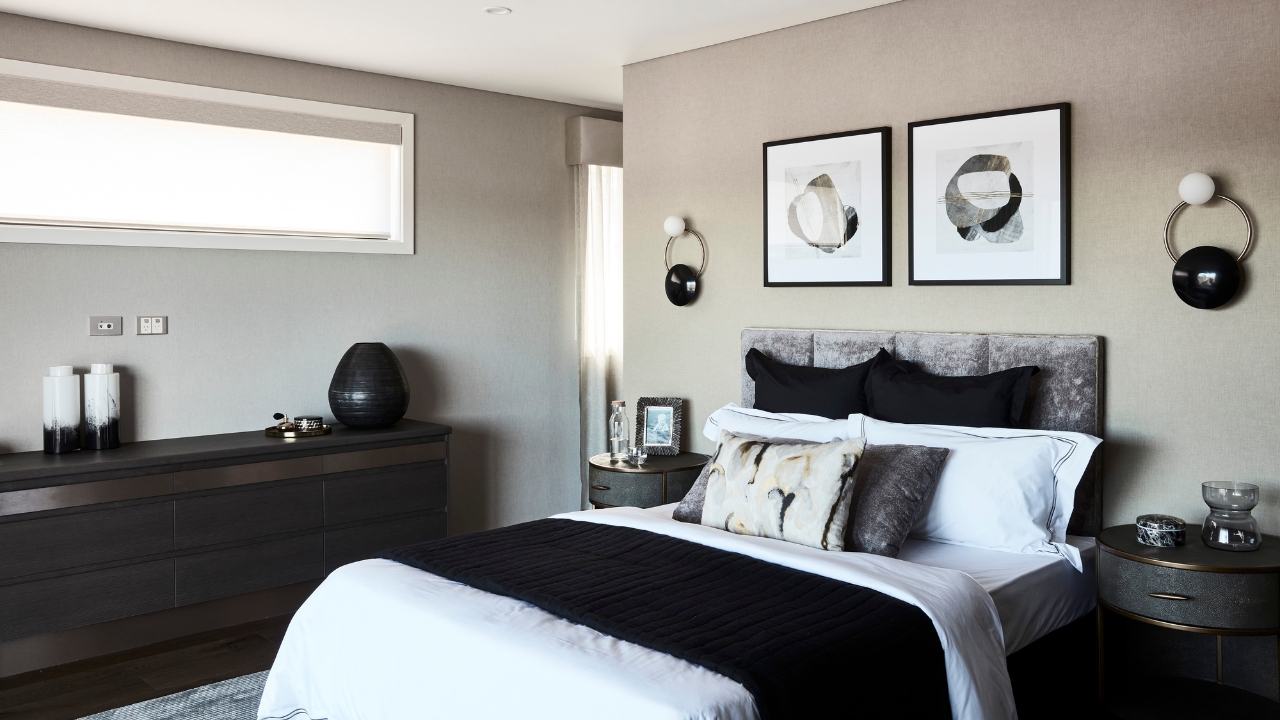
Any upper level is risky in a tornado. Wind pressure is stronger the higher you go, and second stories are more likely to collapse during direct hits.
If you live in a multi-level home, don’t try to ride it out upstairs. Head down immediately and find a safer space closer to ground level.
Rooms Under Heavy Roof Spans
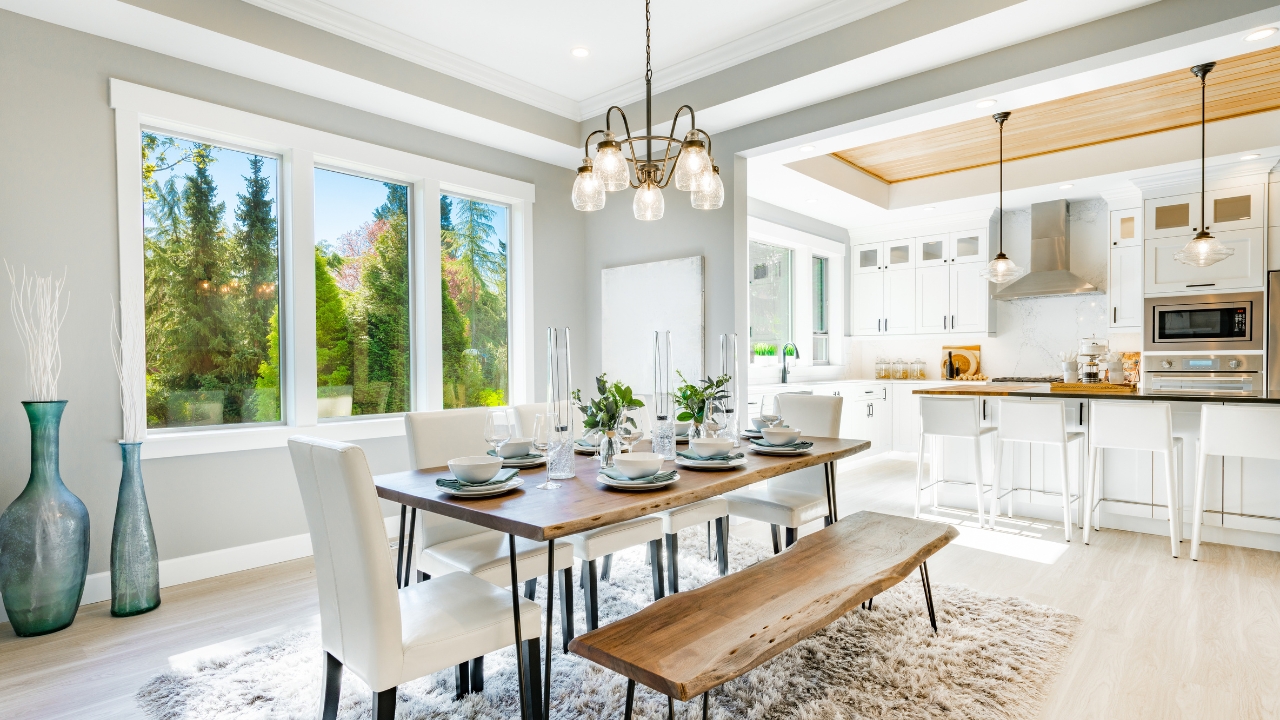
Open-concept areas like living rooms, kitchens, or vaulted dining rooms often have wide roof spans with fewer interior supports. That makes them more likely to cave in under tornado pressure.
These rooms might feel solid, but they can’t handle the structural stress once a tornado compromises the roof. Avoid them during storms and take shelter somewhere with more walls around you.
Hallways With Exterior Doors
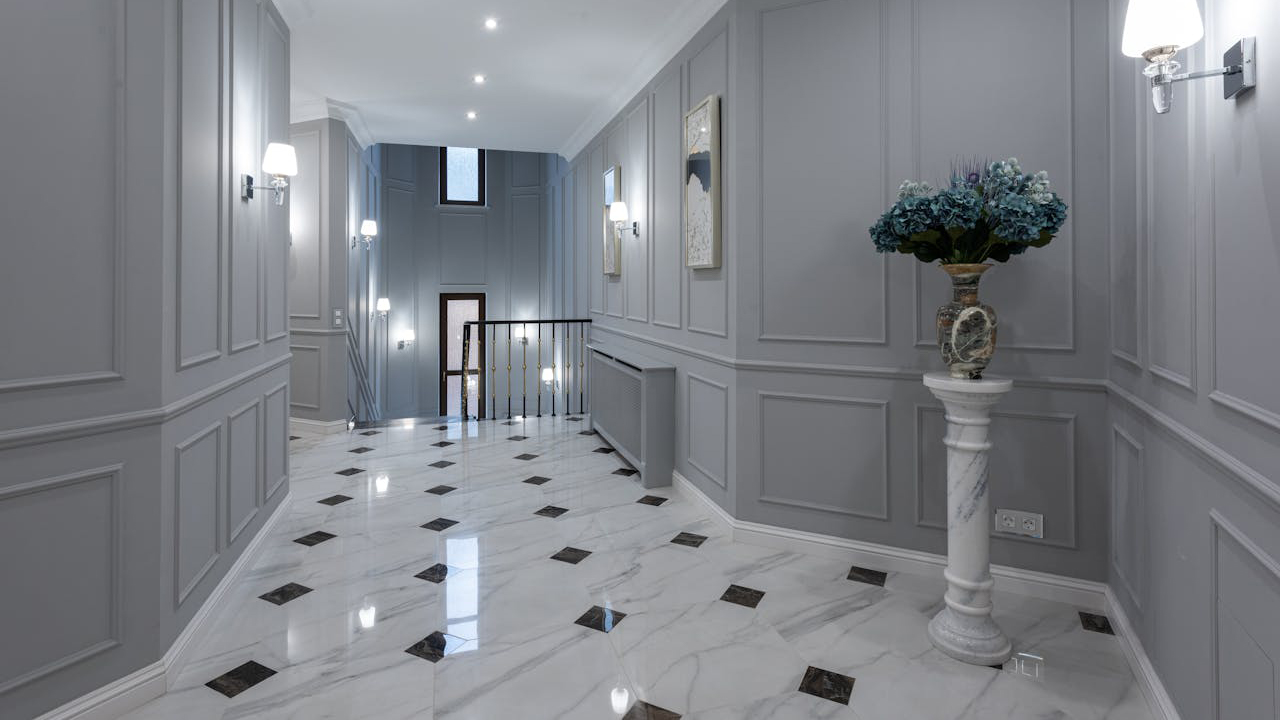
Hallways can act like wind tunnels if a nearby door blows open or gets ripped away. They’re also narrow, which means limited escape options if debris starts falling.
Unless your hallway is completely enclosed and far from any outside wall, skip it. You want a place that won’t funnel wind or trap you between collapsing walls.
Sunrooms and Add-Ons
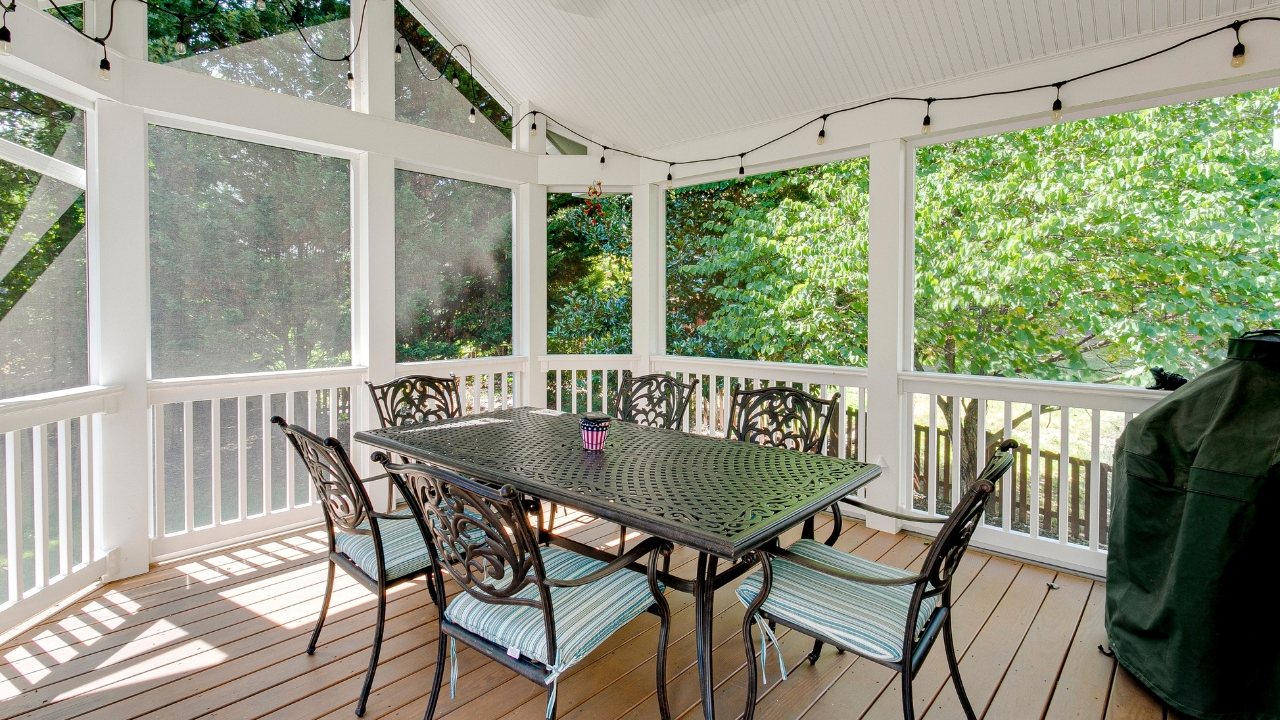
Rooms that were added later—like sunrooms, screened porches, or mudrooms—often weren’t built to the same structural standards as the main house. That makes them especially vulnerable to wind damage.
These areas usually have large windows, light framing, and less foundation support. Stay away from them during severe weather, even if they seem like the easiest access point to the outside.
Basements With Heavy Shelving or Storage
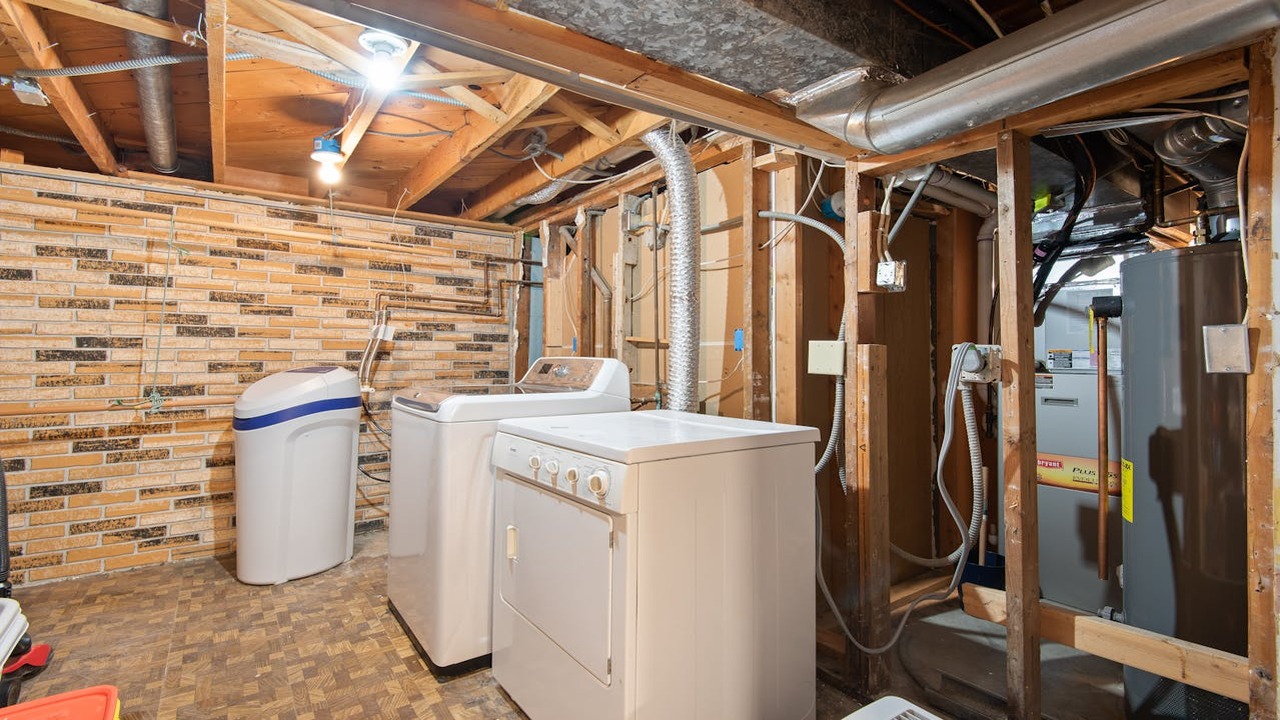
Basements are generally safer, but not all spots in the basement are equal. If you’re under a room full of appliances or heavy furniture, that weight could collapse through.
Stick to corners or spots that don’t have large objects sitting above them. And if you’ve packed your basement with storage shelves, avoid those in case they topple during shaking or impact.
Bathrooms With Exterior Walls
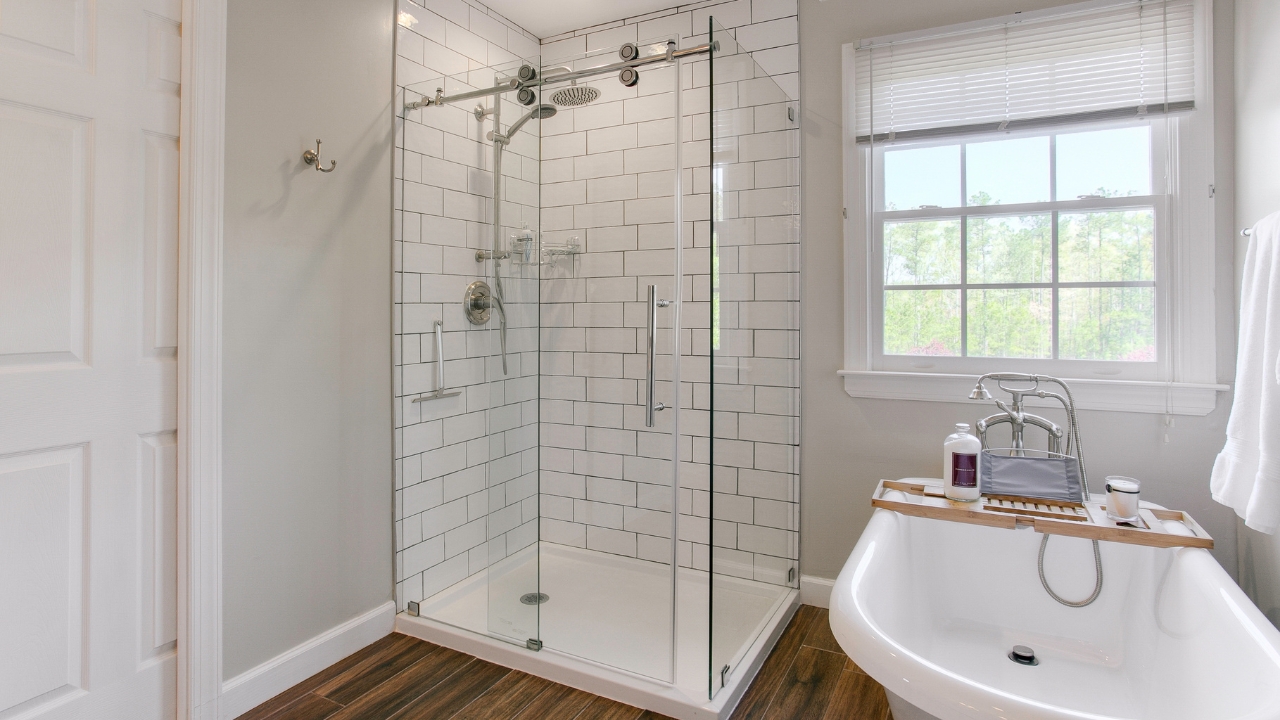
Bathrooms often seem like a safe bet, but not if they’re located against an outside wall or have windows. Those walls are more likely to fail under tornado pressure.
Instead, pick an interior bathroom—preferably one without windows or skylights. And bring in something to cover yourself with, like a mattress or heavy blanket, to help block flying debris.
Rooms With Chimneys
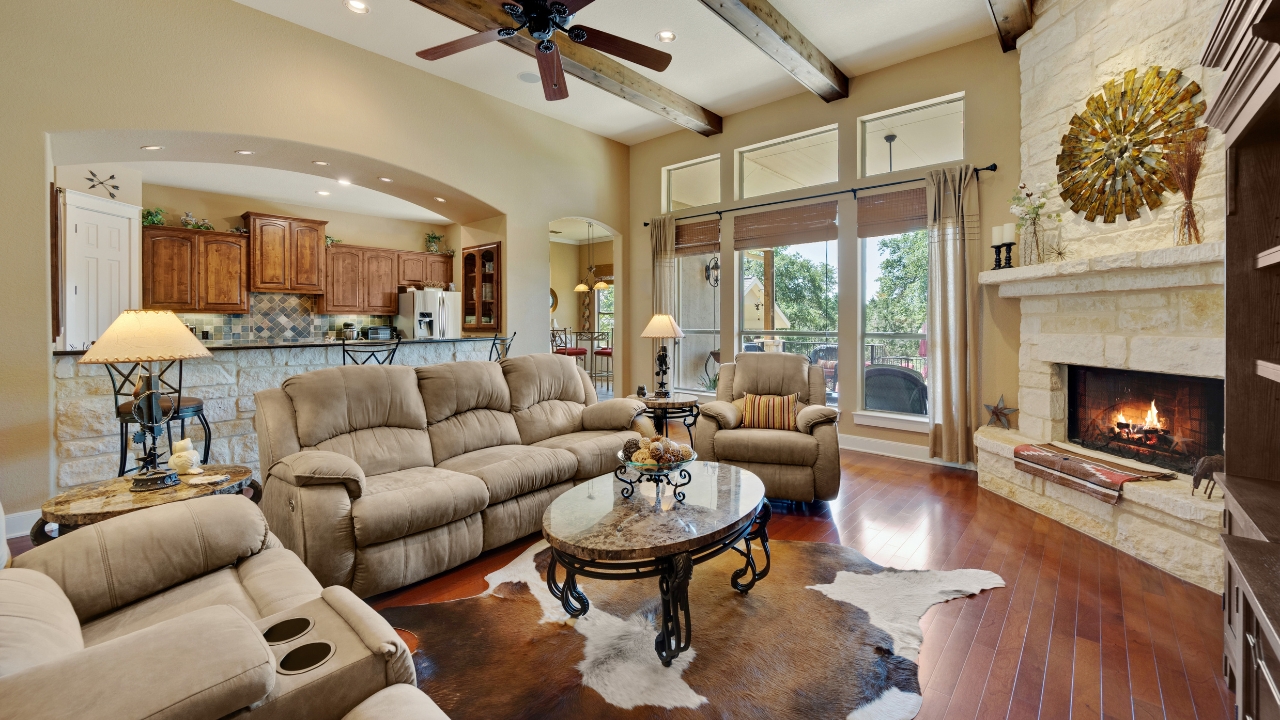
Fireplaces and chimneys are made from heavy materials that don’t always hold up well in violent wind. If the chimney collapses, it can take the wall down with it.
Even if the rest of the house stays up, brick and stonework can cause major injuries if they fall. Don’t shelter near the fireplace or let it give you a false sense of security.
Rooms With High Ceilings
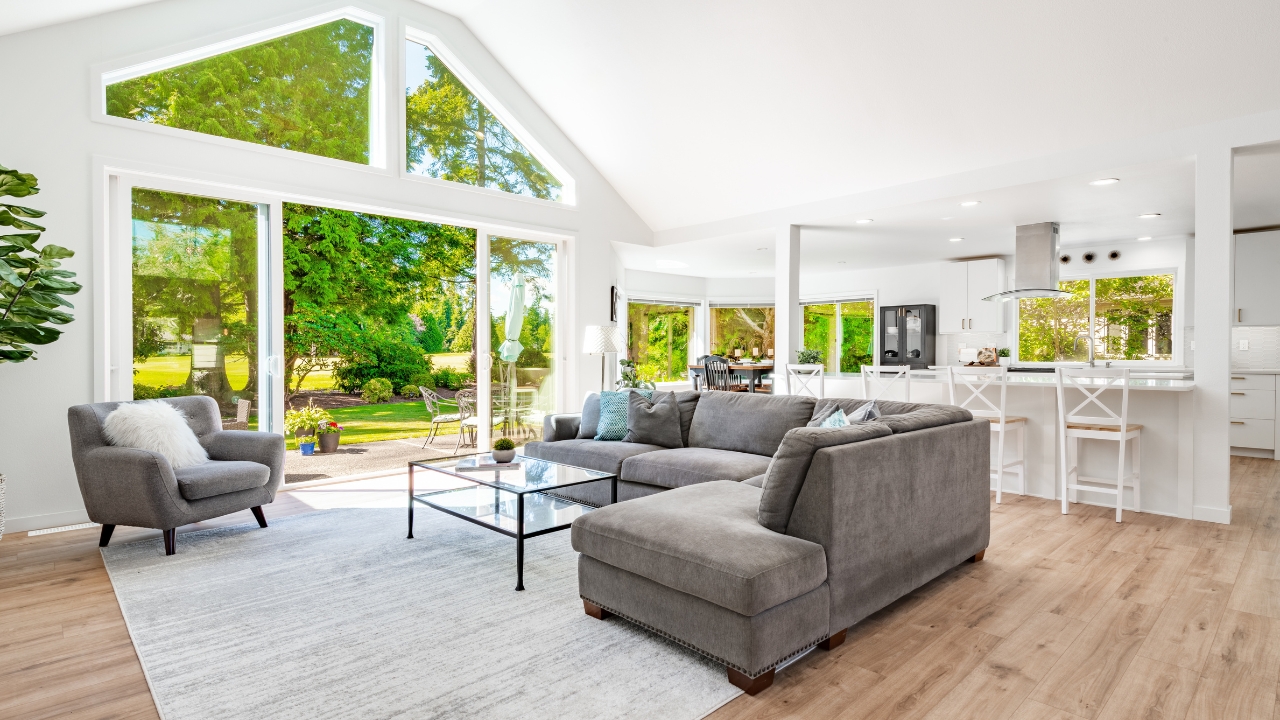
High ceilings may look great, but they’re usually a sign of weaker structural framing. Tornadoes can pull at those extra feet of space, especially when there aren’t enough cross-supports.
If you’re in a room with a cathedral or vaulted ceiling, move to one with a flat, low ceiling and four solid walls. You’re safer where the structure is more compact and better supported.
Like Fix It Homestead’s content? Be sure to follow us.