10 Cleaning Habits That Are Actually Wearing Out Your House
Photo credit: Pixel-Shot/Shutterstock.com
Some cleaning habits feel productive in the moment but slowly chip away at your house over time. The wrong product or method can wear down surfaces, shorten the life of appliances, and even make repairs more expensive later.
If you’re trying to keep your home in good shape long-term, these are habits you’ll want to break.
Scrubbing Hardwood Floors Too Hard
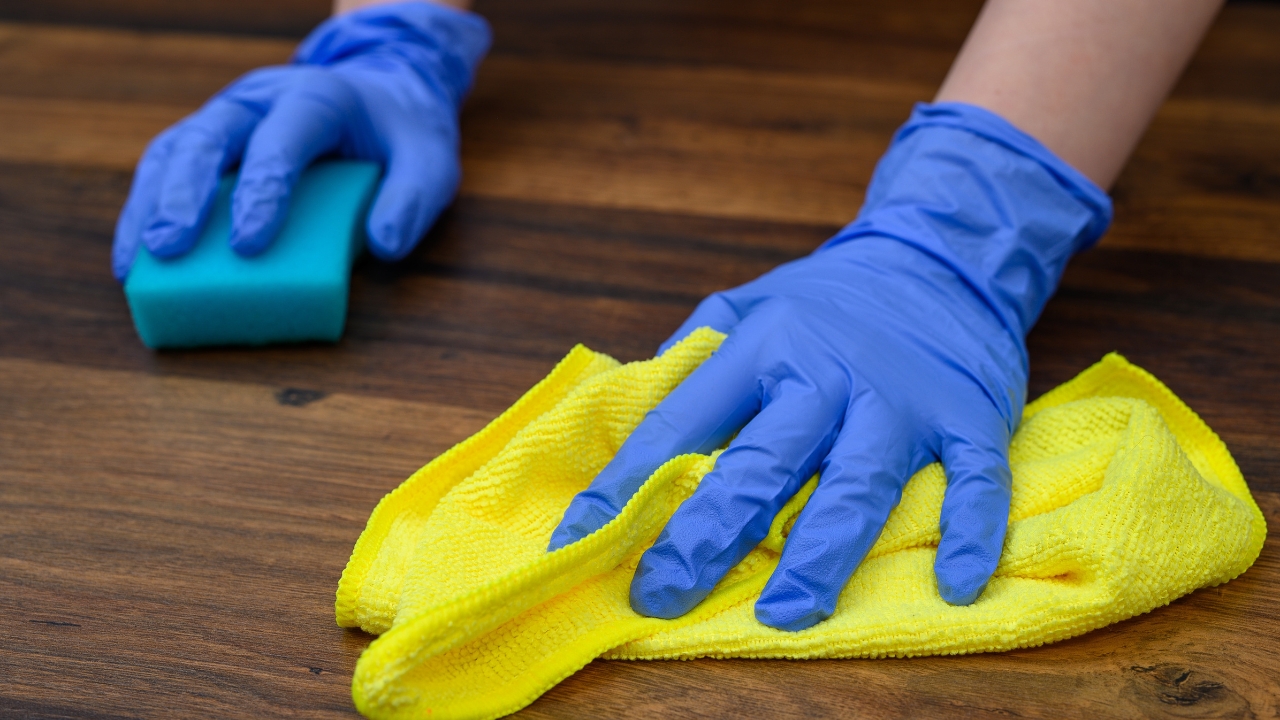
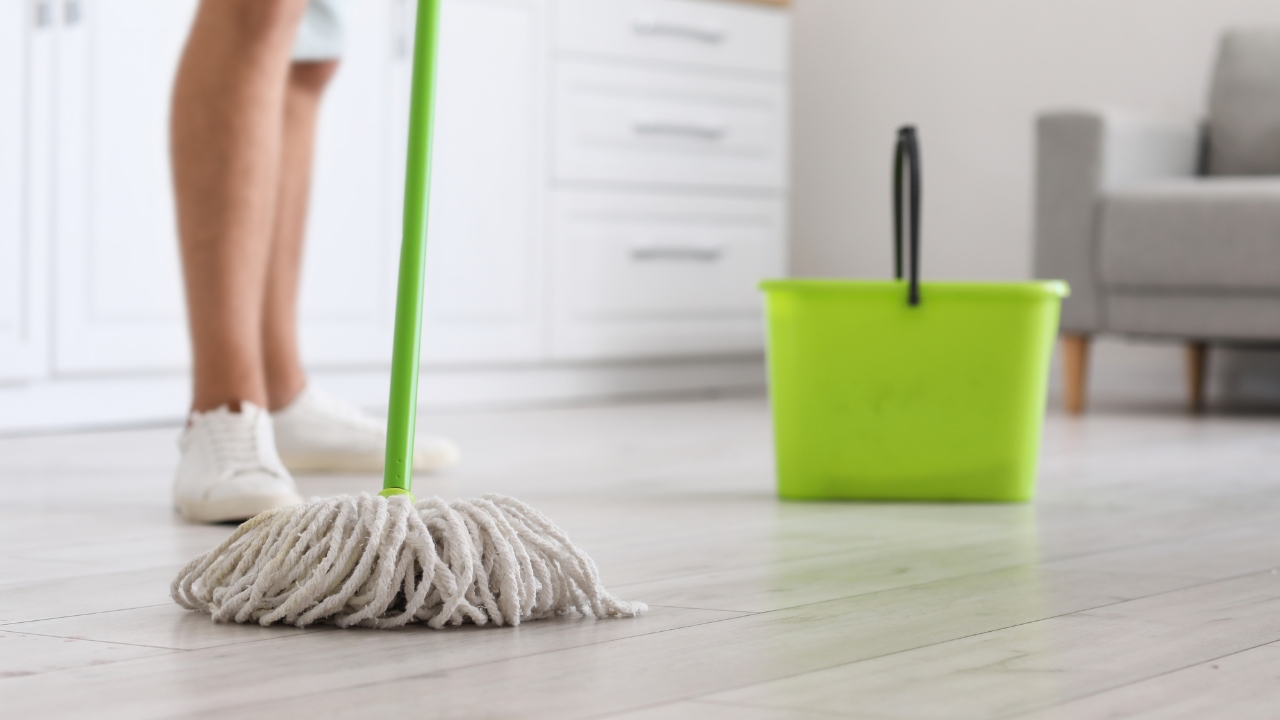
It feels satisfying to give floors a good scrub, but aggressive cleaning wears down the finish fast. Harsh brushes or even rough pads can leave tiny scratches that dull the shine and open the wood up to moisture. A soft mop with the right cleaner does the job without causing damage.
Using Abrasive Cleaners on Surfaces

Products made for “tough grime” usually come with a price: they scratch, cloud, or wear down finishes. Countertops, sinks, tubs, and stainless steel can all take a beating over time. If it feels gritty or leaves a chalky film, it’s probably doing more harm than good.
Over-Mopping Laminate or Vinyl

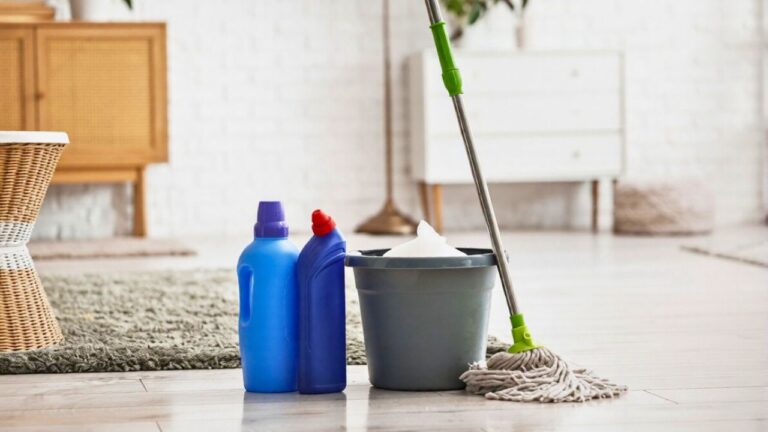
Too much water on laminate or vinyl flooring is a recipe for warping, bubbling, and soft spots. These floors are water-resistant—not waterproof. A slightly damp mop is all you need. If it’s dripping wet, it’s too much and can ruin the floor faster than you’d think.
Wiping Walls with the Wrong Materials
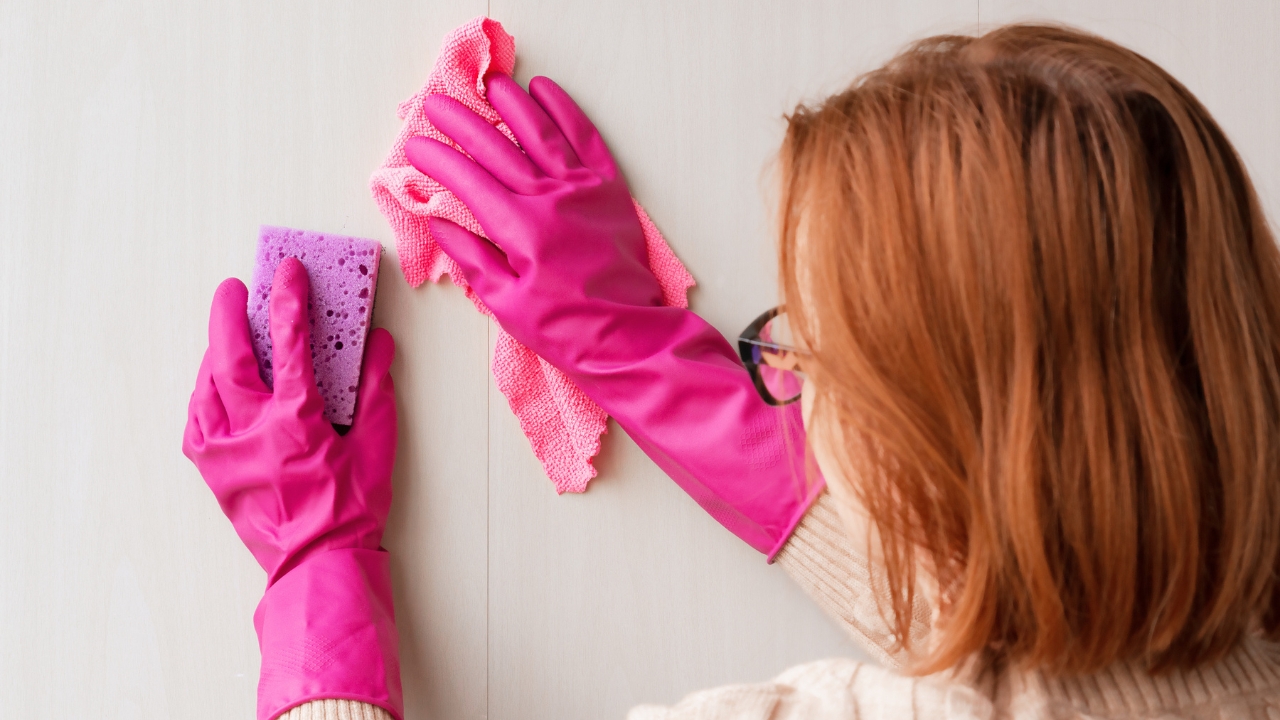
Abrasive pads or harsh chemicals can take paint right off your walls, especially flat or matte finishes. Magic erasers work great—but not on every surface. If your wall starts looking patchy or shiny in spots, your cleaning method is likely the culprit.
Cleaning Windows with Ammonia
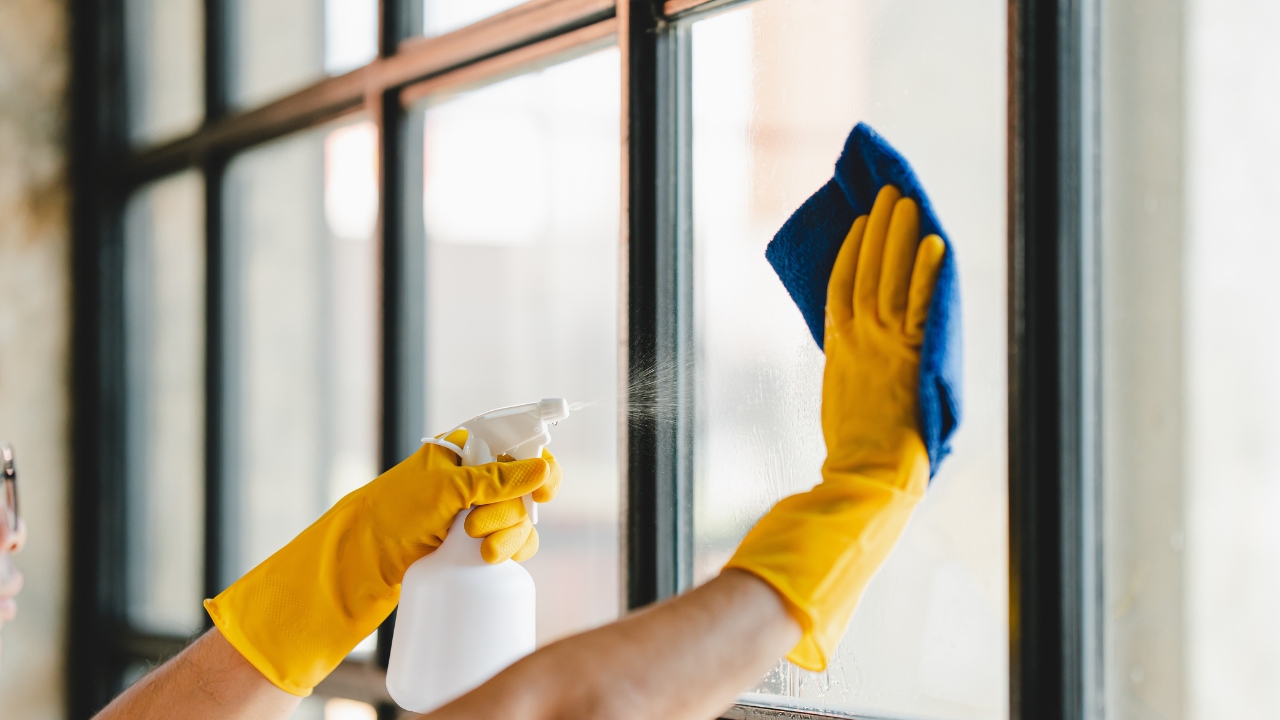
Ammonia-based cleaners can damage window seals and tint over time. They’re especially rough on double-pane windows and can cause clouding between the layers. Stick with vinegar and water or a specialty window cleaner that’s safe for the material.
Ignoring Manufacturer Instructions
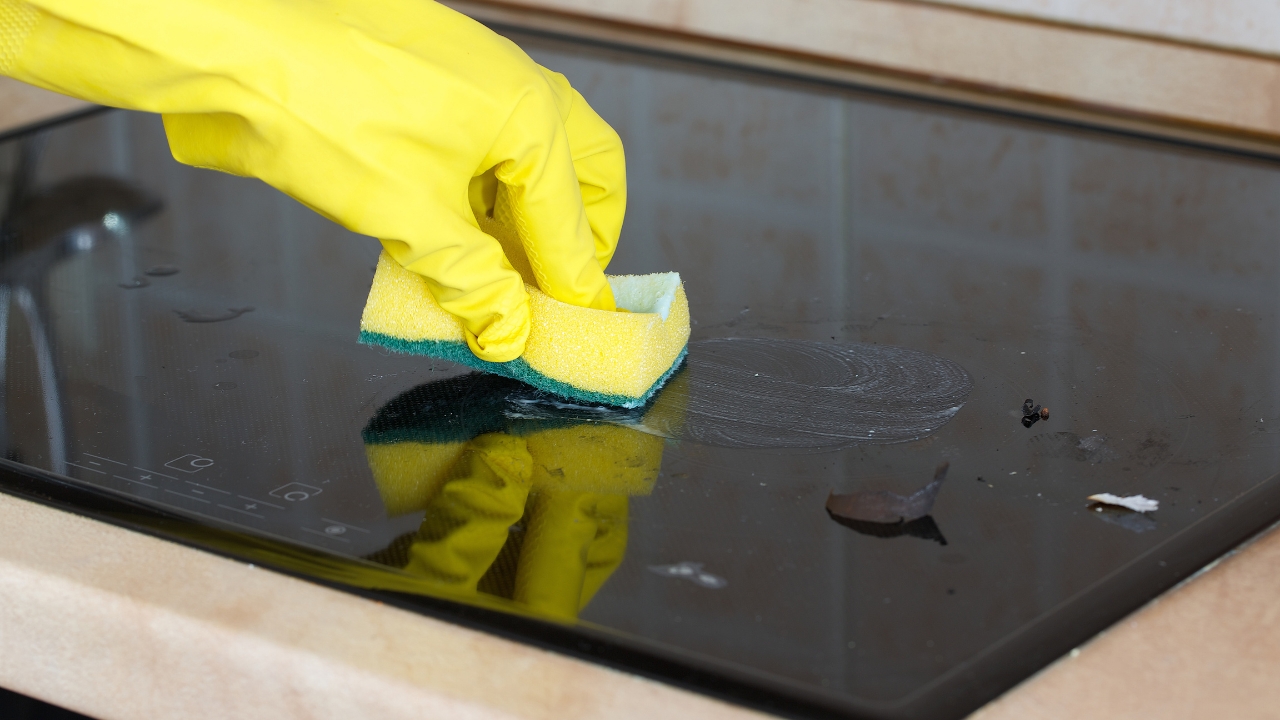
Appliances come with very specific cleaning directions, and ignoring them wears things out fast. From self-cleaning ovens to glass cooktops and fridge coils—there’s a right way to clean them. Skipping steps or using random products can shorten their life and void warranties.
Using Too Much Bleach
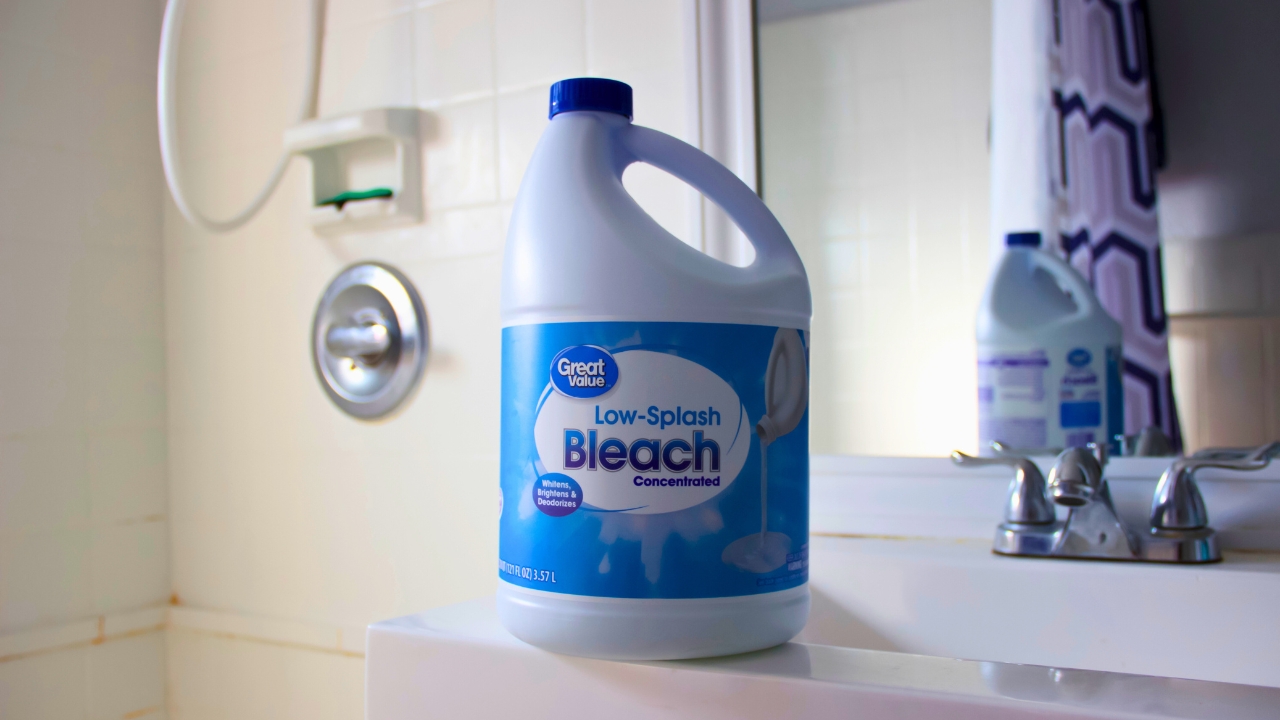
Bleach seems like a fix-all, but it can corrode metal, break down grout, and damage fabrics over time. Plus, if it’s not diluted properly, it’ll leave behind a residue that weakens surfaces. Bleach has its place—just not as a daily go-to.
Vacuuming Without Cleaning the Filters
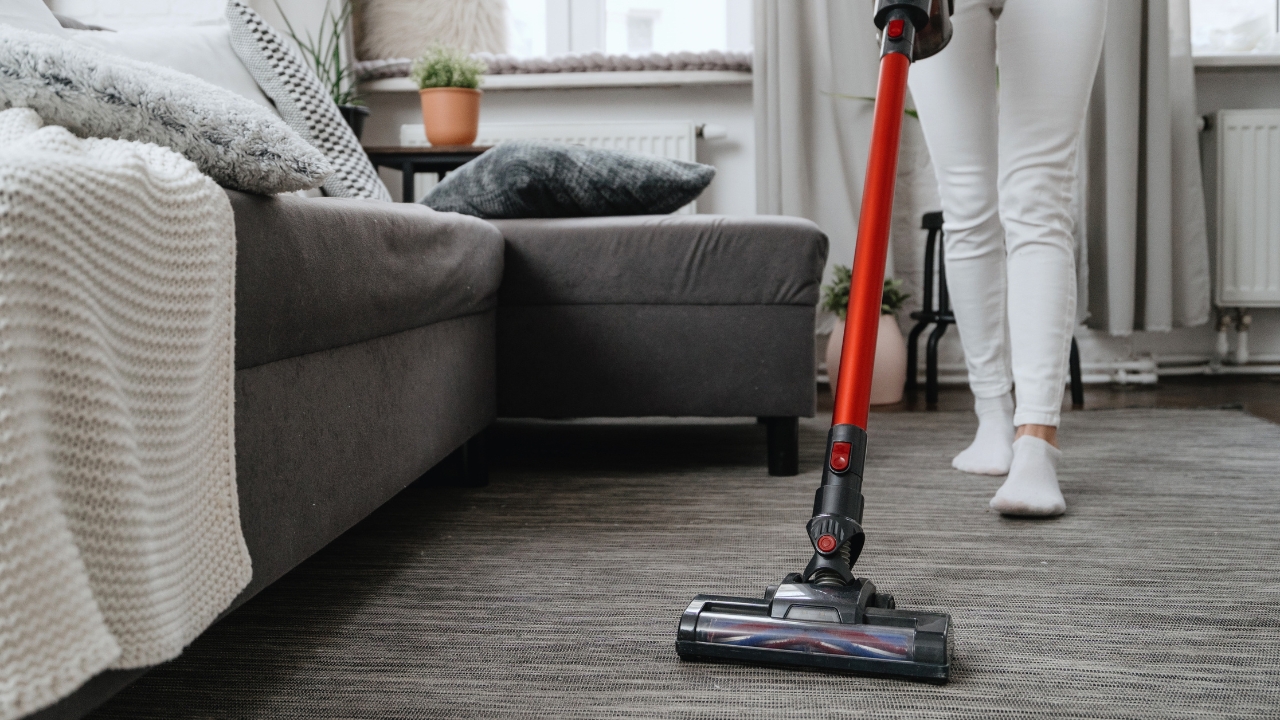
When filters and rollers are clogged up, your vacuum works harder, heats up more, and wears out faster. It also doesn’t clean as well. If you’re vacuuming every few days and never touching the filter, your machine’s lifespan is shrinking with every pass.
Using Too Much Water on Wood Furniture
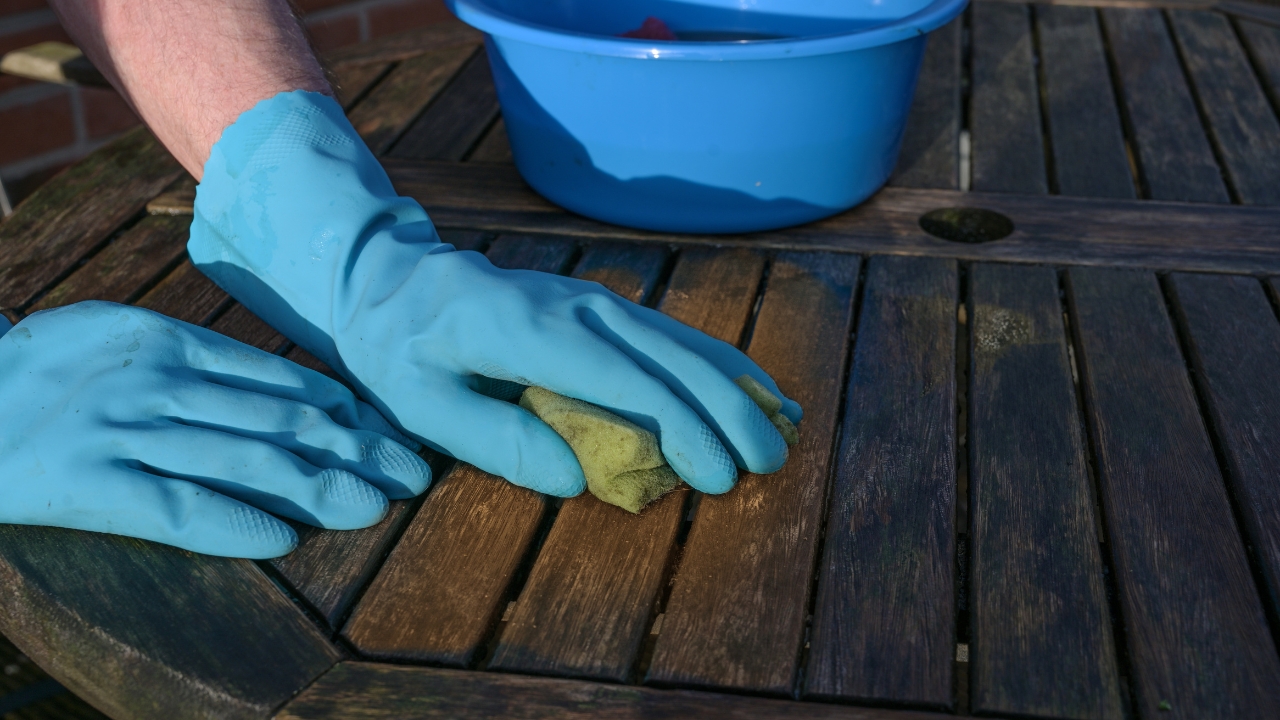
Soaking a rag and wiping down wood furniture seems harmless, but water gets into the grain and slowly causes swelling and cracking. A barely damp microfiber cloth is enough. Skip the all-purpose sprays that leave behind a film and go for a proper wood cleaner.
Cleaning Too Often With Harsh Chemicals
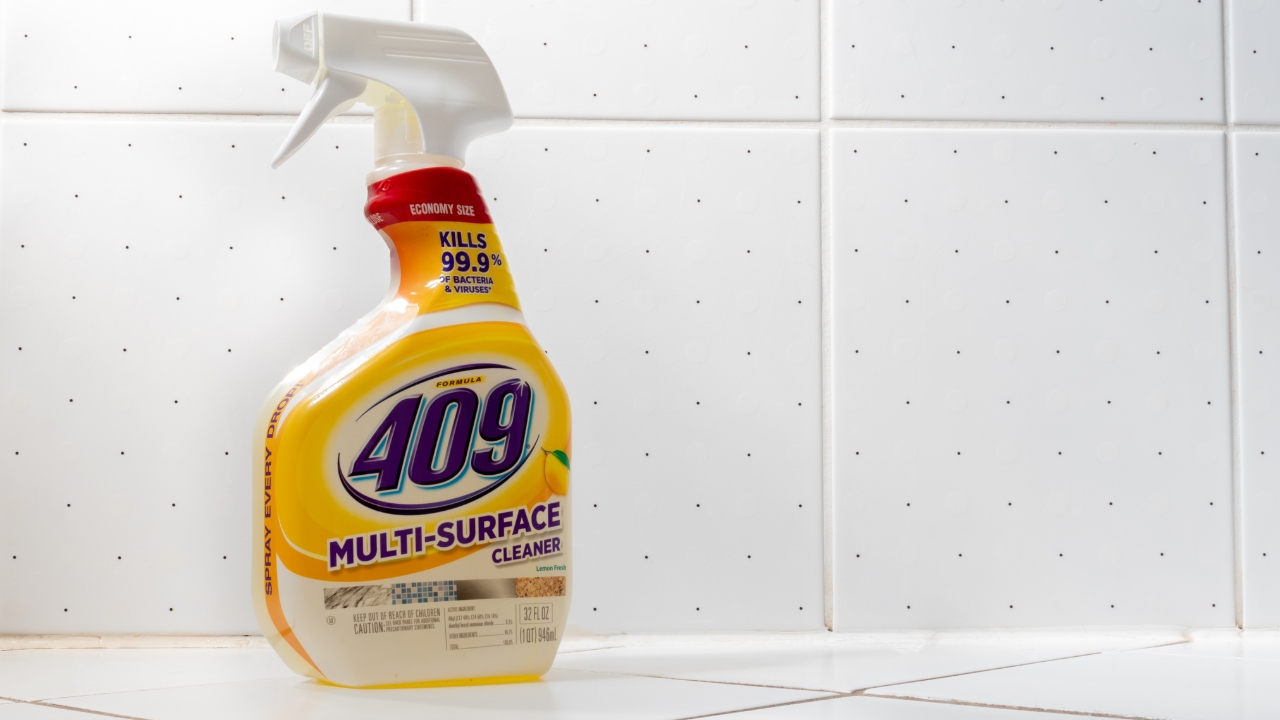
Overuse of strong cleaners—like degreasers or multi-surface sprays—can actually strip finishes off cabinets, countertops, and even floors. You might not notice at first, but over time it dulls the surfaces and makes them look older than they are.
*This article was developed with AI-powered tools and has been carefully reviewed by our editors.