As drones kill civilians, Zelenskyy warns Geneva can’t be a “concessions” trap
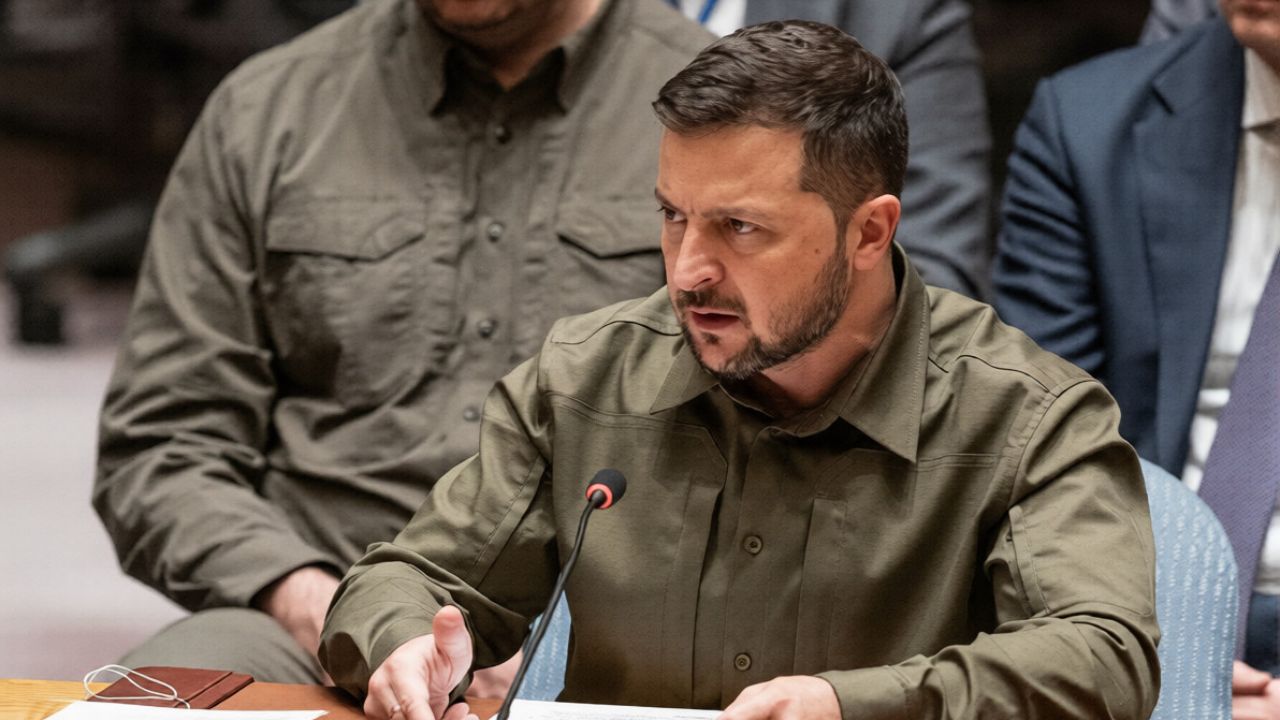
MUNICH, Germany — Ukrainian President Volodymyr Zelenskyy said Saturday that U.S.-brokered negotiations set for Geneva next week risk stalling if Kyiv is treated as the primary source of concessions, arguing Russia must face clearer pressure — including sanctions and military costs — if there is to be any movement toward a ceasefire. Speaking on the sidelines of the Munich Security Conference, Zelenskyy framed the coming talks as a test of leverage and unity, not simply diplomacy for diplomacy’s sake.
Zelenskyy’s comments come as Washington pushes to revive a negotiating channel that has repeatedly broken down over the same core disputes: territory, security guarantees, and Russia’s insistence on conditions Ukraine says would lock in Moscow’s gains. Zelenskyy has consistently rejected any arrangement that formalizes Russian control of occupied land, warning it would invite a future round of war rather than end the current one. He also criticized what he described as shifting messages around who must move first — and how much — for talks to produce results.
The diplomatic push is unfolding under the shadow of escalating drone warfare and the grinding reality of a conflict now deep into its fourth year. Officials in Ukraine and Russia have reported civilians killed in recent cross-border drone strikes, underscoring how the war’s reach is no longer confined to the front line. Those attacks have become a near-daily feature: cheap, hard to fully stop, and politically potent because they hit homes, vehicles, and infrastructure. AP’s report on the civilian deaths and the Geneva timeline lays out the latest sequence of events.
At Munich, Zelenskyy also pressed allies on what “security guarantees” actually mean in practice — language that has become central as diplomats talk about ceasefire monitoring, postwar deterrence, and whether Europe would play a larger role. He has repeatedly argued that promises without enforcement mechanisms are not enough, and that Ukraine needs commitments that would make renewed Russian aggression materially harder and more costly. AP’s coverage of Zelenskyy’s security-guarantee message includes the questions he is raising about follow-through.
Europe’s position matters because any durable settlement would likely require European participation — politically, financially, and potentially through monitoring or reassurance forces — even if the United States remains the key broker. Zelenskyy has warned that a negotiation dominated by Washington and Moscow, with Europe and Ukraine reacting from the outside, is unlikely to produce an agreement Ukrainians can accept or sustain.
The Geneva meetings are expected to be the next major checkpoint, but expectations are being managed publicly. Officials and analysts say even limited steps — prisoner exchanges, clear monitoring terms, or agreed humanitarian measures — would be meaningful if they reduce violence and build a track record of compliance. Zelenskyy’s message Saturday was that any path forward must show consequences for Russian obstruction, not just pressure on Ukraine to accommodate it. Reuters’ reporting on Zelenskyy’s view of “who is asked to give up what” captures that argument.